Why Obesity Intervention Could Be One of the UAE’s Biggest Economic Wins
A new Whiteshield report commissioned by Lilly reveals that accelerated obesity intervention in the UAE could help more than 1.2 million people transition out of obesity, generate $1.5 billion in healthcare savings, and add $51 billion to GDP by 2031.
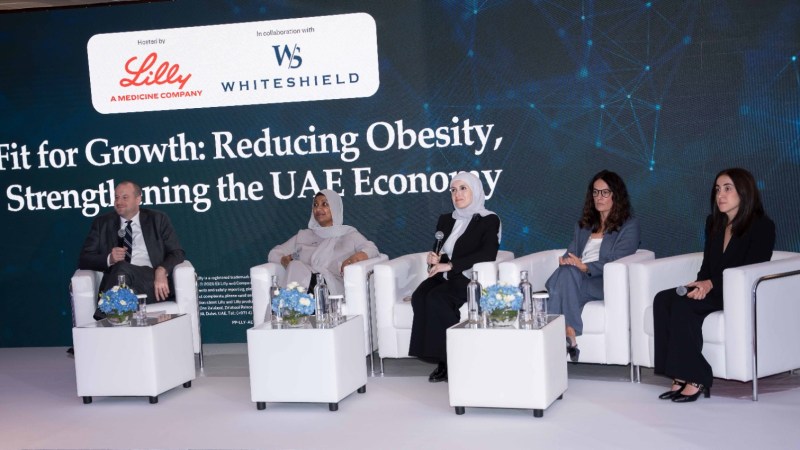
New findings position obesity treatment as both a healthcare and economic priority for the UAE.
A new report explores the economic and societal impact of accelerated obesity intervention in the UAE.
Obesity has long been framed as a healthcare issue. But a new UAE-focused report is arguing that its real impact runs far deeper — into the country’s economy, workforce, education system, fertility rates, and long-term national growth ambitions.
Published by Whiteshield and commissioned by Lilly, Beneath the Surface: The Hidden Socioeconomic Impacts of Weight Loss positions obesity intervention not simply as a medical priority, but as a strategic economic opportunity aligned with the UAE’s ambitious “We the UAE 2031” vision.
The findings were presented in the presence of Dr Maria Hanif Al Qassim, underscoring the growing recognition of obesity intervention as an issue tied not only to public health, but also to long-term economic resilience and national development planning.
According to the report, accelerating access to obesity intervention and innovative weight loss solutions could help more than 1.2 million adults in the UAE transition out of obesity by 2031. Under what researchers describe as an “accelerated intervention scenario” — where 57 percent of adults living with obesity gain access to effective treatment solutions — national obesity prevalence could decline by 15 percentage points within the next five years.
The economic implications, however, are where the report makes its boldest argument.
Researchers estimate that accelerated obesity intervention could contribute as much as $51 billion to the UAE’s GDP in 2031 alone, while generating up to $1.5 billion in cumulative healthcare savings. GDP growth could rise an additional 1.5 percentage points above baseline projections, helping push the UAE economy toward an estimated value of $790 billion by the end of the decade.
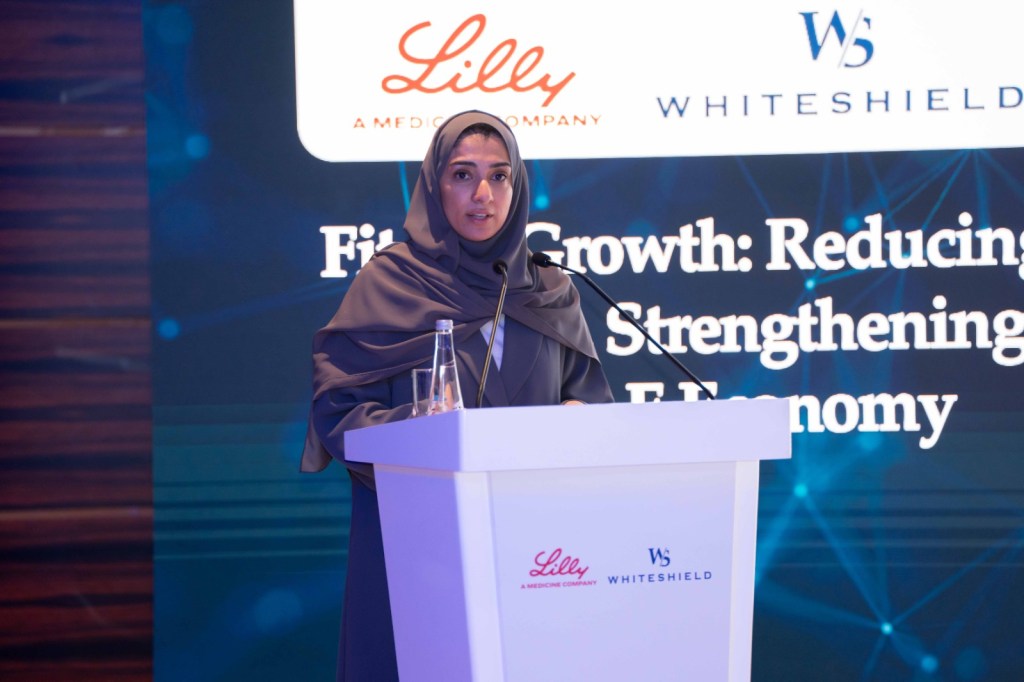
Beyond macroeconomic growth, the findings suggest obesity intervention could fundamentally reshape workforce productivity. Individuals previously living with obesity are projected to gain the equivalent of up to five additional working days annually, while average yearly income could increase by as much as $772 per person.
But the report extends beyond economics and healthcare, framing obesity as a societal issue with ripple effects across demographics, education, and labor participation.
Among its projections: approximately 75,000 additional births by 2031, including 24,000 Emirati births, alongside more than 17,000 additional individuals entering the workforce — among them over 9,000 Emirati women. Researchers also forecast more than 2,000 additional bachelor’s degree enrollments and a 1.4 percent reduction in university dropout rates under the accelerated intervention scenario.
“For too long, obesity studies have been limited to a narrow equation comparing the cost of intervention with the cost of treatment,” said Fadi Fara. “This report reveals, for the first time, the true scale of the benefits generated by weight loss and obesity treatment in the UAE — not only in terms of improving individual health, but also through economic and social benefits and positive impacts on the future workforce.”
“The message is clear: effective obesity treatment policies are not only good health policies, they are also sound economic policies,” he added.
For Leena Aziz, the findings reinforce the need for a broader, cross-sector approach to obesity intervention.
“Obesity is a complex, chronic disease that impacts not only individual health, but also workforce productivity, economic resilience, and long-term national development,” said Aziz. “In the UAE, where obesity remains a significant public health challenge, evidence like this reinforces the need for coordinated, system-wide approaches that extend beyond healthcare alone.”
She noted that while the UAE has already made notable progress in embedding health and wellbeing into its national agenda, the next phase may require deeper integration between prevention strategies, early intervention, and long-term access to care across the healthcare ecosystem.
Built on extensive analysis of the UAE’s health and economic data, the report examines obesity intervention through four interconnected lenses: health, economy, society, and education. Researchers say the findings are intended to provide policymakers, healthcare leaders, and private-sector stakeholders with a stronger evidence base for future-ready policy decisions.
And while the report’s headline projections are tied to an accelerated intervention scenario, Whiteshield emphasizes that even moderate intervention strategies could still deliver measurable improvements across every sector studied — suggesting that the cost of inaction may ultimately extend far beyond healthcare itself.

Mina Vucic • Director of Production and Multimedia, BNC Publishing
Entrepreneur Staff
Mina Vucic is the Director of Production and Multimedia at BNC Publishing, the media house... Read more