The Finance Frontier 2026: Khaldoun Hilal, CEO and Co-Founder, Kama Capital
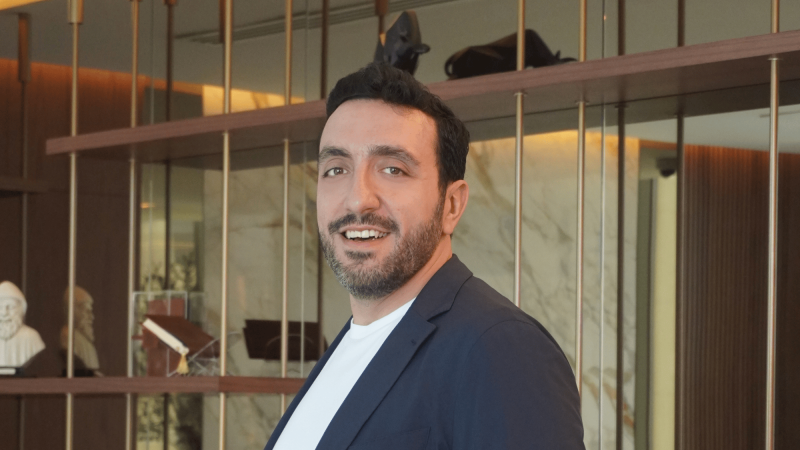
Khaldoun Hilal, CEO and Co-Founder of Kama Capital, discusses how trust, institutional-grade infrastructure, and innovation are reshaping online trading while making advanced financial tools more accessible to retail investors.
Entrepreneur Middle East
You're reading Entrepreneur Middle East, an international franchise of Entrepreneur Media.
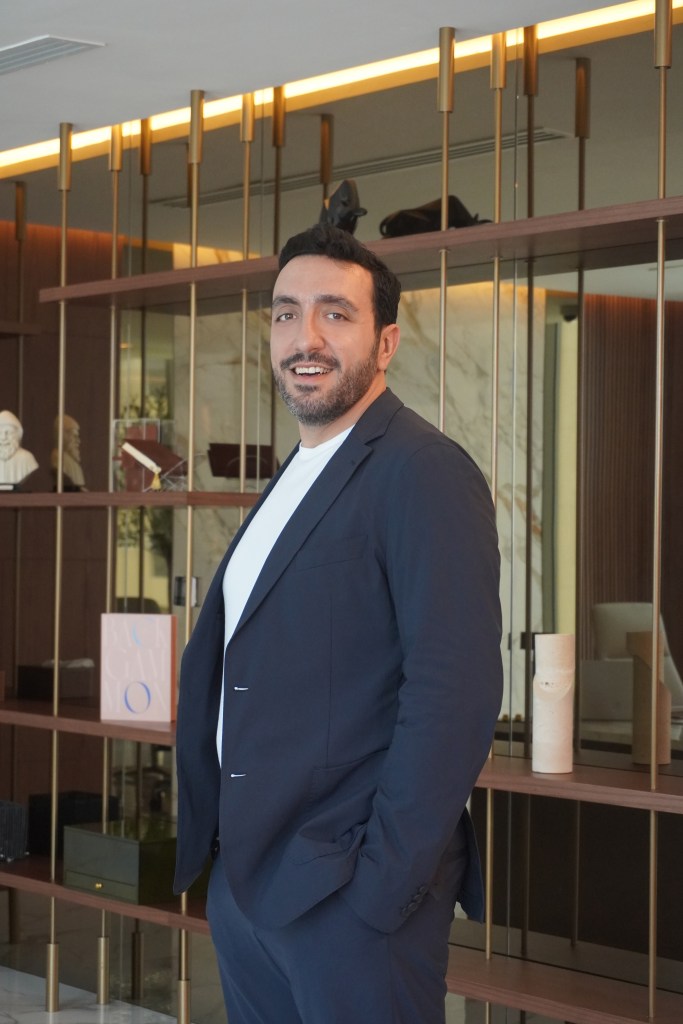
For Khaldoun Hilal, leading a financial company has never been about chasing the latest trend but creating lasting value. As CEO of Kama Capital, a globally regulated online broker, he has built his approach around the infrastructure behind transactions, the culture that shapes teams, and the trust that keeps clients coming back.
“At Kama Capital, every product decision comes back to one question: does this genuinely serve the trader? Does it actually make someone’s trading experience better and more transparent? When that’s your filter, you naturally avoid the kind of reckless innovation that erodes trust,” he says.
After more than 15 years in financial markets, Hilal has witnessed the industry go through waves of change. But amid the constant push for disruption, he believes some of the most important principles remain the same.
Across conversations on market volatility, artificial intelligence (AI), and the future of fintech, Hilal returns to one central idea: the companies that last will be those that consistently deliver on their promises.
“I used to think leadership was about having all the answers. Today, I see it differently,” Hilal says. “I believe leadership is about asking the right questions, listening to your team, and trusting them to find the best solutions.”
“Fintech moves so fast that no one person can know everything. That’s why it’s important to build a strong team, give people responsibility, and create a culture where everyone feels comfortable sharing ideas and challenging the way we think,” he adds. “My job today isn’t to have every answer. It’s to help my team succeed. And when you do that, the results usually speak for themselves.”
One of the biggest shifts Hilal sees shaping the future of finance is the wider availability of institutional-level tools, saying Kama Capital is working to close the gap between large financial institutions and individual traders by making advanced infrastructure more accessible.
“The retail trader was essentially working with inferior tools. We’re changing that. Whether someone deposits US$500 or US$500,000 with Kama Capital, they get the same sub-15 millisecond execution and the same institutional infrastructure. That’s a structural change in how this industry thinks about who deserves the best,” he explains.
According to Hilal, expanding access in finance also depends on having the right systems behind it, the reason why he sees infrastructure as one of the biggest challenges and opportunities in the market.
Building from scratch instead of relying on white-label platforms was a deliberate decision for Kama Capital. Although it required more time and investment, the approach gave the company direct control over its infrastructure and reduced its dependence on third-party technology.
“It was the harder path and the longer one. But it means that today, when we make a promise to a client, we can actually keep it,” he shares.
Hilal credits much of Kama Capital’s growth to the broader fintech ecosystem that has developed in the UAE, describing Dubai as one of the world’s strongest environments for building financial technology companies.
After working across the region for years, he says the difference lies not only in regulation but also in the way government entities and the private sector work together to support innovation.
“The regulators here don’t just make rules—they help build the industry. Whether it’s the UAE regulators, DIFC, or the Central Bank, they’re all working to create an environment where companies can grow,” he says. “That makes a big difference. Instead of spending your time dealing with paperwork and bureaucracy, you can focus on building better products and serving your clients.”
Asked whether market volatility had ever forced him to rethink his strategy, Hilal says a well-designed strategy should withstand changing market conditions.
“I don’t believe volatility should force a strategy change. A solid strategy should be built to accommodate any market condition. If you’re rethinking your entire direction every time markets move, you didn’t have a strategy to begin with,” Hilal explains.
“What volatility does is test your execution. There was a period of intense simultaneous pressure across multiple sessions, the kind of environment where many brokers quietly widen their spreads and slow their fills to protect themselves at the client’s expense,” he adds. “We didn’t do that. Not because we got lucky, but because the infrastructure was built for exactly that moment.”
Concluding the conversation, Hilal says his view of legacy is tied not to recognition, but to building a company that endures.
“I want Kama Capital to always be a company that keeps its promises, serves its clients well, and continues to grow across more markets around the world,” he says.
For Khaldoun Hilal, leading a financial company has never been about chasing the latest trend but creating lasting value. As CEO of Kama Capital, a globally regulated online broker, he has built his approach around the infrastructure behind transactions, the culture that shapes teams, and the trust that keeps clients coming back.
“At Kama Capital, every product decision comes back to one question: does this genuinely serve the trader? Does it actually make someone’s trading experience better and more transparent? When that’s your filter, you naturally avoid the kind of reckless innovation that erodes trust,” he says.
After more than 15 years in financial markets, Hilal has witnessed the industry go through waves of change. But amid the constant push for disruption, he believes some of the most important principles remain the same.

Entrepreneur Middle East Staff
Entrepreneur Staff