Brendan Gow’s Plan for Capital Haus and Global Wealth Management
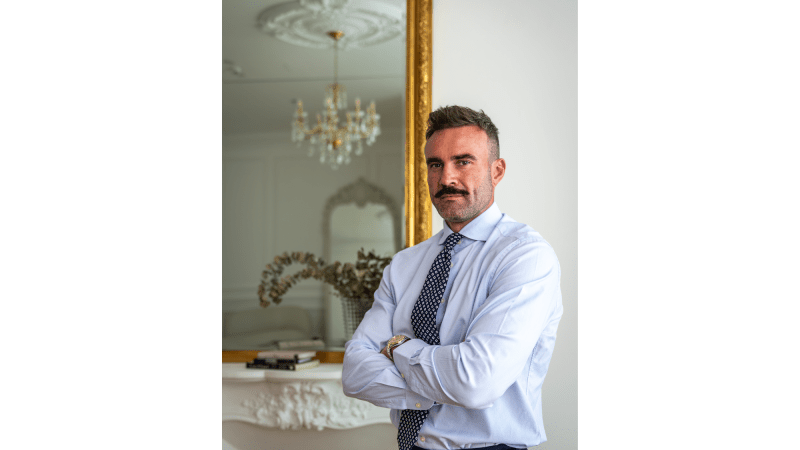
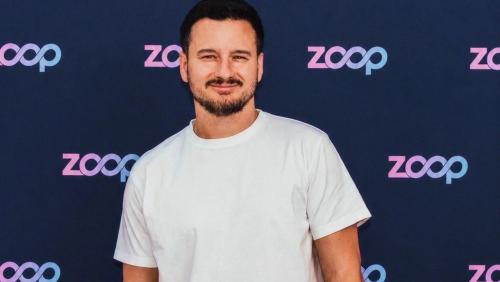
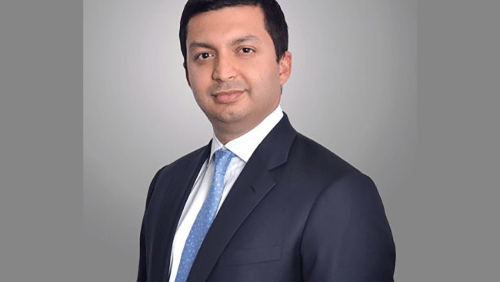
Brendan Gow
You're reading Entrepreneur Middle East, an international franchise of Entrepreneur Media.
In wealth management, scale is easy to announce and difficult to trust. Firms can grow assets, acquire clients, and expand into new markets, but the real test is whether the relationship with the client becomes stronger or more distant along the way. Brendan Gow built Capital Haus around that question.
Since its founding in Sydney in 2019, the firm reports growing from 15 clients and about $5 million in assets under management to approximately $1.2 billion in funds across roughly 7,000 clients and 65 staff. The numbers give weight to the larger question behind the business: can a wealth firm scale without losing the closeness that made clients trust it in the first place?
Brendan’s view was shaped by two decades in private wealth management, stockbroking, and investment management, where he saw a recurring problem: many wealth businesses were organised around their own commercial interests before the client’s.
That observation became the starting point for Capital Haus. Brendan wanted to build a business around a more involved relationship between advisor and client, one where transparency, personal connection, and participation in decision making were not treated as extras.
The phrase used inside the business captures the point clearly: “do it with you, not do it for you.” In a market where many clients feel removed from the management of their own money, that distinction matters. It positions advice as a relationship rather than a transaction, and service as something measured by clarity as much as by performance.
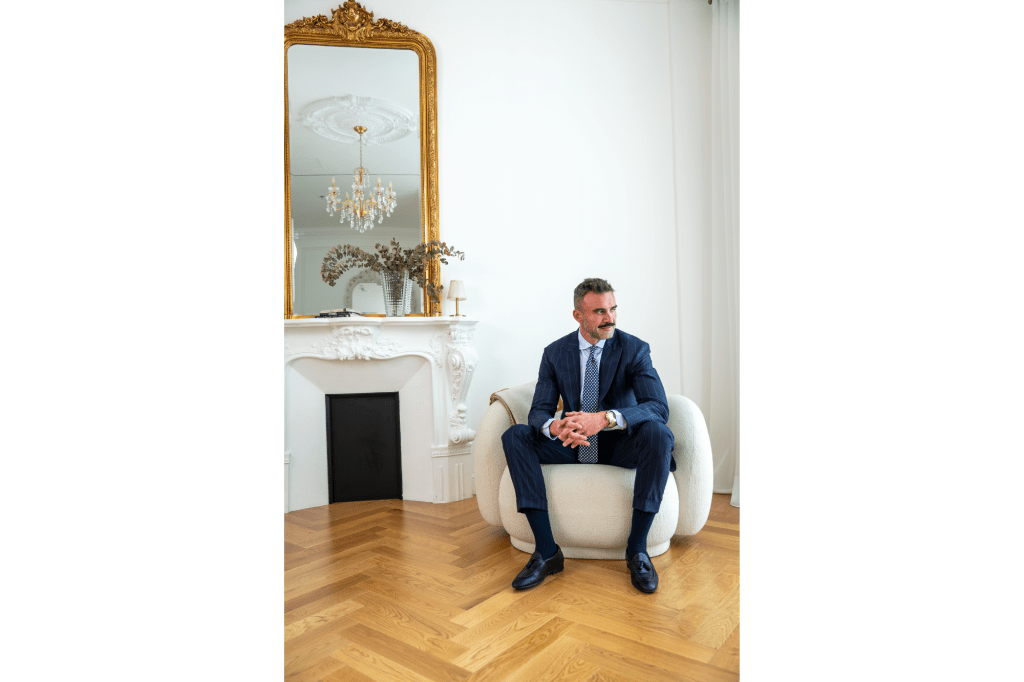
Today, Capital Haus has become a diversified financial services group spanning stockbroking, private wealth management, financial advice, portfolio management, funds management, accounting, corporate advisory, corporate finance, research, media, and philanthropy. The more useful lesson is how the company chose to grow.
One early challenge was client acquisition. Brendan had experience, but after years abroad, he was rebuilding his local client base in Sydney. The turning point came when a United Kingdom-based funds management company offered to acquire a stake in Capital Haus. The offer was declined, but it sharpened the team’s thinking. Rather than sell into someone else’s structure, Capital Haus pursued growth through mergers and acquisitions.
The first acquisition was funded through existing cash flow. It reports tripling assets under management and increased revenue. That decision created a growth model: use acquisitions to build scale, then invest in technology and infrastructure to support the next stage.
The December 2025 acquisition of Baker Young, a 40-year-old Australian private wealth firm, was another step. Capital Haus was selected ahead of more established firms, including institutions with longer histories. According to the company, the decision was driven not by price, but by brand, story, and vision.
Capital Haus now operates from Australia, has offices in Luxembourg and Dubai, and is developing Singapore and London as future locations. Its founding philosophy, Global Vision Local Insight, is not only a slogan for expansion. It reflects Brendan’s belief that wealth advice becomes weaker when it is too domestically narrow for clients whose assets, families, businesses, and opportunities are international.
This is particularly relevant in the Middle East. Dubai has attracted significant interest from founders, family offices, and internationally mobile capital. With a wider range of firms in the mix, regulatory standing becomes more than a box to check. It is one of the factors that can help establish trust.
For Brendan, the Dubai opportunity is not only about geography. It is about fit. The region rewards ambition, but it also demands seriousness from firms that want long-term relevance. Capital Haus is entering that market with Australian heritage, offshore experience, and a formal regulatory footing, rather than expansion language alone.
The company has also built unusual infrastructure for a financial services firm. Its in-house media division, IHM, gives Capital Haus a distribution capability most advisory businesses do not own. Its technology approach reflects a preference for ownership, with proprietary and white-label platforms supporting scale.
These details matter because the next phase of private wealth management is unlikely to be driven by asset gathering alone. It will likely favor firms that aim to integrate trust, regulation, technology, advice, and client relationships in a way that feels both institutional and personal.
Capital Haus is not trying to be the loudest name in wealth management. Its bet is more disciplined: that the next generation of private clients will expect global access, regulatory depth, digital capability, and personal trust from the same firm. Brendan Gow’s challenge now is not simply to keep growing. It is to prove that a wealth business can scale without losing the closeness that made clients trust it in the first place.
In wealth management, scale is easy to announce and difficult to trust. Firms can grow assets, acquire clients, and expand into new markets, but the real test is whether the relationship with the client becomes stronger or more distant along the way. Brendan Gow built Capital Haus around that question.
Since its founding in Sydney in 2019, the firm reports growing from 15 clients and about $5 million in assets under management to approximately $1.2 billion in funds across roughly 7,000 clients and 65 staff. The numbers give weight to the larger question behind the business: can a wealth firm scale without losing the closeness that made clients trust it in the first place?
Brendan’s view was shaped by two decades in private wealth management, stockbroking, and investment management, where he saw a recurring problem: many wealth businesses were organised around their own commercial interests before the client’s.

Entrepreneur Middle East Staff
Entrepreneur Staff