MENA Investors’ Forecasts for 2018: Issa Aghabi, Investment Officer – VC, IFC
You're reading Entrepreneur Middle East, an international franchise of Entrepreneur Media.
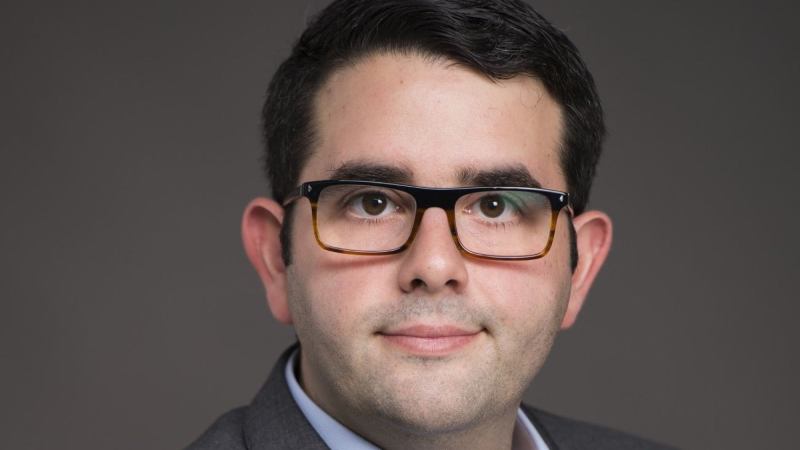
We picked the brains of investors looking at the Arab world for their expectations of the MENA entrepreneurial landscape in 2018, and their thoughts on sectors that we should keep an eye on next year. Here’s what Issa Aghabi, Investment Officer – Venture Capital, International Finance Corporation, World Bank Group, told us.
“I believe 2018 will be a record year for early-stage VC investment in the Middle East. This will be driven by a stronger private sector funding landscape via the growth of the deployable capital within venture funds as well as the growing involvement of family offices and governmental funding initiatives. We should expect a significant number of startups getting funded across the value chain. There will also be a strong demand from international funds and tech players in the region– either through mega investments in regional leaders and/or acquisitions. This alongside family offices joining the bandwagon to help protect their existing traditional businesses through an increase in direct investments and/or acquisitions.
Secondly, we will witness a more dynamic ecosystem characterized by (1) Jordan and Egypt, which have been relatively dormant for the past few years, being put on the tech map again. This specifically relates to entrepreneurs using those markets to test and launch businesses -with novel/disruptive business models/tech- that will quickly grow and become regional relevant players, (2) the birth of the Saudi entrepreneurs, (3) the opening of the Moroccan and Tunisian ecosystem leading to a strong influx of entrepreneurial activity.
Thirdly, the need for tech talent will be on the rise, and be the main challenge for all. I also think that a large number of acquihires will take place to help fuel regional startups growing need for talent. Lastly, strong competition amongst the various players that will lead to an unrealistic increase in valuations. This increase will be short-lived, due to a push to a more scientific process (rather than herd mentality) based on performance/results. When it comes to sectors [that could be challenging], I would say fintech’s overall legal infrastructure is not conducive for the growth of this space. There are a lot of positive efforts taking place, but it will take time for this to change. Stronger push by entrepreneurs to break out of the norm and find innovative solutions is needed. Then, relating to tech innovation, there is no R&D support in the MENA region and therefore limited disruptive tech businesses. Support from governments and educational institutions is needed to catalyze the R&D space.”
Related: MENA Investors’ Forecasts for 2018: twofour54’s Asma Al Qaseer and Dana Horska
We picked the brains of investors looking at the Arab world for their expectations of the MENA entrepreneurial landscape in 2018, and their thoughts on sectors that we should keep an eye on next year. Here’s what Issa Aghabi, Investment Officer – Venture Capital, International Finance Corporation, World Bank Group, told us.
“I believe 2018 will be a record year for early-stage VC investment in the Middle East. This will be driven by a stronger private sector funding landscape via the growth of the deployable capital within venture funds as well as the growing involvement of family offices and governmental funding initiatives. We should expect a significant number of startups getting funded across the value chain. There will also be a strong demand from international funds and tech players in the region– either through mega investments in regional leaders and/or acquisitions. This alongside family offices joining the bandwagon to help protect their existing traditional businesses through an increase in direct investments and/or acquisitions.
Secondly, we will witness a more dynamic ecosystem characterized by (1) Jordan and Egypt, which have been relatively dormant for the past few years, being put on the tech map again. This specifically relates to entrepreneurs using those markets to test and launch businesses -with novel/disruptive business models/tech- that will quickly grow and become regional relevant players, (2) the birth of the Saudi entrepreneurs, (3) the opening of the Moroccan and Tunisian ecosystem leading to a strong influx of entrepreneurial activity.
Thirdly, the need for tech talent will be on the rise, and be the main challenge for all. I also think that a large number of acquihires will take place to help fuel regional startups growing need for talent. Lastly, strong competition amongst the various players that will lead to an unrealistic increase in valuations. This increase will be short-lived, due to a push to a more scientific process (rather than herd mentality) based on performance/results. When it comes to sectors [that could be challenging], I would say fintech’s overall legal infrastructure is not conducive for the growth of this space. There are a lot of positive efforts taking place, but it will take time for this to change. Stronger push by entrepreneurs to break out of the norm and find innovative solutions is needed. Then, relating to tech innovation, there is no R&D support in the MENA region and therefore limited disruptive tech businesses. Support from governments and educational institutions is needed to catalyze the R&D space.”
Related: MENA Investors’ Forecasts for 2018: twofour54’s Asma Al Qaseer and Dana Horska