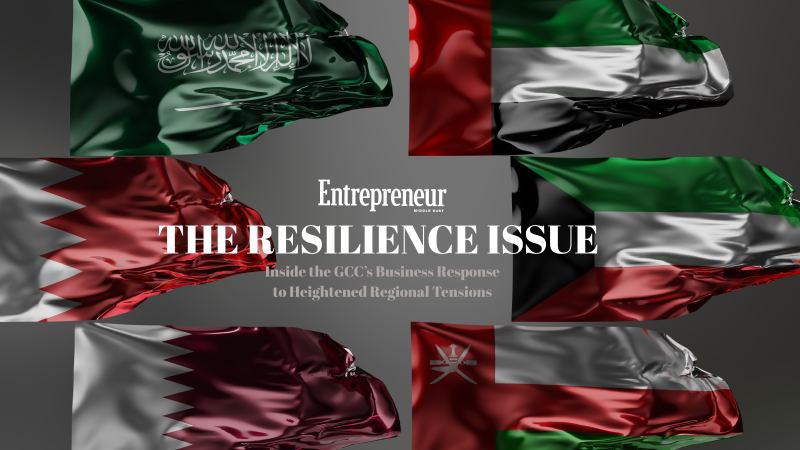
EntME Resilience Issue: Inside the GCC’s Business Response to Heightened Regional Tensions — Live Updates
entme
You're reading Entrepreneur Middle East, an international franchise of Entrepreneur Media.
Despite the uncertainty caused by escalating regional tensions, the GCC’s private sector continues to press ahead.
In this live-updating feature, Entrepreneur Middle East tracks how founders, executives, and operators are navigating real-time challenges—sharing the obstacles they face and the practical solutions keeping their businesses running.
Scroll down to explore our Resilience Playbook—a curated collection of practical insights from GCC-based entrepreneurs navigating challenges on the ground.
“The UAE economy has proven its resilience in absorbing pressures generated by geopolitical and regional challenges,” H.E. Abdulla bin Touq Al Marri, UAE Minister of Economy and Tourism, said during a media briefing with journalists in Abu Dhabi on March 3, 2026.
H.E. Al Marri noted that the country has implemented proactive and flexible policies that have strengthened the economy and improved its ability to withstand external shocks, including past crises such as the COVID-19 pandemic and other regional and global challenges.
The resilience demonstrated by the UAE government is also reflected across the country’s private sector. From the top down, the same spirit of adaptability can be seen from the bottom up, as entrepreneurs navigate the challenges that have emerged since February 28, 2026.
Charlie and Max Lovett
Co-founders , Carabia

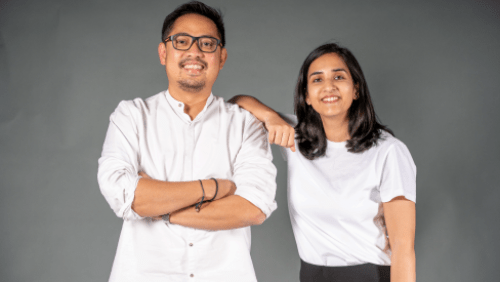
Charlie and Max Lovett, brothers and co-founders of Carabia, a Dubai-based peer-to-peer used car marketplace, shared that the reported AWS data centre fire incident on March 1, caught them in the middle of preparing an updated version of the Carabia platform.
“We made the decision to delay parts of our planned migration and rollout as a precaution,” Charlie says. “While our live platform has remained fully operational, the update timeline has been pushed back while we reassess resilience and sequencing. Separately, we have observed that several competitor automotive marketplaces experienced partial or full outages during this period, which suggests heavier single-point reliance on the same infrastructure layer. We did see a modest increase in inbound traffic while some competitors were down, but nothing materially out of the ordinary – more a temporary redistribution of user activity than a structural demand shift.”
Max said the company adopted an operationally focused approach to maintain stability. He adds, “On the customer side, we leaned more heavily into support and onboarding. We’ve been working closely with private sellers to ensure smooth listing experiences, providing step-by-step guidance and faster moderation to reduce friction during what is understandably a more cautious period for many users.”
“Importantly, we avoided making reactive commercial changes, as underlying marketplace behaviour has remained broadly stable,” they add.
Resilience Playbook: “First, listen to official government guidance and avoid acting impulsively in response to fast-moving headlines. In the GCC especially, markets often remain more stable than initial sentiment suggests. Second, treat infrastructure resilience as mission-critical. Periods like this quickly expose hidden single points of failure, particularly during active migrations or product rollouts.
Jadd Elliott Dib
CEO, PangaeaX
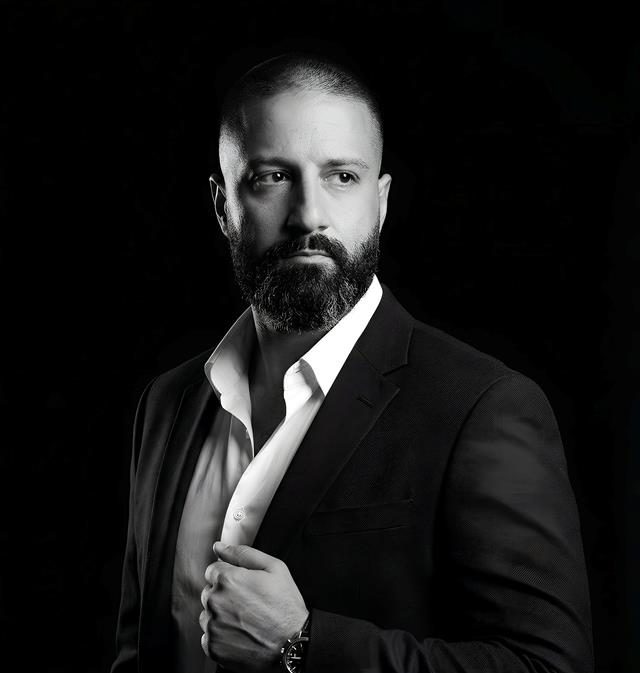
Jadd Elliott Dib, CEO of PangaeaX, a Dubai-based AI-driven platform connecting businesses with freelance data scientists and analysts, says the company was also among the businesses affected by disruptions at the AWS data centre, which took its platform offline for several hours and caused operational and commercial challenges as services were gradually restored over the following 24 hours.
“We were required to pause all marketing campaigns and client activity while systems were being reinstated,” Dib says. “Beyond the short-term disruption, the incident is likely to prompt a broader shift in priorities among governments and large corporations, with increased focus on sectors such as logistics and defence. As a business operating at the intersection of technology and innovation, we are therefore reassessing our sector focus and strategic positioning in response.”
The company has remained in close coordination with the AWS team to prioritize critical server infrastructure and accelerate the restoration of our core products and services.
“Looking ahead, we will continue to reassess the evolving landscape over the coming days and weeks,” Dibs says. “Given the fluid nature of the situation, our strategic focus may need to adapt quickly depending on how conditions develop. Even once stability is restored, we anticipate a broader regional recovery phase, which we will factor into our operational and commercial planning.
Resilience Playbook: “The key is not to be afraid to pivot. Market conditions can shift rapidly, and businesses must retain the agility to adapt without overcorrecting or reacting impulsively. Strategic flexibility, grounded in data and clear scenario planning, is essential in times of uncertainty.
“Equally important is patience. Decisions should be driven by long-term logic rather than short-term emotion. For entrepreneurs, this means maintaining focus, continuing to build value and strengthening fundamentals while preparing for multiple contingencies. Having well-defined Plan B, C and even D strategies is not a sign of pessimism, but of prudent leadership, with the hope, of course, that they remain precautionary rather than necessary.”
Ahmed Abdulhakeem
Founder and CEO, The Lab Holding
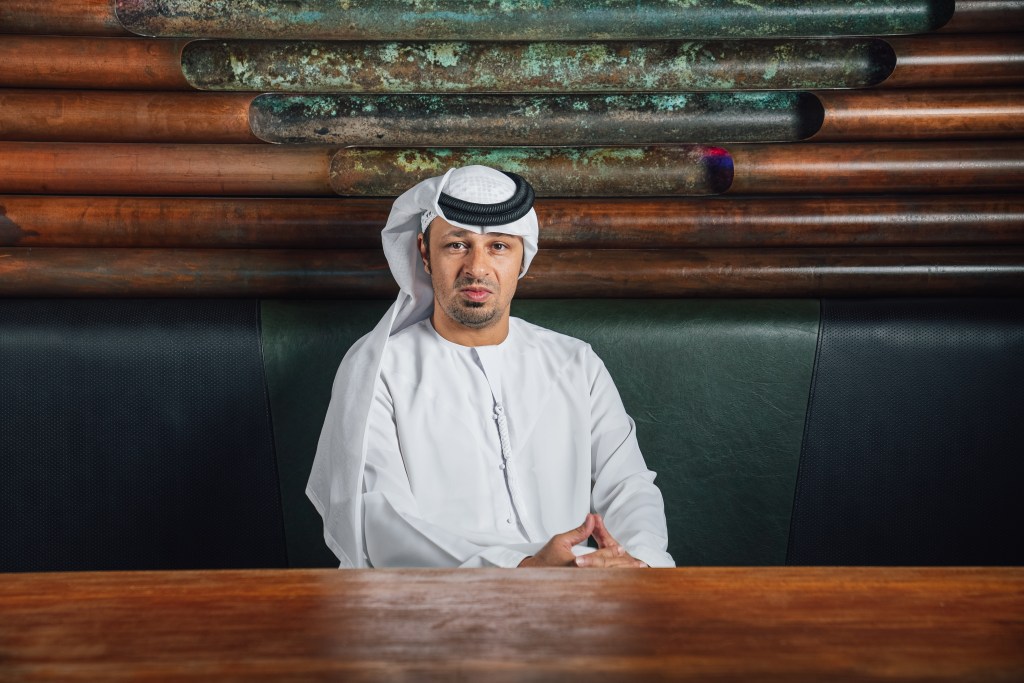
As founder and CEO of The Lab Holding, a Dubai-based hospitality group behind some of the city’s best-known restaurants, Ahmed Abdulhakeem says he remains unfazed by a slight slowdown in walk-ins since February 28, 2026, as people initially tried to understand what was happening. “For some residents and visitors, it was the first time they were hearing or experiencing sounds related to security activity in the country, which naturally created some hesitation among people,” Abdulhakeem says. “However, what stood out was how quickly confidence returned. The response and communication from the UAE leadership and authorities were very clear, calm, and reassuring. Within a few days, businesses started returning to their usual rhythm. Guests began going out again, dining, and supporting local venues. Today, things are already moving back toward normal patterns.”
On a broader level, he says the moment reinforced the strong sense of trust entrepreneurs have in the UAE. “For some people, this was the first time they experienced something unusual happening locally,” Abdulhakeem says. “But at the same time, they witnessed how the UAE leadership and institutions respond with calm, organization, and a clear focus on safety. This response created an even deeper sense of confidence among residents and business owners.”
Resilience Playbook: Moments like this remind entrepreneurs to stay grounded. The most important thing is not to react emotionally but to stay focused on your fundamentals: your team, your guests, and your operational discipline.
Situations can arise anywhere in the world, but when you operate in a country with strong leadership, clear systems, and a stable environment, recovery happens quickly. For many of us, this experience simply reinforced why the UAE continues to be one of the most reliable and supportive places in the world to build and grow a business.
Nadiya Albishchenko
Founder, INAS EXIM
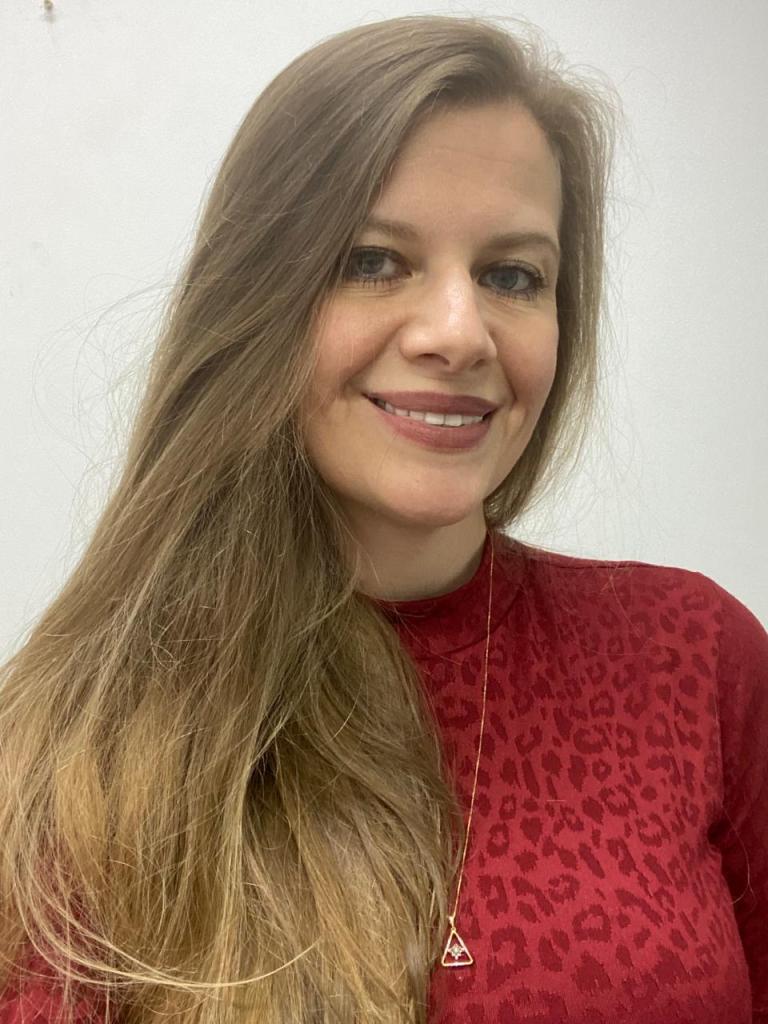
Nadiya Albishchenko, founder of INAS EXIM, a Sharjah-based international trade and sourcing company, says the escalation had a direct impact on one of the company’s shipments. On February 26, INAS EXIM dispatched a container of frozen food products from Odesa, Ukraine, bound for Jebel Ali in the UAE. While the shipment had already been confirmed and the Bill of Lading issued, the company received an unexpected notice on March 2 from the shipping line introducing a US$4,000 war-related surcharge per container due to heightened security risks in the Arabian Gulf and Strait of Hormuz.
Albishchenko explains that the challenge was that the notification arrived after the shipment had already departed under previously agreed freight terms, creating operational and contractual uncertainty. The carrier informed Albishchenko that the container would be discharged in Khor Fakkan and moved inland to Jebel Ali, adding further transportation costs. If the revised conditions were not accepted, the container would be returned to origin.
“Because the cargo consists of frozen food products that are part of regular supply flows into the UAE market, rejecting the shipment was not a practical option,” Albishchenko says. “Maintaining continuity of supply was the priority. We therefore continued negotiations with the carrier while securing confirmation that if shipping routes normalize and regional restrictions are lifted, the shipment could potentially be redirected without the additional surcharge.”
Resilience Playbook: “For businesses involved in international trade, especially in food supply chains, the key lesson is that logistics conditions can change overnight during geopolitical disruptions. Entrepreneurs should pay close attention to the contractual terms governing shipments and maintain constant communication with carriers and logistics partners. Even when freight terms appear fixed, external events can lead to operational changes that require quick decisions.”
“Equally important is to build flexibility into supply chains wherever possible. Diversified logistics routes and contingency planning can help reduce disruption when unexpected geopolitical events affect transport corridors.”
Katy Keenan
CEO, British Chamber of Commerce Dubai (BCCD)
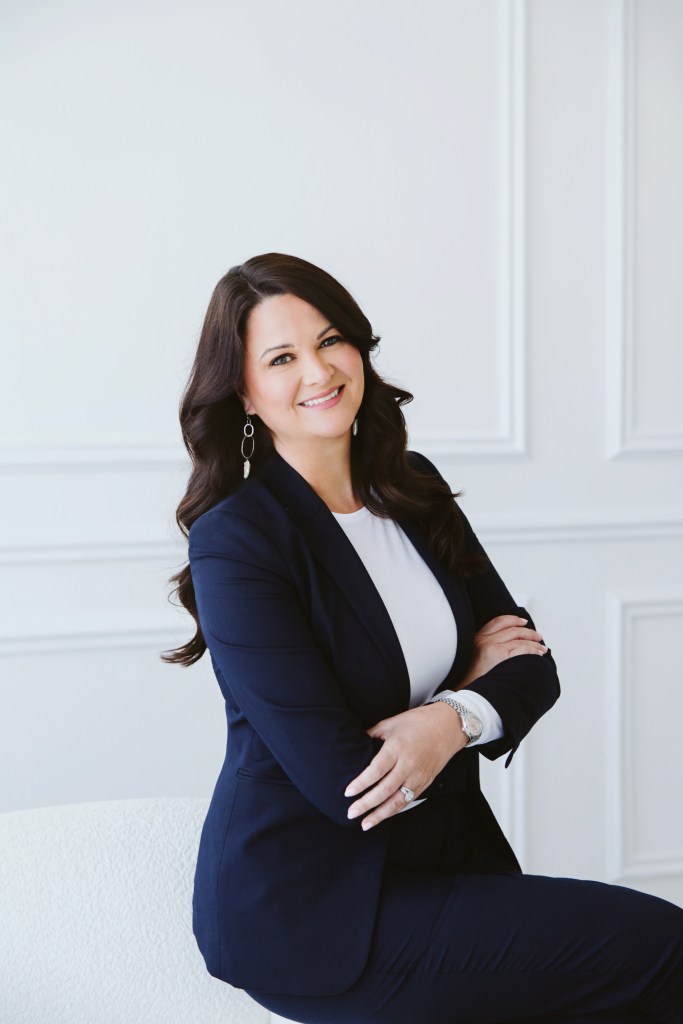
For Katy Keenan, CEO of British Chamber of Commerce Dubai (BCCD), a not-for-profit business group for UK-based or interested companies and individuals in Dubai and the region, the government-mandated instructions to stay indoors during heightened attack alerts meant rescheduling planned events.
“We very swiftly worked to postpone all events and our flagship Annual Golf Day which was scheduled for Thursday as a fully registered and sponsored event has been rescheduled for May,” she says. “It was an immediate decision, and we worked with stakeholders to ensure this was done smoothly with the options to transfer to the new date. We are very grateful to Dubai Creek Golf Club who showed great empathy by agreeing to move the event to May. We also carefully reviewed the communications to all audiences as we were aware that there would be a diverse reaction so early on into the situation with many thinking we had been too cautious. As we know now, it was the right course of action.”
Keenan references the crisis communications lessons that were learnt during the COVID-19 pandemic as particularly helpful in this situation. “Just as we did through the pandemic we are focusing on clear, concise and compassionate communication,” she adds. “We are utilising our weekly update with 8K+ subscribers to reach those in the UAE and those in the UK with a personal or business interest in the UAE with timely updates from authoritative sources as well as inviting and spotlighting useful advice from our members on resilience, cyber crime prevention, insurance and parenting. We are also reaching out to our stakeholders and working closely with the British Embassy, FCDO, the Department for Business and Trade and Dubai Chamber. We are also in close contact with the British Chambers of Commerce in the UK, who are looking to support British businesses based in the UAE from the UK.”
Resilience Playbook: “People will have a heightened response to any communication that is not authentic and appears to be profiteering. I would urge marketeers to really consider their messages at this time as they have the potential to make or break their brand and its integrity.”
Ashok Kumar
Founder and Managing Director, Cruise Master
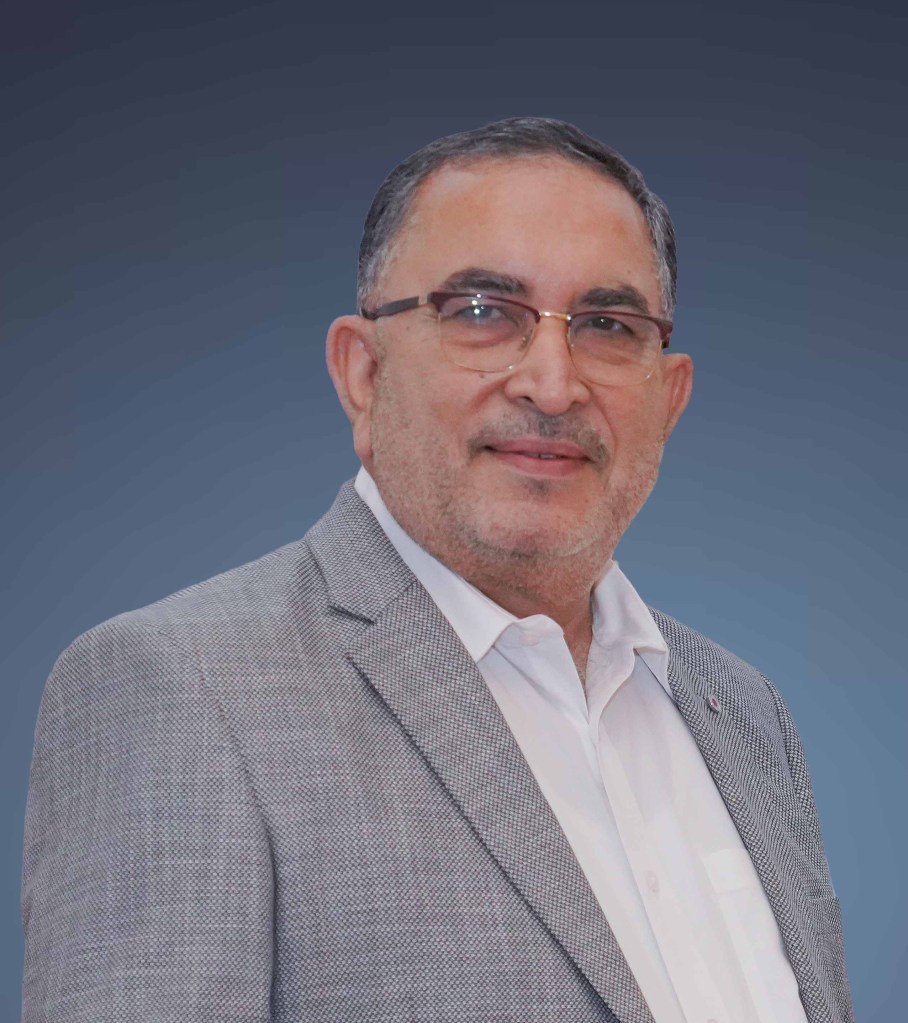
While airspaces were the most obvious routes of transport to be affected by the regional tensions, the water channels quietly felt the impact early on too. Cruise Master, a Dubai-based B2B cruise agency with over four dozen cruise lines in its portfolio, was one such company. “Cruise Master works closely with international cruise lines that deploy ships in the Arabian Gulf during the winter cruise season, typically from November through March,” explains founder and Managing Director Ashok Kumar. “Operations in the Gulf continued smoothly until February 28, when the escalation involving Iran, Israel, and the United States created immediate uncertainty across the region. On that same day, one of the operators, MSC Cruises’ MSC Euribia had guests embark in Dubai, but the ship remained in port rather than sailing its scheduled itinerary. Passengers stayed onboard and continued enjoying the ship’s facilities until their originally planned disembarkation date on March 7.”
“Geopolitical developments can influence business sentiment very quickly, even when the operational impact may be limited,” Kumar adds.
But the road ahead is promising, he notes. “Long-haul cruise bookings for the upcoming summer season continue to progress normally, and so far, the regional tensions have not significantly affected forward booking trends,” Kumar says. “The Arabian Gulf has developed into an important winter cruise destination over the past decade, and the willingness of cruise lines to deploy ships here, even at significantly higher operational cost, reflects the long-term confidence the industry has in the region.”
Resilience Playbook: “First, rely on verified information from trusted partners rather than reacting to speculation or social media narratives. Second, communicate proactively with customers and partners. Even when the message is simply that operations remain unchanged, timely updates help maintain confidence. Finally, maintain operational flexibility. External events are beyond any business’s control, but having strong partnerships and clear communication channels allows organizations to respond calmly and effectively when circumstances change.”
Sonia Gokhale
Co-founder and General Partner, VentureSouq
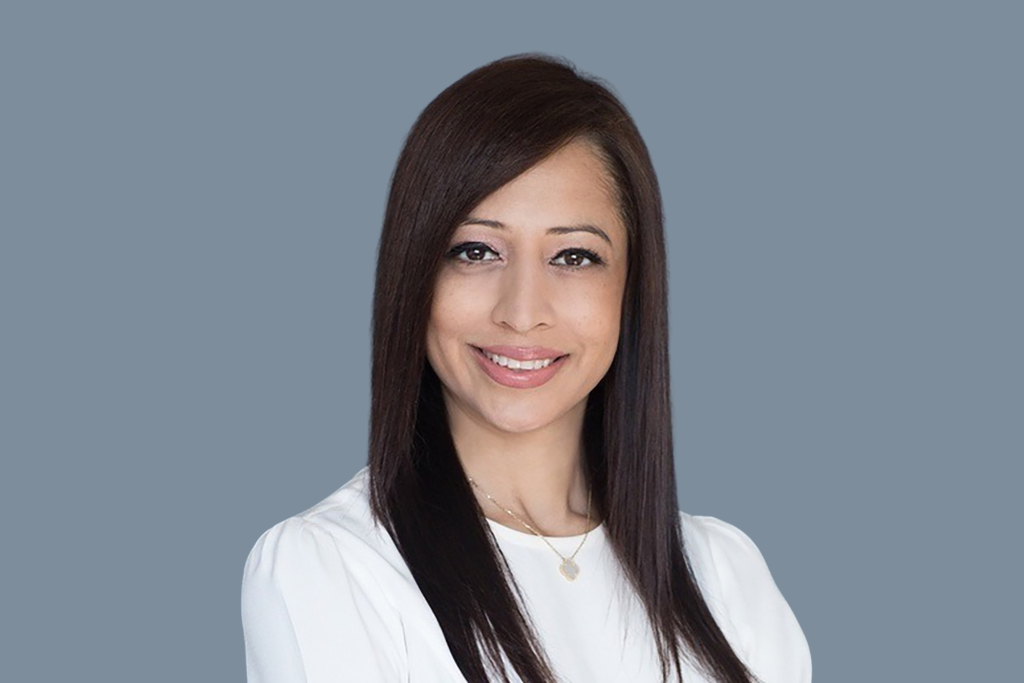
Sonia Gokhale, co-founder and General Partner at VentureSouq, says that although the fund invests in early-stage technology companies, “ultimately, the most important assets we invest in are people: the founders building these businesses.” She adds that in recent weeks many founders and their teams have navigated significant uncertainty, with leaders managing heightened anxiety and stress while making clear-headed decisions for their companies. “Despite occasional disruptions, the vast majority of companies adapted quickly and continued running their businesses.”
What has stood out most, she notes, is the resilience of founders across the region. “The UAE and the broader GCC have long demonstrated an ability to maintain stability and continuity in the face of regional uncertainty. That same spirit of resilience is clearly reflected in the founders and companies we work with.”
Resilience Playbook: “Our immediate priority was staying close to our founders. We initiated regular check-in calls to hear directly from them – not only about business operations, but also about how they were personally managing the situation. In times like these, one of the most valuable things an investor can provide is not just capital or strategic advice, but a calm and steady presence. My advice for entrepreneurs is to lean on your community. The UAE startup ecosystem is uniquely well-connected and supportive—make use of it.”
Anelle Bakitzhanova
Co-founder, Minoa

Dubai-based sustainable home textile brand Minoa’s latest shipment of sustainable bedding collections was recently caught in the Strait of Hormuz disruption. “But we didn’t wait around,” says co-founder Anelle Bakitzhanova. “We got on the phone with affected clients personally and offered alternative designs from our available collections. Where that wasn’t enough, we made the call to airfreight new shipments and we absorbed the full cost ourselves. We didn’t raise a single price.”
Bakitzhanova and the Minoa team found respite through the UAE government’s response during the crisis. “When the airspace closed on February 28, it could have completely paralyzed us. But when the authorities began partially reopening operations on March 2, cargo and essential freight were among the first priorities, even before full commercial flights resumed,” Bakitzhanova says.
“That decision made a real difference for Minoa. It meant we could actually get our airfreighted shipments through once operations partially resumed, rather than being stuck indefinitely. Without that prioritization of cargo at Dubai’s airports, our plan to absorb the cost of airfreight and keep serving our clients would not have been possible.”
Bakitzhanova then notes it is the UAE’s broader business environment that allows brands to remain resilient during disruption. “The economic stability, the logistics infrastructure, the ease of doing business here, none of that disappeared overnight. Our client base remains engaged, people are still furnishing their homes, still choosing quality, and that resilience comes from the foundations the government has put in place over years.”
Resilience Playbook: “If I could share one thing with fellow entrepreneurs, it would be this: know your non-negotiables before the crisis hits. For us, it was never going to be an option to compromise on sustainability or push costs onto our customers during a difficult time. That clarity made every decision faster.”
Tehzeeb Ahmed
Managing Partner, Buzzy Bee Communications
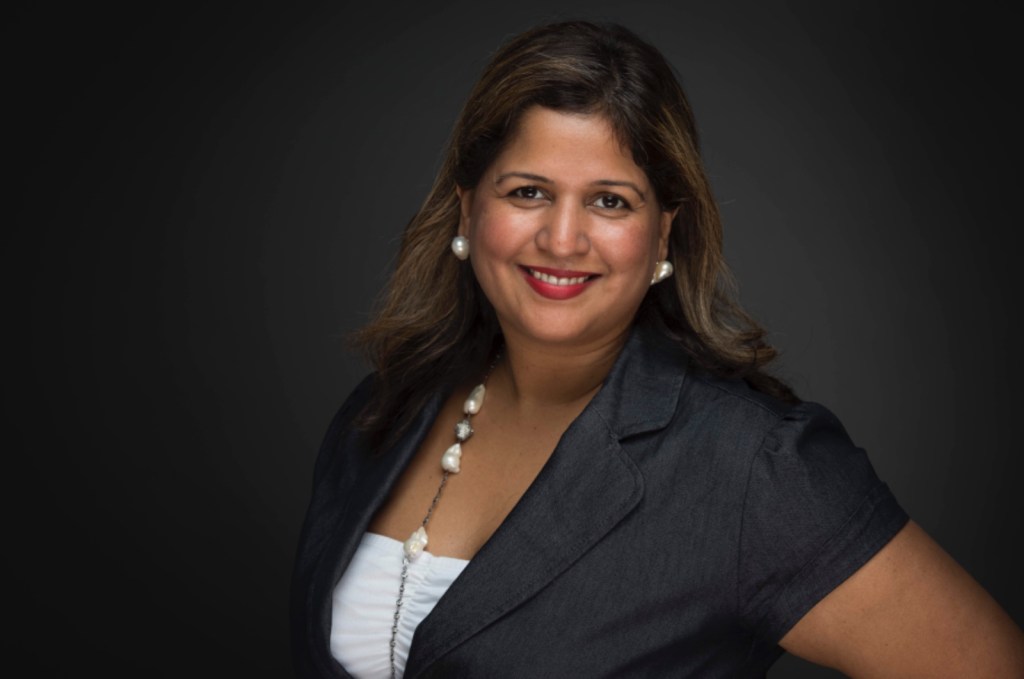
Tehzeeb Ahmed, Managing Partner at Buzzy Bee Communications, says the recent developments forced the sudden postponement of two major events her team had been organizing. Both events were called off despite venues, permits, and marketing already secured and more than 100 facilitators and vendors onboarded. Ahmed says the decision was difficult but necessary, requiring the team to notify stakeholders and begin issuing refunds while managing expectations across partners, vendors, and ticket holders. “From an operational perspective, the biggest lesson has been how quickly circumstances can change, and how important it is to remain calm and transparent with everyone involved,” she says. “In moments like these, communication becomes the most important tool you have. People understand uncertainty, what they need is honesty and clarity.”
Resilience Playbook: “My advice to fellow entrepreneurs would be threefold. First, always plan for contingency, particularly when working with large events or complex logistics. Second, communicate early and openly with your stakeholders as it builds trust even in difficult situations. And finally, try not to make decisions out of panic. Taking a moment to assess the bigger picture can often help you respond with greater responsibility and care.”
George Hojeige
Group CEO, Virtuzone – an Ascentium company
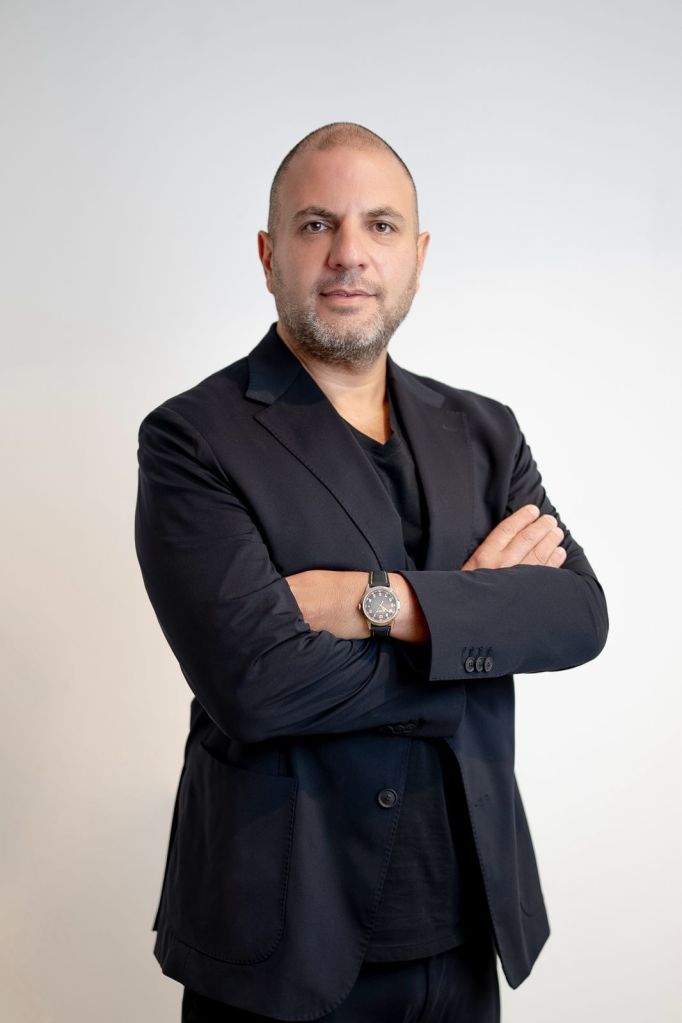
As the Group CEO of Virtuzone, an Ascentium company and one of the region’s fastest-growing business setup operators, George Hojeige says his team quickly adapted to the current situation in the region by providing remote support to clients worldwide.
Lead with resolve and your team will follow. The strongest entrepreneurs are those who step up, protect their foundations, and act decisively when others hesitate.
“We aim to enable them to continue launching businesses, renewing licenses and visas, and staying compliant wherever they are,” Hojeige says. “Our team remains ready to support them as circumstances evolve.”
Resilience Playbook: “In times of regional uncertainty, resilient businesses don’t pause — they adapt, support their customers, and build the foundations for the next wave of growth.”
Related: Entrepreneur Middle East Calls on GCC Business Leaders to Share Crisis Playbooks
Despite the uncertainty caused by escalating regional tensions, the GCC’s private sector continues to press ahead.
In this live-updating feature, Entrepreneur Middle East tracks how founders, executives, and operators are navigating real-time challenges—sharing the obstacles they face and the practical solutions keeping their businesses running.
Scroll down to explore our Resilience Playbook—a curated collection of practical insights from GCC-based entrepreneurs navigating challenges on the ground.

Entrepreneur Middle East Staff
Entrepreneur Staff