A New Point of View: How Seven UAE Small Business Founders Rethought Resilience Amid Regional Uncertainty
As businesses across the Middle East navigate the economic aftershocks of regional uncertainties, the stories of these UAE-based small business founders reflect a quiet shift within the nation: resilience is no longer a reactive measure, but built into the core of how businesses are designed and scaled.
You're reading Entrepreneur Middle East, an international franchise of Entrepreneur Media.
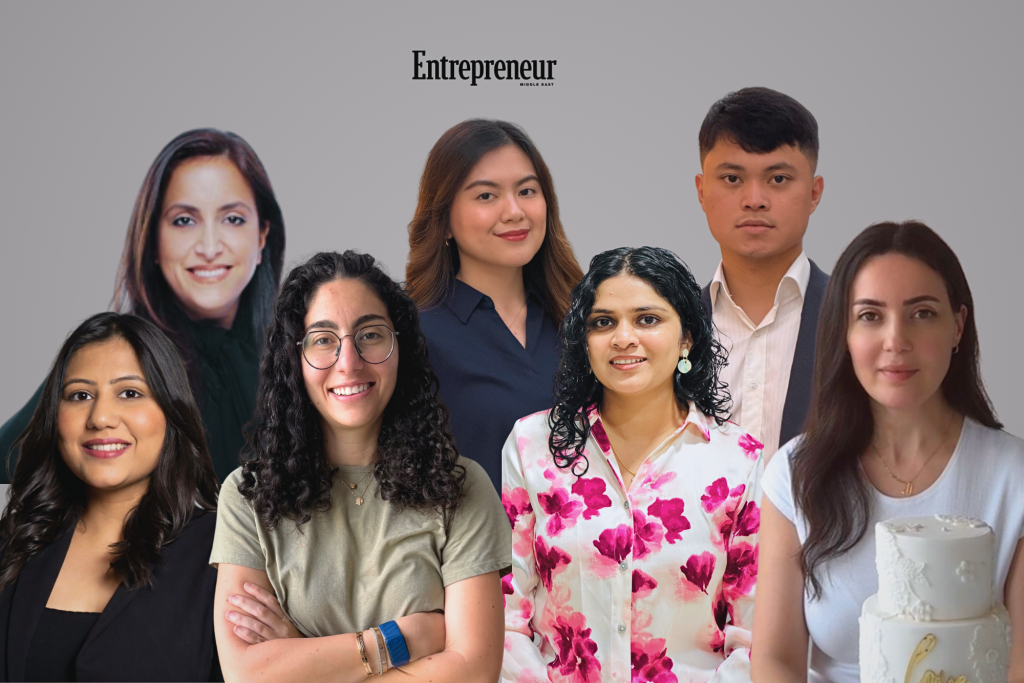
In early March 2026, four simple words from UAE President H.H. Sheikh Mohamed bin Zayed Al Nahyan —”we will emerge stronger” — set at ease an entire nation that was coming to terms with unforeseen regional volatilities. In a striking example of how a country’s leadership shapes the collective mindset of its people, I found that all the UAE-based small business owners I reached out to for this story shared the same sentiment about the futures of their own brands – the words uttered either verbatim, or as slightly different renditions of the same line. But upon looking deeper, it is clear that such confidence isn’t superficial, but more a result of proactive business strategies intentionally honed over time.
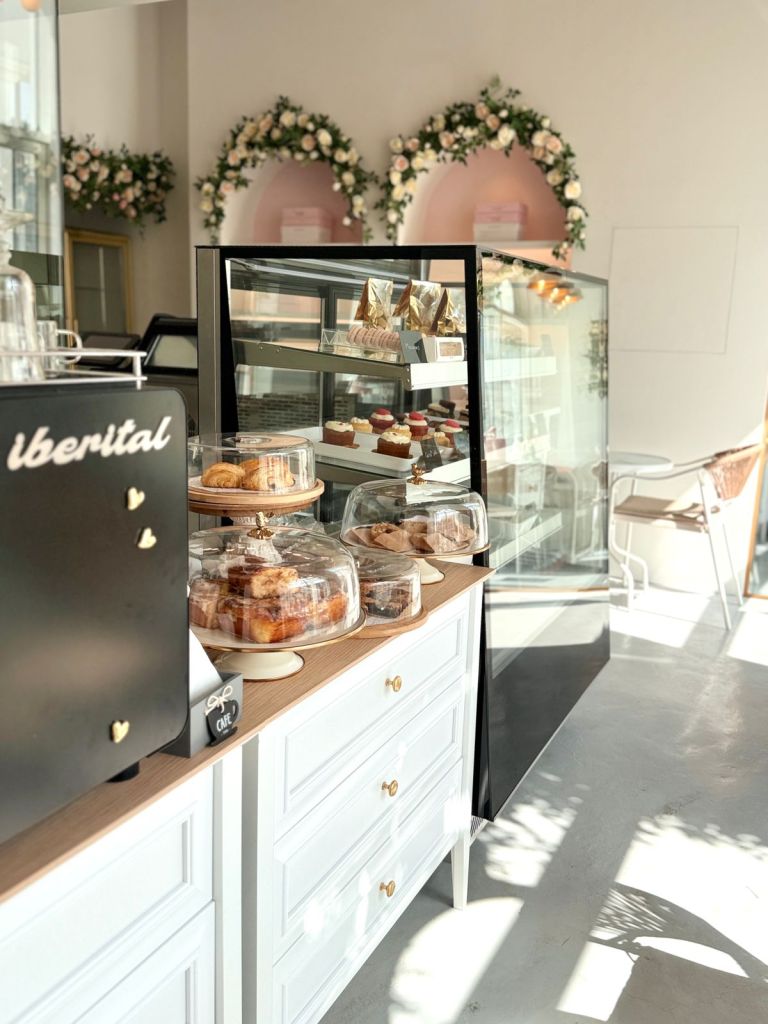
Take Zein Fayek, for example, who founded boutique cake studio La Torta By Zein in Syria in 2016 and launched in the UAE in just January this year. La Torta By Zein had been operational in the UAE for just over a month when the February 28 disruptions began – but as an entrepreneur who has led her business through not just the COVID-19 pandemic but also displacement during the nearly 14-year-long Syrian civil war, Fayek was prepared. “My understanding of resilience has changed significantly – it is no longer about pushing harder, but about adapting quickly and managing uncertainty with clarity,” Fayek says. “Operating in volatile environments taught me that flexibility is more important than control, and I developed the ability to continue working without guaranteed outcomes. These experiences strengthened my mindset and prepared me for ongoing challenges. Today, resilience means staying consistent, making thoughtful decisions under pressure, and continuing to build with purpose—even when results are not immediately visible. As such, I believe La Torta will emerge stronger from this period. These challenges have pushed me to refine operations, strengthen positioning, and become more strategic.”
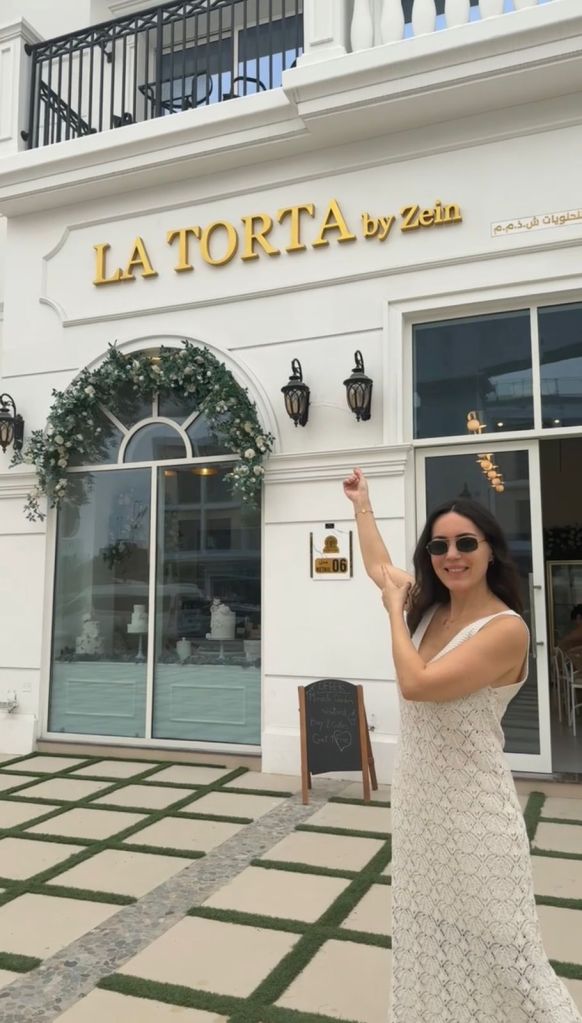
Fayek notes that low footfall, rising costs, and external factors affecting consumer behavior were the three main financial pain points she faced in the immediate aftermath of the crisis. “Without large financial buffers, I focused on operational efficiency and flexibility,” she says. “I reduced waste, adjusted production volumes, and prioritized products with consistent demand. Diversification was also key. I introduced smaller, more accessible items, explored B2B opportunities, and strengthened my presence on delivery platforms to increase reach. At the same time, I remained open to adjusting pricing, menu structure, and sales channels based on performance. Contingency planning became practical—being ready to pivot quickly and manage resources carefully has been essential in maintaining stability during uncertainty.”
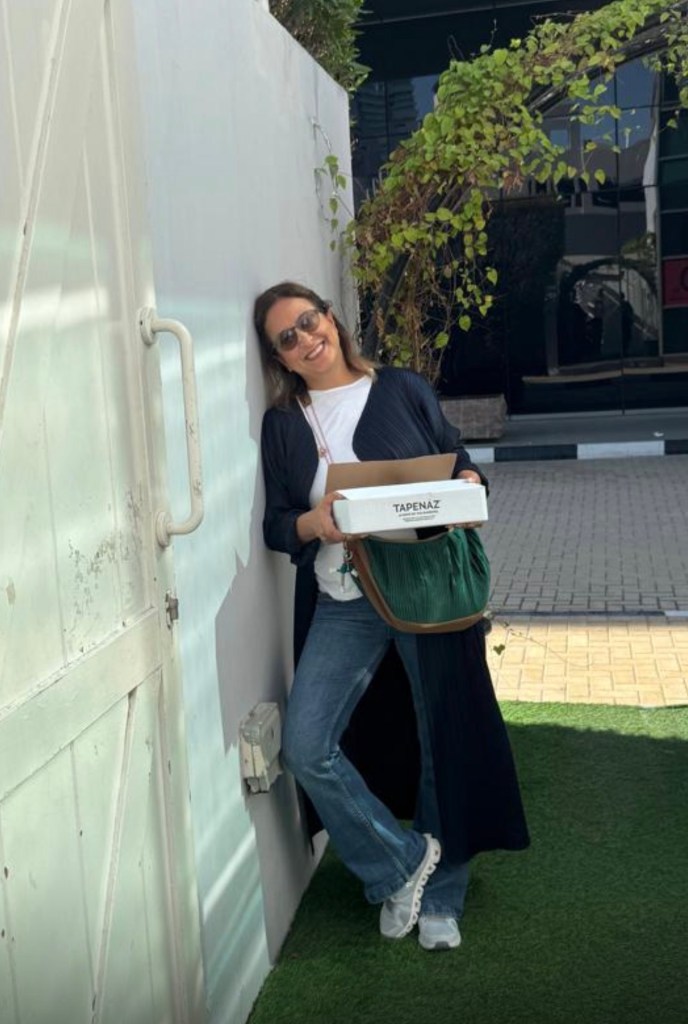
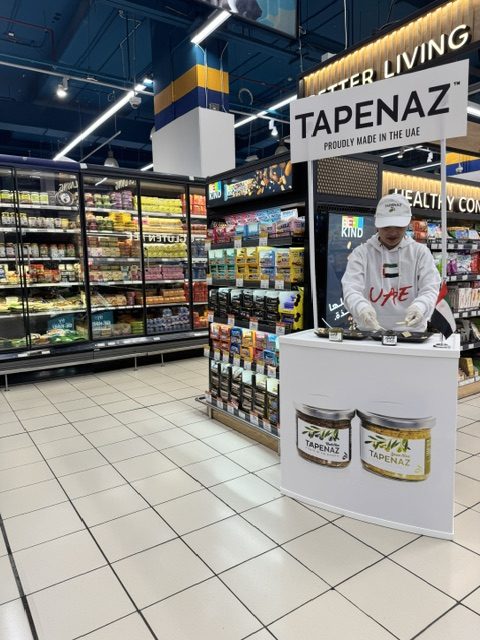
Adopting lean cost structures and benefitting from diversified revenue streams are proactive decisions that helped two other UAE small businesses brave the storm as well — quite literally to an extent, given these entrepreneurs had the added worry of navigating torrential weather conditions throughout March 2026. The first of these brands is Maharlikan, a premium casual footwear brand founded in 2024 by Gen Z Filipino entrepreneurs Bianca Louise Badando and John Kirsten Simeon; the second is TAPENAZ, a gourmet tapenade (olive spread) brand “with a twist,” founded by Emirati entrepreneur Nazpari Azari in November 2025. Citing business lessons learned not only from the coronavirus pandemic, but also from the devastating April 2024 Dubai floods, both brands leaned into disciplined, low-overhead operations to navigate uncertainty—while Maharlikan focused on cautious inventory scaling, flexible supplier decisions, and phased growth to protect cash flow, TAPENAZ maintained stability by controlling costs, ensuring consistent production, strengthening supplier relationships, and expanding into retail to offset declines in hotels, restaurants and cafes (HoReCa) demand.
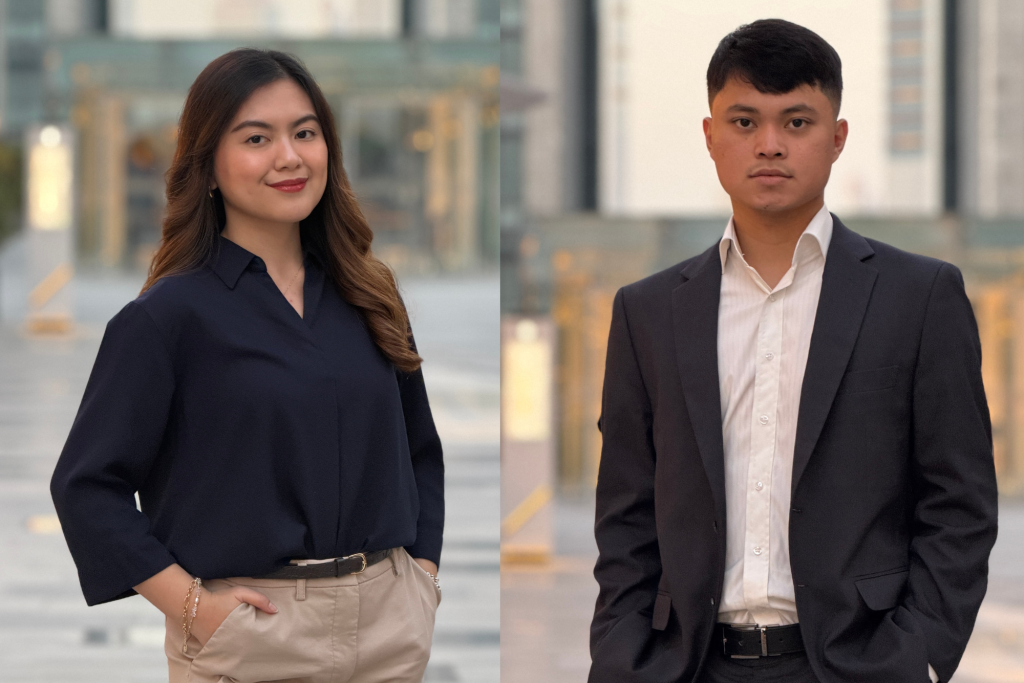
“While our contingency planning may look different from that of larger businesses, the principle is the same: protect sustainability while staying adaptable,” Maharlikan co-founder Simeon says. “These practical measures have given us the ability to continue building steadily, even during periods where many businesses may feel pressure to react too quickly.”

Badando adds that building a premium product with limited resources during uncertain times called for increased attention to detail. “As a growing footwear brand, every decision—from inventory planning to supplier coordination—has to be made carefully to protect both quality and cash flow,” she adds. “The challenge therefore has been staying focused and motivated while operating in an environment where external factors can shift consumer behavior very quickly. Our approach has been to remain calm, make data-conscious decisions, and focus only on what strengthens the brand long term.”
TAPENAZ founder Azari reflects similar sentiments when she shares that “as a founder, I’ve had to stay focused, make careful decisions, and ensure continuity. It’s not easy, but the priority has been to keep the business stable and moving forward.”
Azari, who had already led her business to clinch listings across major retail chains in the UAE such as Spinneys, Waitrose, Union Coop, and Carrefour, also credits support from the Mohammed bin Rashid Establishment for SME Development which helped establish TAPENAZ’s factory and launch the business last year. “Today, despite the unprecedented challenges, we are growing through strong community support and word of mouth. However, this also highlights a broader challenge: local manufacturing startups need stronger public relations (PR) and marketing support to scale, especially UAE-born brands aiming to compete and represent the country’s food industry and promote ‘Make it in the Emirates.’ I believe with the right support, TAPENAZ can contribute even more to the UAE’s local food industry.”
Both sets of founders note that the lack of knee-jerk reactions to the crisis is strongly bound to their definition of resilience – which is strikingly similar to the definition shared by La Torta By Zein’s Fayek. “Resilience now means being adaptable, prepared, and able to respond quickly without losing direction. We’ve realized that strong businesses are not built only on great products, but on flexibility, planning, and the ability to stay steady during uncertainty,” Maharlikan’s Badando shares. Meanwhile TAPENAZ’s Azari says that her understanding of resilience has become more practical. “It’s not only about growth, but about sustaining the business during uncertainty. Experiences like COVID-19 and the April 2024 UAE floods helped me react faster and stay disciplined. This time, I focused on protecting what I’ve built and adapting quickly to changing conditions.”
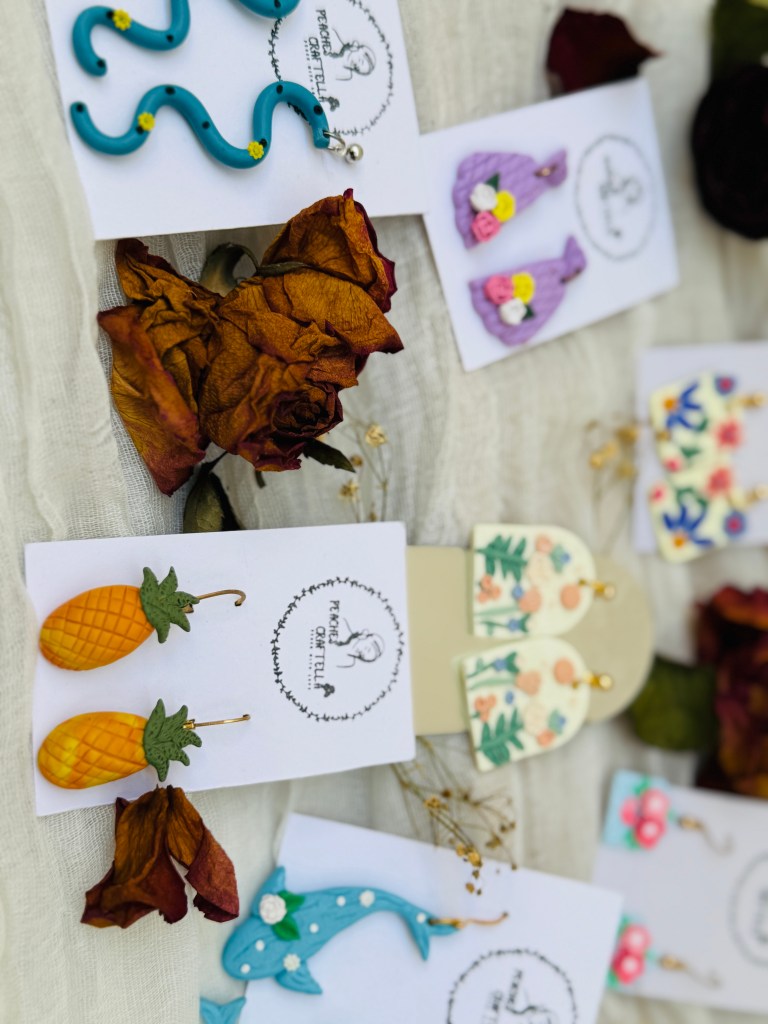
One other small business owner who can resonate with these statements is UAE-based Sri Lankan entrepreneur Ishara Malshani Settinayake who launched handmade lifestyle brand Peaches Craftella in 2024 in Abu Dhabi. “My understanding of resilience has become more gentle over time,” she says. “Earlier, I thought it meant pushing through everything without stopping, but now I see it more as balance — adapting and continuing without pressure. My business did not start during COVID-19, but that period still shaped how I view uncertainty and stability. It helped me understand that timing is never fully in our control. Experiences like the pandemic and the UAE floods also reminded me how unpredictable life can be. I’ve learned that resilience is not about controlling everything, but about staying calm, steady, and moving forward through uncertainty.”
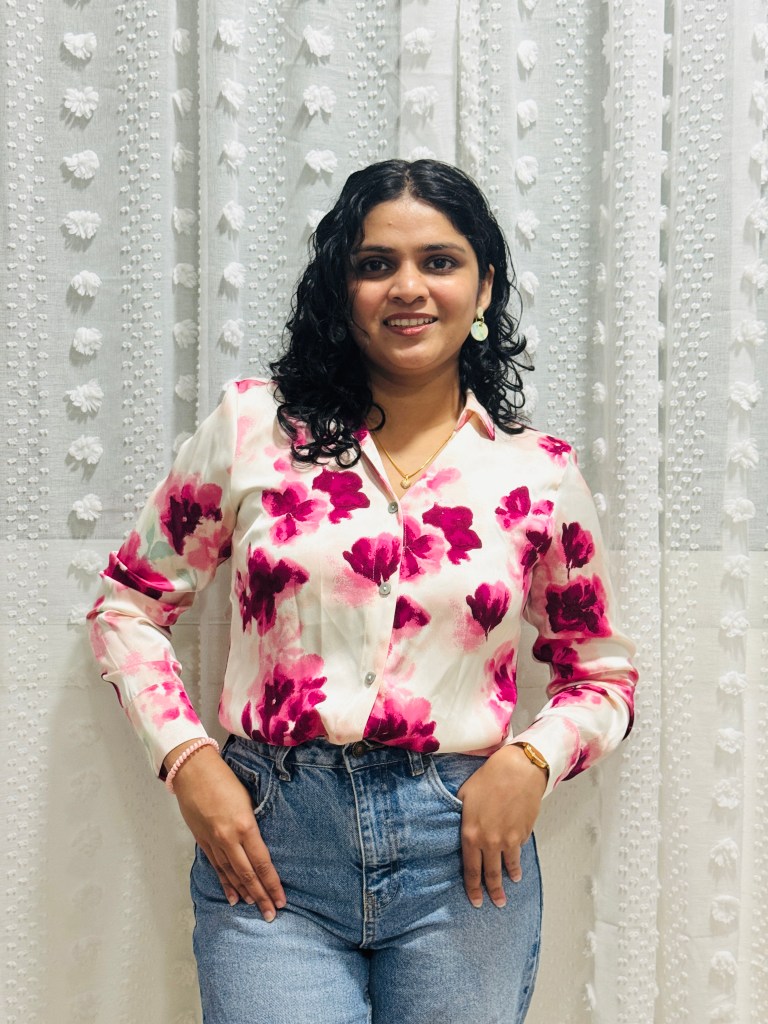
Settinayake, who balances her work at Peaches Craftella with a full-time corporate job as well as raising a family, notes that the encouragement she received from the small business community in the UAE has been particularly helpful in the last few weeks. “Even small moments — like seeing someone resonate with something I made by hand — are what keep me motivated,” she says. “I also take part in pop-up markets whenever I can, usually with a small, simple, and thoughtful display, which allows me to share the brand in a more personal way. Peaches Craftella is still growing, but at its heart it remains a story made by hand — rooted in calmness, emotion, and meaningful expression.”
But in narrating her experience, Settinayake brings up a point very similar to the one raised by TAPENAZ founder Azari: the challenges of marketing a brand with a very limited budget. “I have to be intentional and creative with how I share my work, especially when resources are small and everything is self-driven,” Settinayake adds. “There are also emotional moments when sales are slow, even though a lot of care and effort goes into each piece. However, I’m supported strongly by my husband, my sister, and my close friends, which helps me stay grounded. I try to take things step by step –even as I slowly expand into home décor and accessories so the brand can grow in a more natural and balanced way– and remind myself that I’m building something meaningful over time. For me, Peaches Craftella is about creating something that feels like a quiet breath — intentional, warm, and rooted in slow, meaningful crafting. Each piece is made to carry emotion, simplicity, and a sense of calm connection.”
Another UAE-based small business that seeks to create meaningful bonds through its work is custom embroidery studio Lunaloom, which was launched in November 2025 by Lebanese-American entrepreneur Malak Raad. “Running a business during this period of uncertainty has definitely changed how I think about resilience,” she says. “It’s not always about pushing through, sometimes it’s about knowing when to pause and focus on what matters. My attention naturally shifted more toward family, and experiences like COVID-19 reminded me that things don’t always go as planned, and that’s okay. While I don’t have anything structured yet, since the business is still new, I have been keeping things flexible. Because most of what I do is event-based and small-scale, it’s made it easier to pause when needed without too much pressure.”
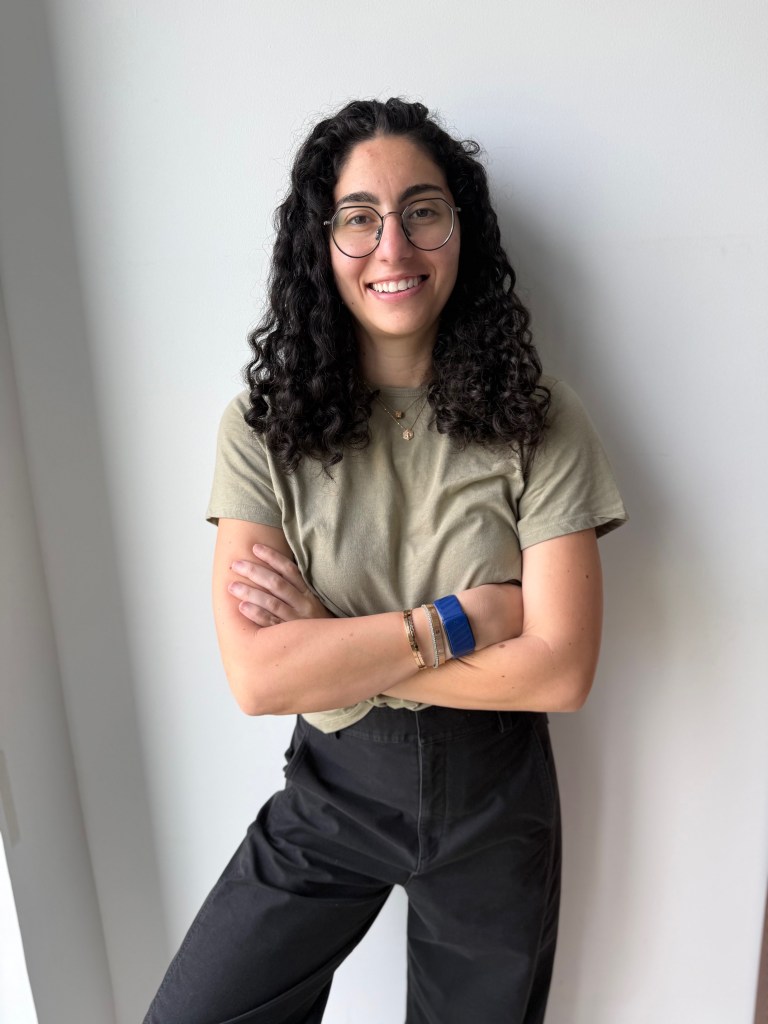
With devastating repercussions of the regional crisis reaching her native land, Lebanon, Raad says she also had to deal with other emotionally-led decisions. “One of the biggest challenges has been knowing how to show up during a time like this,” she admits. “It didn’t feel right to continue posting or selling normally with everything happening in the region. As a Lebanese-American, it also felt very personal. I ended up taking a step back and being more intentional, rather than forcing anything.”
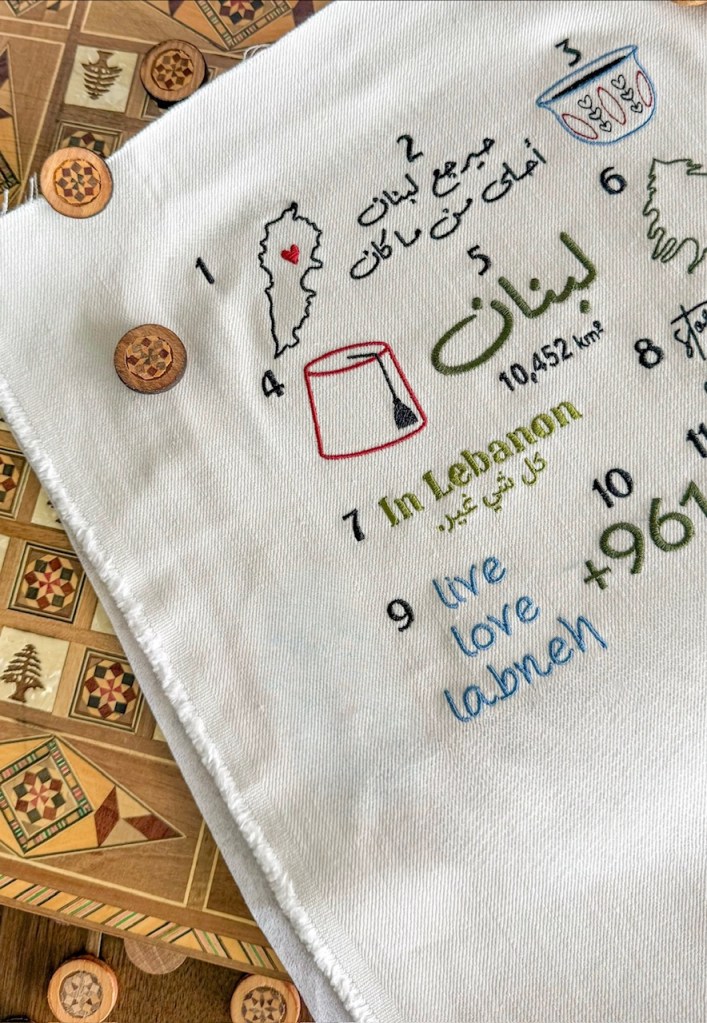
One source of solace for Raad, however, was the same as that for Peaches Craftella’s Settinayake: the UAE business community. “A lot of businesses have been opening up their spaces for small brands like mine to pop up, which has helped a lot with visibility and getting my name out there,” Raad shares. “It’s made a real difference and has shaped how I see the future of the business.”
Indeed, one such business that opened up its space rent-free to local and homegrown brands “to keep the community ecosystem alive” is design-led cultural hub The Casa Collective — its Indian founders, architect-turned-entrepreneur Ritika Kothari, being the final voice of UAE small businesses in this piece. Kothari says that taking this decision was part of a broader decision-making process, which also included deferring employee salaries rather than cutting them. “Watching our team take shelter during the alerts was the hardest moment,” Kothari shares. “They look to us not just for salaries but for safety and clarity. Decision-making therefore became instinctive. Defer what can wait, cut what must go, protect the people first. Regional tensions also disrupted our launch momentum: events cancelled, global shipments stuck, brands unable to participate due to spiked logistics costs. So our approach became simple: stay functional, stay honest with the team, and make decisions we could stand behind regardless of outcome.”

Much of Kothari’s approach can be attributed to her simultaneous role as the CEO of Colab Cloud Tech, a Dubai-based tech studio that offers immersive, digital-first solutions. Some of it, as per Kothari herself, was learnt through the COVID-19 crisis. But the co-founder shares a third, more personal reason: beating cancer. “Resilience used to mean bouncing back; it doesn’t anymore,” she says. “It means staying functional while the ground is still moving. As a cancer survivor, I have never been scared of starting from scratch or navigating unpredictable events. COVID-19 taught us all that disruption isn’t exceptional, it’s periodic. Both experiences pushed us to build lighter, leaner, and with greater community dependency. This time the response felt more instinctive. We didn’t wait for clarity before acting. We moved quickly to restructure, localise, and communicate openly with partners and the team. What changed most profoundly was the understanding that resilience isn’t an individual quality; it’s a collective one. The community absorbing the shock alongside us was not incidental. It was structural. That’s what Casa Collective was built for, and this period proved it.
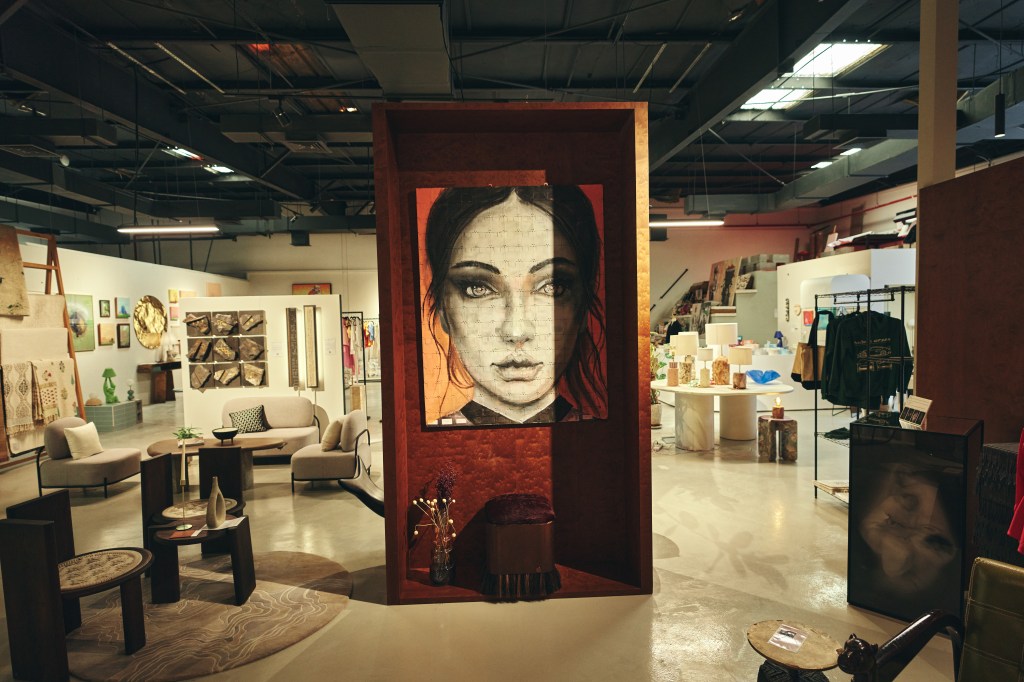
Like many of the other small business founders in this story, Kothari too found monetary respite through lean cost structures and diversification. “There was no significant financial buffer, but there was structural flexibility: low fixed overheads, no long-term vendor commitments in the early months, and a team small enough to pivot quickly,” Kothari shares. “When the disruption hit, that leanness became an advantage. We deferred non-essential expenses, temporarily paused global partnerships, and redirected focus to existing on-the-ground operations: local brands, existing community, the physical space itself. Meanwhile, diversification across the two businesses that I own —The Casa Collective and Colab Cloud Tech— provided a psychological and operational hedge. When one was disrupted, the other held. The lesson we carry forward is that flexibility is the only reliable buffer a young business actually has.”
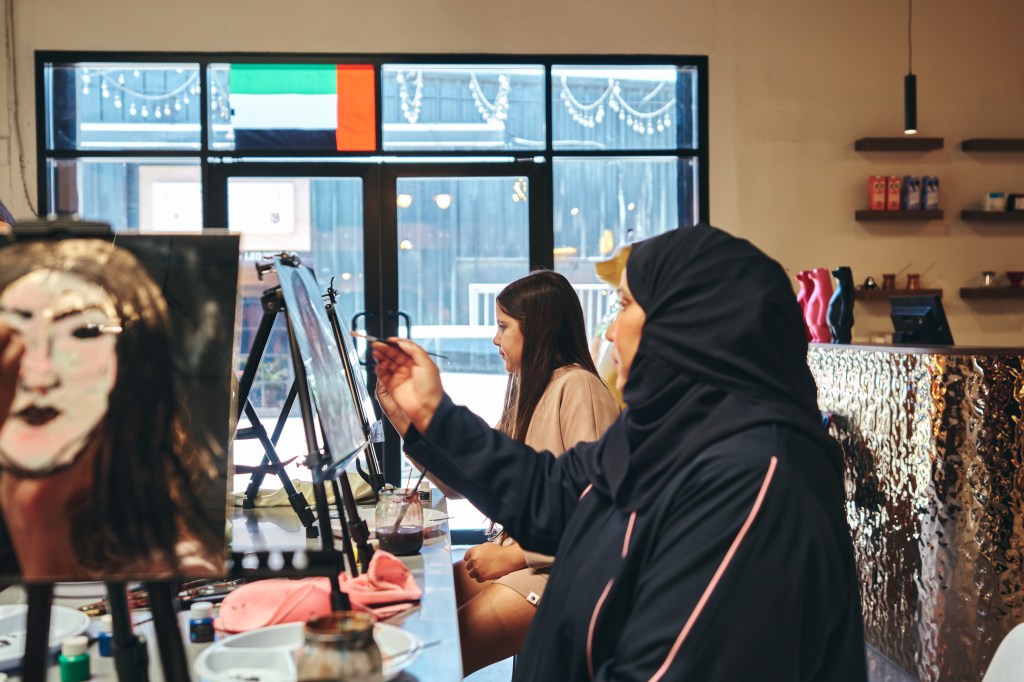
“Through it all, the community was our most tangible support,” Kothari adds. “People checked in, shared our space, redirected their networks toward local businesses, and showed up when it mattered. Not dramatically — quietly and consistently, which is the more valuable kind. We will emerge stronger because we were forced to build more honestly. Plans that didn’t survive contact with reality were replaced with something more grounded…. local roots, genuine relationships, and a community that now knows what Casa Collective stands for not because we told them, but because they experienced it together with us.”
Indeed, as small and medium businesses in the UAE —a sector that accounts for over 63% of the nation’s non-oil GDP— continue to grow and the government continues its goal to house one million such businesses by 2031, it is clear that this resolute and resilient ecosystem is a blend of formal initiatives and local community support.
Badando and Simeon, the young entrepreneurial duo behind Maharlikan, summarize it best when they say: “The country’s strong support for entrepreneurship, infrastructure, and pro-business environment creates a foundation that encourages small businesses to keep building through uncertain periods. Just as important has been the encouragement from our community—customers, peers, and supporters who continue to believe in the value of local and emerging brands. That support reinforces our belief that difficult periods can strengthen businesses rather than weaken them. We believe we will emerge stronger because resilience is now part of how we operate—not just how we respond to crisis, but how we grow every day.”
In early March 2026, four simple words from UAE President H.H. Sheikh Mohamed bin Zayed Al Nahyan —”we will emerge stronger” — set at ease an entire nation that was coming to terms with unforeseen regional volatilities. In a striking example of how a country’s leadership shapes the collective mindset of its people, I found that all the UAE-based small business owners I reached out to for this story shared the same sentiment about the futures of their own brands – the words uttered either verbatim, or as slightly different renditions of the same line. But upon looking deeper, it is clear that such confidence isn’t superficial, but more a result of proactive business strategies intentionally honed over time.
Take Zein Fayek, for example, who founded boutique cake studio La Torta By Zein in Syria in 2016 and launched in the UAE in just January this year. La Torta By Zein had been operational in the UAE for just over a month when the February 28 disruptions began – but as an entrepreneur who has led her business through not just the COVID-19 pandemic but also displacement during the nearly 14-year-long Syrian civil war, Fayek was prepared. “My understanding of resilience has changed significantly – it is no longer about pushing harder, but about adapting quickly and managing uncertainty with clarity,” Fayek says. “Operating in volatile environments taught me that flexibility is more important than control, and I developed the ability to continue working without guaranteed outcomes. These experiences strengthened my mindset and prepared me for ongoing challenges. Today, resilience means staying consistent, making thoughtful decisions under pressure, and continuing to build with purpose—even when results are not immediately visible. As such, I believe La Torta will emerge stronger from this period. These challenges have pushed me to refine operations, strengthen positioning, and become more strategic.”
Fayek notes that low footfall, rising costs, and external factors affecting consumer behavior were the three main financial pain points she faced in the immediate aftermath of the crisis. “Without large financial buffers, I focused on operational efficiency and flexibility,” she says. “I reduced waste, adjusted production volumes, and prioritized products with consistent demand. Diversification was also key. I introduced smaller, more accessible items, explored B2B opportunities, and strengthened my presence on delivery platforms to increase reach. At the same time, I remained open to adjusting pricing, menu structure, and sales channels based on performance. Contingency planning became practical—being ready to pivot quickly and manage resources carefully has been essential in maintaining stability during uncertainty.”

Aalia Mehreen Ahmed • Senior Features Editor, Entrepreneur Middle East
Entrepreneur Staff
Senior Features Editor at Entrepreneur Middle East and host of Anchored Echoes, with nearly seven... Read more