How Fintech Can Help Ensure The Survival Of SMEs In The Middle East
Improving financial inclusion for SMEs could boost annual economic growth by 1% per year, and also lead to a potential 16 million jobs by 2025 in the Middle East and Central Asia regions.

Shutterstock.com
Opinions expressed by Entrepreneur contributors are their own.
You're reading Entrepreneur Middle East, an international franchise of Entrepreneur Media.
On account of their potential to create jobs and foster innovation, small- and medium-sized enterprises (SMEs) have been highlighted by several countries in the Middle East like the UAE, Saudi Arabia, and Egypt as one of the most important contributors for economic growth. While sufficient funding is one of the most important ingredients that these enterprises need to thrive, SMEs in the Middle East have long suffered from poor access to finance. In fact, according to an International Monetary Fund (IMF) report published last year, they have the largest gap in financial inclusion in the world.
SMEs in the MENA region represent around 96% of registered companies and around half of total labor force, but they account for only 7% of total bank lending- the lowest level in the world. Often, SMEs struggle to secure loans and funding as they are seen as too much of a financial risk by banks and do not have the turnover to satisfy prospective lenders. Traditional financial institutions also require businesses to have strong credit scores, which SMEs may not have.
Although policy makers in the MENA region are looking to improve the financial inclusion of SMEs in the Middle East, this is likely to be a long-term undertaking. Meanwhile, the issues now facing SMEs are in the short-term. As a result of the coronavirus pandemic, millions of SMEs in the Middle East will be looking for immediate funding in order to survive the crisis. The alternative is insolvency. It is crucial now more than ever to close the gap in financial inclusion for SMEs in the Middle East.
This is where the fintech industry comes in. Fintech is changing SME financing, and developments in recent years demonstrate the possibilities of fintech as an additional source of financing for Middle Eastern SMEs. Through new, innovative routes, fintech will be vital in supporting SMEs with acquiring business capital.
A faster and cheaper route to alternative lending
The alternative lending and investment market is growing, and it is expected to exceed US$35 billion by 2024. One of the ways in which fintech companies can assist SMEs in the Middle East is with the provision of alternative lending options such as peer-to-peer finance. Through fintech platforms, SMEs will have new opportunities to access alternative investors and request direct loans.
Fintech companies have made accessing finance in this way quicker, cheaper, and easier to navigate for SMEs. Alternative lending investors are important in this process- they usually get the ball rolling at a faster rate than traditional financial institutions due to their willingness to take risks in exchange for competitive rewards.
What’s more, these platforms are usually transparent when it comes to interest rates, and they also have the customer service and user experience to make borrowing straightforward. Technology businesses that have an online-first approach baked into their DNA are best placed to help Middle Eastern SMEs access the business loans they need to weather this turbulent time.
A streamlined way to raise capital
At present, SMEs are encountering obstacles to raising capital quickly when using more traditional and established routes. Meetings with investors can go on for months at the best of times, only to hit a dead end. These approaches are further problematized by the current pandemic, which necessitates face-to-face meetings being kept to a minimum. Fintech companies, on the other hand, are launching platforms that allow Middle Eastern SMEs to raise capital through new methods, such as crowdfunding.
By creating a simple page on such a fintech platform, SMEs can access a whole community of networked investors who are willing to support businesses and products that they believe in. This approach cuts out any middle men, streamlining a process that has sometimes been a barrier to growth for SMEs, rather than a springboard.
The good news is crowdfunding sites (e.g. Eureeca, Aflamnah, Durise, and Zoomaal), financial comparison sites (e.g. YallaCompare and Souqalmal) and peer-to-peer lending platforms (e.g. Beehive) in the MENA region have gained traction lately. These emerging fintech companies will be transformative for SME financing in the Middle East.
Improving financial inclusion for SMEs could boost annual economic growth by 1% per year, and also lead to a potential 16 million jobs by 2025 in the Middle East and Central Asia regions. However, amidst the coronavirus pandemic, this is not only a question of growth for SMEs in the Middle East- it is a question of survival.
On account of their potential to create jobs and foster innovation, small- and medium-sized enterprises (SMEs) have been highlighted by several countries in the Middle East like the UAE, Saudi Arabia, and Egypt as one of the most important contributors for economic growth. While sufficient funding is one of the most important ingredients that these enterprises need to thrive, SMEs in the Middle East have long suffered from poor access to finance. In fact, according to an International Monetary Fund (IMF) report published last year, they have the largest gap in financial inclusion in the world.
SMEs in the MENA region represent around 96% of registered companies and around half of total labor force, but they account for only 7% of total bank lending- the lowest level in the world. Often, SMEs struggle to secure loans and funding as they are seen as too much of a financial risk by banks and do not have the turnover to satisfy prospective lenders. Traditional financial institutions also require businesses to have strong credit scores, which SMEs may not have.
Although policy makers in the MENA region are looking to improve the financial inclusion of SMEs in the Middle East, this is likely to be a long-term undertaking. Meanwhile, the issues now facing SMEs are in the short-term. As a result of the coronavirus pandemic, millions of SMEs in the Middle East will be looking for immediate funding in order to survive the crisis. The alternative is insolvency. It is crucial now more than ever to close the gap in financial inclusion for SMEs in the Middle East.

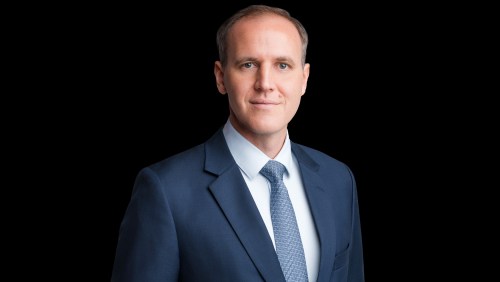
Abdullah Faisal Alothman • Founder and Co-Chairman, Geidea Financial Tech and AO Holdings
An entrepreneur from Saudi Arabia, Abdullah Faisal Alothman is the founder and Co-Chairman of Geidea... Read more