With Every Door Closed, He Finds a Window: Meet the Man that Keeps Moving
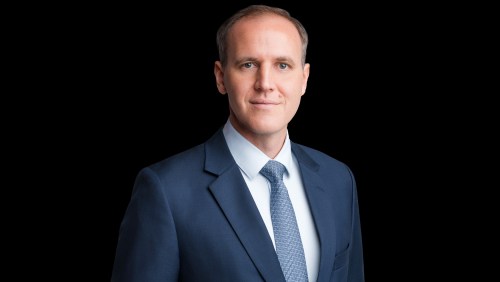
A conversation with Mountasser Hachem, Founder and Chairman of Monty Holding
You're reading Entrepreneur Middle East, an international franchise of Entrepreneur Media.
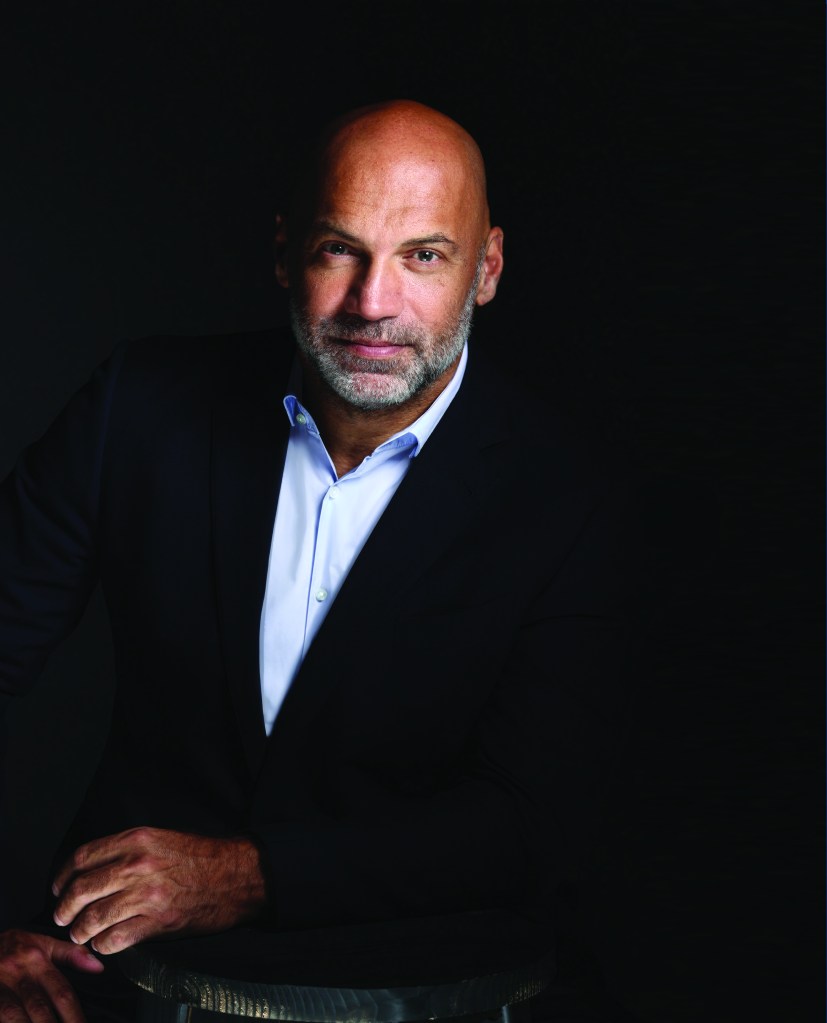
Every big decision in Mountasser Hachem’s career looked wrong at the time. Leaving a stable TV business to bet on messaging. Trying to win the trust of mobile operators who had never heard of his at-the-time small company. Buying a broken phone network in a market global investors had already written off. Building his own telecom hardware instead of buying it from a giant like Huawei or Nokia. Each one of these moves could have failed. None of them did.
This is the story of a man who has spent thirty years making decisions that looked risky on paper, and getting them right. Not once, but time and time again, across media, telecom, fintech, and now infrastructure. The thread that runs through all of it is not luck, its judgment. Knowing when to trust instinct over advice. That’s how he hit the target most people miss.
Today, that judgment shows up in the numbers. Over 1,000 employees. 20 international offices. Multiple industries. But the instinct behind all of it traces back to a much smaller starting point in 1998, and a decision even his own inner circle at the time thought was a mistake.
THE FIRST LEAP: LEAVING WHAT WORKED
In 1998, Mountasser Hachem was running a media and communications company broadcasting paid television channels across the Middle East and North Africa. He was already ahead of the game inside that business, the first in the region to bring interactive TV to air on Nilesat and Arabsat, years before most broadcasters understood what viewers would do with a remote control and a two-way signal. By the end of the decade he had built a collection of channels including ETV, ETV+, MC TV, Maraya TV, Kamar TV, Derby TV, and Hot Bird, and viewers across the region were sending SMS to their screens to play games, request horoscopes, and take part in what was airing. Before anyone was talking about interactive media, he had already built it. And it worked. But TV was still the safe, established business of the time. It made money. It made sense. And that was exactly the problem.
You started in television, a business that was doing well. Why walk away from something that worked?
“That’s the trap of any business that’s already working. When something works, you start protecting it instead of growing it. TV was good to us, but it had limits. It was time for a change. In the early 2000s, mobile phones were changing how people talked to each other, and text messaging was exploding. Nobody in our world was taking it seriously yet. I didn’t have data to prove it would work. I just had a feeling that this was where everything was heading. And if I waited for proof, I’d be too late.
Everyone else in the space thought telecom was about the network. Build towers, sign roaming deals, wait for the money to come in. There were other aspects being overlooked. I noticed that early, not because I was smarter than anyone, but because I was small and I was used to moving. When you’re small, you have to look for the gap nobody else is watching. And the big operators weren’t watching the opportunity in the messaging space.
So we made the jump. In 2006, we acquired a GSM license in the Seychelles for an international travel SIM. We rebranded as Monty Mobile and started from almost nothing in a completely new industry. That’s where my real journey in telecom began.”
That single decision, made without a guarantee, is the pattern that defines everything that came after.
EARNING A SEAT AT THE TABLE
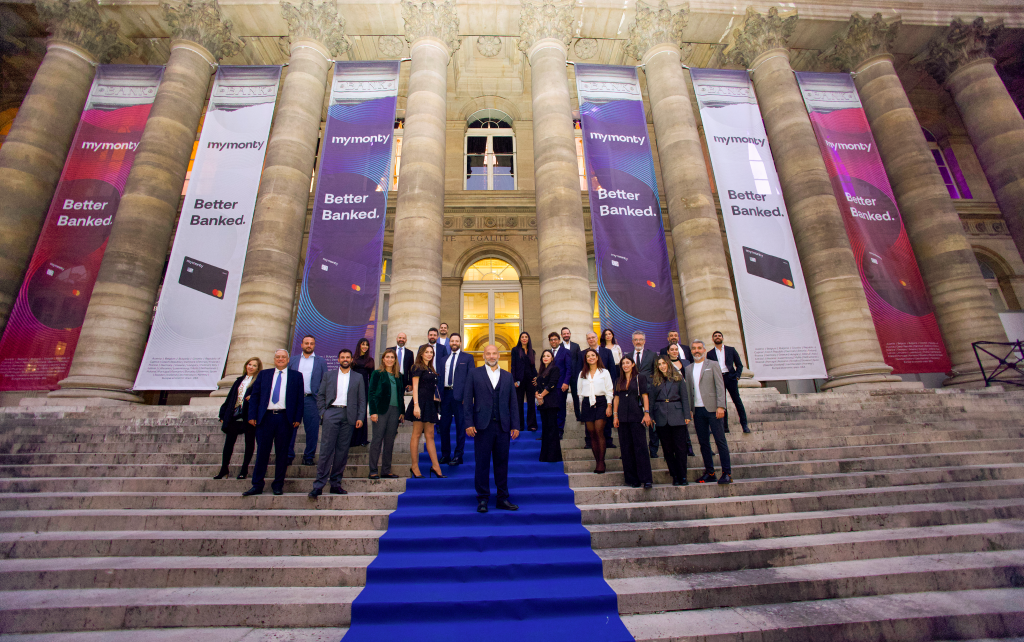
Monty Mobile did not start with contracts from major telecom operators. It started with an idea, and a small team convinced it could compete with anyone. The company was young, working out of a region the telecom world did not yet see as a hub, and unknown to the operators it needed to work with. What it lacked in size, it made up for in intent. Hachem never built Monty Mobile to stay small. He built it small because that is where every serious company starts.
You started as an outsider, a small unknown company, trying to get global mobile operators, institutions that don’t hand out trust easily, to work with you. How did you win them over?
“We were small when we started, sure, but I never thought of us as a small company. I just knew we hadn’t grown into what we believed we could be yet. So we competed the only way we could at that stage: on reliability. I remember early on we’d agree to terms that weren’t great for us financially, just so we could prove we could actually do what we said. When you deliver once, the conversation changes. It stops being about who you are or where you started and starts being about whether you’re reliable.
An operator in Europe or Asia doesn’t care where you’re from once you’ve shown up on time, done the job right, and done it again. Trust isn’t something you ask for. It’s something you earn one delivery at a time. That took years. But once a few of the big operators started working with us, the door opened much wider, and we never looked like a small company again.”
That approach, proving the work before asking anyone to trust it, became the foundation for everything Monty Mobile built next. From messaging and roaming services to the communication tools operators now rely on every day, the pattern was set at the start.
Starting off small in an uncharted space, was there a moment you thought this wasn’t going to work?
“Listen, I always believed in my company. You should never get into any business if you don’t believe in yourself first. And I live by a strong conviction: failure is one of the greatest assets an entrepreneur can have. When you lose, you learn. I’ve lost far more than I’ve won, and honestly, that’s exactly why I’m still here. The lessons that come from losing are worth more than the thrill of any win.
Were there moments that demotivated me? Of course there were. But this wasn’t built on temporary motivation. It was built on discipline, and on a belief in the work so strong it was unwavering. That’s the real difference. I never let one bad quarter decide whether the whole thing was worth continuing. You separate the setback from the mission. The setback is real. You deal with it. But it doesn’t get to answer the bigger question. In the end, you keep moving forward. That has been my mantra for thirty years.”
TWENTY-FIVE YEARS OF BETTING ON WHAT’S NEXT
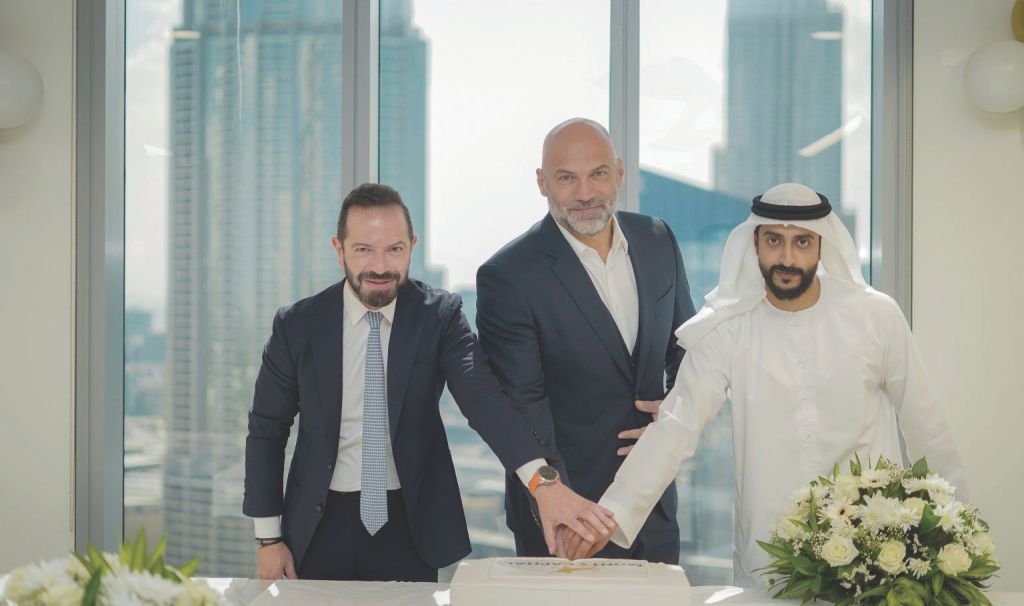
Once Monty Mobile earned the trust of operators, most companies would have kept doing what worked. Hachem did the opposite. Over the next twenty-five years, he pushed the company into mobile money, into broader connectivity, and eventually into fintech. Each move was a bet that the company’s core skill, moving information and value safely and reliably, could work in a market it had never touched before. The easy version of this story is “Monty Mobile branched into fintech and other verticals.” But that framing misses the point. It wasn’t a series of separate leaps into new industries.
It was the same instinct that took him from media into telecom in the first place: find a reliable way to connect people and move value, then apply that instinct to whatever rails make sense next.
Fintech, mobile money, connectivity: on paper, these look like different industries. Why did you see them as one path?
“I work in technology. I always have. Monty Mobile is a telecom technology company, and what is fintech, if not financial technology? For me, this was a natural progression, not a leap.
People think media, messaging, and fintech are three distinct businesses. To me they’re the same business wearing different clothes. If you can move a text message across a hundred networks without it dropping, you understand something about trust and infrastructure that transfers directly to moving money, or connecting a traveler’s phone the second they land in a new country.
During that time, mobile network operators everywhere were opening digital wallets and turning into banks. We work in software. We already had the platforms to bridge telecom and finance. We already understood operators, we already understood compliance, we already had relationships in dozens of countries. Fintech companies starting from zero had to build all of that first. We were already standing on it. Monty Finance and our payment services grew out of that same foundation, not a separate one.
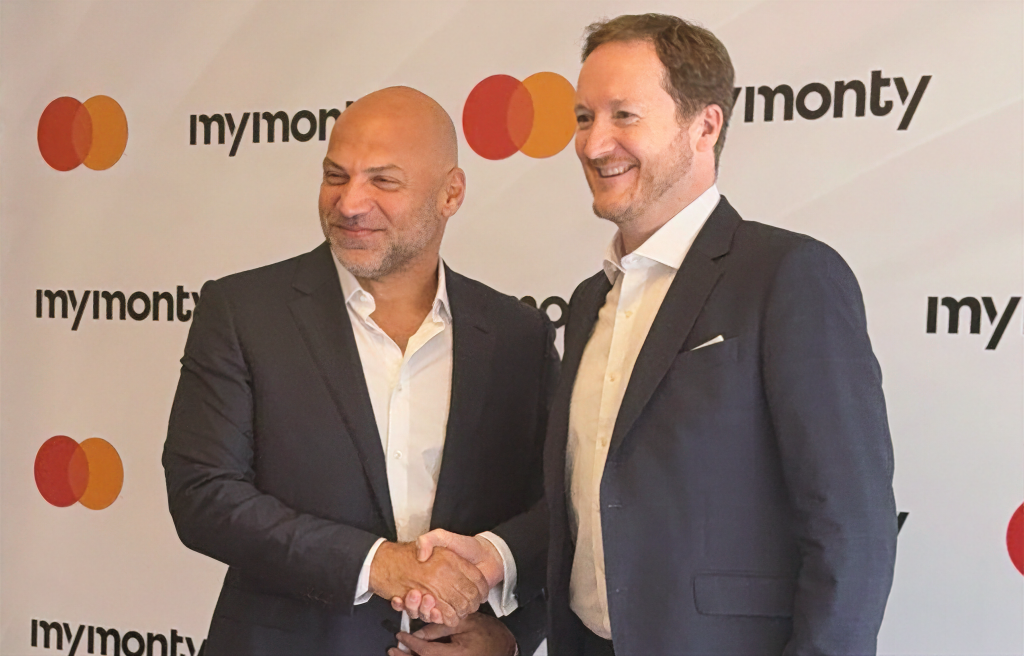
The inspiration behind MyMonty, our digital wallet in Lebanon, came out of the 2019 financial crisis. I watched people I know lose access to their own money overnight, and I couldn’t just watch. So I built. MyMonty was my first investment in Lebanon, and it was never really about return. Sometimes you invest because home needs you to.”
This is what makes Hachem’s story different from a typical growth story. He wasn’t chasing trends. He was recognizing that a single instinct, moving things people depend on, could be applied over and over, in industry after industry, without ever really changing what the company was.
Do you ever worry you are spreading yourself too thin?
“Honestly, no. It’s not jumping across industries or venturing into unrelated worlds. Everything I’ve built is linked, because the heart of every one of my businesses is technology. You have to see the market for what it is, and you have to move when you see the wave coming. Staying in one place because it’s comfortable is how companies begin to fail. On top of that, I get restless the moment a business stops teaching me something new. Starting new things, and backing the right people to run them, is what keeps me sharp. I couldn’t tell you what the next ten or twenty years will look like. But I can promise you it will be bigger and bolder than everything I’ve built so far.
RELATED: The Finance Frontier 2026: Mountasser Hachem, Founder and Chairman, Monty Holding
COMIUM: THE NETWORK NOBODY WOULD SAVE
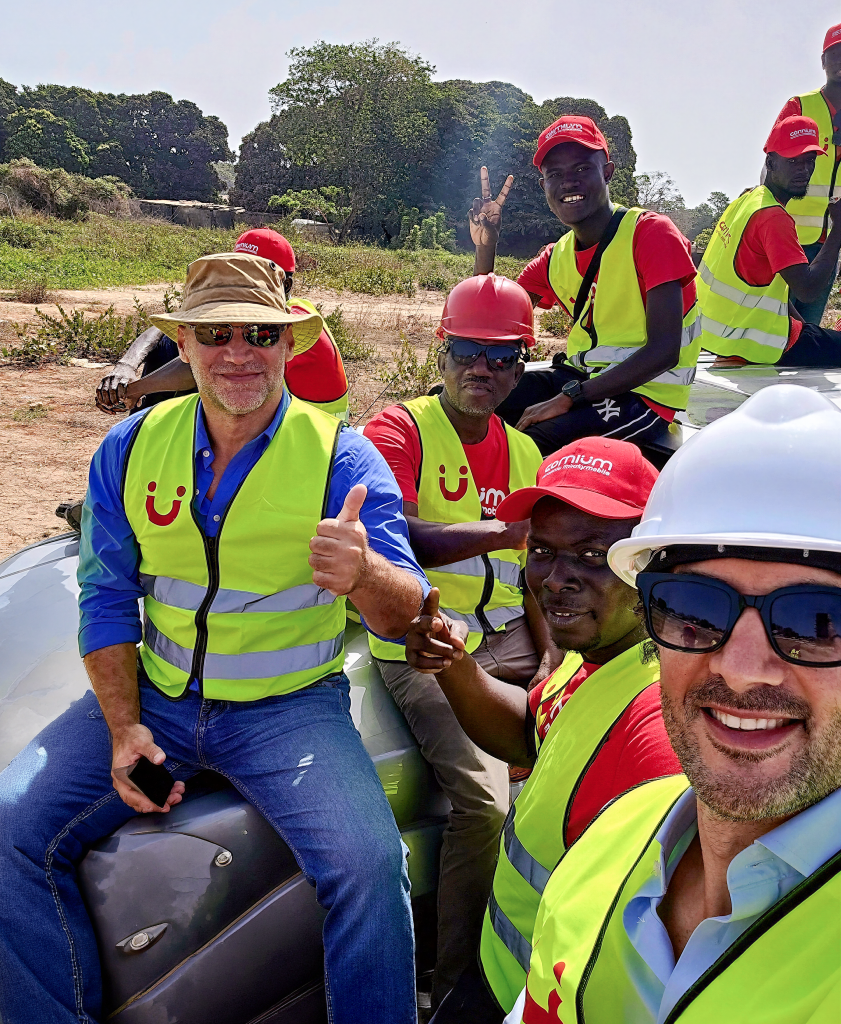
If one decision captures Hachem’s willingness to go against the room, it’s the acquisition of Comium, a struggling mobile network in The Gambia. The network was outdated. It was losing customers. Most people, inside his own company included, said it was a lost cause. But buying Comium wasn’t just an acquisition. It meant Monty Mobile went from being a company that works alongside operators to being one of them.
Walk me through Comium. What was actually broken when you took it over, and what did you see that others didn’t?
“The decision to acquire and manage Comium came from a gut feeling. People around me had doubts, and I understood why. But I saw something in that challenge that others couldn’t see. I’m built for challenges like this. Honestly, Comium felt like it was calling on me to save it.
Comium wasn’t just a failing network on paper. It was hundreds of families in The Gambia who were about to lose their livelihoods, in a country where a job like that isn’t easy to replace. And the people who were still customers were paying too much for too little, because the two operators who controlled the market had no real reason to compete on price.
We rebuilt the network from 2G to 4G+ in six months. In an industry where a network upgrade like that usually takes years, it was almost unheard of.
We kept the staff, and we gave them a reason to believe in the place again.
Within two years, we’d taken 20 percent of the market. From 12,000 subscribers to over 1,000,000. Those numbers matter, but honestly, what I’m proudest of is walking into that office today and seeing the same people who almost lost everything, still there, still working, and doing better than they ever did before.
That’s the part that made it worth every bit of doubt we faced getting there.
Of course there was good business there too, and a real milestone for the group. We built our own telecom infrastructure hardware and established Moya out of what we learned. After almost thirty years of working alongside mobile operators, we suddenly were one. Standing on both sides of that fence gave us an edge nobody else in the space had. It made us sharper as Monty Mobile, and stronger as Comium.”
How much of that turnaround came through Moya, and why build your own infrastructure arm rather than just buying equipment from an established vendor like Huawei?
“Almost all of the equipment that went into that six-month upgrade came through Moya, which is our own telecom hardware and software infrastructure arm. We could have gone to Huawei or one of the other big names, and on paper the specs would have looked similar. But that’s exactly the point, we didn’t want to just match what’s already out there, we wanted to own it.
Moya wasn’t created to compete against the big players. It was created to raise the bar. In a market as saturated as telecom infrastructure, I like to walk in and force everyone to lift their game. We built infrastructure at the same level, and offered it at a lower price. No company opens its doors already at the top. You start small, you deliver, and you build your way up. That has been Moya’s trajectory from day one.
Another plus was that we weren’t waiting on somebody else’s shipping schedule or roadmap. If you’re going to bet the company on speed, you can’t be dependent on a vendor’s timeline. We’d rather build it ourselves and control every part of it.”
Moya had its first major international showcase at Mobile World Congress Barcelona in 2026, after three years of quiet development, another example of Hachem’s pattern: build first, prove it works, then go public.
THE NEXT BET: AI AS INFRASTRUCTURE
If there’s one word that comes up more than any other when Hachem talks about what’s next, it’s AI. Not as a product added on top of what the company already does, but as a layer built directly into every product the company already owns.
Everyone is talking about AI right now. What does that actually mean for a telecom and infrastructure group like yours?
“AI is not optional for telecom and fintech. It is the future of both. We already act as an enabler for operators. AI is the next enabler underneath that. It makes production more efficient, decisions faster, and growth possible in places it wasn’t before.
We’re heading into a world where most things connecting to a network aren’t a person holding a phone. It’s a sensor, a car, an AI agent making a decision on someone’s behalf. The infrastructure we built for people, verifying identity, moving small amounts of data instantly, keeping things secure, is exactly what these machines need. We’re not building something new for this. We’re extending what we already know how to do.
For us, AI isn’t a separate business. It’s not a chatbot we plugged into a website to look current. It’s a layer we’re building into every product we already have: the network, the messaging platform, the payment rails, the tools operators use to run their day. The network already knows a lot, when traffic is about to spike, when something is about to fail, where fraud is happening. AI is what lets us act on that in real time instead of finding out after the fact.
I believe so strongly in AI that a few years back we established a dedicated AI department at Monty Mobile, and we run regular workshops across every vertical in the holding. It’s something we nurture, and something we bet on. I’d rather be early on the future than late to it.
THE SERIAL ENTREPRENEUR
What sets Hachem apart from most founders in telecom isn’t just one bold bet. It’s that he keeps making them, across completely different fields, at the same time. Alongside Monty Mobile and Moya, he has built Arkam, Monty Finance, and MontyPay to serve underbanked communities and merchants with modern payment tools. He also launched Monty Capital as an advisory arm for other companies working through their own growth, taking the same instinct that built a telecom group and applying it to finance and advisory work.
Most of the founders who started when you did are gone from this industry now, bought out, shut down, or moved on. What’s kept you in it for the past thirty years?
“I believe in the company, and I still work hard for it every single day. The truth is, you don’t survive thirty years in this business by standing still. Your company has to move with the market, not fight against it. Most companies that disappeared did so because they stayed stagnant. I refuse to stay put. Every time the market shifts, I shift with it, and often before it.”
If an operator, or a founder, is reading this and wondering whether they’re already too late to adapt, what would you actually tell them?
“Nobody is ever too late, they’re just too slow to admit what’s changing. The founders who struggle aren’t the ones who started behind, they’re the ones who waited for certainty before they moved. There is no certainty in any industry. You move when you see the gap, not when someone hands you a guarantee.”
CLOSING
Nearly thirty years after leaving a comfortable television business for an unproven idea in messaging, Mountasser Hachem is still making the same kind of call. Back your own judgment. Involve the right people. Move before the picture is fully clear. TV, telecom, fintech, infrastructure, and a handful of side ventures most people wouldn’t attempt even one of, let alone all of them. This isn’t one lucky bet. It’s a pattern, repeated for three decades, of a leader who trusts his instincts more than he trusts the status quo.
He ends with saying: “In the end, you have to believe in yourself even when no one else does. Rejection is redirection. Failure teaches you far more than winning ever will. It’s what lets you grow, dream bigger, and build bigger. And if you get tired, learn to rest. Not to quit.”
RELATED: Nader Sarkis: The Entrepreneur Redefining Experiential Retail in Lebanon
Every big decision in Mountasser Hachem’s career looked wrong at the time. Leaving a stable TV business to bet on messaging. Trying to win the trust of mobile operators who had never heard of his at-the-time small company. Buying a broken phone network in a market global investors had already written off. Building his own telecom hardware instead of buying it from a giant like Huawei or Nokia. Each one of these moves could have failed. None of them did.
This is the story of a man who has spent thirty years making decisions that looked risky on paper, and getting them right. Not once, but time and time again, across media, telecom, fintech, and now infrastructure. The thread that runs through all of it is not luck, its judgment. Knowing when to trust instinct over advice. That’s how he hit the target most people miss.
Today, that judgment shows up in the numbers. Over 1,000 employees. 20 international offices. Multiple industries. But the instinct behind all of it traces back to a much smaller starting point in 1998, and a decision even his own inner circle at the time thought was a mistake.

Entrepreneur Middle East Staff
Entrepreneur Staff