Writing Through the Fire: Why Telling Lebanon’s Entrepreneurial Stories Cannot Wait
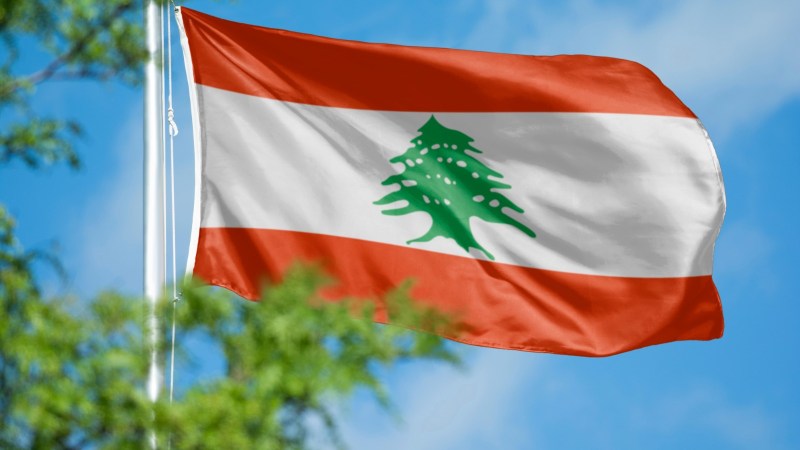
Shutterstock
You're reading Entrepreneur Middle East, an international franchise of Entrepreneur Media.
Lebanese entrepreneurs explain that running a business in Lebanon brings both frustration and pride: “Frustration from instability, but pride in building something meaningful despite it.”
I need to begin this story by sharing my own doubts about how to navigate reporting on Lebanese entrepreneurs during a period of escalating uncertainty.
In early March 2026, I reached out to about a dozen entrepreneurs in Lebanon, determined not to let their stories be overlooked amid the broader chaos that has unfolded across the region since February 28.
At first, there was only one response -from Rose Bechara Perini, founder of Darmmess Social Enterprise- and silence from the rest.
I chose to wait, mindful of the tense conditions Lebanese entrepreneurs are navigating. Then came a reply from Nadine Helwe, owner of Wootton Creation, but nearly ten others remained unresponsive.
Should I wait a little longer? Am I being delusional to think anyone would sit down and answer my interview questions in the middle of such uncertainty?
Yesterday evening (April 8, 2026), after learning of one of the largest waves of airstrikes to hit Lebanon, killing at least 200 people and wounding more than 890 (BBC), I began working on this story immediately, editing the only two interviews I had.
As you read about the experiences of the women entrepreneurs behind Darmmess Social Enterprise and Wootton Creations now, it’s important to note that this feature is already outdated: their reality has worsened significantly. And that is exactly why publishing it matters.
And, before you start reading, please place an order from Darmmess Social Enterprise and Wootton Creation, even if that means ordering a product that may never arrive, because that might be the only way to show up for them.
Here are their stories.
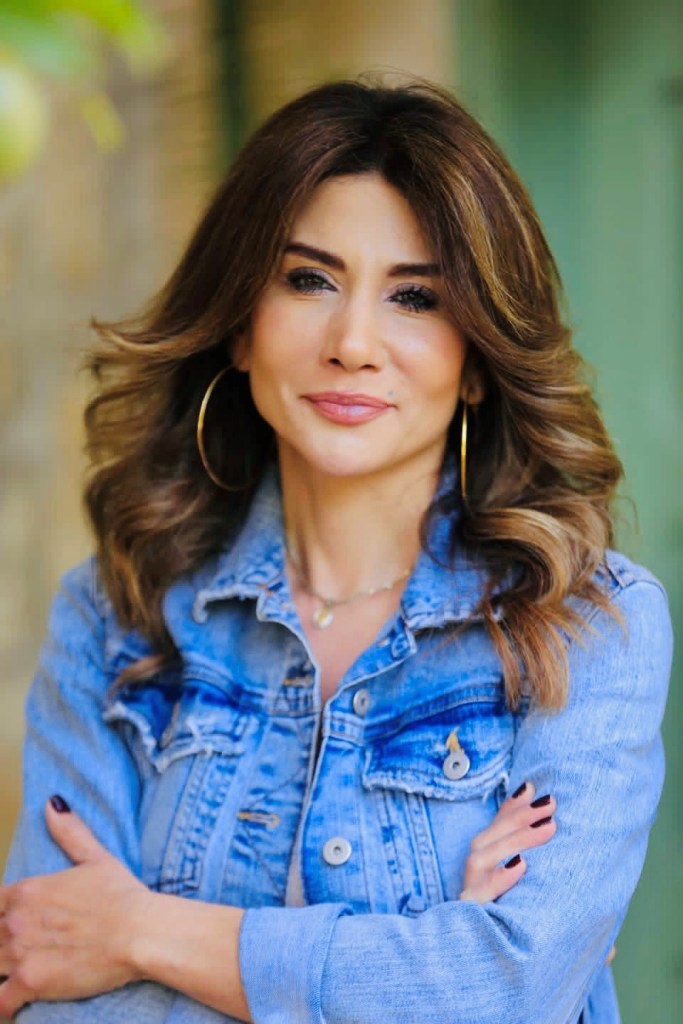
Rose Bechara Perini, founder of Darmmess Social Enterprise, leads a Lebanese social enterprise focused on producing and exporting high-quality extra-virgin olive oil while supporting small farmers and rural communities. The company aims to build a sustainable value chain around olive cultivation by preserving traditional agricultural practices, ensuring fair income for farmers, and expanding the presence of Lebanese olive oil in international markets.
“For us, olive oil is not simply a product,” Bechara Perini said. “It represents generations of agricultural knowledge and the livelihoods of families who depend on their land. Our work has always been about connecting those producers to markets that appreciate and sustain that heritage.”
In early March, Bechara Perini explained that her business had faced cumulative losses, operational damage, and ongoing interruptions across production and logistics due to more than three years of regional instability. Then, the latest developments introduced additional challenges and constraints.
“At the moment, we are unable to export to several Arab markets that were historically important for our sales,” she explained. “Shipments to Europe, which many Lebanese producers rely on, are also facing delays and uncertainty. For a small enterprise built around exports, these disruptions immediately affect cash flow, planning, and the ability to continue supporting the farmers we work with.
“At the same time, the local market in Lebanon has slowed dramatically. Purchasing power has fallen sharply, and many people are understandably focused on basic necessities rather than specialty food products.
“What makes this particularly painful is that behind every liter of olive oil are farmers, harvesters, and rural families who depend on the harvest season to sustain themselves. When exports stop or markets freeze, the consequences ripple through entire communities.”
Some weeks ago, Bechara Perini explained that her business had reached a point where the priority shifted from growth to survival, and she decided to focus on sustaining operations while safeguarding the livelihoods connected to its agricultural heritage.
“For a product like extra-virgin olive oil, timing matters a great deal: it is always best when it is fresh, and our entire production cycle is built around delivering the harvest to clients while it is still at its peak quality,” she explained.
“When shipments stop or buyers hesitate, the impact is immediate. Stock that was meant to move quickly to international markets remains unsold. For a small social enterprise working closely with growers, these delays create real pressure across the entire value chain.
“At this stage, the truth is that there are no easy solutions. We are doing what many small Lebanese producers are doing: trying to stay flexible and keep communication open with our buyers while the situation evolves.
“But after several years of repeated interruptions, the reality is that small enterprises like ours are reaching the limits of what we can absorb alone.”
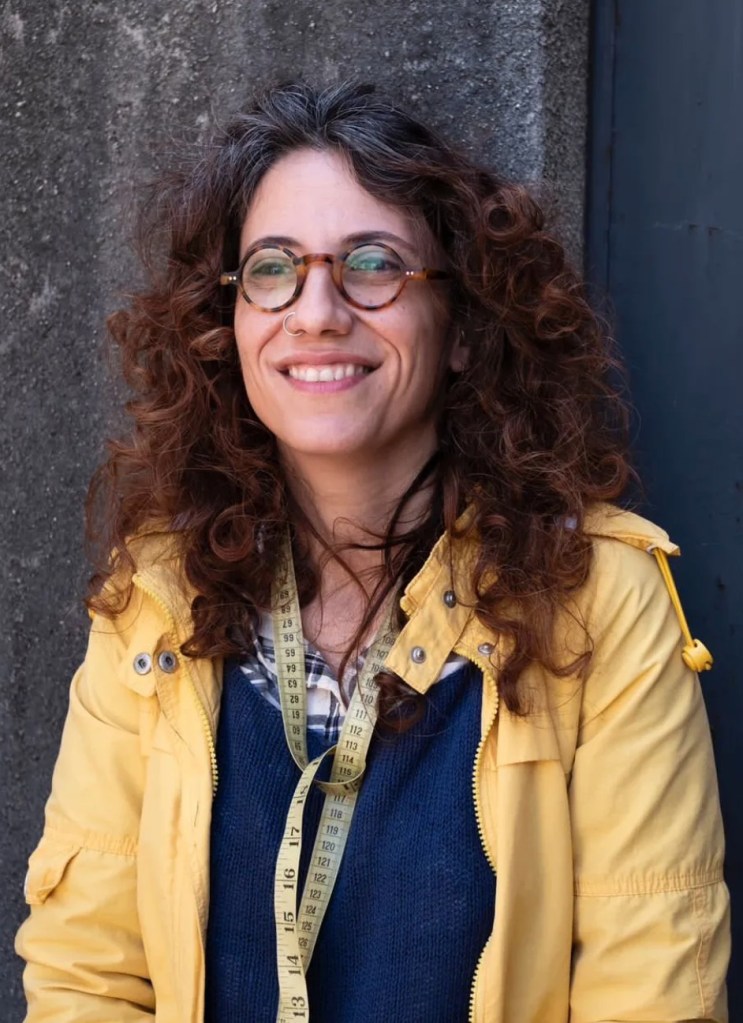
Nadine Helwe, owner of Wootton Creations, leads a Lebanese eco-conscious homeware and lifestyle brand focused on creating sustainable, design-driven products that combine aesthetics with environmental responsibility. The company’s collections include handcrafted baskets, bags, and home accessories made from plant-based materials.
“Before the latest conflict, we were in a steady growth phase, expanding our range, building a loyal local and international customer base, and strengthening our retail presence through our concept store and local markets,” Helwe said.
“Today, we operate with a small, dedicated team across production and retail, in a phase of cautious resilience rather than growth. While the sector has been impacted by reduced spending and ongoing uncertainty, we are seeing a shift where conscious, locally made products are becoming less of a niche and more of a necessity for healthier, more mindful living.”
Helwe highlighted the impact of the conflict on her business included an immediate decline in foot traffic and sales as consumer spending shifted toward essentials, alongside rising costs, electricity challenges, and supply instability.
Despite these pressures, she emphasized. “Running a business in Lebanon is challenging but deeply formative. It pushes you to think creatively, adapt quickly, and operate under constant pressure.
“There is both frustration and pride. Frustration from instability, but pride in building something meaningful despite it. It builds resilience, sharpens decision-making, and teaches you to value small wins.”
Resilient Growth Playbook
“In Lebanon, uncertainty is constant. Diversify your markets, build direct, trusting relationships with buyers, and design your business to withstand disruption. Resilience alone isn’t enough: collaboration, supportive partnerships, and long-term strategies are essential to surviving and protecting the people who depend on your business.” Rose Bechara Perini, founder, Darmmess Social Enterprise.
“Focus on what moves—prioritize fast-selling products and package them into corporate gifts and bundles. Expand your presence through local retail touchpoints like restaurants, guesthouses, and concept stores. Keep your operations lean and adaptable, and most importantly, build strong direct sales channels—Instagram, WhatsApp, and loyal customers will carry you further than anything else,” Nadine Helwe, the owner of Wootton Creations.
Lebanese entrepreneurs explain that running a business in Lebanon brings both frustration and pride: “Frustration from instability, but pride in building something meaningful despite it.”
I need to begin this story by sharing my own doubts about how to navigate reporting on Lebanese entrepreneurs during a period of escalating uncertainty.
In early March 2026, I reached out to about a dozen entrepreneurs in Lebanon, determined not to let their stories be overlooked amid the broader chaos that has unfolded across the region since February 28.
At first, there was only one response -from Rose Bechara Perini, founder of Darmmess Social Enterprise- and silence from the rest.

Tamara Pupic • Editor in Chief, Entrepreneur Middle East
Entrepreneur Staff
Tamara Pupic is the Editor in Chief of Entrepreneur Middle East.