MR PORTER London: A Contemporary Classic
MR PORTER London founder discusses hospitality, design, growth and London’s competitive dining scene.
THE ENTOURAGE GROUP
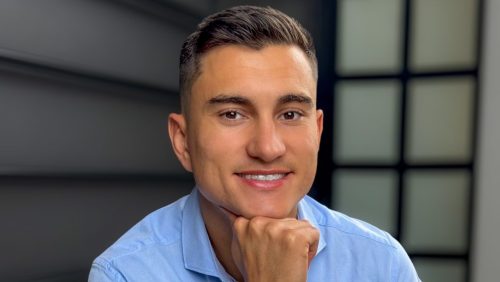
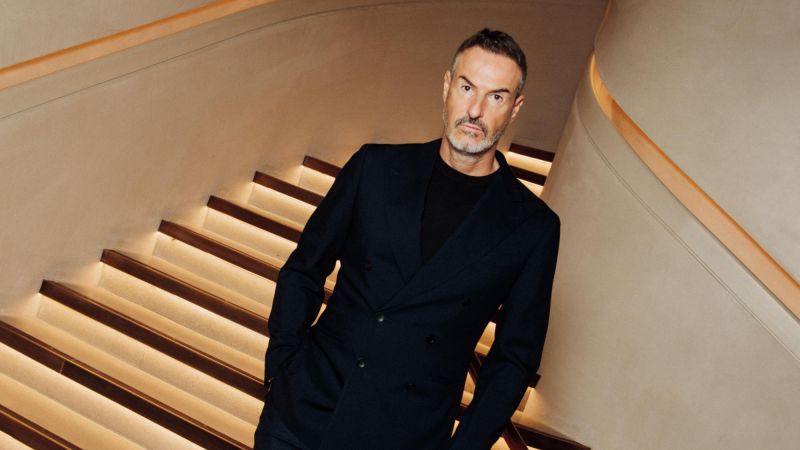
Yossi Eliyahoo, co-owner and founder of THE ENTOURAGE GROUP
You're reading Entrepreneur Middle East, an international franchise of Entrepreneur Media.
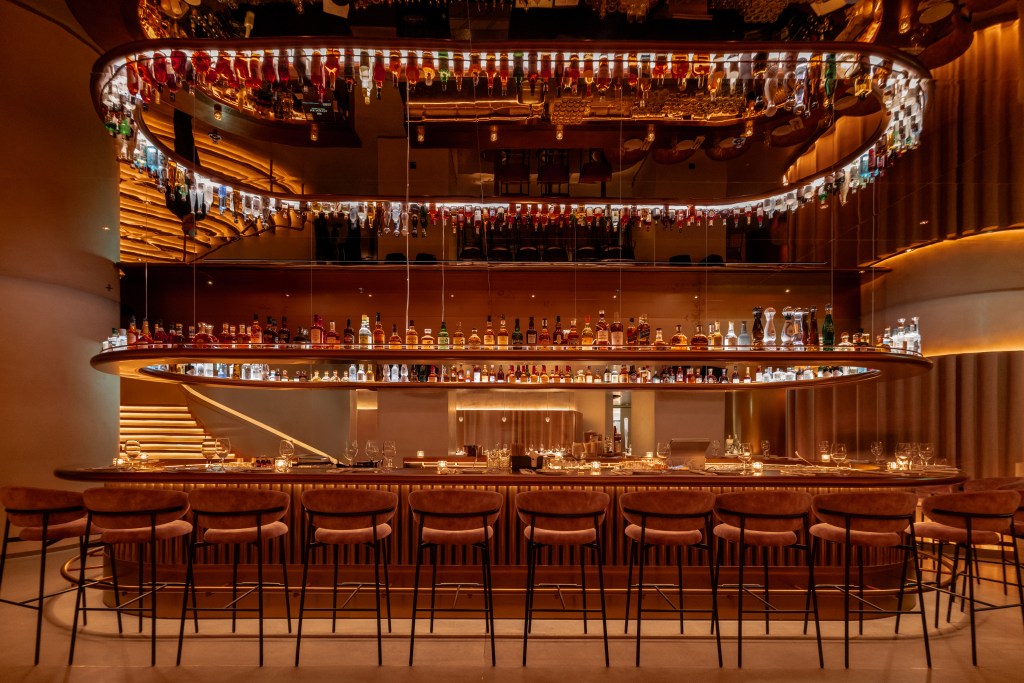
A year in, MR PORTER Restaurant, Bar & Lounge on Park Lane is pulling a crowd – and not by accident. The room has its own rhythm: low light, packed tables, a steady hum that doesn’t dip. It arrived with a buzz and has kept it. Yossi Eliyahoo, co-owner and founder of THE ENTOURAGE GROUP, builds movements across hospitality. People aren’t meant to sit still here. A round bar anchors the space, an open kitchen keeps everything in view, sightlines doing as much work as service. As the London site has just celebrated its first anniversary, Yossi reflects on spaces designed to blur the line between dining, drinking and staying a little longer than planned.
What inspired you to create MR PORTER Restaurant, Bar & Lounge and what did you dream it could become?
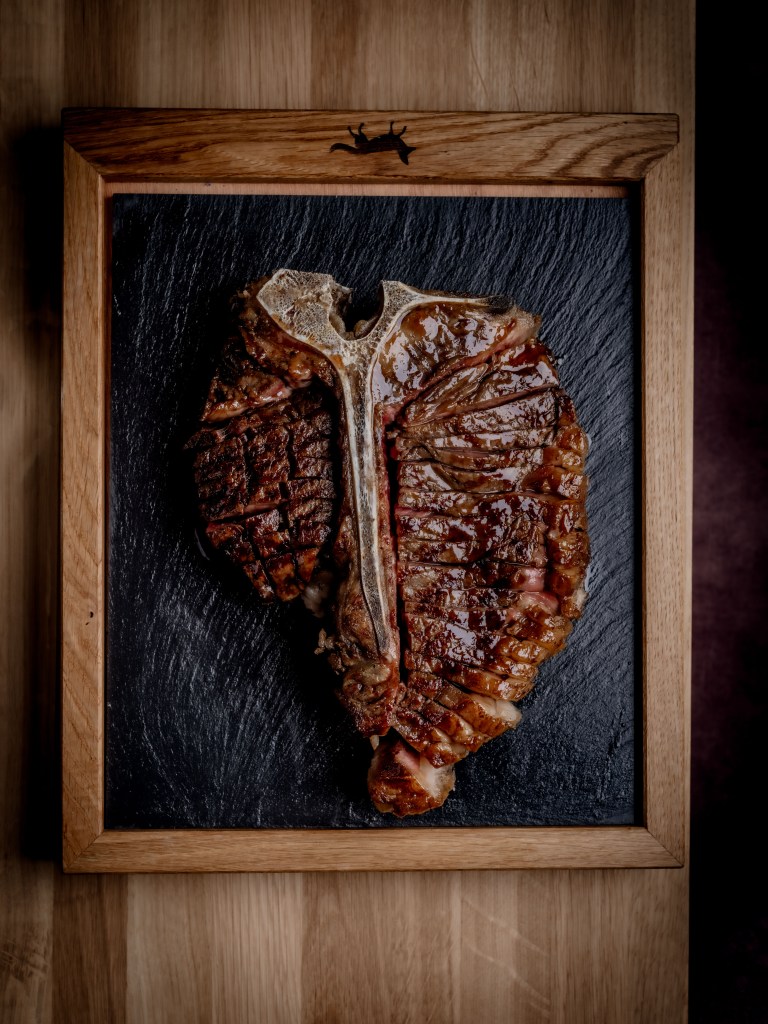
The inspiration was to create a contemporary, modern steakhouse, elegant and welcoming, designed to feel more female-friendly and less like the traditional, masculine New York steakhouse. In many ways, it was about doing the opposite of that classic model. MR PORTER Restaurant Bar & Lounge is very much about a full experience – not just the food, but the setting, the design, and the way people act in the space. The menu reflects that too. It’s not a classic steakhouse offering; there’s a strong Mediterranean influence, alongside innovative and signature dishes. It’s a modern steakhouse not only in its look, but in how people eat. There’s a focus on vegetables, fish, and seafood, and the idea naturally moves towards sharing – rather than the old model of a one-kilo T-bone for one person. Instead, dishes are shared between four, five, sometimes six people, creating a more balanced way of dining. A bit of everything, in a way that feels lighter and more contemporary.
What gave you the confidence to take that first big step and turn the vision into reality?
I didn’t invent the grill or the steakhouse, but the execution and the details behind it – I tailor-made it to my taste, the way I see it, my vision. I’ve done a lot of different cuisines and concepts over the years, from contemporary Japanese, to South of France, to Pan-Asian, even burger concepts. So this is another interpretation of a steakhouse, but filtered through my perspective – how I balance the menu, the drinking culture, the lifestyle, the full experience. I always say I’m not creating restaurants, I’m creating full experiences. People don’t go out only for food anymore. You can order at home, you can do casual dining, you can get take away. When you go somewhere high-end, you want more than that – you want cocktails and drinks you wouldn’t have at home, you want chefs with the skill to create dishes that aren’t ordinary. They can be classics, but the execution has to be precise. For me, it’s all about detail. Details are everything. I choose every spoon, every piece of glassware – nothing is flat, everything has depth. From graphics to design, it all connects. Aesthetics matter, but so does the operation behind it. I design the menus with the chefs, and then execute it with an amazing team I bring in to turn the vision into reality.
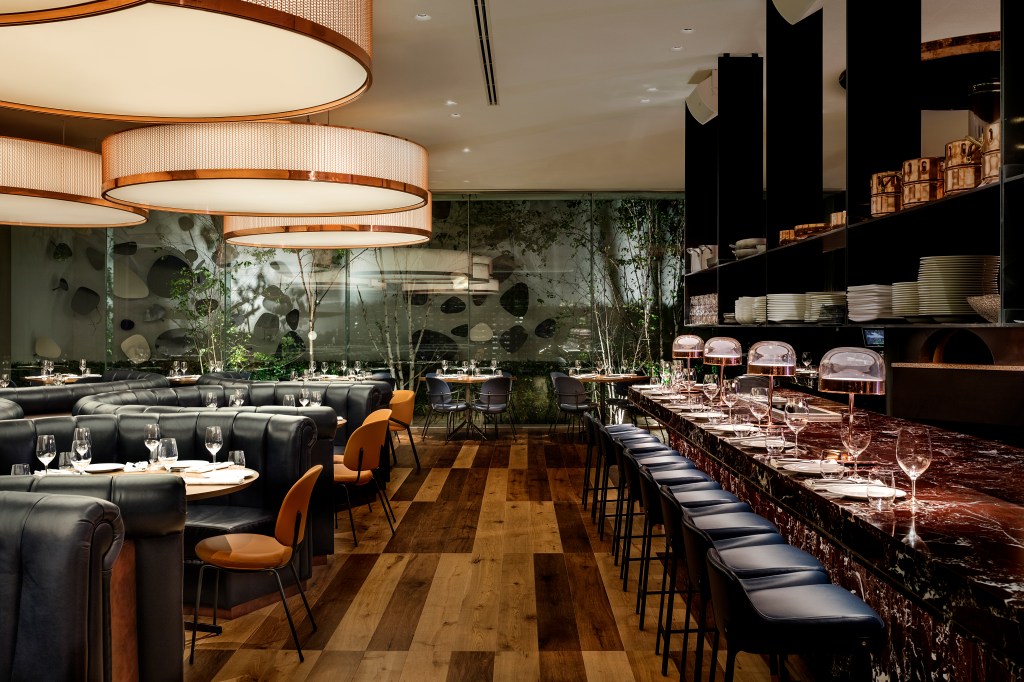
-What kind of feeling do you hope every guest walks away with after experiencing MR PORTER Restaurant, Bar & Lounge?
It all starts with the full guest journey – when someone walks through the door, what they see, how they move through the space, from the restaurant areas to the bar, and through every section in between. I think about the experience at every point. That’s why we often work with a 360-degree bar, and why I try to design tables so they face outwards rather than into walls. I don’t want people sitting for two hours looking at a wall or at bottles. When people go out, it’s to see and be seen – to look at others, to notice what people are wearing, to interact. Otherwise, you stay at home on the sofa. So when you do go out, you want to see the staff in motion too – it becomes part of the experience. It’s showtime. Cocktails being made, drinks being prepared, an open kitchen where everything is visible. You see people in action and you understand that everything is made from scratch, just for you. You’re not just served something and that’s it – you’re part of the process. You see how much effort goes into it, from start to finish.
As a founder, how have you navigated working across different cultures and shifting expectations, and what have you learned from that process?
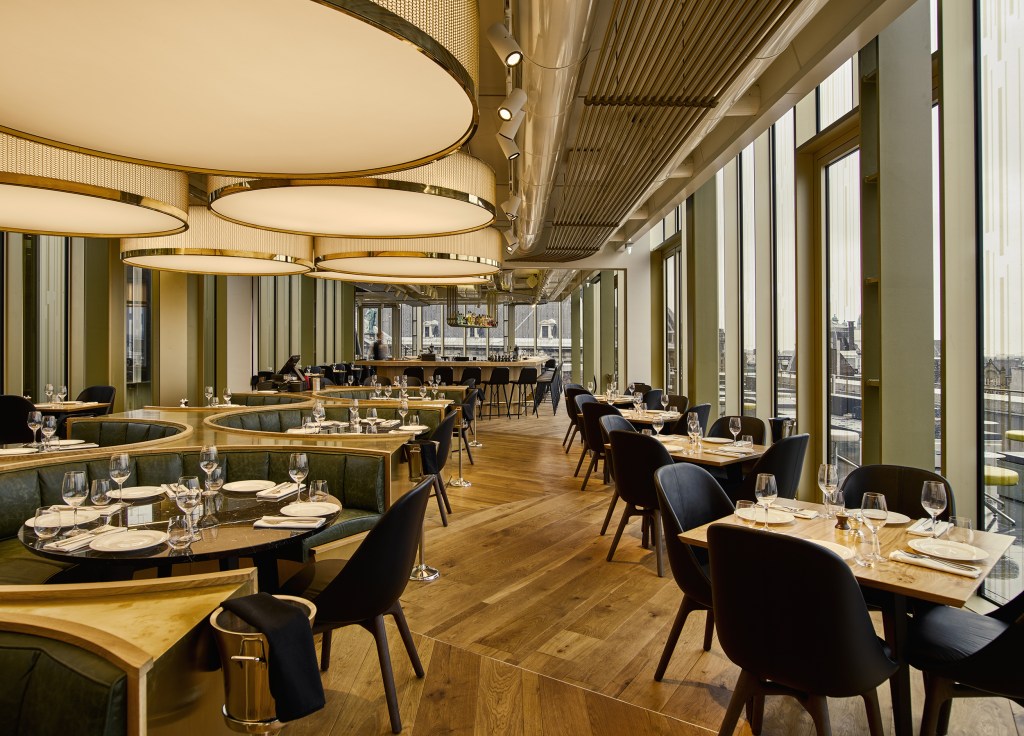
First of all, I don’t believe in copy and paste. Every city, every country has its own habits, its own likes and dislikes. So for me, that approach doesn’t work. I need to create different experiences everywhere. But of course, when it’s a concept, you keep the DNA – you just interpret it differently in each location. We opened nearly 11 years ago in Amsterdam with MR PORTER Restaurant, Bar & Lounge. It’s still, for its size, one of the most successful restaurants in Holland – fully booked seven days a week. Then we went to Barcelona, which is a completely different culture, different habits, different energy. That became one of the hottest spots in the city. And then we opened MR PORTER London, in the middle of Mayfair on Park Lane, just a year ago. We’re now coming up to the first anniversary. I can’t believe how quickly it’s gone. It wasn’t an easy ride – this is the capital, huge competition – but it made a statement. People know it. It’s over 700 square metres, with a late licence, a big bar and lounge, and DJs every night. It’s become a real social space – almost a hub of drinking and interaction. The bar sits at the centre, everything radiates from it. People see each other, make eye contact, and engage. I love the idea of people actually looking at each other again. I always design open spaces – you go out to see people, to see what’s happening. Not to sit somewhere and wonder what you’re missing elsewhere. Everything is open here, even the staircase becomes a kind of catwalk – people coming and going, being seen, seeing others. There’s a sense of movement through the space. It’s elegant, a bit theatrical, and very social. From the ceiling details to the bar finishes in copper and rose gold, everything is considered. That’s important to me – creating something that feels welcoming, not heavy. From the food to the bathrooms, everything is designed with that in mind.
What do you think sets London apart from the other cities you’ve worked in across your hotels and restaurants?
London, for me, is the capital of the world – hospitality, sport, fashion, music, everything. I’ve been here for 25 years now, so I’m very much part of it. I lived here for years, and although I’m now based in Amsterdam, I’m back in London every week – especially over the last couple of years with the restaurant here. I’m here to open, to operate, to lead the team. What makes London different is the level. It’s glamorous, yes, but it’s also tough. The competition is like the Champions League of hospitality. There’s no room for mistakes. The market is full of options, so you can’t just be good – you need to perform. It’s a city where you either operate in casual dining at volume, or you’re at the high end, where expectations are very clear. And if you’re at that level, people expect value for money, consistency, a fresh experience, innovation, a reason to come back. Getting people to come once is one thing. Getting them to return – that’s the real test. That’s when you know you’ve built something. When it becomes a habit, a place people actively choose again and again.
It’s 2026 in the UK, and the economic outlook feels pretty tough. For someone starting out or trying to build something of their own, what would your advice be – based on your own experience as an entrepreneur?
Hospitality is a very tough industry – it’s high risk, even if you have experience, even if you understand the market, even if you have a strong location. There are still so many moving parts. And I think if you don’t have a lot of experience, or you don’t really know what you’re doing step by step – operation, service, everything that sits behind the scenes – you’re putting yourself at an even higher risk. For me, I love it. My passion is hospitality. I love the social energy, the sense of showtime, the interaction – with the team, with guests, everything that happens in the room. But my main advice would be: learn everything. You can’t rely only on other people to know it for you. You need to understand it yourself – because otherwise you don’t know what to expect from your team, how to lead them properly, or even what your customers really need and want. The same goes for design, or service, or operation. If there’s a gap in knowledge, it increases the risk significantly. The more you understand, the more control you have over what you’re building.
Can you talk a little about what’s next for here, and more broadly for THE ENTOURAGE GROUP?
THE ENTOURAGE GROUP is now close to 20 years old. We launched it in Amsterdam years ago, and over time it’s grown into a portfolio of brands across different levels of hospitality – high-end concepts, casual dining, fast-casual, nightlife, clubs and bars. Everything has been created and founded by us over the years, across all of those layers. That’s quite unique, because a lot of companies focus on one lane – either casual dining, or burgers, or Japanese, or fine dining. We’ve always worked across all of it. High-end concepts, casual concepts, even faster food formats. That breadth has really shaped who we are. We started in Amsterdam, then expanded into Spain – Barcelona, Ibiza – then Germany, places like Munich, Hamburg, Berlin, and now we’re back in the UK with London. And I want to grow further here. I think we’re already established, but there’s a lot more to do in this market.
Of course, the environment right now is challenging – everywhere is cyclical. There are ups and downs, global pressures, uncertainty. But that’s always been the case in one form or another. It moves. Still, the focus is clear. We want to continue developing MR PORTER Restaurant, Bar & Lounge – take it into bigger cities like Milan, Madrid, Miami. We also want to grow further in London and the wider UK. Alongside that, I want to scale THE BUTCHER, our high-end burger concept, which has become very strong. At the moment we have around 12 sites, with more in the pipeline, and the direction is global expansion – structured growth, including franchising. So the focus now is really about building MR PORTER Bar & Lounge and THE BUTCHER into international brands.
A year in, MR PORTER Restaurant, Bar & Lounge on Park Lane is pulling a crowd – and not by accident. The room has its own rhythm: low light, packed tables, a steady hum that doesn’t dip. It arrived with a buzz and has kept it. Yossi Eliyahoo, co-owner and founder of THE ENTOURAGE GROUP, builds movements across hospitality. People aren’t meant to sit still here. A round bar anchors the space, an open kitchen keeps everything in view, sightlines doing as much work as service. As the London site has just celebrated its first anniversary, Yossi reflects on spaces designed to blur the line between dining, drinking and staying a little longer than planned.
What inspired you to create MR PORTER Restaurant, Bar & Lounge and what did you dream it could become?
The inspiration was to create a contemporary, modern steakhouse, elegant and welcoming, designed to feel more female-friendly and less like the traditional, masculine New York steakhouse. In many ways, it was about doing the opposite of that classic model. MR PORTER Restaurant Bar & Lounge is very much about a full experience – not just the food, but the setting, the design, and the way people act in the space. The menu reflects that too. It’s not a classic steakhouse offering; there’s a strong Mediterranean influence, alongside innovative and signature dishes. It’s a modern steakhouse not only in its look, but in how people eat. There’s a focus on vegetables, fish, and seafood, and the idea naturally moves towards sharing – rather than the old model of a one-kilo T-bone for one person. Instead, dishes are shared between four, five, sometimes six people, creating a more balanced way of dining. A bit of everything, in a way that feels lighter and more contemporary.
What gave you the confidence to take that first big step and turn the vision into reality?
I didn’t invent the grill or the steakhouse, but the execution and the details behind it – I tailor-made it to my taste, the way I see it, my vision. I’ve done a lot of different cuisines and concepts over the years, from contemporary Japanese, to South of France, to Pan-Asian, even burger concepts. So this is another interpretation of a steakhouse, but filtered through my perspective – how I balance the menu, the drinking culture, the lifestyle, the full experience. I always say I’m not creating restaurants, I’m creating full experiences. People don’t go out only for food anymore. You can order at home, you can do casual dining, you can get take away. When you go somewhere high-end, you want more than that – you want cocktails and drinks you wouldn’t have at home, you want chefs with the skill to create dishes that aren’t ordinary. They can be classics, but the execution has to be precise. For me, it’s all about detail. Details are everything. I choose every spoon, every piece of glassware – nothing is flat, everything has depth. From graphics to design, it all connects. Aesthetics matter, but so does the operation behind it. I design the menus with the chefs, and then execute it with an amazing team I bring in to turn the vision into reality.
Patricia Cullen
Entrepreneur Staff