LinkedIn Was Never Meant To Make You Famous
Why most experts are withdrawing from LinkedIn, and how understanding the platform changes everything.
Opinions expressed by Entrepreneur contributors are their own.
You're reading Entrepreneur Middle East, an international franchise of Entrepreneur Media.
“Cringe.” “Self-promotional.” “The same AI copy-paste content.” That is how many professionals now describe LinkedIn.
The criticism is understandable. Open the platform for a few minutes and the patterns become obvious. The same storytelling formulas repeat themselves. Corporate jargon blends into motivational advice. Everyone seems to be building a “personal brand,” yet very little of the content actually communicates expertise or meaningful industry perspective.
As a result, many professionals have started disengaging from the platform altogether. Some stopped posting entirely. Others reduced their activity to occasional announcements because they no longer know what professional visibility is supposed to look like online.
However, stepping back from visibility is not an option.
Investors research founders online before meetings take place. Journalists assess experts before requesting commentary. Conference organizers review profiles before extending speaking invitations. Senior hires, advisors, consultants, and board candidates are increasingly evaluated through their public professional presence long before formal conversations begin.
And this is where many professionals misunderstand LinkedIn.
The platform was never designed to function like an influencer platform. It was always built around expertise, professional identity, industry relevance, and discoverability. The fact that certain creators managed to build massive audiences a few years ago distorted how people started measuring success on the platform.
Visibility became associated with virality.
That created unrealistic expectations for professionals whose actual goal was never internet fame in the first place. Most founders, executives, and industry experts are not trying to become lifestyle creators. They simply want stronger positioning within their industry, better business relationships, media opportunities, speaking invitations, partnerships, investor confidence, and access to higher-level conversations.
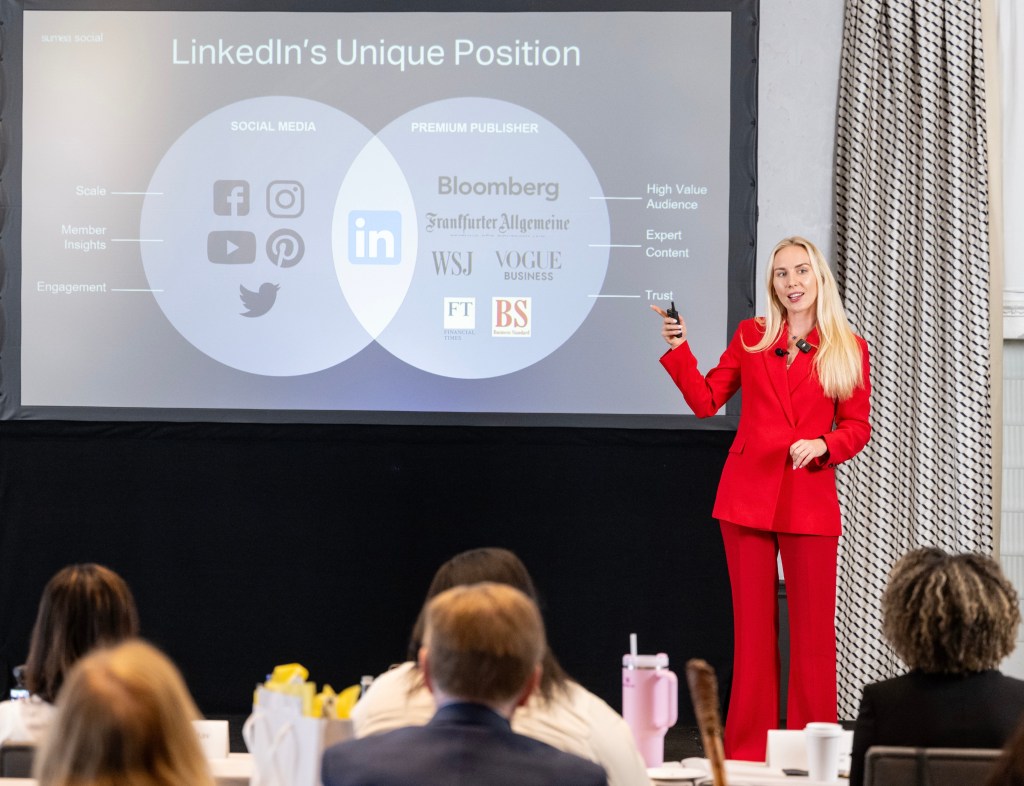
When I received the LinkedIn Top Voice badge, LinkedIn directly explained how the platform sees itself: at the intersection of social media and premium publishing. Social media means two-way communication. Premium publishing means lower volume, higher quality, expert-driven content. That combination is exactly what makes the platform powerful.
In practice, this means experts need to focus on three core elements:
1. Treat your profile like a personal landing page
Your profile should clearly showcase your professional experience while also communicating what drives you personally in your work and mission.
The basics matter more than many people think: a complete profile, a professional banner, a strong profile picture, and a clear name without unnecessary acronyms or emojis. When a journalist, investor, conference organizer, or potential client lands on your page, it should become obvious within seconds what you are an expert in.
2. Create expert-driven content
Convert your professional observations, perspectives, and “aha moments” into content.
While LinkedIn is a professional platform, that does not mean the content needs to feel corporate or overly polished. The content categories can and should range from expert perspectives, charts, graphs, and commentary on industry developments to event participation, showing your audience that you are actively involved in your field, alongside a smaller percentage of personal reflections.
The key is that the content remains insight-driven rather than self-promotional.
Every post should communicate one clear message. Not two or three. But also not zero. Attention spans are short, and if readers remember one strong insight after reading your post, the content already achieved its purpose.
What works long term is recognizable perspective. Content that reflects real experience, clear thinking, and ideas that could not simply be copied, pasted, and published by anyone else.
3. Engage strategically
LinkedIn is not just a publishing platform. It is equally a networking platform.
That does not mean engaging with everyone. It means engaging strategically with colleagues, industry peers, target audiences, and conversations connected to your professional goals.
The days where a large number of followers automatically translated into broad reach are largely gone. Relevance matters more than volume. A smaller but highly relevant network is often significantly more valuable than passive visibility at scale.
This is where the social media aspect of LinkedIn becomes particularly important. Professionals who want to grow on the platform cannot simply “post and ghost.” They need to participate actively by posting, scrolling, liking, commenting, and contributing to relevant conversations over time.
This is also where LinkedIn’s positioning between premium publishing and social media becomes particularly important. Publishing creates authority. Engagement creates network effects. Professionals who understand both sides of the platform usually navigate it far more effectively.
The rise of AI will likely reinforce this dynamic even further.
As content generation becomes easier, genuine expertise, recognizable perspective, and clear positioning become more valuable. Those qualities are significantly harder to automate than people assume.
And for experts willing to approach the platform that way, LinkedIn remains one of the most valuable professional tools available today.
“Cringe.” “Self-promotional.” “The same AI copy-paste content.” That is how many professionals now describe LinkedIn.
The criticism is understandable. Open the platform for a few minutes and the patterns become obvious. The same storytelling formulas repeat themselves. Corporate jargon blends into motivational advice. Everyone seems to be building a “personal brand,” yet very little of the content actually communicates expertise or meaningful industry perspective.
As a result, many professionals have started disengaging from the platform altogether. Some stopped posting entirely. Others reduced their activity to occasional announcements because they no longer know what professional visibility is supposed to look like online.

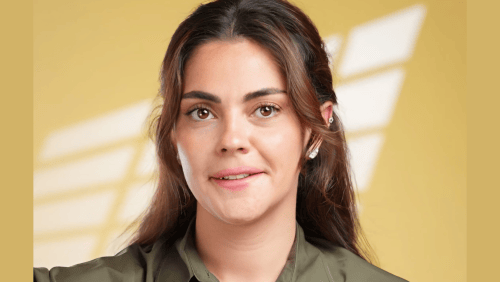
Svenja Maltzahn • Founder, Sumea Social
Svenja Maltzahn is the founder of Sumea Social, a Dubai-based PR and LinkedIn agency specializing... Read more