Finding The Balance: The Cyclical Dilemma Of Demanding Excellence
It is my belief that our tendency to micromanage comes from our -sometimes reasonable, and sometimes unreasonable- expectation (or hope) to see the same drive and standards for work as ours in others.

Shutterstock.com
You're reading Entrepreneur Middle East, an international franchise of Entrepreneur Media.
As someone who’s somewhat of an annoying stickler for perfection, one of the things that I often struggle with when exercising the leadership aspect of my role is to avoid falling into a micro-managerial mindset when demanding excellence from those I work with.
Now, this is not a dilemma unique to me- I am sure that many entrepreneurs leading teams of their own will find themselves with a similar disposition more often than they’d like to in their career trajectories. Indeed, it is my belief that our tendency to micromanage comes from our -sometimes reasonable, and sometimes unreasonable- expectation (or hope) to see the same drive and standards for work as ours in others.
However, I have come to realize that not only is this unfortunately easier said than done, it may also be unfair at times. Sure, we’ve all had to deal with employees who just don’t seem to have the proverbial fire in their bellies to get things done in the manner that we expect, or simply don’t care to look at things with the attention to detail that comes as second nature to us. That said, one cannot expect one’s subordinates to hone their own sense of craft without the luxury of being allowed to make mistakes and bring their own visions to the table. And while we might be tempted to attempt to control how our employees go about their work (or just give up and go in to do it ourselves), I can safely say from first-hand experience that this is not something that will pan out well in the long run.
After perusing a fair number of books and blogs on this subject, I’ve been told that the solution to such a predicament lies in leaders setting clear expectations from their teams from the very beginning, letting them take ownership of whatever they’re tasked with, and focusing more on the outcome as opposed to the process. However, I must admit that I’ve had limited success when making use of this strategy- what happens when the expected results don’t match with what is actually presented to you in the end, and how long does one go on with the “let-them-make-mistakes-as-that’s-how-they-will-learn” mindset, especially when you’re on a deadline, and/or on the client’s dime?
I must admit that I don’t have all the answers; for me, though, it remains a balancing act. Sometimes, I have to accept that done is better than perfect. And at other times, it’s about spewing fire to make sure my team always aims higher than, well, just getting things done.
As someone who’s somewhat of an annoying stickler for perfection, one of the things that I often struggle with when exercising the leadership aspect of my role is to avoid falling into a micro-managerial mindset when demanding excellence from those I work with.
Now, this is not a dilemma unique to me- I am sure that many entrepreneurs leading teams of their own will find themselves with a similar disposition more often than they’d like to in their career trajectories. Indeed, it is my belief that our tendency to micromanage comes from our -sometimes reasonable, and sometimes unreasonable- expectation (or hope) to see the same drive and standards for work as ours in others.
However, I have come to realize that not only is this unfortunately easier said than done, it may also be unfair at times. Sure, we’ve all had to deal with employees who just don’t seem to have the proverbial fire in their bellies to get things done in the manner that we expect, or simply don’t care to look at things with the attention to detail that comes as second nature to us. That said, one cannot expect one’s subordinates to hone their own sense of craft without the luxury of being allowed to make mistakes and bring their own visions to the table. And while we might be tempted to attempt to control how our employees go about their work (or just give up and go in to do it ourselves), I can safely say from first-hand experience that this is not something that will pan out well in the long run.

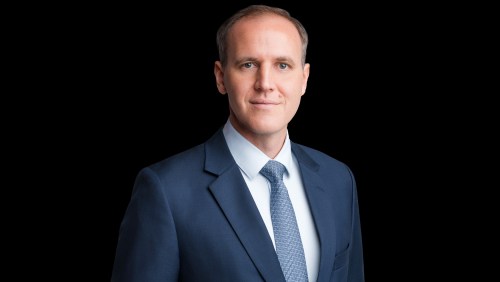
Aby Sam Thomas • Former Editor in Chief of Entrepreneur Middle East
Entrepreneur Staff
Aby Sam Thomas is the former Editor in Chief of Entrepreneur Middle East. Having started... Read more