Dubai’s Gyms Offer a Snapshot of the City’s Economic Resilience
Continued gym attendance across Dubai reflects strong public confidence in the UAE’s crisis management and the institutions guiding the response.
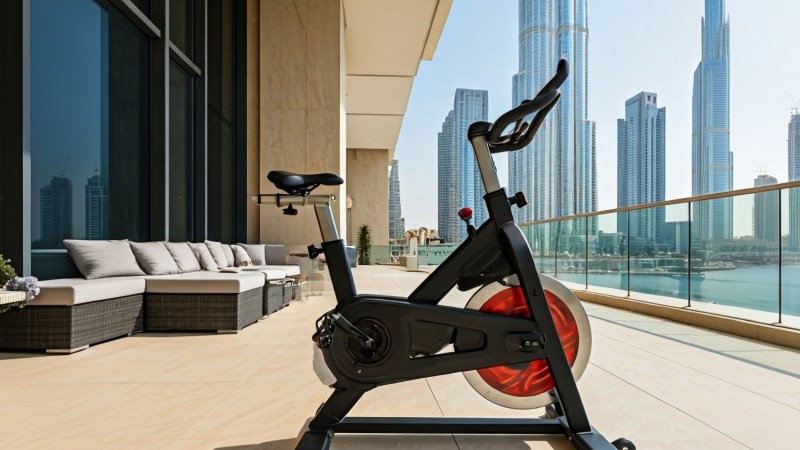
Shutterstock AI
Image courtesy: Shutterstock AI
You're reading Entrepreneur Middle East, an international franchise of Entrepreneur Media.
With sensational international headlines amplifying concerns over tensions in the GCC, questions have arisen about how quickly Dubai’s economy would rebound from any temporary disruption. One sector offering a clear snapshot of the city’s resilience is fitness.

According to Loren Holland, founder of GymNation, the company experienced a brief dip in attendance across its locations at the start of the escalation. “There was a short-term impact over the weekend (Feb 28 – March 1) and into Monday (March 2), where check-ins across our gyms dropped by around 25–30%,” Holland says.
“As the week has progressed and confidence in the safety and security of the region has grown, we’ve seen members quickly return to their normal routines — including their gym visits,” Holland adds.
GymNation reports that attendance has already rebounded significantly. “As of today, check-ins across our clubs are already back to around 90% of normal levels, which is a strong indicator that people are resuming their everyday habits. We’re also continuing to see the typical Ramadan patterns, with post-iftar remaining our busiest time.”

A similar trend has been observed at Wellfit. Gareth Jones, Chief Operating Officer at Wellfit, who explains that Wellfit’s data shows only a temporary fluctuation in member behavior. “The data paints a measured picture. Daily check-ins showed an initial slight drop compared to our normal day-of-week baseline, recovering steadily to normal levels by Wednesday, March 5,” he says.
Two other fitness operators report similar trends, pointing to only minor and temporary shifts in member behavior.

Kate Milewska, Chief Operating Officer at FitnGlam, says the women-only fitness brand has continued to see strong engagement from its members despite small fluctuations in attendance. “As a women-only space, FitnGlam naturally experiences seasonal attendance patterns. Ramadan brings its own rhythm, and the shift to school-from-home meant many mothers reprioritized their days,” she explains.
“Usage has fluctuated very slightly over the course of recent days. Some hourly attendance patterns shifted, largely due to work-from-home, but members have continued to book classes, engage with personal training, and show up.”
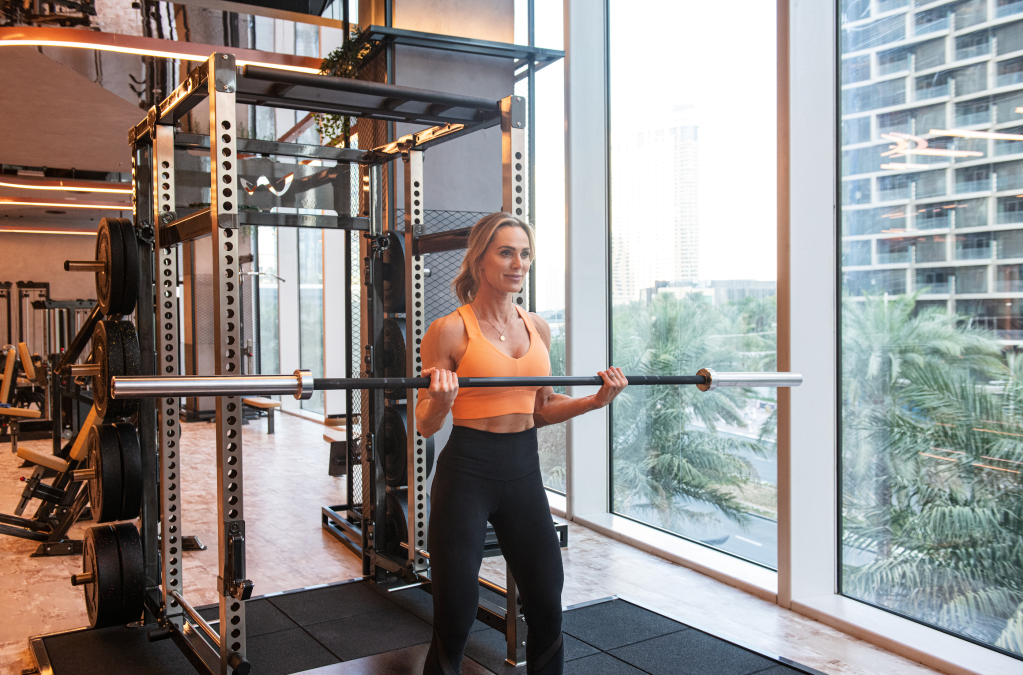
At boutique performance training studio ROAR Fitness, founder Sarah Lindsay says operational changes have been minimal, with the main impact stemming from family logistics rather than safety concerns.
“We have lost some sessions due to home schooling mostly and lack of last-minute childcare,” Lindsay says. “More clients are training off-peak hours during the day as their working and childcare routines have changed.”
Despite these small adjustments, she notes that demand for fitness remains steady. “I think people feel quite comfortable and confident that they are safe and want to keep up with their fitness routine.”
In conclusion, Gareth Jones, Chief Operating Officer at Wellfit, says the gym sector’s data ultimately reflects a broader sense of confidence across the UAE.
“What the data reflects, more than anything, is trust in the UAE’s response and in the institutions managing the situation,” he says. “Members continued to attend our facilities, and that is a meaningful signal. It tells us that people here feel safe, and that confidence is grounded in how the government has handled this. The behavior we’re seeing from our members is fully aligned with that broader sentiment.”
Related: UAE Ministry of Economy and Tourism Affirms Smooth Operations Amid Regional Developments
With sensational international headlines amplifying concerns over tensions in the GCC, questions have arisen about how quickly Dubai’s economy would rebound from any temporary disruption. One sector offering a clear snapshot of the city’s resilience is fitness.
According to Loren Holland, founder of GymNation, the company experienced a brief dip in attendance across its locations at the start of the escalation. “There was a short-term impact over the weekend (Feb 28 – March 1) and into Monday (March 2), where check-ins across our gyms dropped by around 25–30%,” Holland says.
“As the week has progressed and confidence in the safety and security of the region has grown, we’ve seen members quickly return to their normal routines — including their gym visits,” Holland adds.
GymNation reports that attendance has already rebounded significantly. “As of today, check-ins across our clubs are already back to around 90% of normal levels, which is a strong indicator that people are resuming their everyday habits. We’re also continuing to see the typical Ramadan patterns, with post-iftar remaining our busiest time.”
A similar trend has been observed at Wellfit. Gareth Jones, Chief Operating Officer at Wellfit, who explains that Wellfit’s data shows only a temporary fluctuation in member behavior. “The data paints a measured picture. Daily check-ins showed an initial slight drop compared to our normal day-of-week baseline, recovering steadily to normal levels by Wednesday, March 5,” he says.

Tamara Pupic • Editor in Chief, Entrepreneur Middle East
Entrepreneur Staff
Tamara Pupic is the Editor in Chief of Entrepreneur Middle East.