Luxury Brands Do Not Chase Emotion; They Build Emotional Authority That Compounds Into Lasting Trust
People rarely follow brands because those brands simply provide information. They follow brands because those brands make them feel understood.

Wael Mckee
Opinions expressed by Entrepreneur contributors are their own.
You're reading Entrepreneur Middle East, an international franchise of Entrepreneur Media.
For years, businesses have been told that emotional branding means making people laugh, cry, or feel inspired. Somewhere along the way, we reduced one of branding’s most powerful principles to advertising that tugs at heartstrings. We assumed that if an audience shed a tear or smiled at the end of a campaign, an emotional connection had been established.
I believe that misconception is quietly limiting the true potential of brands.
Emotion is not measured by how dramatic your campaign is. It is measured by how deeply your audience believes you understand them. There is a profound difference between creating an emotional reaction and earning emotional authority. The first is temporary. The second compounds over time until it becomes something even more valuable: emotional ownership.
That distinction has never mattered more. Around 87% of consumers are willing to pay more for a brand they trust, even as economic pressures continue to shape purchasing decisions. Price still matters, but trust increasingly determines where people choose to spend their money. That reality extends beyond luxury. Whether someone is buying software, booking a hotel, or investing in professional services, trust has become one of the strongest commercial advantages a brand can possess.
Too many businesses believe emotional branding belongs exclusively to charities, humanitarian organizations, or companies producing sentimental advertisements. They assume emotional authority requires dramatic storytelling or highly emotional campaigns.
It does not. Some of the strongest examples of emotional authority come from luxury brands, yet very few of them attempt to make audiences cry. Their strength lies somewhere much deeper. Over decades and sometimes centuries, they have built identities so consistent that every interaction reinforces what they already stand for. Their messaging evolves with culture, but their convictions remain remarkably stable. That consistency gives their brands emotional weight because people know what to expect before a single product is introduced.
Luxury is rarely purchased because of specifications alone. It is purchased because of belief. That same principle applies to every business, regardless of industry.
I often say that expertise alone is no longer enough. The world is filled with experts. It is filled with businesses that possess remarkable technical ability, exceptional products, and impressive credentials. Yet expertise, by itself, does not create authority. Knowledge informs people. Emotional relevance earns their trust.
People rarely follow brands because those brands simply provide information. They follow brands because those brands make them feel understood.
That is where emotional authority begins. For me, emotional authority is built on four interconnected foundations.
The first is meaning.
Every memorable brand stands for something larger than the products or services it sells. That purpose does not have to be world-changing. Sometimes it is confidence. Sometimes it is belonging. Sometimes it is mastery, freedom, craftsmanship, or simplicity. What matters is that the audience understands why the brand exists before it understands what the brand sells.
Too many companies reverse this order. They introduce services before establishing significance. They lead with features before explaining the purpose. They tell customers what they do without ever giving people a reason to care.
The second foundation is memory.
Meaning is only valuable if people remember it. Brands create memory through consistent experiences rather than isolated campaigns. Every interaction leaves a small emotional imprint. A conversation with an employee, the way a company handles a complaint, the tone of its communication, or even a thoughtful gesture can reinforce what the brand represents.
Those moments accumulate. They are rarely dramatic, yet collectively they shape how people remember you.
I have seen organizations strengthen emotional authority through surprisingly small decisions. A thoughtful customer experience, an unexpected act of generosity, or a detail that reflects genuine care may appear insignificant in isolation. Yet when these actions consistently reflect the brand’s identity, they become memorable not because they are extraordinary, but because they are authentic.
This is where many organizations misunderstand emotion. They search for increasingly elaborate campaigns while overlooking the everyday experiences that quietly define their reputation.
Trust is built through repeated, reliable interactions rather than isolated moments of inspiration. Relationships strengthen when expectations are met consistently over time, not simply when brands produce memorable advertising.
That leads directly to the third foundation: consistency. Consistency is not repetition. It is alignment.
Customers should encounter the same beliefs reflected in your decisions, your communication, your leadership, and your customer experience. When your values change with every campaign, your audience is forced to question whether those values were ever genuine in the first place. Consistency is what keeps memory alive. Without it, meaning fades quickly.
The final foundation is proof. Every brand makes promises. Only some provide evidence. Proof transforms perception into trust.
Proof is where branding stops being a promise and starts becoming a reputation. Every time a brand delivers on what it says, trust grows. Over time, that trust becomes authority, not because the brand claims it, but because people believe it.
That is the difference between appearing authoritative and becoming authoritative.
I see too many businesses making the same mistakes. They lead with credentials before establishing meaning. They constantly change their messaging in pursuit of trends. They focus on appearing bigger instead of becoming more trustworthy. Visibility may attract attention, but it cannot replace consistency.
Luxury brands have understood this for generations. Their strength does not come from louder campaigns or constant reinvention. It comes from repeatedly reinforcing the same beliefs through every customer interaction. Their products evolve, but their identity remains unmistakable.
That is why emotional authority is never built overnight. It grows through meaning, reinforced by memory, strengthened by consistency, and proven through action. Only then does trust emerge. And when trust is sustained long enough, it becomes what I call emotional ownership.
In an age where almost every business is competing for attention, I believe the real competitive advantage is no longer being the loudest voice in the market. It is becoming the brand that people instinctively trust because they feel understood. That is the kind of connection no campaign can manufacture and no competitor can easily replicate.
About the Author
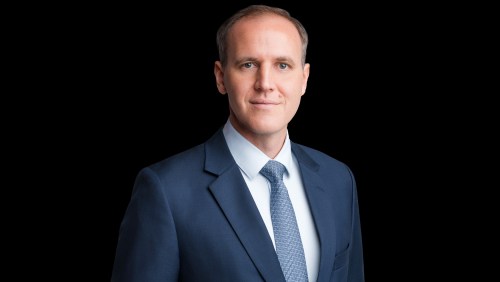
Wael Mckee is a brand strategist and luxury branding specialist who helps organizations build stronger market positioning through brand identity, emotional authority, and long-term trust. He is the creator of the Emotional Authority Framework and advises businesses on building brands that earn lasting customer loyalty.
For years, businesses have been told that emotional branding means making people laugh, cry, or feel inspired. Somewhere along the way, we reduced one of branding’s most powerful principles to advertising that tugs at heartstrings. We assumed that if an audience shed a tear or smiled at the end of a campaign, an emotional connection had been established.
I believe that misconception is quietly limiting the true potential of brands.
Emotion is not measured by how dramatic your campaign is. It is measured by how deeply your audience believes you understand them. There is a profound difference between creating an emotional reaction and earning emotional authority. The first is temporary. The second compounds over time until it becomes something even more valuable: emotional ownership.

Wael Mckee is a branding strategist and transformation consultant who works with organizations and leadership... Read more