AI Ethics to Gen Z: SEF 2025 Round Up
Annual event showcases what the future holds.
You're reading Entrepreneur Middle East, an international franchise of Entrepreneur Media.
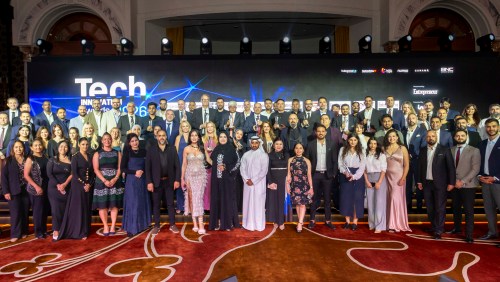
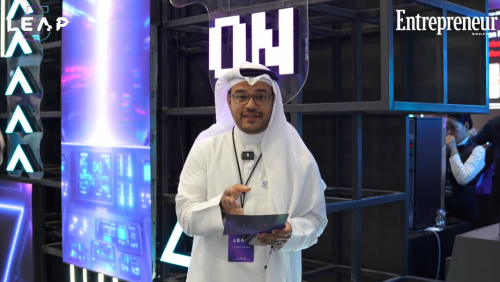
With artificial intelligence evolving at an unprecedented pace, the Sharjah Entrepreneurship Festival (SEF) 2025 turned the spotlight on its impact on humanity in the session “Shaping the Future of Humanity & AI.”
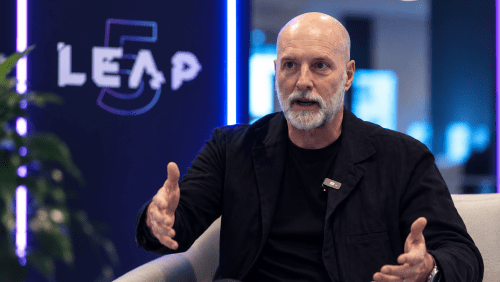
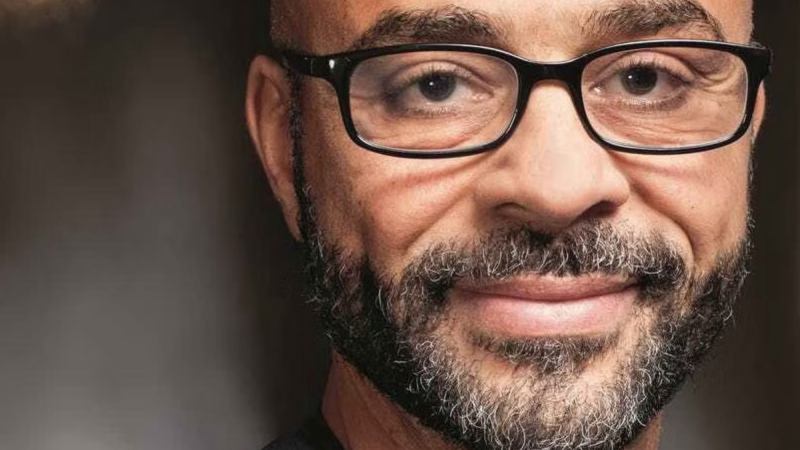
Egyptian entrepreneur, author and Google X’s former chief business officer Mo Gawdat shared a compelling vision for the next decade, underscoring the urgency of ethical AI development. “The future of AI isn’t just about technology – it’s about responsibility. It’s on us to lay down the ethical framework that ensures AI serves humanity, not the other way around,” said the author of Solve for Happy and Scary Smart.
Likening AI to Superman, Gawdat said, “The alien has arrived, and its superpower is intelligence. If we guide AI with the right ethical framework, it can become a force for good, just like Superman using his powers to save the world. But what if, instead, we teach it greed, bias, and destruction? If his adoptive parents had told him to kill and steal, Superman would have become a villain. The same applies to AI – its impact depends entirely on the values we instill in it today.”
“By 2029, AI will be a billion times smarter than the human brain,” Gawdat stated, warning that the choices made today will determine whether AI becomes humanity’s greatest ally or its biggest challenge.
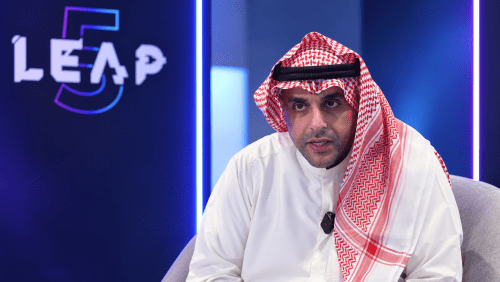
Moderated by Abdullah Al Shimmari, the discussion explored the responsibility of innovators, policymakers, and everyday users in guiding AI’s trajectory. Gawdat emphasised that AI is not inherently good or evil – it reflects the data and values we feed into it. “We need to teach AI empathy, ethics, and purpose, just as we would a child,” he urged.
Earlier, “Generation Next: Why Young People Are Natural Social Innovators” showcased how the next wave of entrepreneurs is leading change. Dr Eric Dawson, CEO of Rivet, highlighted that young people are at the forefront of solving global challenges, leveraging technology and social innovation to drive impact despite a huge gap in investments made currently.
“Research shows that youth have been at the forefront of social innovation over the past 120 years and they are changing the world like never before. Yet out of the 2 billion young people in the world today, 85 per cent of them live in capital deserts with little access to the financial or social capital critical to launch new ideas with just 0.002 per cent of the $650b donated social philanthropic causes in 2023 going to early-stage, youth-led social innovations,” said Dr Dawson who leads the core team at Rivet.
The startup has been channeling the “collective economic power” of young consumers to fund their work as social innovators by partnering with brands, influencers, and NGOs in amplifying social change projects led by young people all over the world.
“But the good news is that young people are changing the world as consumers with Gen Z controlling over $3 trillion in annual spending that is projected to surpass $12 trillion by 2030. To make a real impact, we need to bridge the gap between charity and solidarity by not just random acts of kindness, but meaningful, sustained actions.”
Citing the example of Walter, a Rivet ambassador in Uganda, Dr Dawson then spoke about harnessing ‘that collective power’ of the youth to fund ideas that change the world. “Walter, who watched the girls in his community in rural Uganda leave school and end their education as soon as they started menstruating. His own sister was married and had four children while she was still a teenager. Walter used his RIVET grant to purchase sewing machines that allow young men and women in the community to produce reusable menstrual pads, allowing girls to stay in school longer and delay marriage and childbearing,” said Dr Dawson, explaining Rivet’s microfinancing schemes that have funded 1136 projects across 120 countries led by young people tackling everything from food insecurity in rural areas to systemic gender bias in their communities.
With artificial intelligence evolving at an unprecedented pace, the Sharjah Entrepreneurship Festival (SEF) 2025 turned the spotlight on its impact on humanity in the session “Shaping the Future of Humanity & AI.”
Egyptian entrepreneur, author and Google X’s former chief business officer Mo Gawdat shared a compelling vision for the next decade, underscoring the urgency of ethical AI development. “The future of AI isn’t just about technology – it’s about responsibility. It’s on us to lay down the ethical framework that ensures AI serves humanity, not the other way around,” said the author of Solve for Happy and Scary Smart.
Likening AI to Superman, Gawdat said, “The alien has arrived, and its superpower is intelligence. If we guide AI with the right ethical framework, it can become a force for good, just like Superman using his powers to save the world. But what if, instead, we teach it greed, bias, and destruction? If his adoptive parents had told him to kill and steal, Superman would have become a villain. The same applies to AI – its impact depends entirely on the values we instill in it today.”
“By 2029, AI will be a billion times smarter than the human brain,” Gawdat stated, warning that the choices made today will determine whether AI becomes humanity’s greatest ally or its biggest challenge.
Moderated by Abdullah Al Shimmari, the discussion explored the responsibility of innovators, policymakers, and everyday users in guiding AI’s trajectory. Gawdat emphasised that AI is not inherently good or evil – it reflects the data and values we feed into it. “We need to teach AI empathy, ethics, and purpose, just as we would a child,” he urged.
Earlier, “Generation Next: Why Young People Are Natural Social Innovators” showcased how the next wave of entrepreneurs is leading change. Dr Eric Dawson, CEO of Rivet, highlighted that young people are at the forefront of solving global challenges, leveraging technology and social innovation to drive impact despite a huge gap in investments made currently.
“Research shows that youth have been at the forefront of social innovation over the past 120 years and they are changing the world like never before. Yet out of the 2 billion young people in the world today, 85 per cent of them live in capital deserts with little access to the financial or social capital critical to launch new ideas with just 0.002 per cent of the $650b donated social philanthropic causes in 2023 going to early-stage, youth-led social innovations,” said Dr Dawson who leads the core team at Rivet.
The startup has been channeling the “collective economic power” of young consumers to fund their work as social innovators by partnering with brands, influencers, and NGOs in amplifying social change projects led by young people all over the world.
“But the good news is that young people are changing the world as consumers with Gen Z controlling over $3 trillion in annual spending that is projected to surpass $12 trillion by 2030. To make a real impact, we need to bridge the gap between charity and solidarity by not just random acts of kindness, but meaningful, sustained actions.”
Citing the example of Walter, a Rivet ambassador in Uganda, Dr Dawson then spoke about harnessing ‘that collective power’ of the youth to fund ideas that change the world. “Walter, who watched the girls in his community in rural Uganda leave school and end their education as soon as they started menstruating. His own sister was married and had four children while she was still a teenager. Walter used his RIVET grant to purchase sewing machines that allow young men and women in the community to produce reusable menstrual pads, allowing girls to stay in school longer and delay marriage and childbearing,” said Dr Dawson, explaining Rivet’s microfinancing schemes that have funded 1136 projects across 120 countries led by young people tackling everything from food insecurity in rural areas to systemic gender bias in their communities.