GCC Startup PayTabs Aims To Go Global With A US$20 Million Raise
Opinions expressed by Entrepreneur contributors are their own.
You're reading Entrepreneur Middle East, an international franchise of Entrepreneur Media.
MENA-based payment processing startup PayTabs has raised a US$20 million in funds in a Series A round from undisclosed private investors. Starting out of the Kingdom of Saudi Arabia (KSA) in 2014 and growing their base there, PayTabs subsequently entered Bahrain, and its current fundraising is directed towards further expansion in the MENA region, Southeast Asia, India, Africa, and Europe in the next two years. Not just that, the fintech startup also counts product development as a key priority, and seeks to “engage in key strategic acquisitions to further expand our portfolio of products and services.”
As a B2B payment solution provider, PayTabs enables businesses to execute their online payment capabilities, thus empowering small and medium enterprises, and e-commerce ventures in the region. The company believes that its “unique technology and exclusive partnerships with fraud prevention systems” sets them apart from other electronic payment companies in this part of the world.
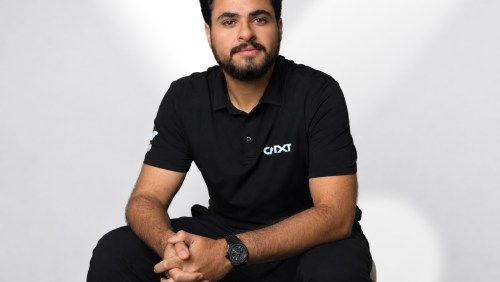
Explaining PayTabs’ differentiation amid a cluttered MENA fintech market, Abdulaziz F. Al Jouf, founder and CEO, PayTabs says, “When you talk about global scale, we offer 160+ currencies alternative payment methods. We are in the process of building a better checkout flow, which will offer a seamless experience. Security is very critical at PayTabs, hence we have an advanced fraud management system in place, with the highest level of PCI-DSS compliance. Apart from systems, we have a dedicated dispute resolution team along with 24-hour customer support.”
Al Jouf refers to the fundraising process as “fairly long drawn and time consuming,” and says the challenge was to convince investors that a fintech startup operating out of the GCC can not just aspire to be a global player, but also achieve it. “Through the proposed expansion plan, we aim to create over 4000 direct and indirect jobs in the next two years, across the world,” he says.
Related: The New Frontier: The Rise Of Fintech Brings With It New Opportunities
MENA-based payment processing startup PayTabs has raised a US$20 million in funds in a Series A round from undisclosed private investors. Starting out of the Kingdom of Saudi Arabia (KSA) in 2014 and growing their base there, PayTabs subsequently entered Bahrain, and its current fundraising is directed towards further expansion in the MENA region, Southeast Asia, India, Africa, and Europe in the next two years. Not just that, the fintech startup also counts product development as a key priority, and seeks to “engage in key strategic acquisitions to further expand our portfolio of products and services.”
As a B2B payment solution provider, PayTabs enables businesses to execute their online payment capabilities, thus empowering small and medium enterprises, and e-commerce ventures in the region. The company believes that its “unique technology and exclusive partnerships with fraud prevention systems” sets them apart from other electronic payment companies in this part of the world.
Explaining PayTabs’ differentiation amid a cluttered MENA fintech market, Abdulaziz F. Al Jouf, founder and CEO, PayTabs says, “When you talk about global scale, we offer 160+ currencies alternative payment methods. We are in the process of building a better checkout flow, which will offer a seamless experience. Security is very critical at PayTabs, hence we have an advanced fraud management system in place, with the highest level of PCI-DSS compliance. Apart from systems, we have a dedicated dispute resolution team along with 24-hour customer support.”