Get Under The Skin: Why Sweden’s Citizens Are Opting For Microchip Implants
You're reading Entrepreneur Middle East, an international franchise of Entrepreneur Media.
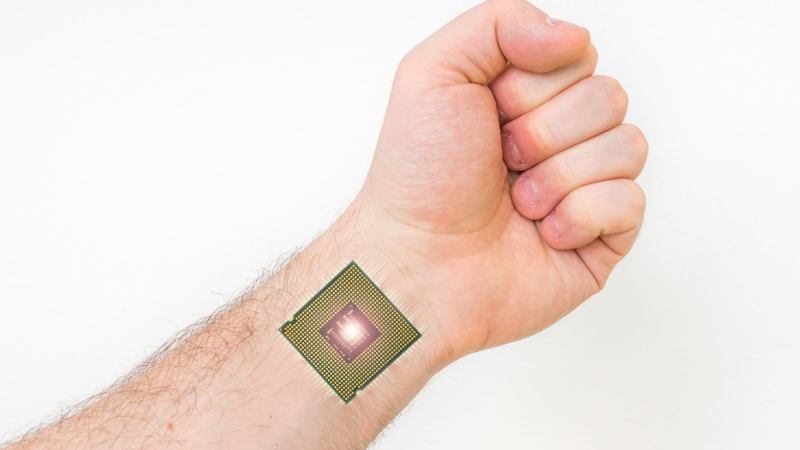
Call it an Orwellian world or a matter of convenience, but over 3,000 people in Sweden (a country that’s fast emerging as one of the most tech-savvy ones globally) have chosen to insert microchips under their skin that can hold their personal details, credit-card numbers, and medical records, among other information. According to The Economist, the tiny microchips (“grain of rice sized”) cost around US$150, and rely on Radio Frequency ID (RFID) and Near Field Communication (NFC) tech to serve their purpose.
And what’s the purpose, you may ask. For those with the implants, the chip has replaced the need to carry keys, work IDs, credit cards, and train tickets, among other identity authorizations. In addition to the charm of being part of a futuristic experience, the Swedish technophiles that spoke to AFP News Agency cite convenience as the biggest attraction, with people entering their offices, gyms, apartments, and other places without the need to carry a key or a card. There also seems to be a wide belief among the Swedes that personal information is harder to hack when stored within oneself. “I don’t think our current technology is enough to get chip hacked,” twenty-eight year-old Ulrika Celsing told AFP.
Physically, while the process of embedding the chip may be as easy as getting a shot, experts told AFP that one can’t rule out risks of infections and reactions on the immune system. There is also the question of the data that is collected and shared by the implants- what happens to the data, who owns it, and other similar data protection concerns around emerging technologies. Having made an appearance as early as 2015 among a small group of citizens, the practice, no doubt, speaks volumes of the underlying relationship Swedes have with technology and all things digital.
Related: Hello From The Other Side: Sweden Invites The World To Talk To Its People
Call it an Orwellian world or a matter of convenience, but over 3,000 people in Sweden (a country that’s fast emerging as one of the most tech-savvy ones globally) have chosen to insert microchips under their skin that can hold their personal details, credit-card numbers, and medical records, among other information. According to The Economist, the tiny microchips (“grain of rice sized”) cost around US$150, and rely on Radio Frequency ID (RFID) and Near Field Communication (NFC) tech to serve their purpose.
And what’s the purpose, you may ask. For those with the implants, the chip has replaced the need to carry keys, work IDs, credit cards, and train tickets, among other identity authorizations. In addition to the charm of being part of a futuristic experience, the Swedish technophiles that spoke to AFP News Agency cite convenience as the biggest attraction, with people entering their offices, gyms, apartments, and other places without the need to carry a key or a card. There also seems to be a wide belief among the Swedes that personal information is harder to hack when stored within oneself. “I don’t think our current technology is enough to get chip hacked,” twenty-eight year-old Ulrika Celsing told AFP.
Physically, while the process of embedding the chip may be as easy as getting a shot, experts told AFP that one can’t rule out risks of infections and reactions on the immune system. There is also the question of the data that is collected and shared by the implants- what happens to the data, who owns it, and other similar data protection concerns around emerging technologies. Having made an appearance as early as 2015 among a small group of citizens, the practice, no doubt, speaks volumes of the underlying relationship Swedes have with technology and all things digital.