UAE Strengthens Role in Advancing Low-Emission Hydrogen Economy at World Hydrogen Summit
The Ministry of Energy and Infrastructure stressed the importance of cooperation among governments, private sector, and financial and technology institutions to support the development of a sustainable global hydrogen economy.
You're reading Entrepreneur Middle East, an international franchise of Entrepreneur Media.
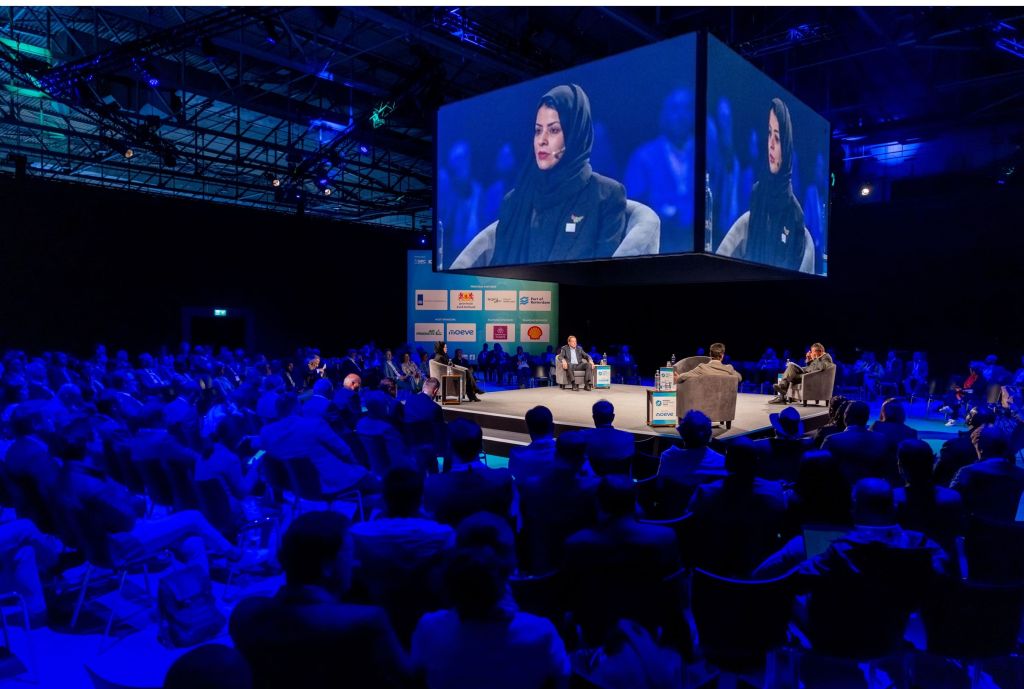
The UAE, represented by the Ministry of Energy and Infrastructure, participated in the World Hydrogen Summit & Exhibition held in Rotterdam from May 19–21, which welcomed more than 10,000 visitors from 120 countries.
The country also joined the International Hydrogen Trade Forum, which discussed expanding hydrogen trade and integrating global supply chains.
During the meetings, the ministry stressed the importance of cooperation among governments, private sector, and financial and technology institutions to support the development of a sustainable global hydrogen economy. It also emphasized the need to align international, regional, and local hydrogen standards to facilitate market expansion and cross-border trade.
The UAE also presented its efforts in decarbonization, including policy development for sustainable aviation fuel and partnerships aimed at advancing low-emission energy technologies.
The ministry said the UAE is pursuing an energy transition strategy focused on diversification, innovation, and partnerships to support climate and economic goals.
According to the ministry, the UAE’s participation aligns with the National Hydrogen Strategy, which plans to develop an integrated hydrogen value chain covering production, storage, transport, and use, with efforts to support climate neutrality targets and long-term energy security.
The UAE, represented by the Ministry of Energy and Infrastructure, participated in the World Hydrogen Summit & Exhibition held in Rotterdam from May 19–21, which welcomed more than 10,000 visitors from 120 countries.
The country also joined the International Hydrogen Trade Forum, which discussed expanding hydrogen trade and integrating global supply chains.
During the meetings, the ministry stressed the importance of cooperation among governments, private sector, and financial and technology institutions to support the development of a sustainable global hydrogen economy. It also emphasized the need to align international, regional, and local hydrogen standards to facilitate market expansion and cross-border trade.
The UAE also presented its efforts in decarbonization, including policy development for sustainable aviation fuel and partnerships aimed at advancing low-emission energy technologies.
The ministry said the UAE is pursuing an energy transition strategy focused on diversification, innovation, and partnerships to support climate and economic goals.
According to the ministry, the UAE’s participation aligns with the National Hydrogen Strategy, which plans to develop an integrated hydrogen value chain covering production, storage, transport, and use, with efforts to support climate neutrality targets and long-term energy security.