The 50°C Frontier: How the Middle East is Engineering the Future of Passive Cooling
The region is leading the way on new tech in building.
You're reading Entrepreneur Middle East, an international franchise of Entrepreneur Media.
The midday sun over the Empty Quarter does more than just shine; it exerts a physical pressure, a relentless thermal weight that has defined the architecture of the Arabian Peninsula for millennia.
Historically, the solution was thick mud-brick walls and wind towers that caught the high-altitude breeze to channel a cooling draft into shaded courtyards.
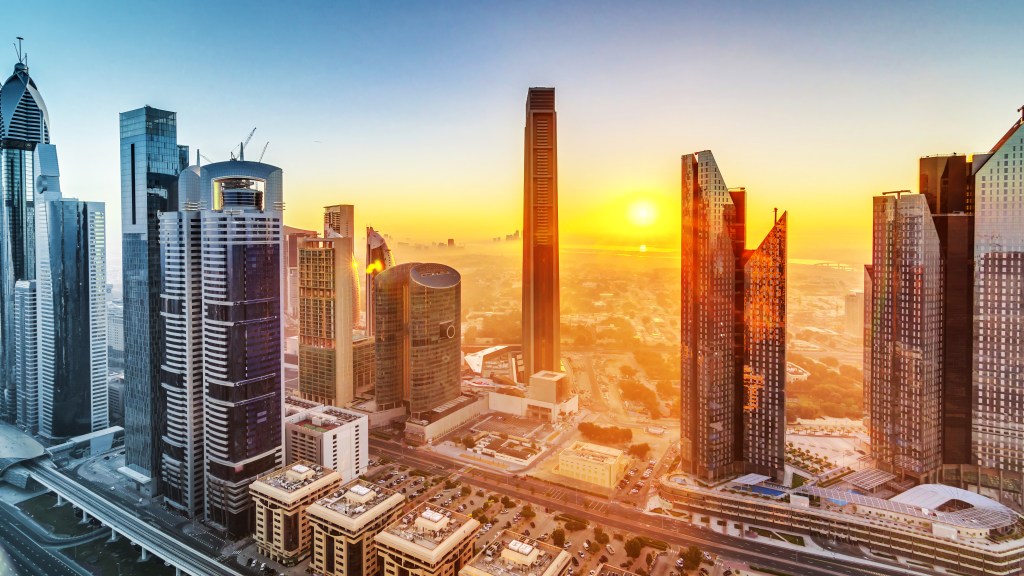
However, the 21st-century explosion of glass-and-steel metropolises across the Middle East fundamentally broke that ancient contract with the climate.
For decades, the region relied on “brute force” cooling— massive, energy-hungry HVAC systems that fought a losing battle against the 50°C frontier by chilling interiors to artificial winters while bleeding heat back into an increasingly sweltering urban environment.
Today, as the UAE pushes toward its Net Zero 2050 Strategic Initiative and Saudi Arabia constructs the sprawling, mirror-clad future of NEOM, a profound shift is occurring. The construction industry is moving away from active mechanical intervention and toward a sophisticated “Passive-First” philosophy.
This revolution is being led not by architects alone, but by a new generation of high-performance construction products that turn the building’s skin from a liability into a thermal shield.
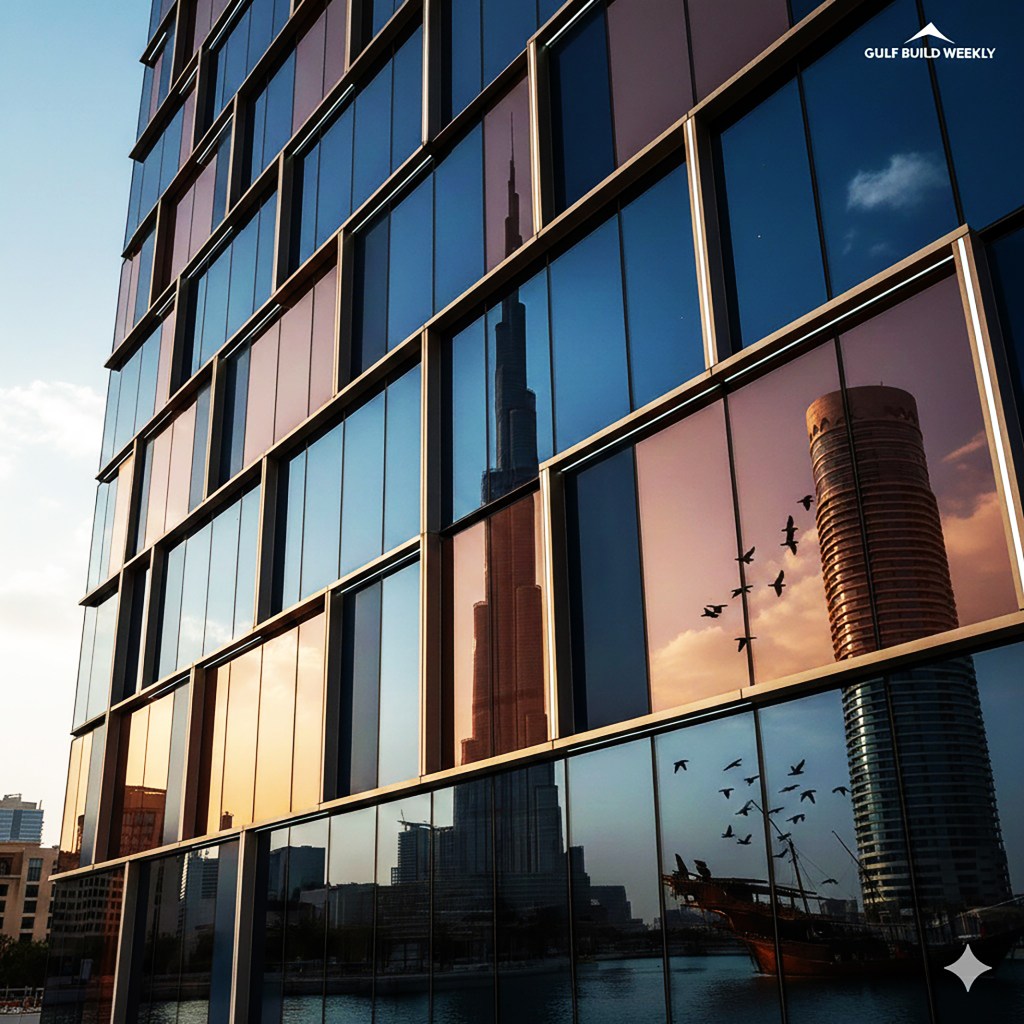
At the heart of this transformation is the literal transparency of the modern Middle Eastern city. The glass skyscraper, once a symbol of Western imported prestige, has long been the region’s greatest thermal adversary.
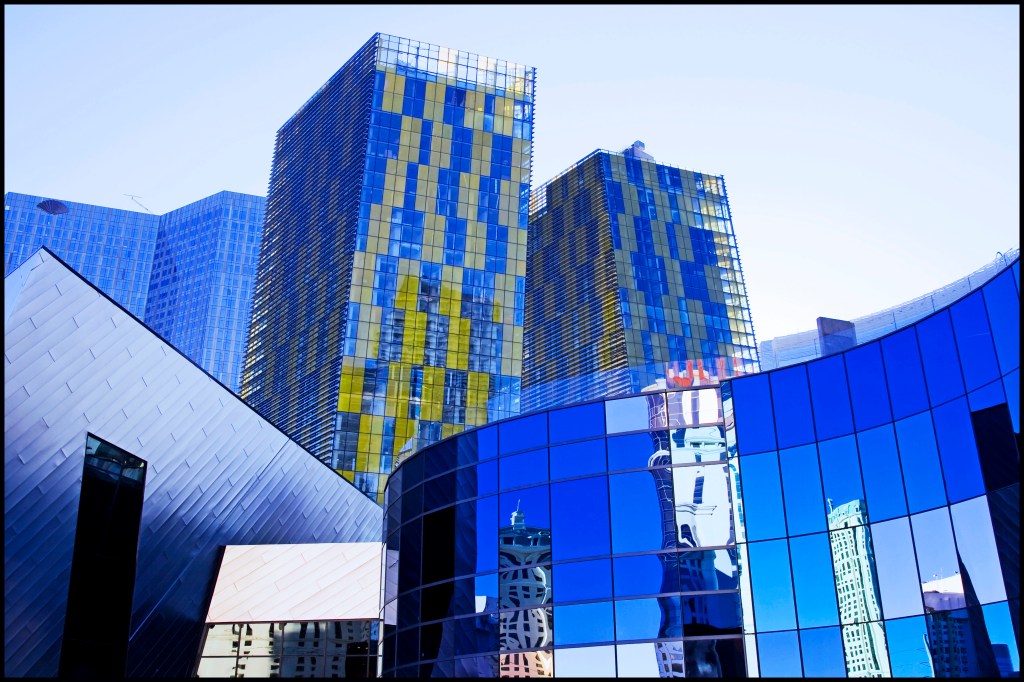
In a climate where solar radiation is the primary driver of cooling loads, a traditional glass building acts as a massive greenhouse, trapping heat that the air conditioning must then work overtime to remove.
The evolution of the facade is now centered on Electrochromic “Smart” Glass, a product that has moved from experimental labs to the core specifications of major regional developments.
By utilizing a microscopically thin ceramic coating and a low voltage electrical charge, this glass can transition from clear to fully tinted in response to the sun’s intensity.
This isn’t just about glare; it is about blocking up to 90% of solar heat gain before it ever crosses the threshold of the building. In the context of the Middle East’s peak summer months, where the electrical grid is pushed to its absolute limit by cooling demands, the implementation of smart glazing is a financial and environmental imperative.
It allows developers to downsize their mechanical cooling plants by as much as 25%, saving millions in upfront capital expenditure and even more in long-term operational costs. However, the glass is only the first line of defense.
The very bones of the building—the concrete and the insulation—are being re-engineered to act as “thermal batteries.”
One of the most significant leaps in material science currently hitting the Middle Eastern market is the integration of Phase Change Materials (PCMs) into structural components. These substances, often encapsulated in micro-pellets within drywall or insulation layers, work on a simple but brilliant principle of physics: latent heat.
As the building begins to heat up during the scorching afternoon, these materials absorb that thermal energy by melting at a molecular level.
They don’t just get hot; they store the energy. When the desert air cools at night, the materials solidify, releasing that stored heat back into the atmosphere or the building’s exhaust systems.
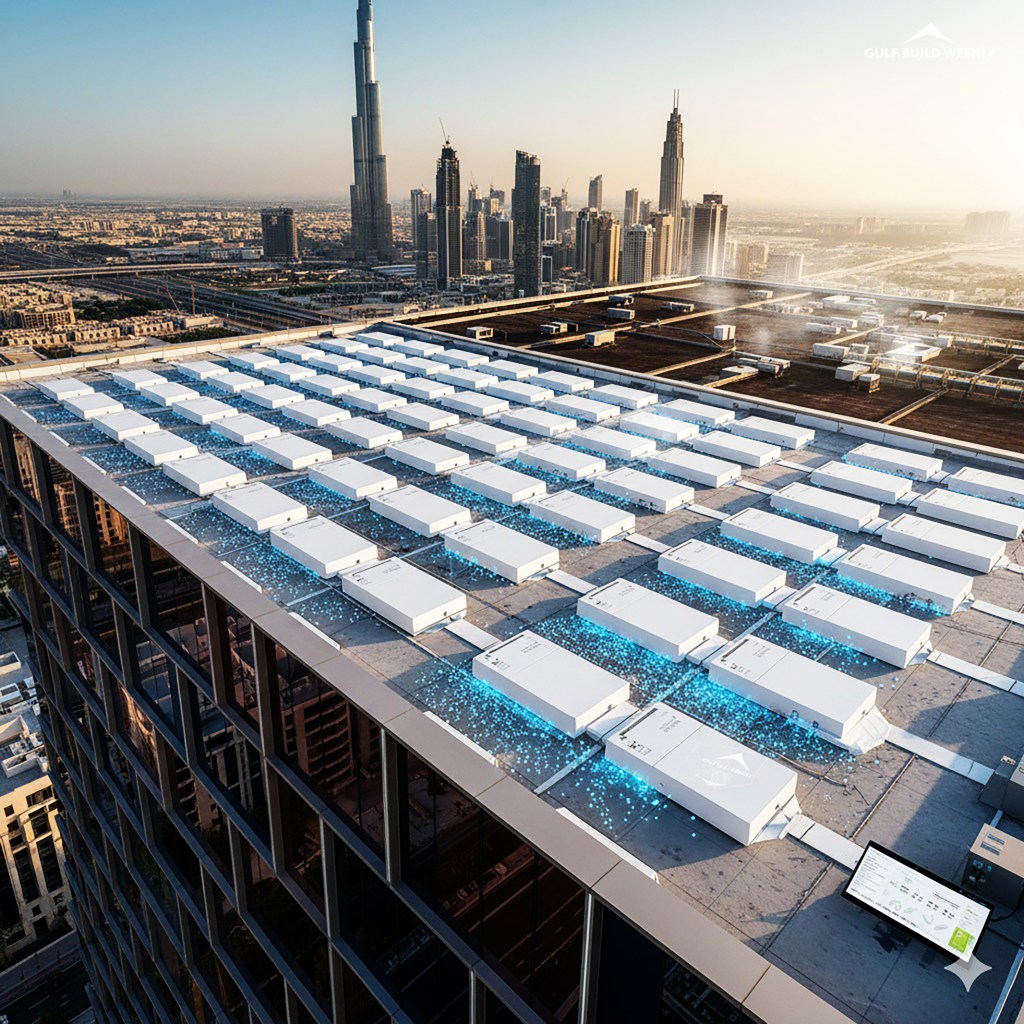
This creates a “thermal lag” that effectively smooths out the massive temperature swings of the desert day-to-night cycle. In a region where the sun is the enemy for twelve hours and the sky is the heat sink for the other twelve, PCMs allow a building to “breathe” in sync with its environment, maintaining a stable interior temperature without the constant cycling of AC compressors.
This focus on the building’s skin extends upward to the roof, which in the Middle East is often the most abused surface of any structure. The phenomenon of the “Urban Heat Island” is a critical concern in dense centers like Downtown Dubai or the developing districts of Riyadh.
When dark rooftops and asphalt roads absorb the sun’s energy, they re-radiate it, causing city centers to be significantly hotter than the surrounding desert.
The construction product market has responded with High-Albedo Reflective Coatings and “Cool Roof” membranes.
These aren’t just white paints; they are engineered surfaces designed to reflect up to 80% of solar radiation back into the atmosphere while also emitting any heat they do absorb.
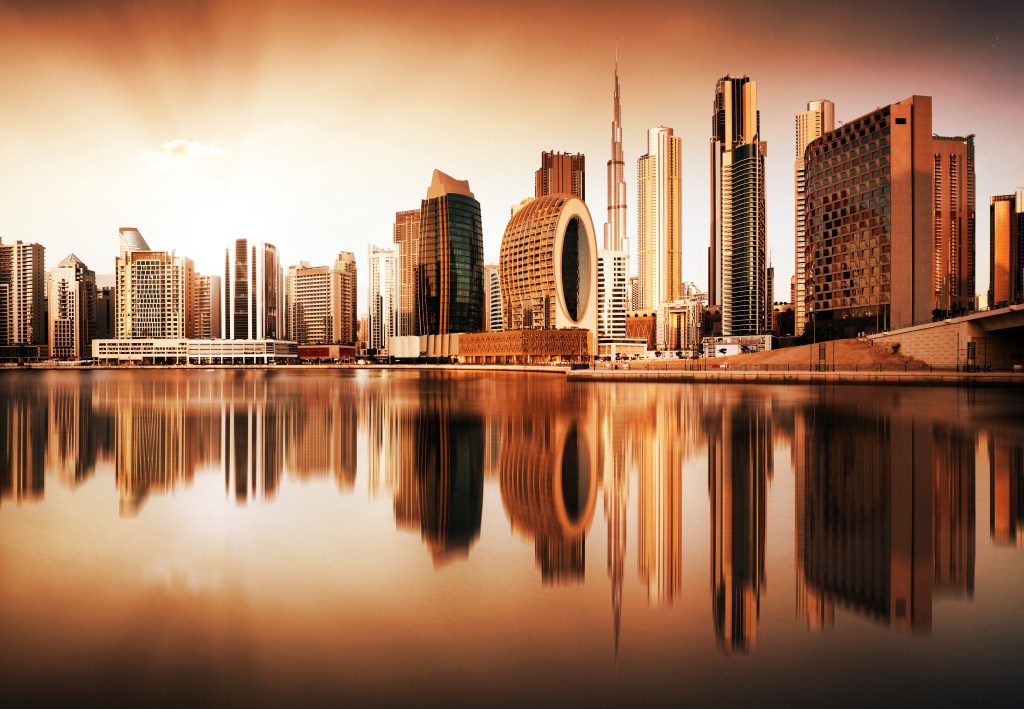
When applied at a district-wide scale, these products don’t just lower the temperature of a single warehouse or residential block; they fundamentally alter the micro climate of the city. By lowering the ambient outdoor temperature, the efficiency of every surrounding air conditioning unit increases, creating a virtuous cycle of cooling that reduces the strain on the national power grid.
The sophistication of these products is matched by the digital frameworks used to manage them. In the Middle East, the product isn’t just the physical material; it is the “Digital Twin” that accompanies it. Building Information Modeling (BIM) has become the standard for giga-projects, allowing engineers to simulate the thermal performance of every window, wall, and roof coating before a single brick is laid.
Sensors embedded within structural beams and MEP (Mechanical, Electrical, Plumbing) systems now provide real-time data on how materials are holding up against the region’s unique challenges—namely, the combination of extreme heat, high humidity, and corrosive salt air in coastal cities.
This “Phygital” approach ensures that a high-performance coating or a smart glass panel is performing exactly as intended. If a facade panel begins to lose its reflective properties due to sand abrasion or salt crystallization, the building management system flags it for maintenance before it leads to a spike in energy consumption.
This level of granular control is essential for the region’s ultra ambitious sustainability goals, where even a 1% deviation in thermal efficiency can result in millions of dollars in lost energy over the lifespan of a tower.
While the technology is impressive, the shift is also being driven by a tightening of the regulatory environment.
Codes like the UAE’s Al Sa’fat and Abu Dhabi’s Estidama have moved from being guidelines to becoming the law of the land. These regulations mandate the use of high performance thermal breaks, non-combustible insulation, and specific solar reflectance indices for all new builds.
This has created a massive market for international manufacturers to bring their most advanced “Green” products to the Gulf. We are seeing the rise of low-carbon “Green Concrete,” which replaces traditional energy-intensive clinker with industrial by-products like fly ash or ground granulated blast-furnace slag.
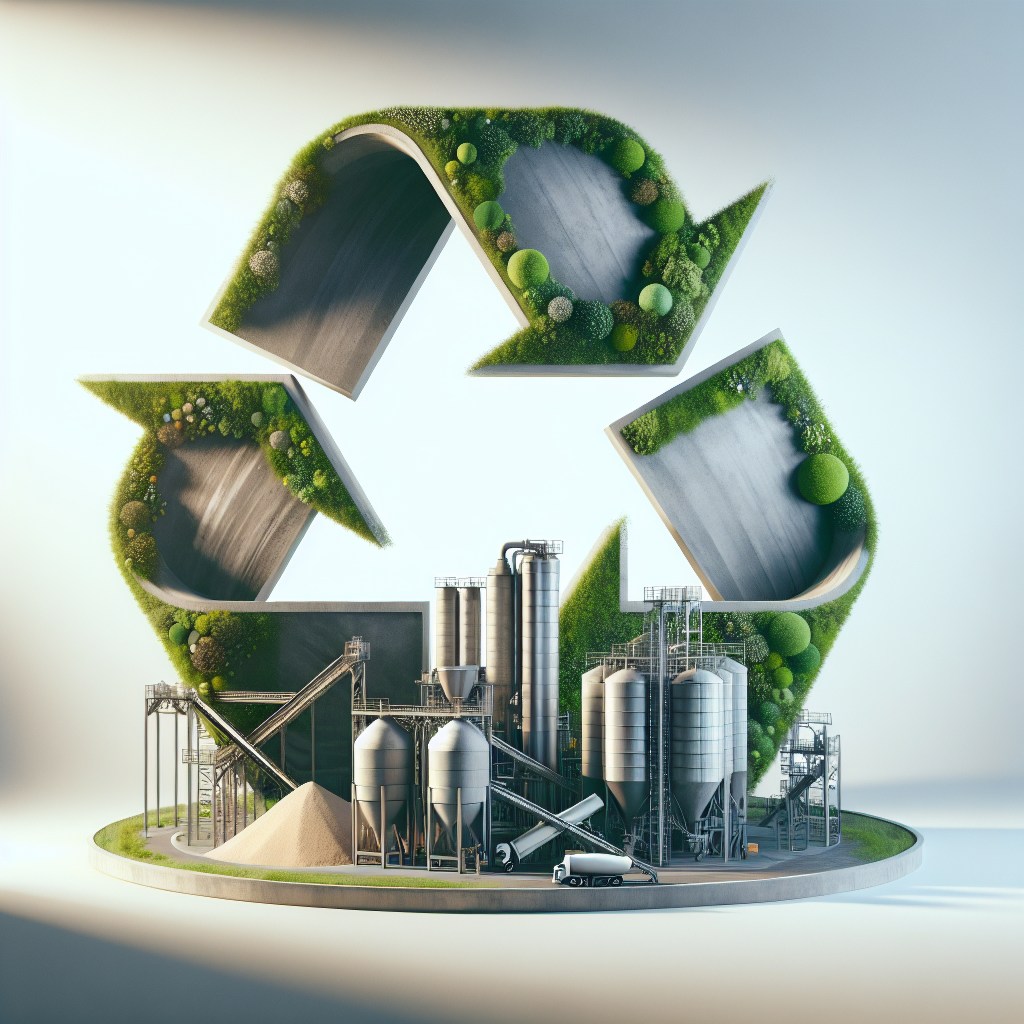
These materials not only reduce the carbon footprint of the building’s skeleton but also often offer superior thermal resistance compared to traditional mixes. In the harsh, sulfate-rich soils of the region, these innovative concrete products provide the dual benefit of longevity and environmental responsibility.
As we look toward the next decade of construction in the Middle East, the definition of a “building product” is being entirely rewritten. It is no longer enough for a brick to be strong or for glass to be clear. In the 50°C frontier, every material must be a multifunctional asset.
A facade is now a power plant if it integrates thin-film photovoltaics; a roof is a cooling engine if it uses radiative sky cooling technology; and a wall is a thermal buffer if it utilizes phase-change chemistry.
The Middle East is no longer just importing Western construction standards; it is setting the global pace for how humanity will build in a warming world.
By leveraging the desert’s extremes as a catalyst for innovation, the region is engineering a future where luxury and sustainability aren’t just compatible—they are inseparable.
The result is a new architectural vernacular, one that respects the ancient wisdom of the wind tower but executes it through the lens of 21st-century material science.
The midday sun over the Empty Quarter does more than just shine; it exerts a physical pressure, a relentless thermal weight that has defined the architecture of the Arabian Peninsula for millennia.
Historically, the solution was thick mud-brick walls and wind towers that caught the high-altitude breeze to channel a cooling draft into shaded courtyards.
However, the 21st-century explosion of glass-and-steel metropolises across the Middle East fundamentally broke that ancient contract with the climate.

Entrepreneur Middle East Staff
Entrepreneur Staff