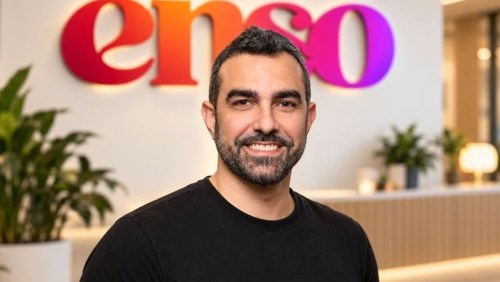
Why Sean T Ellis Believes the Future of Architecture Depends on Cultural Intentionality Rather Than Spectacle
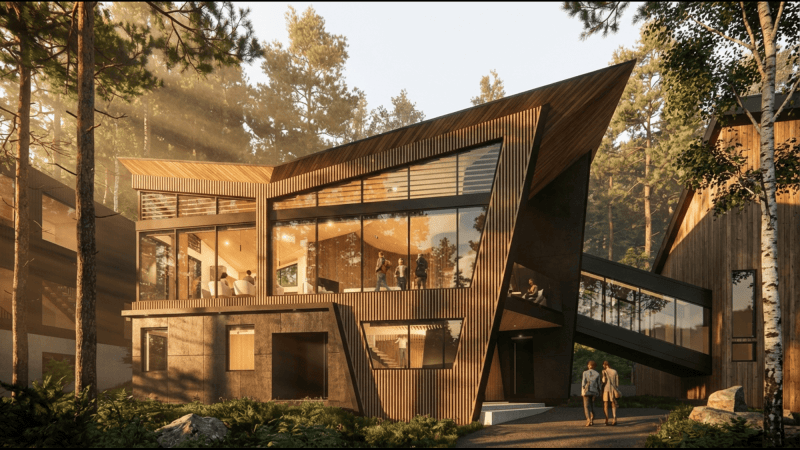
STEAD
You're reading Entrepreneur Middle East, an international franchise of Entrepreneur Media.
Architecture has long carried the ambition to impress. Across major cities, cultural venues, and residential developments are often designed to become landmarks that attract attention and define skylines. Yet recent research found that culturally responsive environments can strengthen emotional connection, social belonging, and restorative human experiences.
Sean T Ellis, founder of STEAD and a member of the AIA (American Institute of Architects) since 2013, believes that the future of architecture requires a different conversation, one centered on cultural understanding and how people genuinely move through space each day.
Through STEAD, an architecture and design studio working across residential, commercial, and cultural projects, Ellis draws from years of international experience spanning globally. According to him, working across cultures revealed how architecture quietly reflects human behavior.
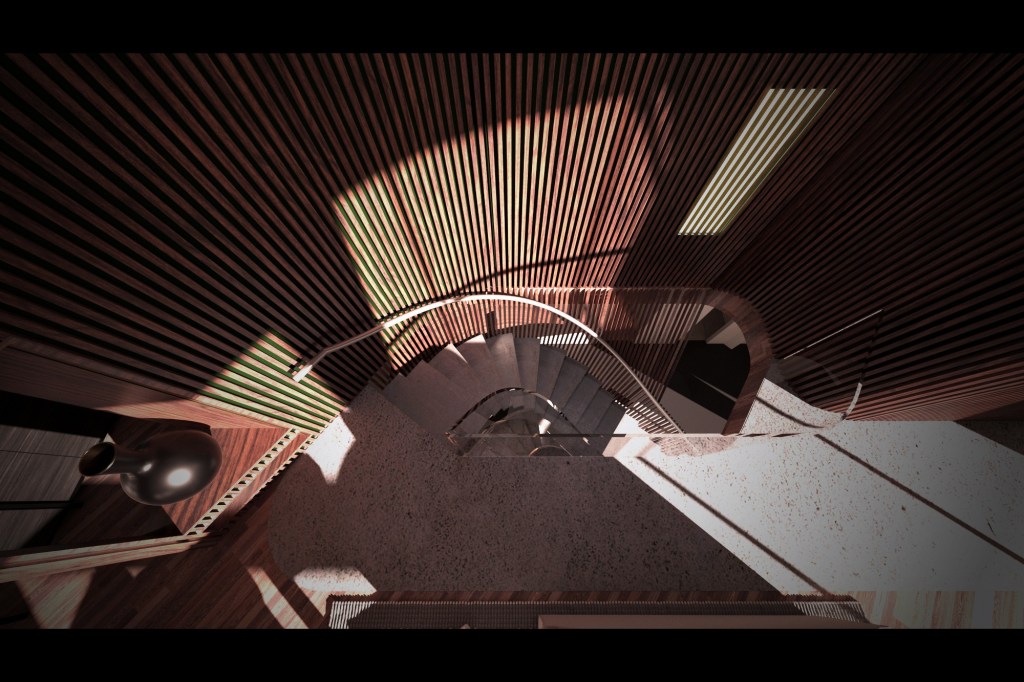
STEAD
In Japan, residential design introduced him to details that shape daily rituals, from dedicated entry spaces where residents remove their shoes to dry rooms designed for storing wet winter clothing after skiing. Ellis explains that these nuances may appear subtle, yet they communicate how people live and interact within their environments.
That perspective has influenced how he approaches contemporary architecture today. Rather than applying visual motifs to represent culture, Ellis says the process begins with understanding lifestyle patterns and emotional experience. “I would rather make something very simple with integrity and thought than something that is just designed to impress,” he says.
His experience working on one of the performing arts theaters in Hong Kong reinforced that philosophy. Ellis notes that the challenge extended beyond aesthetics because the building needed to function as part of the surrounding city fabric. Residents would use the site throughout the week regardless of whether they attended performances. Accessibility, pedestrian flow, waterfront connections, and gathering spaces all became essential to the project’s identity.
Ellis believes these mixed-use environments are becoming increasingly important as cities rethink sustainability and density. According to a report, buildings accounted for 37% of global energy and process-related carbon dioxide emissions in 2022. That reality, Ellis explains, is pushing architects to think beyond standalone structures toward integrated urban ecosystems that reduce footprint while improving accessibility and quality of life.
From his perspective, architecture is gradually evolving into what he frames as hubs or microclimates where entertainment, work, gathering spaces, transportation, and green infrastructure coexist within interconnected typologies. He explains that these environments can strengthen the urban fabric while encouraging more thoughtful use of land and resources.
Housing remains another area Ellis continues to study closely, particularly across dense Asian cities. Having worked in regions where affordability and limited land availability shape development, he believes future solutions will require greater flexibility around prefabrication, adaptive reuse, and construction systems that allow buildings to evolve over time. According to him, intentionality sometimes means working with what already exists instead of continuously expanding outward.
Technology also plays a major role in STEAD’s long-term vision. Ellis states, “I’ve been researching and implementing Smart Home technology into the majority of our projects. Beyond the design of the Smart Home system, it can be used to reduce the carbon footprint and improve the sustainability aspects of the building.
The intentionality is to enhance the function and comfort of the occupants’ experience, so life can be enjoyed more naturally.”
Ellis has explored how artificial intelligence can support building information modeling and generative workflows throughout the design process. Yet he remains cautious about allowing speed and automation to replace emotional judgment or cultural sensitivity.
“We do not wish to be interesting; we wish to be good,” Ellis says. For him, the statement reflects a broader architectural philosophy grounded in thoughtfulness rather than trend chasing. He explains that while AI can accelerate workflows and generate visual concepts, meaningful architecture still depends on understanding how spaces affect movement and lived experience.
As architecture continues balancing sustainability targets and emerging technologies, Ellis believes the industry may ultimately return to a simpler question. Buildings can be technologically advanced and visually striking, yet their long-term value still depends on whether they improve how people live. In his view, integrity and cultural awareness remain the foundation for achieving that goal.
“We should stop asking whether architecture looks impressive and start asking whether it genuinely improves the way people live,” Sean T Ellis says. “A building can be technological and ambitious, but if it lacks understanding of human experience, then it will never truly stand the test of time.”
Architecture has long carried the ambition to impress. Across major cities, cultural venues, and residential developments are often designed to become landmarks that attract attention and define skylines. Yet recent research found that culturally responsive environments can strengthen emotional connection, social belonging, and restorative human experiences.
Sean T Ellis, founder of STEAD and a member of the AIA (American Institute of Architects) since 2013, believes that the future of architecture requires a different conversation, one centered on cultural understanding and how people genuinely move through space each day.
Through STEAD, an architecture and design studio working across residential, commercial, and cultural projects, Ellis draws from years of international experience spanning globally. According to him, working across cultures revealed how architecture quietly reflects human behavior.

Entrepreneur Middle East Staff
Entrepreneur Staff