“You Need That One Person To Believe In You”: Vedi On Entrepreneurship, AI And Expanding Into The Middle East
After years of working on complex technology transformation programs, Anshuman Vedi stepped away from the predictability of corporate life to build Techspire Consulting. Now expanding into the Middle East and exploring acquisitions, he shares the lessons shaping his next phase of growth.
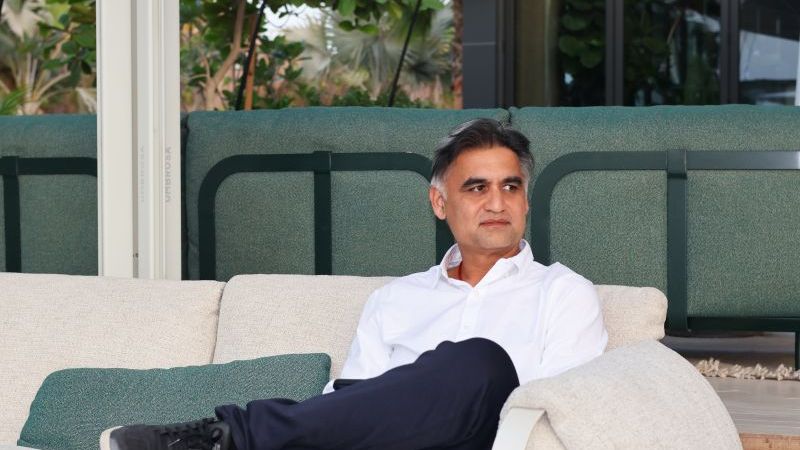
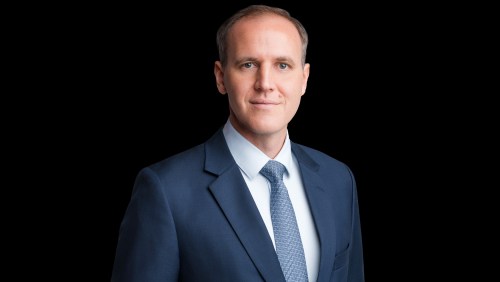
Anshuman Vedi
Opinions expressed by Entrepreneur contributors are their own.
You're reading Entrepreneur Middle East, an international franchise of Entrepreneur Media.
For many professionals, corporate life offers predictability: a structured career path, clear promotions and a sense of financial security. For Anshuman Vedi, however, that certainty eventually became a reason to leave.
The Founder of Techspire Consulting spent years working in consulting and complex technology transformation before deciding to build a company of his own. Today, he is growing the business internationally, expanding into the Middle East and exploring opportunities as an investor.
Speaking on Entrepreneur TV Middle East, Vedi reflected on the transition from employee to entrepreneur and the importance of practical experience. While education can provide valuable knowledge and networks, he believes people often discover their real strengths only after entering the workplace.
That understanding helped shape Techspire’s model. Traditional consultants may advise a client and then leave implementation to another party. Vedi saw an opportunity to bridge that gap by supporting organizations throughout the delivery process, coordinating suppliers and ensuring that projects reach their intended outcomes.
The idea of entrepreneurship had been in the back of his mind for years, but leaving a structured consulting career was not easy. In such environments, employees often know when they may receive their next promotion or eventually become a partner.
His first major opportunity came through an existing client relationship. After spending several months demonstrating that he could deliver the required work, he secured the confidence needed to begin operating independently.
“You need that one person to help you out,” Vedi said. “I was very fortunate to get that one person, and that is how I started Techspire—with myself.”
The company then grew gradually, moving from one person to a team of senior professionals delivering long-term and high-value technology programs.
Much of Techspire’s work involves complex projects within regulated environments, including the public sector. These engagements require more than technical expertise. Policies can change, approvals may take time and several suppliers may be involved in delivering one solution.
Vedi explained that Techspire often represents the client across this wider network, helping to align expectations and keep projects moving forward.
“The expectations have to be met on both sides,” he said.
One of the company’s most important recent milestones has been its expansion into the Middle East. Vedi sees considerable opportunity in the region, but acknowledges that entering the market requires patience, strong relationships and a physical presence.
“You have to be here,” he said. “It is not enough to say that you are here. You have to be physically present.”
His immediate focus is on establishing Techspire in the UAE, developing local relationships and building a credible team. Saudi Arabia is also part of his longer-term vision, although he wants to create a strong foundation in the UAE before expanding further.
Alongside growing Techspire, Vedi has started exploring business acquisitions, particularly in healthcare and transportation.
Acquisition was not originally part of his strategy. However, while researching how to build new businesses in these sectors, he began identifying existing companies that could offer a faster route to market.
“There are some good catches which, if you are able to acquire them, can give you that launchpad,” he said.
When assessing a potential acquisition, Vedi examines the company’s past performance, the future of its sector and the seller’s reasons for leaving.
“If I am saying this is going to work, why is it not working for you?” he asked.
He also considers the people behind the business. Whether hiring employees or investing in companies, Vedi believes technical experience must be supported by confidence, responsibility and the ability to operate through uncertainty.
Artificial intelligence is another major part of his outlook. Vedi believes AI has genuine value, although businesses must understand how to use it safely and responsibly.
He warned that employees should not upload confidential documents or proprietary information into open consumer platforms without understanding how that data may be processed. Companies can instead create controlled environments where AI tools operate within defined security and privacy boundaries.
“The capability is there, but not everybody realizes it,” he said.
While some jobs and repetitive tasks will change, Vedi does not believe AI will simply replace everyone. The greater divide, he suggested, will be between people who learn how to work with the technology and those who resist it.
AI still requires human judgment, strong instructions and the ability to challenge its output. Professionals who use it effectively may become more productive, while those who depend on it without applying their own expertise risk producing generic or inaccurate work.
For Vedi, entrepreneurship ultimately means making decisions without having every answer. Founders must gather information, listen to experienced people and assess the risks, but eventually they must act.
That combination of analysis, experience and faith has shaped his journey from consultant to founder, and now from founder to investor.
His story is also a reminder that a company does not always begin with a large team or a perfect plan. Sometimes it begins with one trusted relationship, a problem worth solving and the confidence to create a new path.
For many professionals, corporate life offers predictability: a structured career path, clear promotions and a sense of financial security. For Anshuman Vedi, however, that certainty eventually became a reason to leave.
The Founder of Techspire Consulting spent years working in consulting and complex technology transformation before deciding to build a company of his own. Today, he is growing the business internationally, expanding into the Middle East and exploring opportunities as an investor.
Speaking on Entrepreneur TV Middle East, Vedi reflected on the transition from employee to entrepreneur and the importance of practical experience. While education can provide valuable knowledge and networks, he believes people often discover their real strengths only after entering the workplace.

Mina Vucic • Director of Production and Multimedia, BNC Publishing
Entrepreneur Staff
Mina Vucic is the Director of Production and Multimedia at BNC Publishing, the media house... Read more