Dubai Future Foundation Highlights 50 Emerging Opportunities Across Key Industries in Latest Report
The annual foresight report examines 50 emerging opportunities across technology, health, energy, mobility, and other sectors, outlining long-term trends that could shape future economies and societies.
You're reading Entrepreneur Middle East, an international franchise of Entrepreneur Media.
Dubai Future Foundation (DFF) has released the fifth edition of its annual “Future Opportunities: The Global 50” report, highlighting 50 emerging opportunities that could shape the future of economies, industries, and societies.
The report reviews progress made on opportunities identified in previous editions and provides governments, organizations, and individuals with a framework to assess potential developments across sectors including artificial intelligence (AI), robotics, healthcare, energy, mobility, space, and edge computing.
Developed through research and roundtable discussions involving more than 180 experts from the UAE and worldwide, the report is based on five long-term assumptions: climate change will persist, inequalities will continue, lives will be longer and healthier, global interdependencies will remain, and technology will continue to advance.
According to DFF, the report focuses on moving emerging ideas toward implementation, examining investment and financing needed for collaboration, and building systems needed to support future innovation.
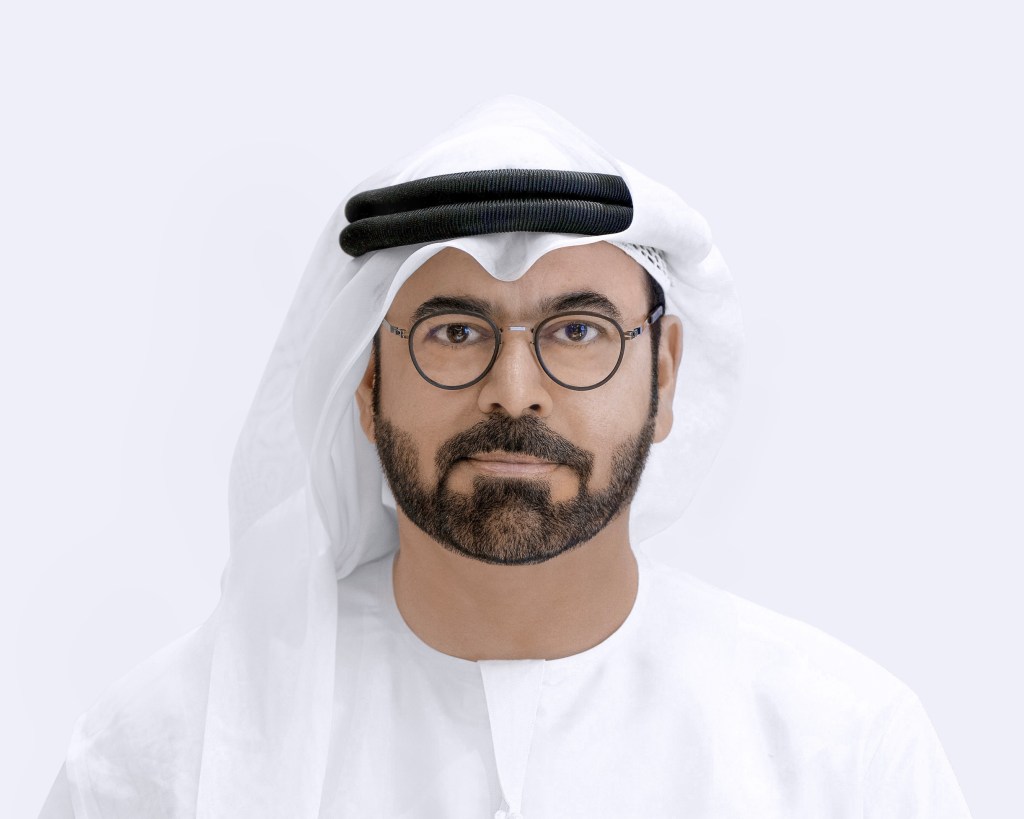
H.E. Mohammad Al Gergawi, Vice Chairman of the Board of Trustees and Managing Director of Dubai Future Foundation and Chairman of the Museum of the Future, said: “Every future opportunity is an invitation to think differently, act with courage, and believe in the possibility of a better tomorrow.”
“Since its founding, the UAE, guided by the vision of its leadership, has built an inspiring global model driven by an ambitious mindset that sees challenges as opportunities for growth and progress. The most impactful decisions about the future are often made during the most challenging circumstances and beyond conventional expectations,” he added.
“The UAE’s experience has shown that transformative change begins with bold decisions; decisions that do not simply respond to the present, but redefine what is possible for the future. This is the mindset our institutions, cities, and societies need today,” he continued.
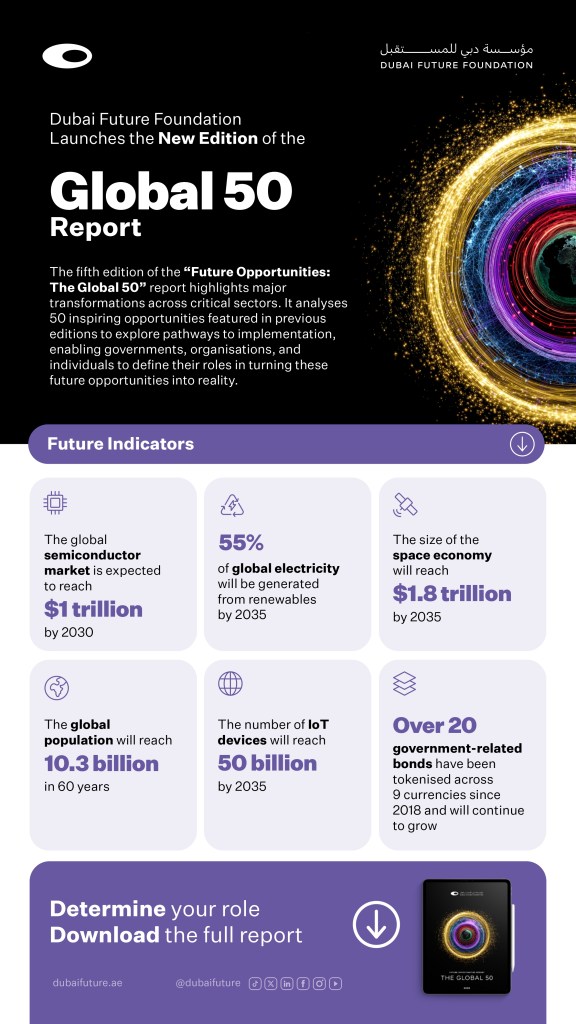
The report examines opportunities across multiple sectors, including robotics, where affordable and scalable AI-powered robotic platforms could help address global challenges and support the United Nations Sustainable Development Goals. It noted that the AI robotics market is projected to grow by 280% by 2030.
In energy, the report assesses concepts including space-based solar power, where orbiting solar arrays could generate renewable energy continuously and transmit electricity to Earth. It also highlighted advances in superconducting materials that could enable electricity transmission with minimal energy loss. Clean energy sources are projected to account for 55% of global electricity generation by 2035.
Meanwhile, healthcare opportunities highlighted in the report include smart fabrics made with nanobiomaterials and synthetic materials that could deliver the minimum daily vitamin requirements to the human body. It also points to the largely untapped potential of marine biodiversity to drive advances in biotechnology and pharmaceutical research, noting that 75% of new infectious diseases emerge in areas affected by severe biodiversity disruption.
The report also underscores the potential of carbon-based nanomaterials to improve access to safe drinking water through more effective pollutant filtration. It notes that 2.1 billion people worldwide still lack access to safe drinking water.
Related: 10 Emerging Technologies of 2026 by Dubai Future Foundation and World Economic Forum
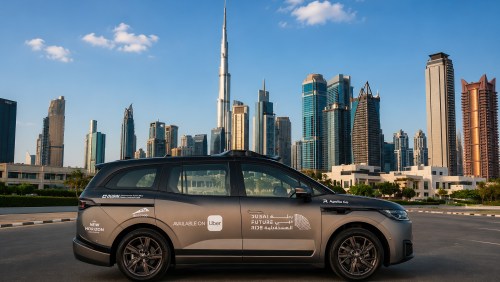
The report examines future mobility technologies, including magnetic levitation systems, drone-inspired vehicle technologies, and alternatives to conventional rubber tires aimed at reducing energy consumption and emissions. It also highlights the potential impact of advances in quantum technologies on communications, encryption, and computing.
In the space sector, DFF also outlines opportunities for satellite and AI to expand global access to high-efficiency internet connectivity and support the growing Internet of Things. The report noted that the global space economy is projected to reach US$1.8 trillion by 2035.
The report also explores the expansion of edge computing, where data processing occurs closer to its source to reduce latency and improve the performance of AI, machine learning, augmented reality, and connected devices. It projects that the number of Internet of Things devices could reach 50 billion by 2035, while the global semiconductor market could reach US$1 trillion by 2030.
Other areas covered include self-repairing machines, personalized bioprinted organs, contactless haptic technologies, collective intelligence, and the tokenization of intellectual property rights. The report also noted that the global population is projected to reach 10.3 billion within the next 60 years, increasing demand for scalable solutions in energy, food, water, healthcare, infrastructure, and technology.
Related: Innovation Meets Impact: Inside QSTP’s US$30M Tech Venture Fund for Deep-Tech Startups
Dubai Future Foundation (DFF) has released the fifth edition of its annual “Future Opportunities: The Global 50” report, highlighting 50 emerging opportunities that could shape the future of economies, industries, and societies.
The report reviews progress made on opportunities identified in previous editions and provides governments, organizations, and individuals with a framework to assess potential developments across sectors including artificial intelligence (AI), robotics, healthcare, energy, mobility, space, and edge computing.
Developed through research and roundtable discussions involving more than 180 experts from the UAE and worldwide, the report is based on five long-term assumptions: climate change will persist, inequalities will continue, lives will be longer and healthier, global interdependencies will remain, and technology will continue to advance.

Entrepreneur Middle East Staff
Entrepreneur Staff