Wissam Breidy and Paula Gambrell Launch BRDG House to Rethink How Real Estate Value Is Built
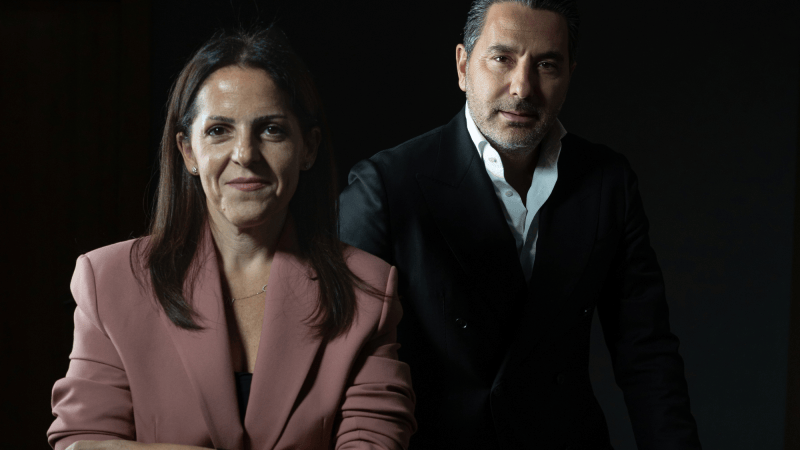
Bringing together complementary commercial and development experience, the two founders introduce BRDG House as a strategic development partner built on a simple philosophy: “We Build Value Before We Build Projects.”
BRDG House
Wissam Breidy and Paula Gambrell are joining forces to launch BRDG House, a new strategic development partner created to work alongside real estate developers from the earliest stages of value creation through development, positioning and commercialization.
For more than two decades, Breidy has built his career around communication, reputation, brand building and the power of public trust. His experience has extended from media and communication into advising businesses and leadership teams on brand transformation, strategic positioning and reputation, helping organizations strengthen how they are perceived, build relevance and translate trust into business value. Most recently, as CEO of HRE Development, he brought that philosophy directly into real estate, playing a central role in transforming the developer’s market positioning and strengthening its brand presence in Dubai. His experience reinforced a belief that continues to shape his commercial thinking: strong brands create trust, trust creates demand, and sales are ultimately the result of many decisions made before the transaction begins.
Gambrell brings a complementary perspective to that same belief, one shaped by finance before real estate. She began her career at HSBC on the product side of the business, where mortgages gave her an early, lender’s-eye view of how property is bought, financed and valued. She went on to spend more than 15 years on the commercial side of development across the UAE and Saudi Arabia, working with leading developers including DAMAC, Ellington Properties and Dar Global on sales strategy, joint venture structuring, development management and international sales channels reaching buyers in China, India and the GCC. That combination of financial grounding and commercial execution has kept her focused on one question: whether a development decision will ultimately turn into value.
Their professional journeys were different, but their conclusion was increasingly the same.
Real estate developments are often approached through separate disciplines -strategy, product, architecture, development, brand, marketing, sales and operations- when the value of a project ultimately depends on how those decisions work together.
That shared conviction led them to establish BRDG House.
Their philosophy is captured in one sentence: We Build Value Before We Build Projects.
As BRDG House makes its market debut, Breidy and Gambrell explain why they came together, what they believe is missing from the traditional development model, why brand and trust have commercial value, and why the decisions that ultimately determine a project’s success begin long before sales.
You both had established careers before BRDG House. Why did you decide to build something together?
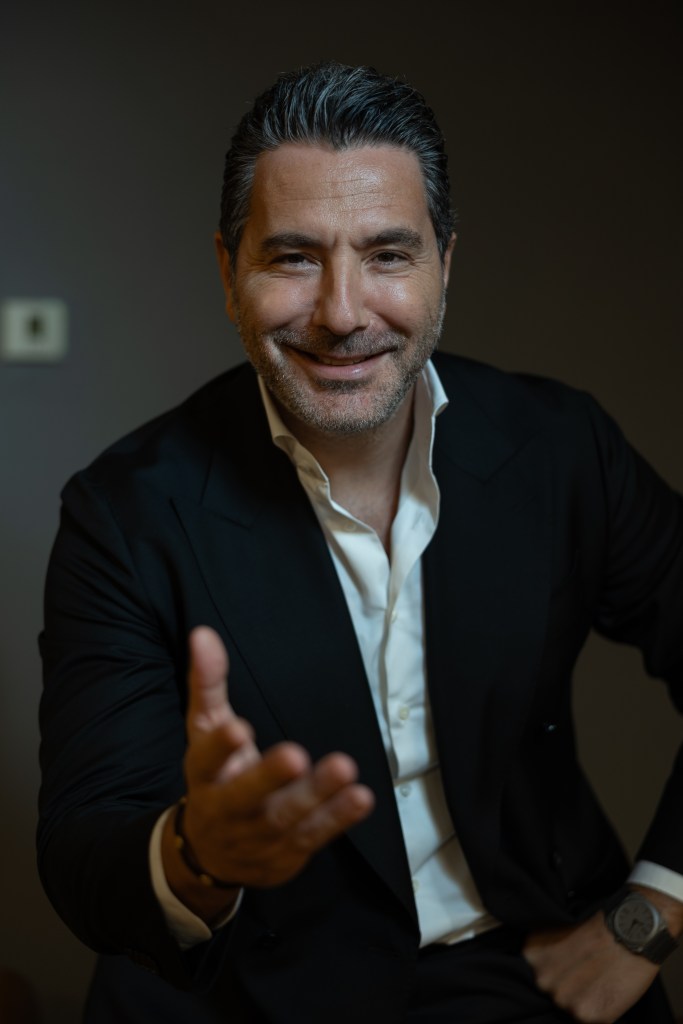
WISSAM: What brought us together wasn’t that we were opposites. It was that we were looking at the industry through different experiences and arriving at many of the same conclusions.
We both come from strong commercial backgrounds.My journey started long before real estate. I spent more than two decades in media and communication, where I learned how reputation is built, how people make decisions and, most importantly, how difficult trust is to earn and how valuable it becomes once you have it. When I moved into real estate and eventually became CEO of HRE Development, I had the opportunity to apply that thinking to a developer brand. What interested me wasn’t simply how to market individual projects. It was how you build trust in the developer itself.
How do you create a reputation that gives people confidence? How do you build meaningful relationships with the brokerage community? How do you create a brand the market recognizes before the next project is even announced? That experience reinforced something I strongly believe today: Brand has commercial value.
Paula reached the same conclusions from finance and the commercial side of development.We were bringing together two commercially minded people who understood value creation from different perspectives. That became the foundation of BRDG House.
PAULA: I had seen the same pattern for years. In banking, I learned to look at property the way a lender does: what makes an asset financeable and what holds its value. On the developer side, I saw how often a project reached the sales team with its most important commercial decisions already locked in. You cannot make the major development decisions first and then ask brand, marketing and sales to create value around them at the end. By then, many of the decisions determining the commercial outcome have already been made.
Wissam had reached the same conclusion from the brand side. He understood how a developer earns the market’s trust. I understood how a project earns its numbers.That complementarity is what made building BRDG together compelling.
What did you believe was missing in the traditional development model?
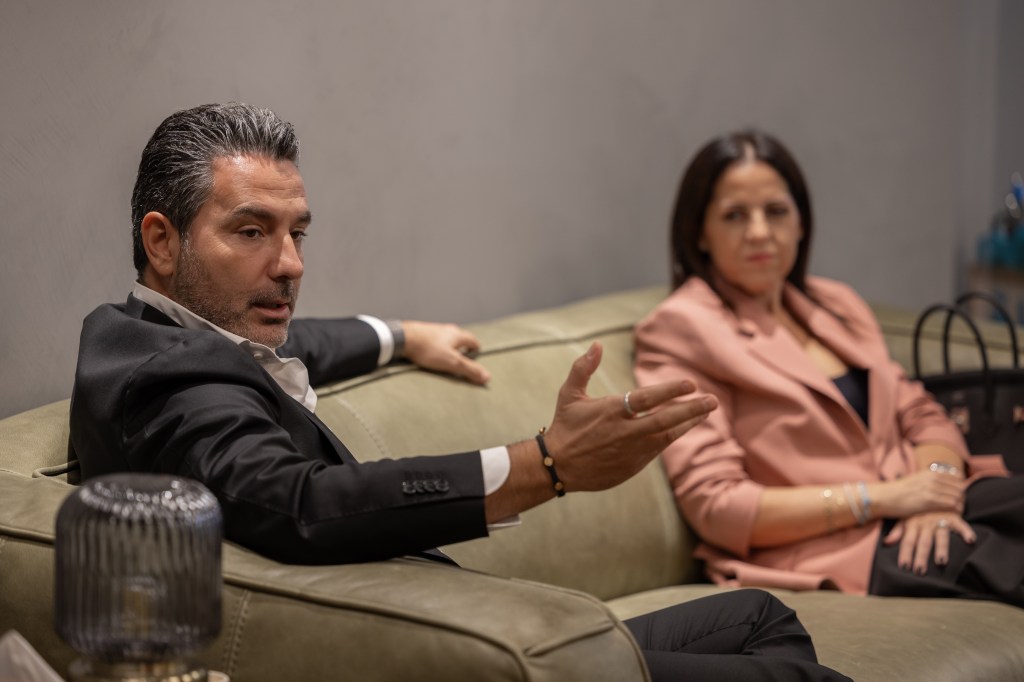
PAULA: Integration. Real estate has extremely capable specialists -architects, development managers, consultants, designers, commercial teams, branding agencies, marketing teams, brokers and sales teams.The challenge isn’t necessarily the quality of those individual disciplines. The challenge is that they can operate independently.
But the decisions are interconnected. Product affects pricing. Pricing affects positioning. Positioning affects demand. Development decisions affect customer experience. Execution affects reputation. And all of them ultimately affect commercial performance. That is where integration becomes key between all these disciplines. We saw an opportunity to create a model that connects those decisions around one strategic direction.
WISSAM: And the customer doesn’t see those separate disciplines. They see one development. They see one developer. And ultimately they make one decision about whether they believe in it, trust it and see value in it.That’s why we believe: Complexity doesn’t create value. Alignment does.
Is that why you describe BRDG House as a strategic development partner?
WISSAM: Exactly. We’re very deliberate about that definition. BRDG is not a marketing agency. We’re not a branding agency. We’re not simply a sales company. And we’re not a traditional consultancy that produces a strategy document and leaves the developer to connect everything afterwards. We work alongside developers across the development and commercial journey. Our value isn’t one isolated service. Our value is connecting the decisions that create the outcome.
PAULA: The word partner matters and like Wissam said, we are not here to build a strategy document, we are here to work alongside the developer to execute it with them and make them stronger as a result of it. To create meaningful value, you need to understand the developer’s business, objectives, projects and organization. That requires involvement. Strategy, commercial thinking, development management, product, positioning, brand and execution need to work toward the same objective rather than being treated as independent scopes.
RELATED: Captain Pradeep Singh on Dubai Becoming a Global Hub for Intellectual Capital
Your philosophy is “We Build Value Before We Build Projects.” What does that mean?
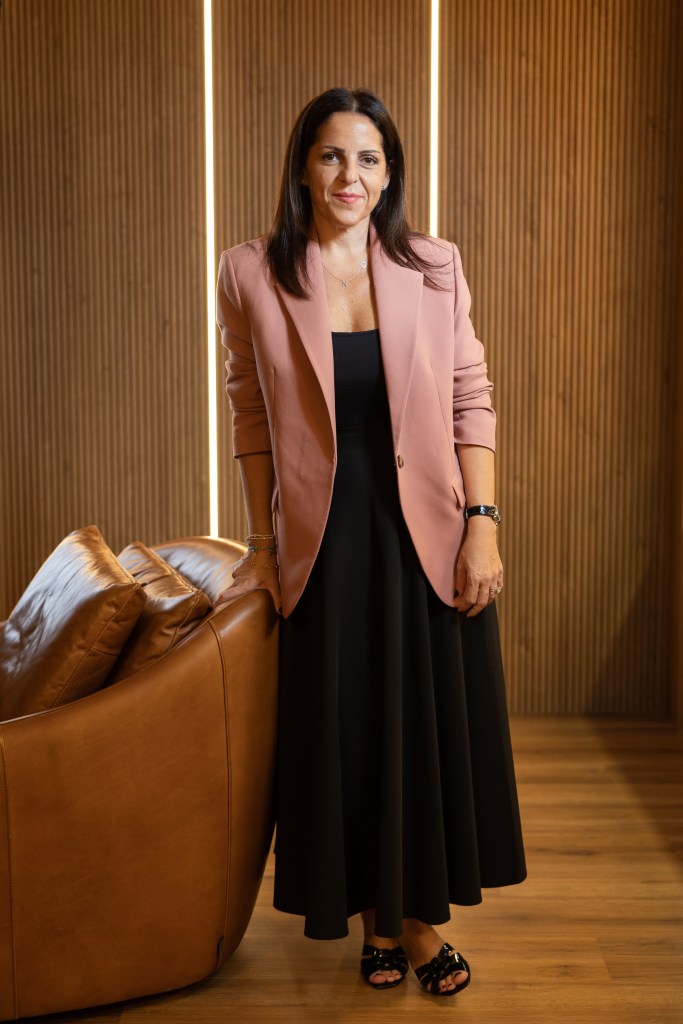
WISSAM: It means value creation starts much earlier than people often think.Before construction, before marketing and certainly before sales, there are fundamental questions that need to be answered. Who are we building for? What does the market need? What do people value? What is missing? What should the product be? How should it be positioned? Why should people trust it? Why should they choose it? What gives it pricing power? What will make brokers believe in it?
Every one of those decisions can create -or destroy- value before the market ever sees the development. That’s what we mean when we say: We Build Value Before We Build Projects.
PAULA: That value has to be embedded in the development itself. Feasibility, product, development strategy, commercial strategy, design decisions, organizational capability and execution all influence the eventual outcome. By the time you physically build the project, you should already understand what value you’re trying to create, for whom you’re creating it and how the development is going to deliver it.
Wissam, your experience as CEO of HRE Development appears to have shaped your thinking about brand. What did you take from that experience?
WISSAM: One of the most important lessons was understanding the difference between building a project brand and building a developer brand. A project has a lifecycle. A developer’s reputation carries from one project to the next.
My focus therefore wasn’t simply on creating visibility around what we were selling. It was about building trust around who was behind it. How brokers perceive you matters. How customers experience you matters. How consistently you communicate matters. What you promise matters. And whether you deliver against that promise matters even more.
When those things start working together, something changes. You’re no longer introducing yourself from zero every time you launch a project. The reputation you’ve built begins creating confidence before the commercial conversation even starts. That’s when I understood very clearly that brand isn’t simply a marketing asset. It’s a business asset. That thinking became an important part of what Paula and I are building at BRDG.
Why do you describe trust as having commercial value?
WISSAM: Because in real estate, people are often buying a promise. They may be committing significant capital to something they will not physically receive for years. So before they buy the property, they’re making another decision: Do I trust the people and the company behind it? That trust influences the customer. It influences the broker. It influences pricing power. It influences how the market responds to your next development. And over time, it influences the value of the developer brand itself.
That’s why I don’t separate brand from commercial strategy. Brand creates trust. Trust reduces friction. And when the proposition is right, trust helps create demand.
Paula, how has your commercial background shaped the way you think about development?
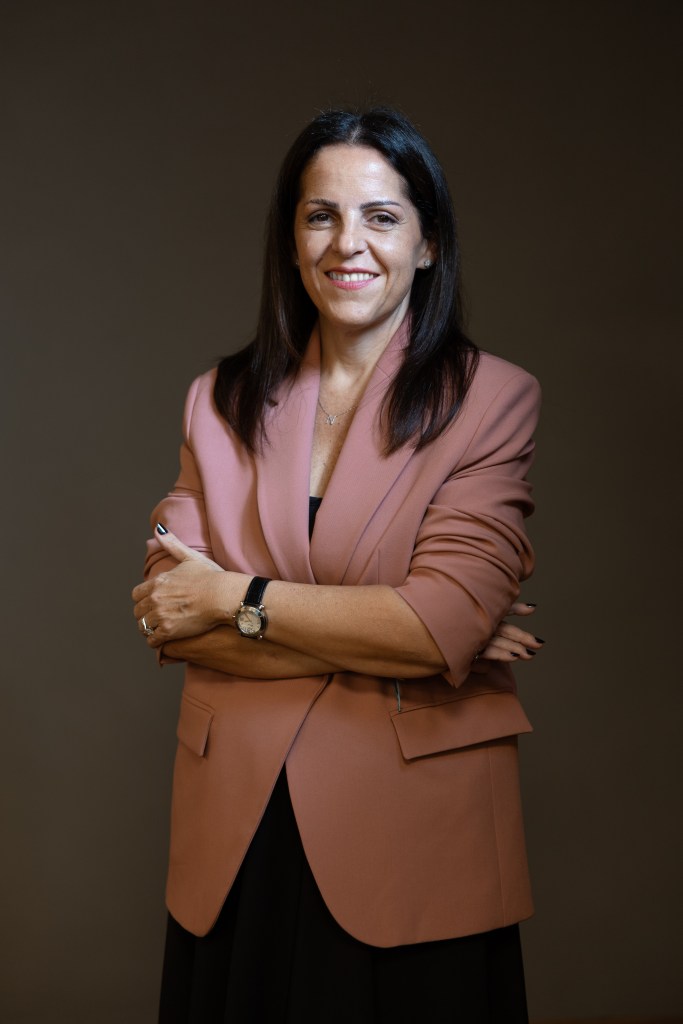
PAULA: Banking taught me to look at a project the way a lender or an investor does. Before anyone asks whether it will sell, they ask whether it holds together: the land cost, the feasibility, the structure, the exit. Working on the developer side, with groups including DAMAC, Ellington and Dar Global, showed me the other half: how that same project performs once it meets real buyers, in the UAE, in Saudi Arabia and across international markets. So my questions start early. What are we building, and for whom? Does the feasibility work? How is the development structured? And can the organization execute the strategy? That’s why I don’t see development and commercial strategy as separate conversations. A development has to work as a product, as a business and as an organization.
So is BRDG ultimately a commercially driven business?
WISSAM: Absolutely. But our definition of commercial is broader than sales. Commercial doesn’t simply mean sales. Commercial means creating the conditions that make sales possible. Strategy. Product. Brand. Positioning. Pricing. Experience. Trust. Communication. Distribution. Execution. When those elements work together, you create demand. And when genuine demand exists, sales become a consequence rather than the entire strategy.
PAULA: That’s something we fundamentally agree on. Commercial thinking should influence development from the beginning. It shouldn’t arrive at the end as a function expected to monetize decisions that have already been made.
Why is the human element so important to a business focused on commercial value?
WISSAM: Because behind every commercial number is a human decision. Someone is choosing where to live. Someone is deciding where to invest. Someone is deciding whether a home works for their family. Someone is deciding whether they trust a developer. Someone is deciding whether one development is worth paying more for than another. Data helps us understand behavior, but ultimately people create demand. So understanding what matters to people should influence what we build. Better understanding leads to better decisions. Better decisions create stronger products, stronger demand and stronger long-term value.
PAULA: That understanding has to translate into the development. Customer insight isn’t useful if it remains in a presentation.It needs to influence product, layouts, experience, development decisions and execution. That’s where human understanding becomes development value and ultimately commercial value.
Do developers sometimes expect too much from marketing and sales?
WISSAM: Sometimes marketing and sales are asked to solve problems that should have been solved much earlier. Marketing is important. Sales are critical. Brand is fundamental. But none of them can permanently compensate for a weak proposition. If the product is wrong, if the positioning is unclear, if pricing doesn’t make sense or if the market doesn’t trust the developer, you can’t simply increase the marketing budget and expect those issues to disappear. You cannot communicate your way out of a weak proposition. Marketing should amplify value that already exists. It shouldn’t be expected to invent that value at the end.
Dubai is becoming an increasingly competitive development market. What does that mean for developers?
WISSAM: It raises the standard. Customers have enormous choice and increasingly good access to information. Developers can’t rely indefinitely on the same language, amenities or formulas to differentiate. The question becomes: Why should somebody choose you?
Not simply: why this apartment? But why this developer? Why this proposition? Why this price? Why should I trust you? That’s where positioning, brand and reputation become increasingly important.
PAULA: It also means developers need greater discipline. As portfolios grow, complexity increases. You need stronger decision-making, clearer processes and better alignment between commercial strategy and development execution. A more sophisticated market requires more sophisticated development organizations.
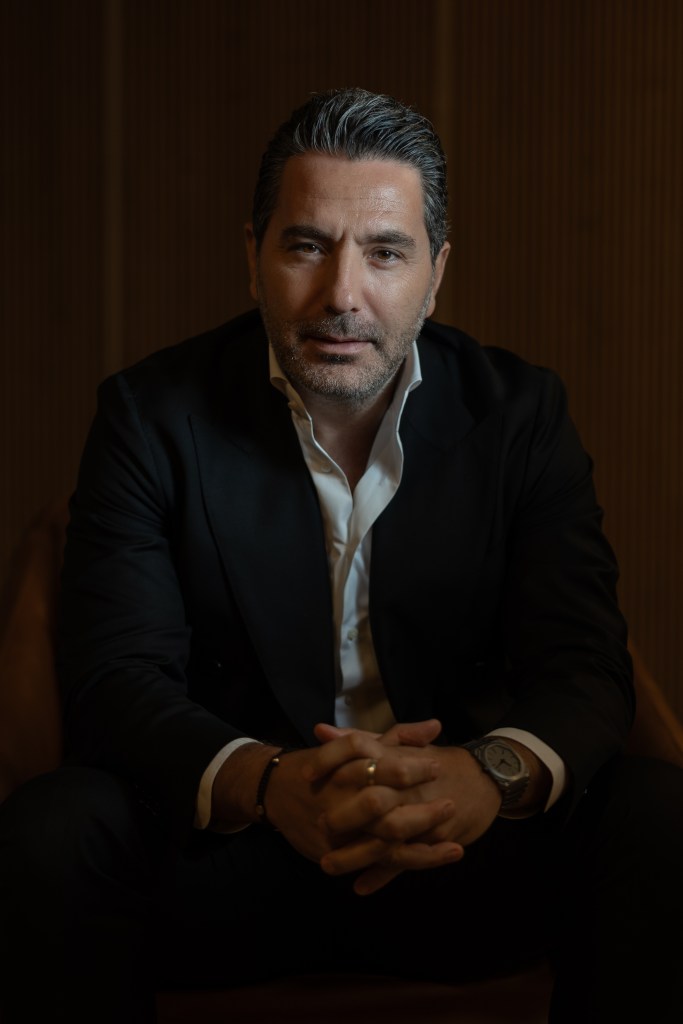
Where should commercial thinking enter the development process?
PAULA: As early as possible. Some of the most commercially important decisions are made before there is anything to sell. Market opportunity. Feasibility. Product. Unit mix. Customer. Design direction. Pricing assumptions. Development strategy. If commercial intelligence is involved early, those decisions can reinforce one another.
WISSAM: By the time we reach launch, we shouldn’t be trying to discover why the project matters. That answer should already exist. The strongest commercial decisions are made long before a project reaches the market. At launch, we’re communicating the value that has already been built into the development.
How do you define value at BRDG?
PAULA: Value is when better thinking translates into better outcomes. A strong product. Greater clarity. Simpler processes Better decisions. Better execution. A stronger organization. And ultimately stronger commercial performance.
WISSAM: And value isn’t simply how many units you sell. Did we create genuine demand? Did we create pricing power? Did we build trust? Did we strengthen the brand? Does the market understand why this development deserves to be chosen? Does what we’re building today make the next development stronger? That’s the difference between completing transactions and building long-term value.
Where do you want BRDG House to go from here?
PAULA: I want BRDG to become a trusted Strategic Development Partner that developers bring into important conversations early. Not because they need another consultant, but because they see the value of connecting commercial strategy, development and execution from the beginning. I want to build a platform capable of working alongside ambitious developers across multiple projects and in multiple geographies.
WISSAM: And I want BRDG to have relevance beyond the projects we’re involved in. Projects create proof.But a strong brand has to contribute something beyond its own business. We want BRDG to create conversations, intelligence and initiatives that bring developers, investors, partners and industry leaders together around the issues shaping the future of development.
We don’t want to appear only when we have something to launch or sell. We want to remain relevant because we’re contributing something valuable to the industry. Projects create proof. Relationships create opportunity. Ideas create relevance. That’s how BRDG becomes more than a service company. It becomes a platform.
Finally, if each of you had to summarize BRDG’s philosophy in one thought, what would it be?
PAULA: By the time a project reaches the sales gallery, its price ceiling has already been set. Our job is to set it higher.
WISSAM: For me: Sales are not the strategy. Sales are the result. Before sales, you need the right strategy. The right product. The right positioning. The right brand. Trust. Experience. Pricing. Execution. When those things are aligned, you create demand. And that’s ultimately the thinking behind BRDG House:We Build Value Before We Build Projects.
RELATED: Fakhruddin Properties Unveils AED700 Million Robotics-Driven Development in Dubai

Entrepreneur Middle East Staff
Entrepreneur Staff