The Tech Innovation Forum 2026 Recap: Wissam Breidy, Founder, BRDG House
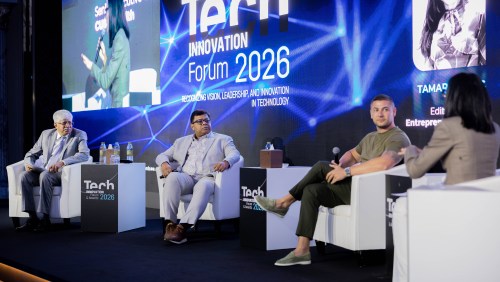
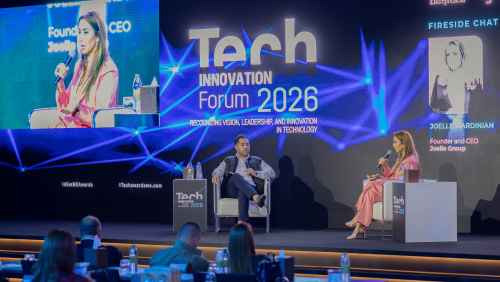
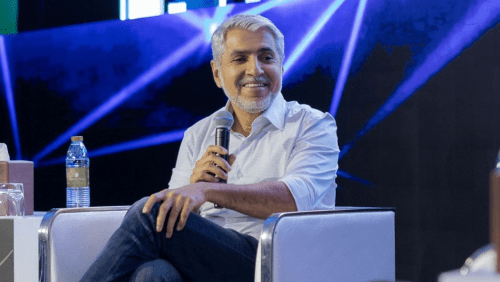
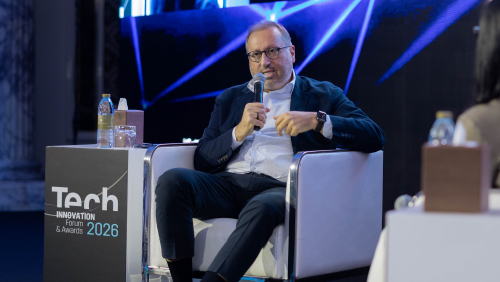
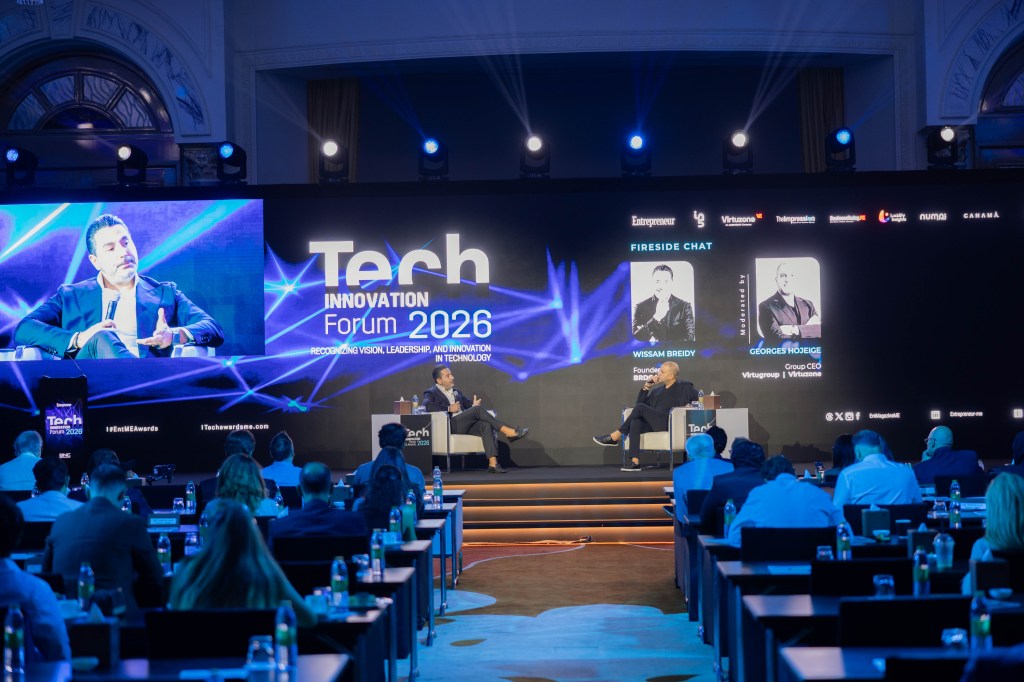
In conversation with George Hojeige, Group CEO of Virtugroup/Virtuzone, Wissam Breidy, founder and CEO, BRDG House, explained why reputation and trust create enduring business value.
You're reading Entrepreneur Middle East, an international franchise of Entrepreneur Media.
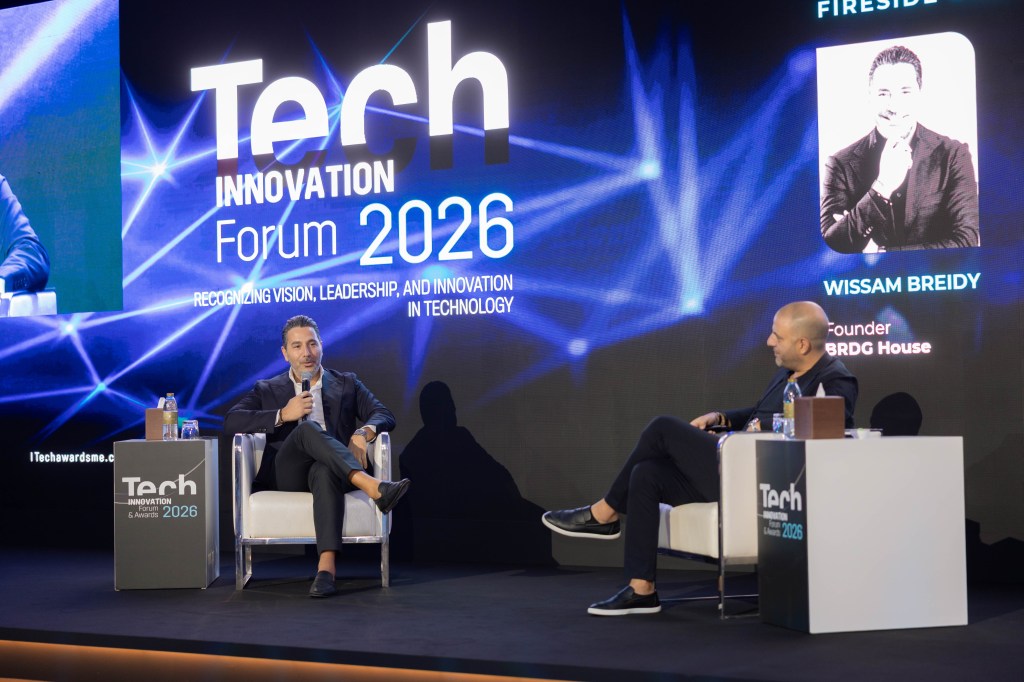
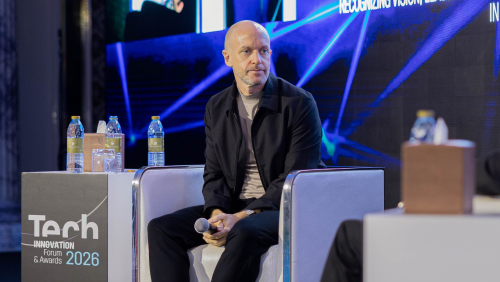
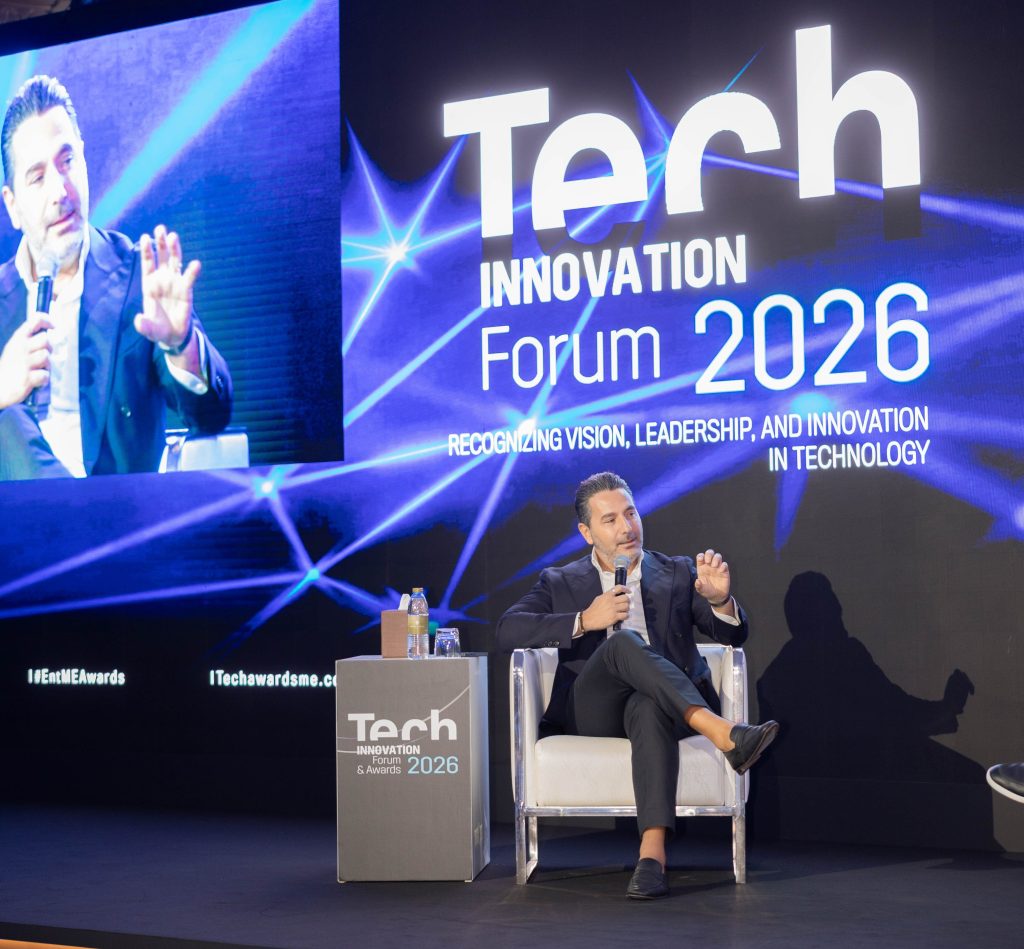
Entrepreneur Middle East’s Tech Innovation Forum 2026 opened with a fireside chat with Wissam Breidy, founder and CEO of BRDG House, exploring his transition from one of the region’s most trusted television hosts and public figures to entrepreneur and brand-building consultant, and the lessons he has carried from one world into the other.
In conversation with George Hojeige, Group CEO of Virtugroup/Virtuzone, Breidy traced his career back to an unlikely beginning. He was just 17 and still in high school when he joined Studio El Fan, the renowned Lebanese talent show that launched careers across singing, presenting, acting, directing and modeling.
Breidy initially intended to compete as a model, until an acting coach and close friend suggested that his real strength might lie elsewhere: television hosting. “Once I was on air, I was just myself,” Breidy said. “I kept passing from one level to the next because I was different from the others. I didn’t take myself too seriously. It became a huge transformation in my life because, until then, my ambition had been to become a pilot.
“After the show, I decided that if I was going to pursue this, I needed to take it seriously. I joined a radio station, and radio really elevates your skills. I was doing a three-hour morning show, just talking and connecting with the audience. I stayed there for two or three years, and that experience gave me the skills to start my first television show.”
His career as a public figure certainly opened doors, but he is careful to distinguish visibility from business credibility. “Media and being a public figure opened doors for me, but I never closed a deal because I was a public figure,” Breidy said. “That is an important distinction. Being known gave me opportunities and introductions because people trusted my reputation and were willing to hear what I had to say. But when it came to a real deal or a real business opportunity, everyone looked at the value they would get from it.”
Entrepreneurship, however, had long been in the background. “I created a restaurant chain called Rymful, which today operates as a franchise in Abu Dhabi, Dubai, Egypt and Iraq,” Breidy said. “I also worked in communications, helping brands through transformation. That became one of the core areas of my work in Dubai: helping companies move from being purely profit-driven to becoming purpose-driven.”
Having travelled regularly to Dubai since 2006, Breidy eventually made the city his permanent home in 2019, as Lebanon entered a period of deepening crisis.
“I moved to Dubai with my family with the intention of building something different. I already had relationships here and brands I had worked with,” Breidy said. “I moved my F&B business and registered its IP in the UAE because I wanted the brand to grow from here. It still has its Lebanese authenticity and spirit, but I wanted its base to be in the UAE.”
Breidy’s first mark on Dubai’s business landscape came through his role as CEO of HRE Development, which evolved from a construction company into a purpose-led property developer focused on creating long-term social value.
“My move into real estate was very intentional,” Breidy said. “From the day I came here, it was clear that real estate was where much of the action was in Dubai. And real estate is actually very close to what I had been doing for 25 years in the media. Both are project-based. You have a project, you work hard on it, you launch it, you get feedback from people, you interact with them, and then you move on to the next opportunity.”
Breidy’s relationship with HRE began not with a leadership position, but with a branding assignment. He was initially brought in to help shape the identity of a new development, and his conversations with the company’s chairman soon revealed a shared belief that business should create value beyond commercial returns.
“The company had been a construction company and needed to move into development,” Breidy explained. Being a developer is completely different from being a contractor. Development requires vision, positioning, marketing and storytelling. You need to understand where you want the project to sit in the market and how you want people to perceive it.
“The challenge was to build the brand. You can either spend millions on traditional branding and advertising, or you can do something completely different. The company had AED6 billion in inventory to sell, so we needed to establish trust quickly.
“Instead of spending millions of dirhams on billboards on Sheikh Zayed Road, I suggested that we invest in a mission.”
One of HRE’s standout initiatives included a AED30 million contribution to Dubai Cares, supporting education for children and youth in developing countries. Later on, it partnered with the Fazza International Championships for People of Determination 2025, reinforcing its dedication to inclusivity and empowerment.
“I changed the company’s entire branding around the idea of being ‘a building with purpose.’ The purpose was not simply to sell real estate,” Breidy explained. ”I wanted every person buying from the company to feel that their investment meant more than owning a property, that part of their investment was contributing to children’s education.
“The impact in the market was huge. The media started paying attention to HRE because there was a story worth hearing. Brokers became interested in working with us because they had a story they could tell their clients. That story wasn’t necessarily what closed the deal, but it broke the ice. It showed that this company stood for something different.
“In one month, we positioned the company in a way that could otherwise have taken three years and hundreds of millions of dirhams in branding and marketing.”
Currently, Breidy is channeling his experiences across media, branding and business into his upcoming book, The New ROI.
RELATED: Witness to Power: Hadley Gamble’s Career Offers Lessons in Leadership and Media Strategy
“Television taught me how to understand people’s behavior, how to tell stories, how to build trust and credibility, and how to create impact,” he said. “I believe we learn through stories. Before mobile phones, we got information from television. Before television, people gathered around the radio. And before radio, people gathered around the fire and learned from one another’s experiences.
“If someone in a village faced a challenge during the day and came back and told the story of what happened and how he responded, the others learned from his experience. The next time they faced the same challenge, they knew what to do. That is how human beings have always learned: through stories.”
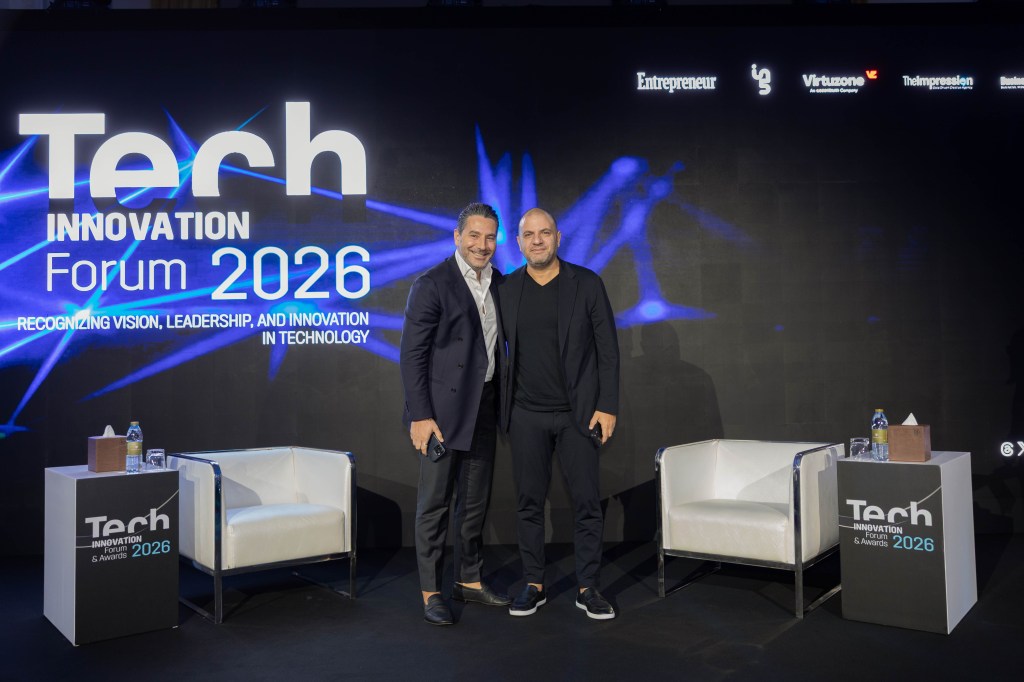
That belief became the starting point for his book. “I was looking through my social media and LinkedIn and seeing all these posts I had written about ideas and experiences, and I thought: why not develop them? I wanted to tell my own stories and explore the impact those experiences had on my life and on other people,” Breidy said.
“I call the book The New ROI. We know the traditional ROI as return on investment. My new ROI is ‘return on intention.’
“You need to put intention into everything you do, even if you are making a US$100 million transaction. Intention is what creates the real value behind that transaction.”
Breidy believes that distinction is becoming increasingly important as AI makes ideas and strategies easier to generate.
“People today are exposed to millions of projects and millions of ideas. Having an idea is no longer enough,” he explained. “You can go to ChatGPT or Claude, explain what you are thinking, and they can give you a structure and a strategy. The question is: how are you going to execute it? That comes back to intention.
“If you take away the valuation, the numbers and the applause, what makes you wake up every morning and go back to your company? It is your intention. It is the impact you want to make through that company. That is what makes us human.
“Return on investment is important. You need it for cash flow and to grow a company. But a company without a soul will not survive.”
RELATED: The Recap: Entrepreneur Middle East’s Tech Innovation Awards 2026