Reset and Resilience: Joseph El Khoury Repositions for Growth Amid Lebanon’s Crisis
Joseph El Khoury, founder of Joseph El Khoury Design Studio, and Managing Partner at
Ex Nihilo S.a.r.l., is shifting his businesses toward more scalable, less locally exposed
models—while maintaining confidence in Lebanon’s enduring strength as a hub for
creativity and talent.
You're reading Entrepreneur Middle East, an international franchise of Entrepreneur Media.
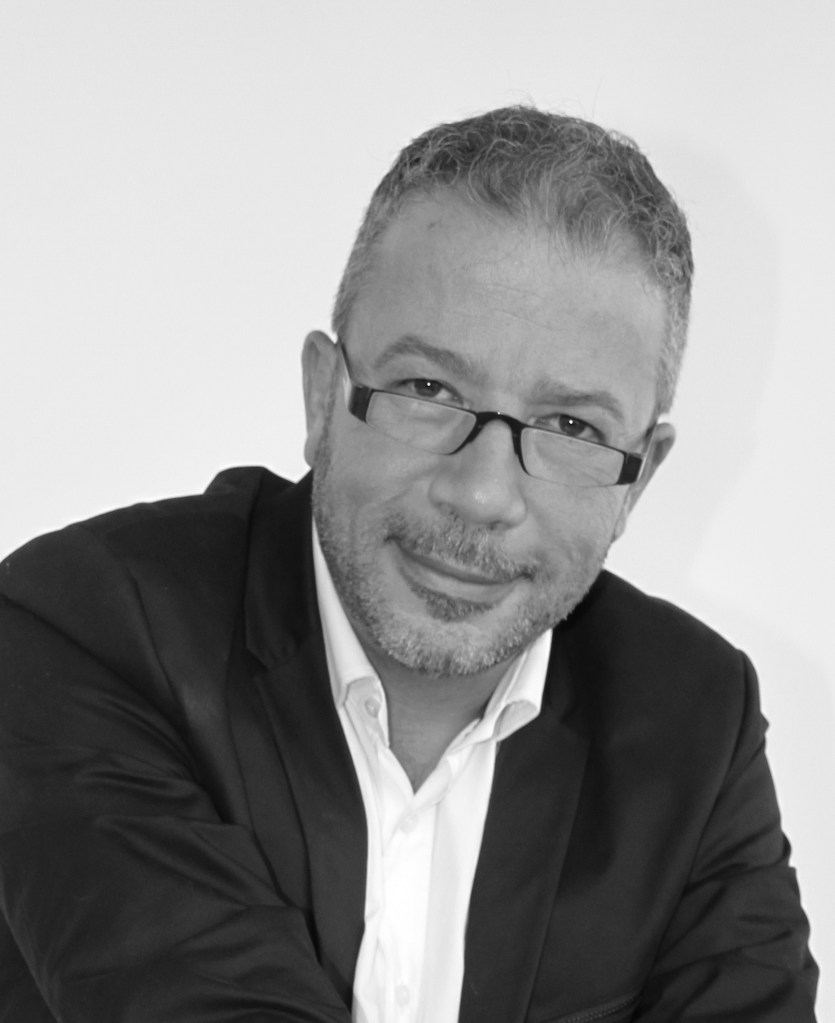
Joseph El Khoury is the founder of Joseph El Khoury Design Studio (JEKDS) and Ex
Nihilo s.a.r.l., two Beirut-based ventures spanning design services and product
development.
Established in 1995, JEKDS operates as a design and consulting studio across interior
architecture, product and concept design, installation art, and public space design, using a
lean, flexible model supported by a network of freelancers and specialists. Ex Nihilo,
launched in 2003 as a product-based brand focused on crafted objects, previously relied
on local workshop production and artisan collaboration.
However, ongoing economic challenges and conflict in Lebanon have forced a pause in
manufacturing, with both ventures now undergoing restructuring toward more agile,
scalable models less dependent on local production constraints.
“The design and construction sector in Lebanon has been significantly affected by the ongoing crises,” El Khoury explains. “Many practices have adapted by downsizing, becoming more flexible, or shifting toward regional and international opportunities. Despite these challenges, the context has also encouraged a more resilient, resourceful, and concept-driven approach to design.
“Overall, the business is at a transitional stage- moving from traditional, locally anchored
models toward more sustainable and scalable structures aligned with current realities.”
Since the escalation of the latest conflict in Lebanon, El Khoury’s businesses have faced
immediate disruptions- from the design side, projects have been paused or delayed as
clients hold back on new investments, and from the operational side, the existing
challenges in local production have intensified, including material sourcing delays and
difficulties in maintaining consistent workshop activity. “There is also a psychological
impact that cannot be ignored. In such contexts, both clients and designers shift into a
more cautious, short-term mindset, which directly affects the type and scale of work being
undertaken,” El Khoury explains. “This combination of operational disruption, market
hesitation, and uncertainty has required a constant reassessment of priorities and a more
adaptive, flexible approach to running the business.”
In response to the situation, El Khoury focused on increasing flexibility, reducing
dependency on unstable systems, and maintaining continuity wherever possible.
“On the design side, I adapted the workflow to be more agile and less reliant on physical
presence. This included prioritizing design studies, concept development, and remote
collaboration. I also adjusted project scopes to align with clients’ current constraints,
offering more phased or modular approaches.
“On the product side, I made the decision to pause traditional workshop-based production
rather than force an unsustainable model. Instead, I shifted focus toward research and
development, refining designs, testing smaller-scale prototypes, and exploring alternative
production strategies that could be more resilient in the long term.
“Operationally, I kept the structure lean and relied on a trusted network of collaborators
rather than fixed overhead, which allowed for greater adaptability during periods of
fluctuation.”
Amid ongoing disruption, El Khoury is undertaking a strategic reset of his businesses with
an aim to shift toward models that are less exposed to local volatility and better aligned
with scalable, sustainable growth.
“Running a business in Lebanon over the past years requires a constant balance between
resilience and realism,” he says. “On one hand, the environment is unstable and often
unpredictable; on the other, it forces you to become resourceful, adaptable, and highly
aware of how you operate.
“There is also a strong emotional dimension. Periods of uncertainty affect not only
business decisions, but also the mindset with which you approach work. You learn to
manage interruptions, delays, and shifting priorities while maintaining a certain level of
consistency and professionalism.”
However, he remains upbeat, noting that Lebanon continues to offer a unique context for
creativity and talent. “Constraints often push you to think differently, simplify processes,
and focus on what is essential. This has influenced the way I approach design and
business, making it more intentional and grounded,” El Khoury says.
“Looking forward, I expect the environment to remain complex, but I also see a gradual
shift toward more flexible and outward-looking models. For me, the focus is on building
structures that are less dependent on local instability, while still maintaining a connection
to the context that shaped the work.”
Resilient Growth Playbook
Architect and Designer Joseph El Khoury Urges Lebanese Entrepreneurs to Rethink
Survival Strategies Amid Escalation
Stay lean and adaptable “Avoid heavy fixed structures and build your operations in a way
that can adjust quickly. Flexibility is one of the most valuable assets in an unstable
environment.”
Do not depend on a single system “Whether it is production, sourcing, or revenue
streams, diversification is essential. Relying entirely on one local system can expose your
business to sudden disruption.”
Focus on what you can control “In uncertain contexts, external factors are often
unpredictable. Concentrating on the quality of your work, your processes, and your
relationships helps maintain stability and direction.”
Think beyond the local market “Exploring regional or international opportunities can
create additional resilience and reduce exposure to local volatility.”
Maintain clarity and consistency “Even during difficult periods, it is important to stay
clear about your positioning and values. This builds trust and allows your business to
remain coherent as it evolves.
Joseph El Khoury is the founder of Joseph El Khoury Design Studio (JEKDS) and Ex
Nihilo s.a.r.l., two Beirut-based ventures spanning design services and product
development.
Established in 1995, JEKDS operates as a design and consulting studio across interior
architecture, product and concept design, installation art, and public space design, using a
lean, flexible model supported by a network of freelancers and specialists. Ex Nihilo,
launched in 2003 as a product-based brand focused on crafted objects, previously relied
on local workshop production and artisan collaboration.
However, ongoing economic challenges and conflict in Lebanon have forced a pause in
manufacturing, with both ventures now undergoing restructuring toward more agile,
scalable models less dependent on local production constraints.

Tamara Pupic • Editor in Chief, Entrepreneur Middle East
Entrepreneur Staff
Tamara Pupic is the Editor in Chief of Entrepreneur Middle East.