Saudi Sports for All President Prince Khaled bin Alwaleed Positions Physical Activity as Economic Imperative
“It’s not just about attending events or picking up a hobby, it directly impacts your health, your quality of life, and your contribution to society.”
You're reading Entrepreneur Middle East, an international franchise of Entrepreneur Media.
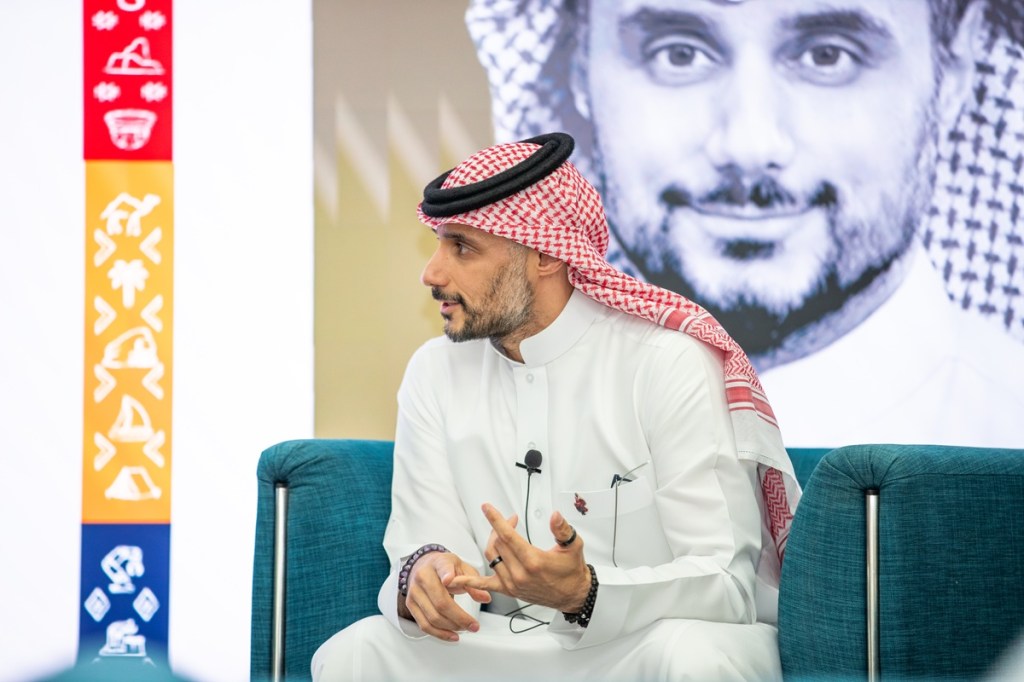
Physical activity is now a strategic driver of Saudi Arabia’s national development, rather than simply a lifestyle choice, said Prince Khaled bin Alwaleed bin Talal Al Saud, President of the Saudi Sports for All Federation, speaking at King Saud University during a Vision 2030 Club seminar.
“We are working on changing the mindset around physical activity,” he explained. “It’s not just about attending events or picking up a hobby, it directly impacts your health, your quality of life, and your contribution to society.”
His words echo Saudi Vision 2030, the Kingdom’s strategy to diversify its economy and improve quality of life, that envisions sport enhancing public health while unlocking new economic opportunities.
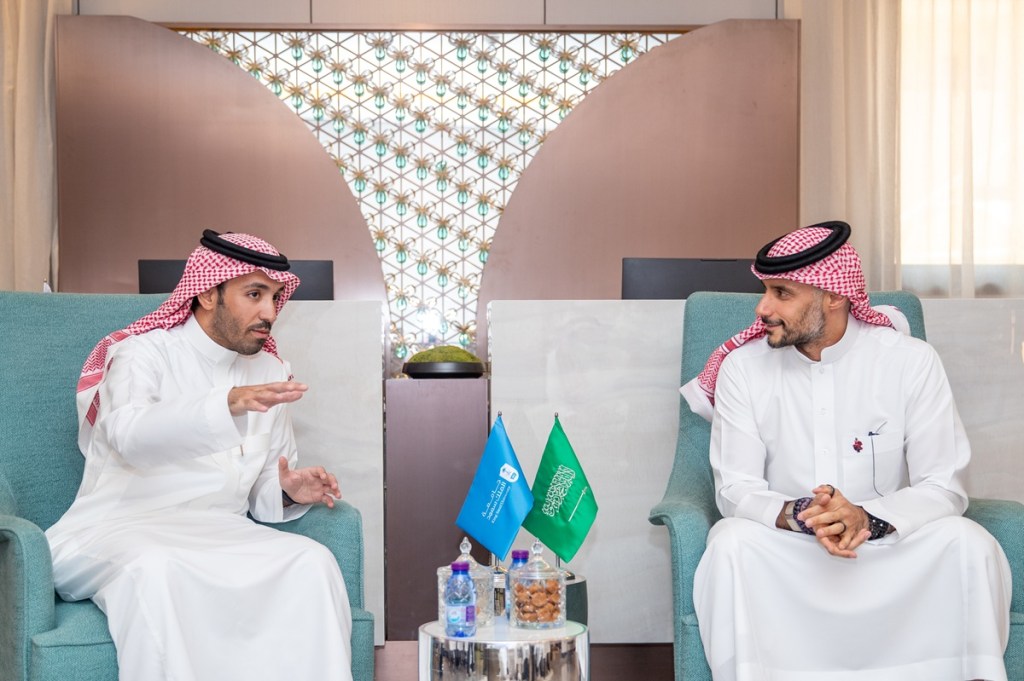
A more active population reduces long-term healthcare burdens, increases productivity, and creates demand across multiple sectors, from fitness tech and sports infrastructure to events, tourism, and wellness services.
Saudi Arabia’s progress underscores how quickly change can happen when strategy meets execution. In 2018, only 13% of the population met recommended physical activity levels. By 2025, that number had surged to 59.1%.
The results stem from the Saudi Sports for All Federation’s intentional programming designed to lower barriers and meet people where they are.
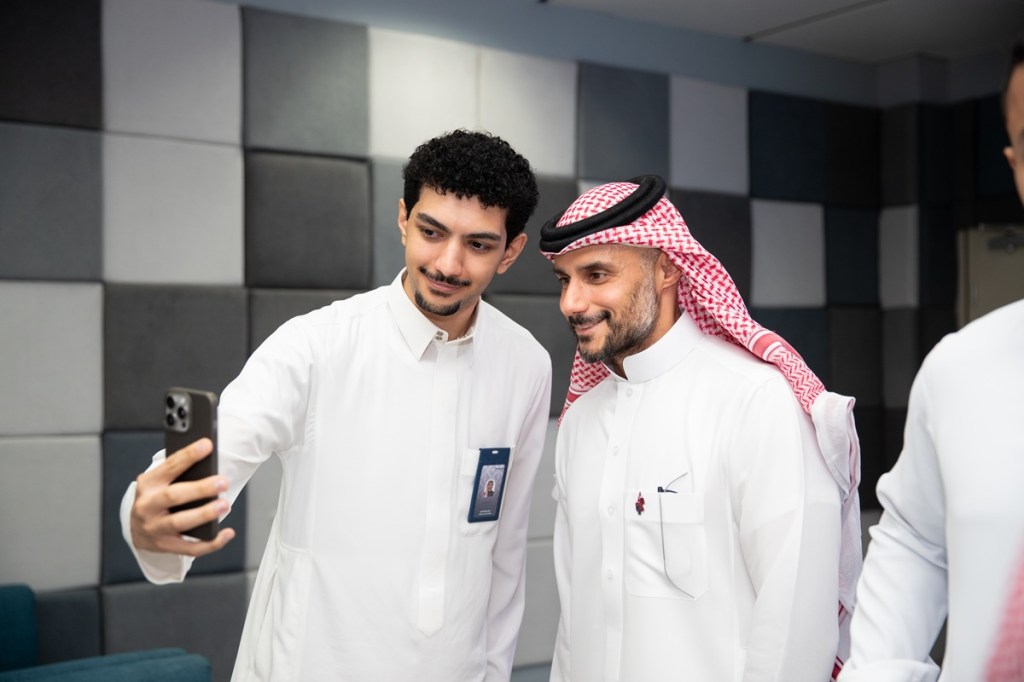
The Federation has prioritized accessibility and inclusivity, rather than focusing solely on elite sports, and implemented initiatives that span all demographics, from children to seniors. Programs like Nashati, Tennis for All, and Move with Us are designed to make participation easy and sustainable, not intimidating.
Large-scale events have also played a role in driving engagement. The Riyadh International Marathon Festival, for example, attracted more than 50,000 participants from 125 countries in its latest edition, demonstrating Saudi Arabia’s growing influence in global sports tourism.
One of the Federation’s most forward-thinking strategic aspects is its approach to youth engagement. Young Saudis have been invited to contribute through volunteering, content creation, and program development, effectively becoming stakeholders in the ecosystem.
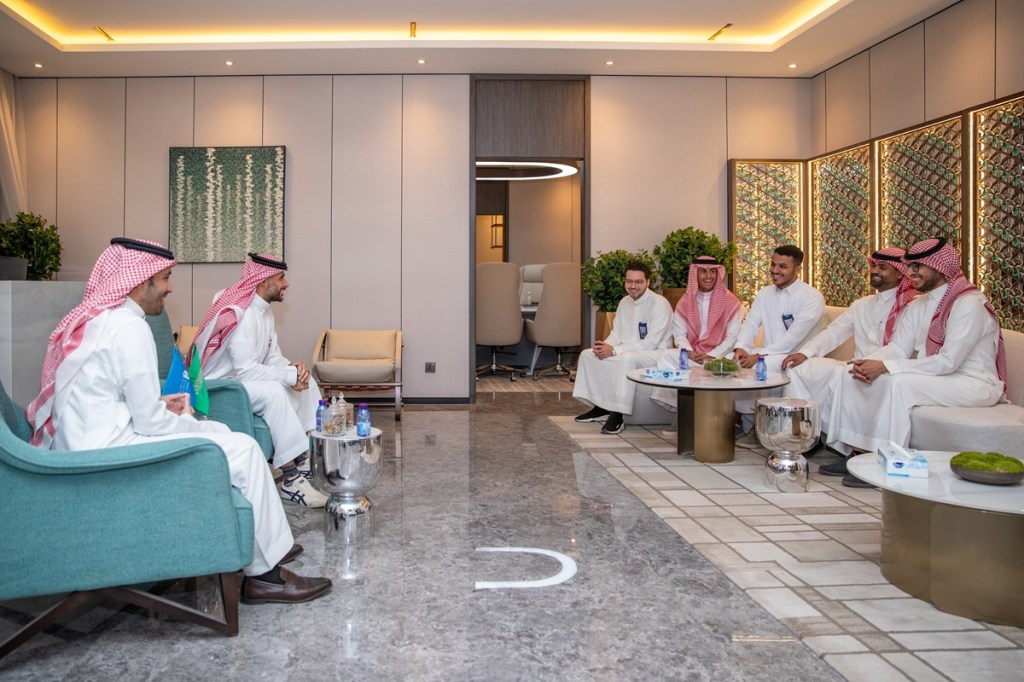
Despite the progress, challenges remain. One of the biggest is perception—the belief that fitness requires significant time, effort, or expertise.
Prince Khaled encouraged a mindset shift saying, “Don’t wait for the perfect moment. Start with one small step and let consistency turn movement into a lasting habit.”
At its core, the Saudi approach offers a broader lesson for entrepreneurs: meaningful change doesn’t come from grand gestures alone, but from systems that make small actions repeatable and scalable.
Physical activity is now a strategic driver of Saudi Arabia’s national development, rather than simply a lifestyle choice, said Prince Khaled bin Alwaleed bin Talal Al Saud, President of the Saudi Sports for All Federation, speaking at King Saud University during a Vision 2030 Club seminar.
“We are working on changing the mindset around physical activity,” he explained. “It’s not just about attending events or picking up a hobby, it directly impacts your health, your quality of life, and your contribution to society.”
His words echo Saudi Vision 2030, the Kingdom’s strategy to diversify its economy and improve quality of life, that envisions sport enhancing public health while unlocking new economic opportunities.

Entrepreneur Middle East Staff
Entrepreneur Staff