The Gilded Oasis Redefining Luxury in Dubai’s Interior Design Renaissance
From sand to sanctuaries: How the world’s most ambitious skyline is moving inside, crafting a new visual language for the 21st century home.
You're reading Entrepreneur Middle East, an international franchise of Entrepreneur Media.
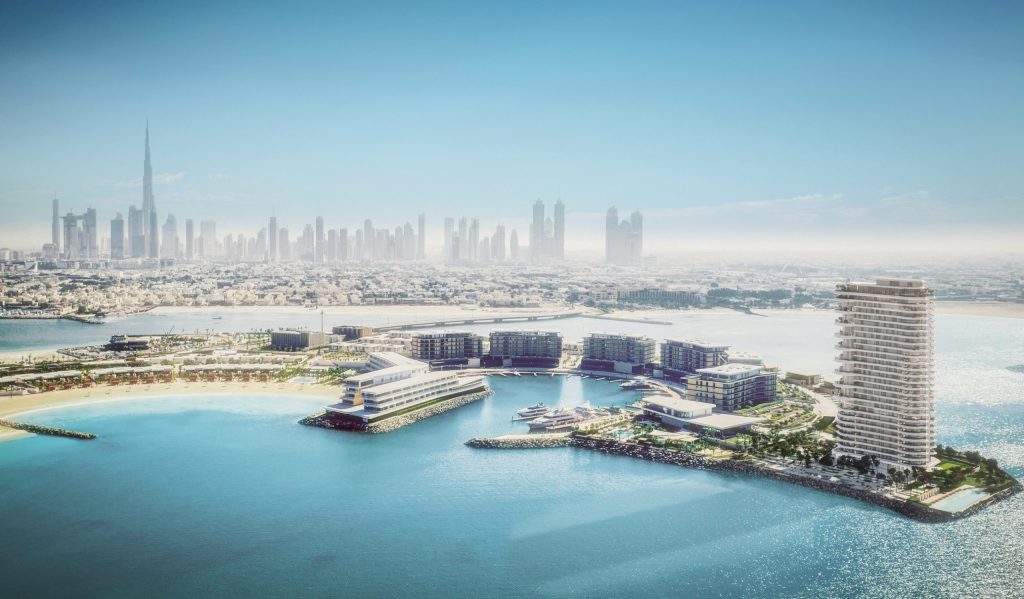
Dubai has never been a city of whispers; it is a city of grand statements and architectural crescendos. For decades, the global narrative surrounding this desert metropolis focused on the “tallest,” the “largest,” and the “first,” creating a skyline that acts as a beacon of human ambition against the vastness of the Arabian horizon.
However, as the dust settles on the iconic structures of Downtown and the architectural ribbons of the Palm Jumeirah, a quieter, more sophisticated revolution is taking place—one that happens behind heavy, bespoke carved doors.
The evolution of interior design in Dubai is a mirror held up to the city’s own rapid transformation, signaling a shift from a landscape once dominated by “Gold and Glitz” to a complex, multi-layered aesthetic where the ancient Silk Road meets the sleek efficiency of Silicon Valley.
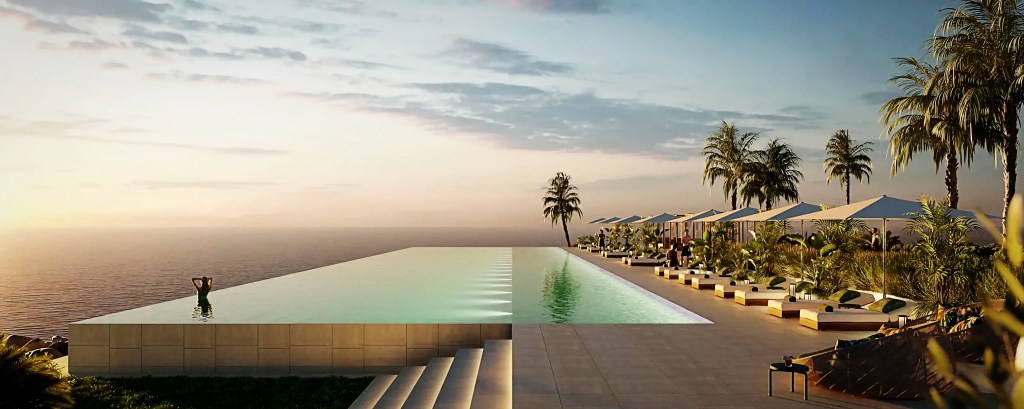
Step into a penthouse in the Bulgari Residences or a custom-built villa in Emirates Hills today, and you are less likely to be blinded by polished gold leaf than you are to be soothed by the muted textures of “Quiet Luxury.” This movement, which has hit the Emirate with the force of a shamal, prioritizes tactile wealth over visual noise.
Designers are increasingly opting for a palette inspired by the surrounding topography: the muted ochres of the Lehbab dunes, the pale turquoise of the Arabian Gulf, and the charcoal of the Hajar Mountains. It is a transition toward organic modernism, where the focus has shifted entirely to materiality.
It is no longer enough for a dining table to be expensive; it must be a monolithic slab of rare Vicenza stone or hand-charred Yakisugi wood that tells a story of craftsmanship and geological time.
This new restraint is not about a lack of resources, but rather the confidence to let raw, high-quality materials breathe without the need for excessive ornamentation.
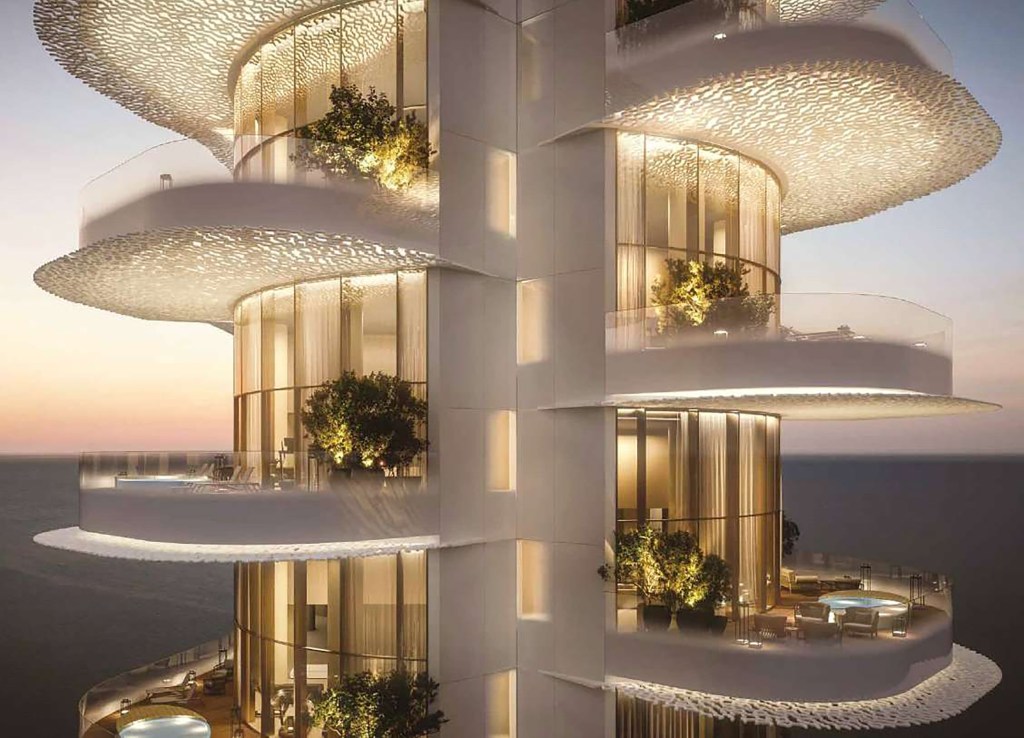
While international trends like Japandi and Mid-Century Modern are prevalent in the city’s showrooms, Dubai’s design DNA remains inextricably linked to its roots, albeit through a neo-Arabesque lens.
Modern Dubai interiors treat heritage as an accent rather than a costume. The traditional Mashrabiya, once used strictly for privacy and climate control in the wind towers of old Bastakiya, is being repurposed as backlit feature walls or laser cut metal room dividers that cast cinematic shadows across micro-cement floors.
Similarly, the Majlis—the historical heart of the Arabic home—has evolved from a formal, sequestered room into an integrated, communal lounge area. By utilizing low-slung modular sofas upholstered in heavy Emirati-inspired weaves, designers are bridging the gap between ancestral tradition and the high-paced cosmopolitan comfort required by today’s global residents.
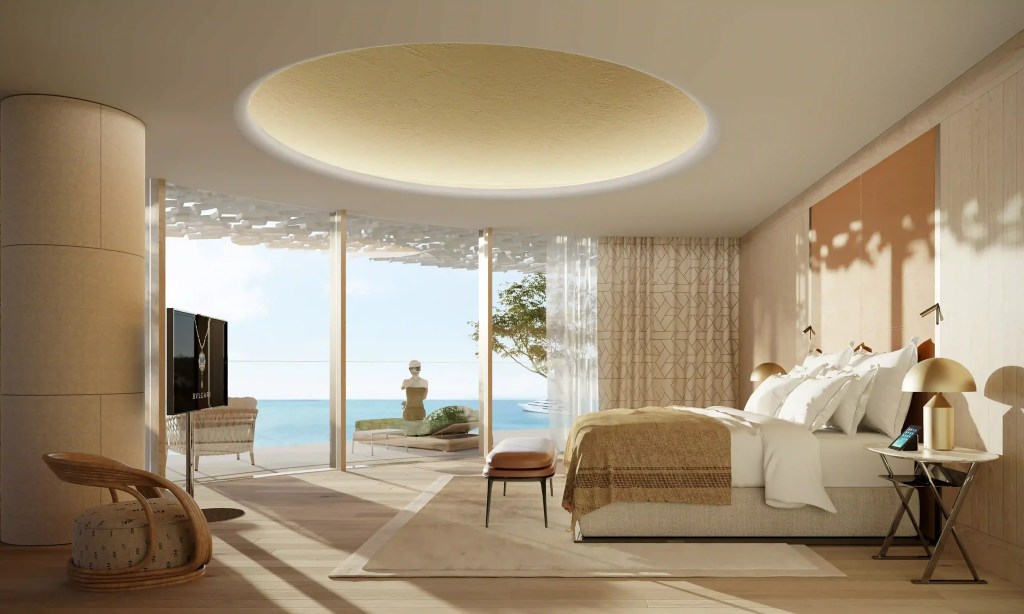
The result is a space that feels grounded in the region while functioning for a modern, international lifestyle. In a city where summer temperatures demand a retreat indoors for several months of the year, biophilic design has become a necessity rather than a stylistic choice.
The urge to connect with nature is primal, leading to the rise of internal courtyards—glass-encased mini forests that allow residents to see greenery from every room while remaining in a perfectly controlled environment.
Vertical gardens and moss walls act as natural air purifiers in high rise apartments in DIFC, while the thunderous, choreographed fountains of the past are being replaced by “Mirror Pools.”
These shallow, still bodies of water reflect the desert sky, creating a sense of infinite space and a psychological cooling effect that is essential for urban well being.
This integration of the natural world is more than just aesthetic; it is a vital component of the “wellness-centric” home, a trend that has seen gymnasiums replaced by meditation alcoves and spa-grade recovery suites within private residences.
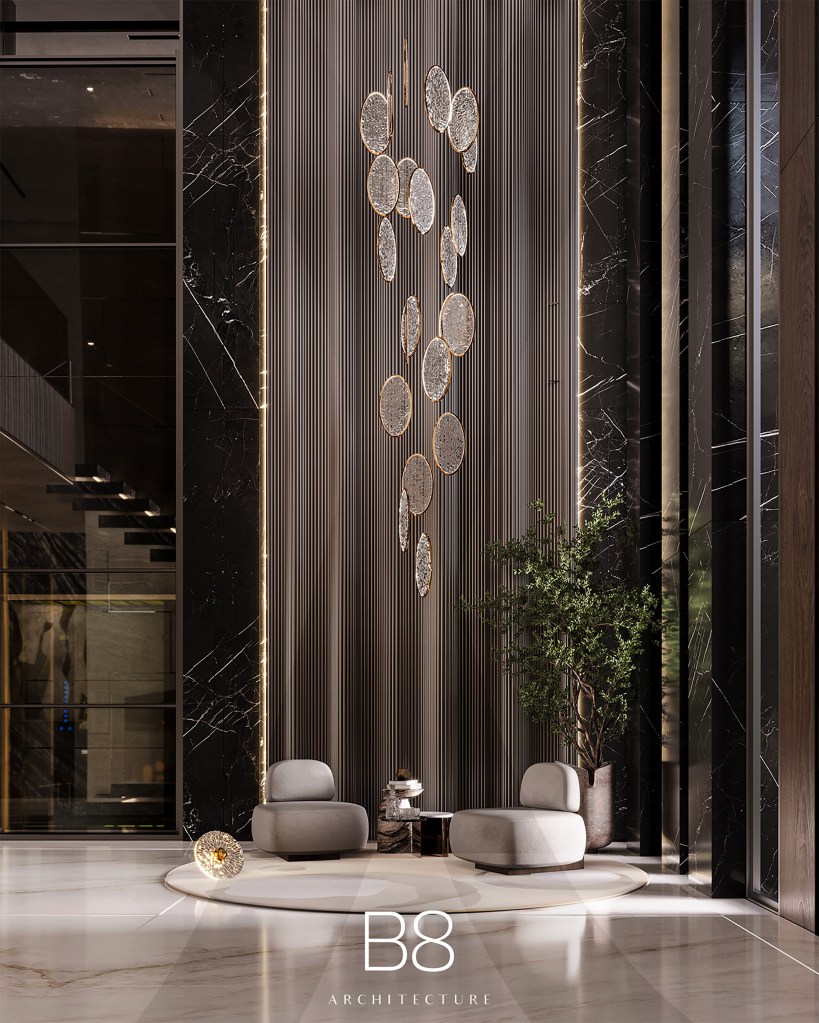
This aesthetic maturity is supported by an invisible backbone of technology that defines the modern Dubai lifestyle. In this city, a home that isn’t “smart” is considered unfinished, but the goal has shifted from overt gadgetry to seamless, invisible integration.
The modern interior hides its brain; sound systems are embedded behind plasterboard, and circadian lighting systems automatically adjust the color temperature of a home to match the sun’s trajectory.
This ensures that even in a city that never sleeps, the home remains a sanctuary that respects the biological rhythms of its inhabitants.
Lighting is now treated as “architectural jewelry,” with brands like Occhio and Flos being used to highlight specific textures and art pieces rather than simply illuminating a room. The focus is on the “scene”—how a room feels at 7:00 PM during a dinner party versus 7:00 AM during a quiet breakfast.
Sustainability is the next great frontier for the region’s interiors. For a long time, the words “sustainable” and “luxury” were rarely used together in the Dubai context. However, a new generation of homeowners is demanding ethically sourced timber, recycled glass countertops, and VOC-free paints.
This shift is also influencing the “Slow Design” movement, where there is a move away from “fast furniture” toward heirloom pieces that are built to last generations.
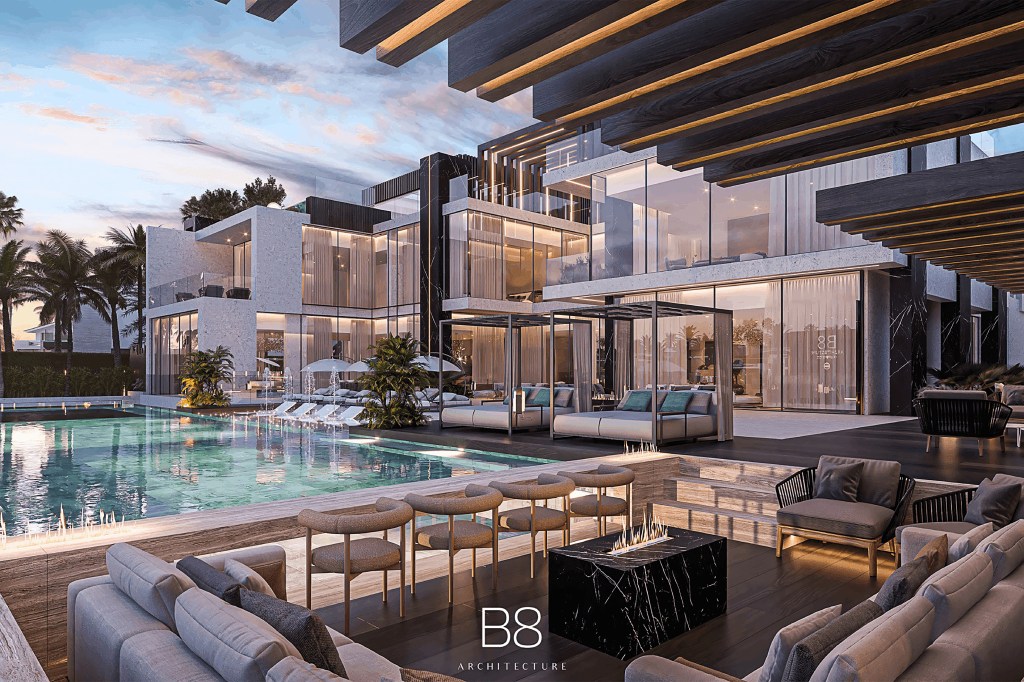
Developers and designers alike are realizing that true luxury in the 21st century is synonymous with responsibility. This includes the use of smart glass that tints according to heat intensity and grey-water recycling systems that feed those lush internal gardens, proving that high-end living can coexist with environmental consciousness.
As a global melting pot, Dubai has become a playground for the world’s elite design firms and fashion houses. We are seeing an unprecedented fusion of styles, often referred to as “Vibrant Eclecticism.”
It is not uncommon to see a 19th-century French chandelier hanging over a custom-made resin dining table in a home that features walls adorned with contemporary African art or Brazilian mid-century furniture.
This lack of a single “gatekeeper” style allows for a level of creative freedom rarely seen in more established design capitals like London or Paris. The city’s residents are increasingly looking for “soul” in their spaces, which has led to a burgeoning pride in “Made in the UAE.”
Local artisans and workshops in the industrial heart of Al Quoz are being commissioned to create one off pieces, from hand-knotted rugs to sculptural lighting, reducing carbon footprints and ensuring that Dubai’s homes have a narrative that is locally grown rather than imported in a shipping container.
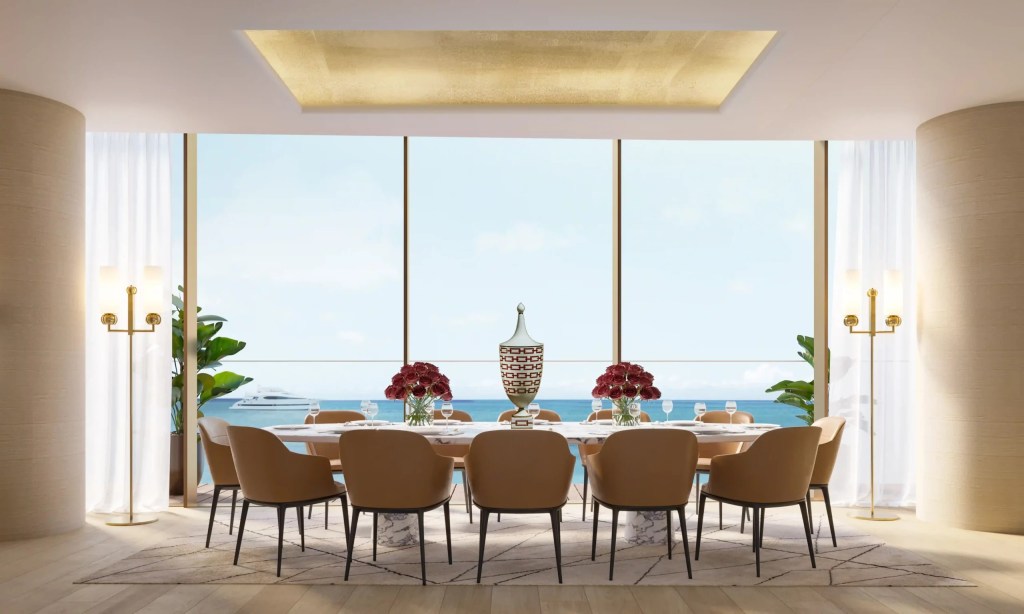
Ultimately, interior design in Dubai has moved past the era of imitation and into an era of self-assured identity. It no longer looks to the West for validation, having carved out a niche that is uniquely its own: The Maximalist Minimal. It is a style that understands luxury is not about how much you can show, but how deeply you can feel at home.
It is about the silence of a perfectly acoustically treated room, the coolness of a stone floor underfoot, and the way the light hits a piece of local art at sunset. As the city continues to grow and reinvent itself, its interiors will remain its most intimate record of progress.
From the nomadic tents of the past to the smart-glass towers of the future, Dubai has proven that even in the heart of the desert, the most beautiful oases are the ones we build for ourselves within the four walls of our own sanctuaries.
Dubai has never been a city of whispers; it is a city of grand statements and architectural crescendos. For decades, the global narrative surrounding this desert metropolis focused on the “tallest,” the “largest,” and the “first,” creating a skyline that acts as a beacon of human ambition against the vastness of the Arabian horizon.
However, as the dust settles on the iconic structures of Downtown and the architectural ribbons of the Palm Jumeirah, a quieter, more sophisticated revolution is taking place—one that happens behind heavy, bespoke carved doors.
The evolution of interior design in Dubai is a mirror held up to the city’s own rapid transformation, signaling a shift from a landscape once dominated by “Gold and Glitz” to a complex, multi-layered aesthetic where the ancient Silk Road meets the sleek efficiency of Silicon Valley.

Entrepreneur Middle East Staff
Entrepreneur Staff