Where Certainty Meets Scale: The Industrial Move to the UAE’s North with RAKEZ
Beyond lean operational models that protect margins, RAKEZ has been able to unlock another core fact: reducing operational risk has become equally central to the equation.
You're reading Entrepreneur Middle East, an international franchise of Entrepreneur Media.
In April 2026, the World Trade Organisation’s (WTO) latest World Trade Prospects and Statistics report announced that, in a historic first, the UAE had entered the ranks of the world’s top 10 exporting nations. This milestone comes at a particularly pivotal moment for global trade routes and supply chains, as the effects of geopolitical shifts and crises continue to be navigated. While this reality is encouraging industrial investors, more than ever, to place greater value on stability, continuity, and operational certainty, it has also offered UAE-based manufacturing hubs a unique opportunity: to move beyond location-led appeal and establish ecosystems that are resilient, reliable, and built to scale over the long term.
Ras Al Khaimah is increasingly emerging as a destination that meets these evolving expectations, offering a balance of reliability, cost efficiency, and long-term scalability. At the centre of the northern emirate’s growth has been the Ras Al Khaimah Economic Zone (RAKEZ) and its range of business licenses, legal structures, and facility options.
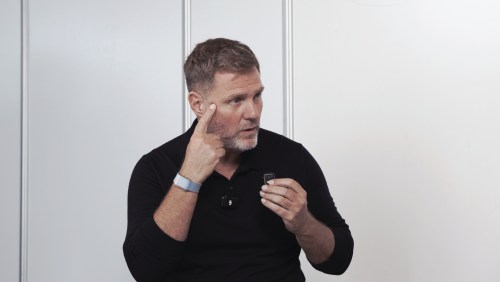
In his experience, RAKEZ Group CEO Ramy Jallad notes that there are a select few factors that industrial investors now place above brand-name cities: namely, the cost of land and facilities, the speed of licensing and set-up, the strength of logistics connectivity and ease, and the transparency of regulatory frameworks. Workforce availability and long-term scalability have also become decisive factors, as manufacturers plan multi-phase growth strategies rather than short-term footprints. He adds, “In today’s environment, predictability is no longer just an advantage, but a necessity, and it is increasingly shaping how and where industrial investments are made.”
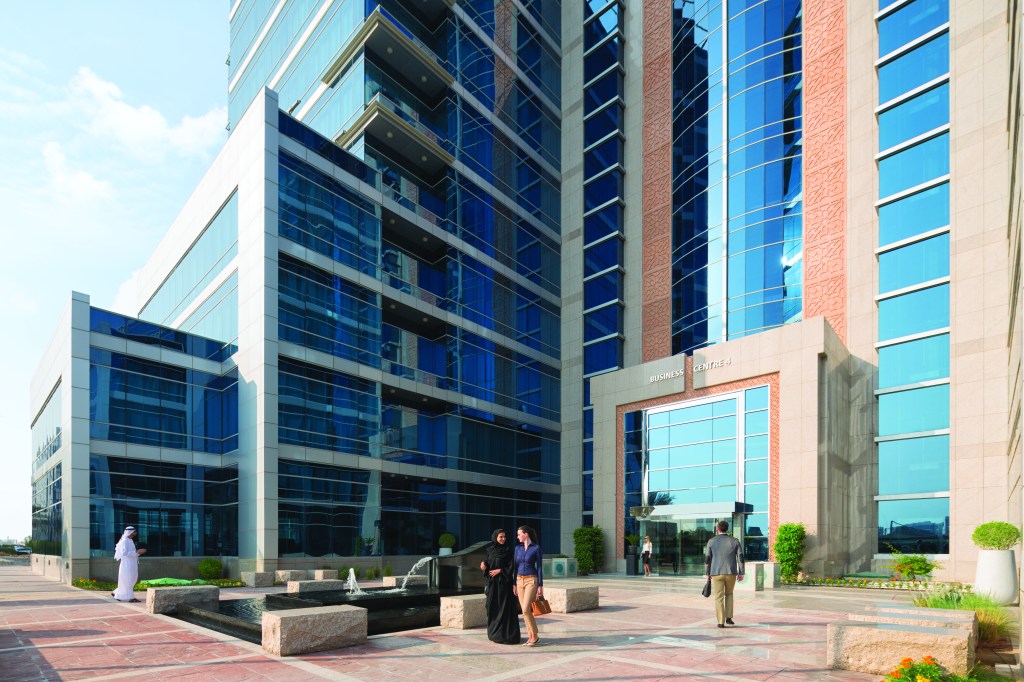
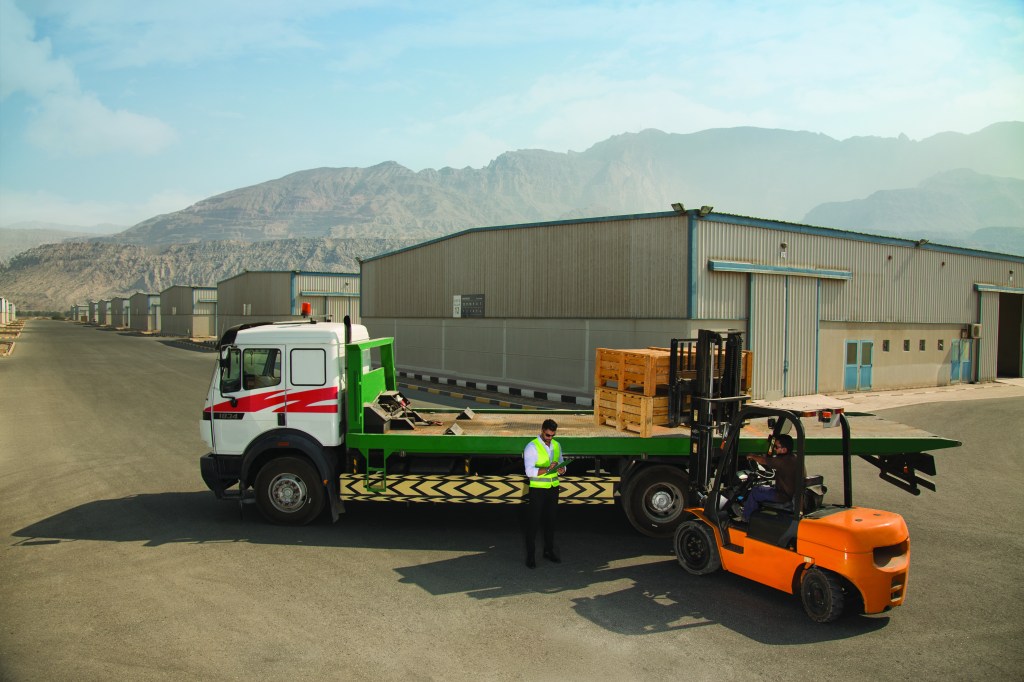
Home to more than 40,000 companies from over 100 countries today—with manufacturing forming one of its fastest-growing segments—RAKEZ has cemented its position in the UAE by offering competitive industrial land rates, customizable warehouses, and built-to-suit facilities that allow businesses to deploy capital strategically rather than absorb inflated overheads.
In addition, the economic zone’s streamlined licensing framework, including fast-track setup capabilities for certain business activities, helps reduce time-to-market, while 100% foreign ownership structures and transparent regulatory processes offer clarity from the outset. Jallad notes that it is a combination that, for manufacturers operating on tight production cycles, directly supports cost control and protects margins.
But beyond lean operational models that protect margins, RAKEZ has been able to unlock another core fact: reducing operational risk has become equally central to the equation. RAKEZ’s one-stop-shop model therefore consolidates licensing, visa processing, banking facilitation, compliance coordination, and corporate services under a single ecosystem. Dedicated key account managers and centralized government liaison mechanisms minimize bureaucratic fragmentation. VAT registration, ESR compliance, accounting support, and audit facilitation are also coordinated within the same framework, lowering administrative complexity. “For industrial operators managing multi-market supply chains, this integrated approach significantly reduces exposure to delays and regulatory ambiguity,” Jallad explains.
Increasingly, industrial decision-making is being shaped not only by cost and speed, but by the ability to operate with confidence amid shifting global conditions. As such, to further improve its procurement, partnerships, and distribution capacity —and indeed, its overall value proposition— RAKEZ has remained committed to fostering industrial clusters. Its manufacturing base spans fabricated metal products, chemicals, rubber and plastics, machinery and equipment, building materials, automotive components, electrical equipment, food production, packaging, furniture, and wood products, among others.
This ecosystem diversity has proven to be an important bow in the economic zone’s armor. “The clustering effect not only shortens supply chains but also strengthens resilience,” Jallad explains. Supporting this ecosystem is the economic zone’s uniquely embedded ESG infrastructure, which includes shared utilities, structured waste management systems, and industrial planning aligned with sustainable building standards and cleaner production practices. All of this enables companies to meet increasingly stringent environmental benchmarks”
Perhaps one of the biggest reflections of RAKEZ’s strength lies in the fact that in 2025 it recorded a 44% surge in new company registrations, compared to 2024. From a geographical standpoint, Ras Al Khaimah’s positioning plays a critical role in strengthening operational reliability for industrial businesses. Easy access to logistics hubs and integrated road networks across the UAE and GCC supports more reliable and controlled access points for the movement of goods.
For manufacturers targeting regional distribution corridors across the Middle East, Africa, and South Asia, this logistical positioning enables greater planning certainty while helping manage transport risks and costs.
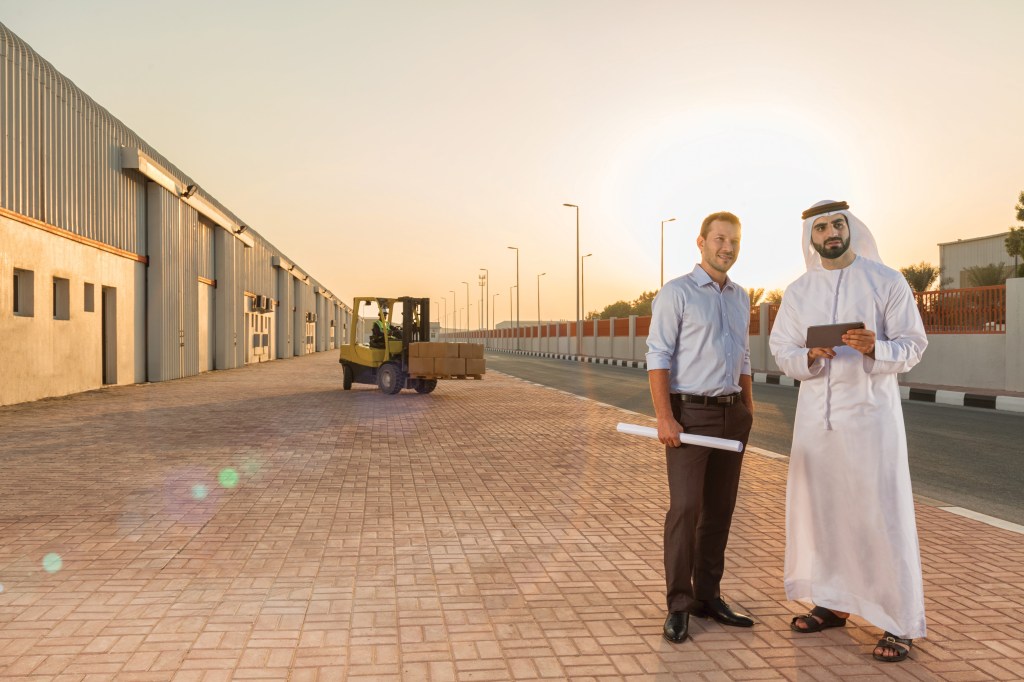
But in what is perhaps the thread that ties all of these advantages together is scalability — the promise of which is built into the RAKEZ ecosystem. Investors can begin operations within ready warehouses and expand to industrial land without relocating outside the zone. Options across free zone and non-free zone frameworks allow operational flexibility depending on market strategy. Workforce visa solutions, including long-term residency and Golden Visa pathways, support talent retention, while staff accommodation facilities ensure operational continuity. Long-term lease flexibility further enables phased growth, transforming RAKEZ from a launch platform into a long-term industrial base.
Today, in a global climate where conditions continue to evolve, industrial investors are prioritising environments that offer clarity at entry, continuity in operations, and the flexibility to scale without disruption. Meanwhile, the UAE’s broader industrial vision, reflected in initiatives such as Make it in the Emirates, continues to reinforce the country’s commitment to building resilient, future-ready manufacturing capabilities. Moving into the rest of 2026, RAKEZ’s model aligns closely with both — providing a structured, reliable ecosystem where businesses can establish, operate, and expand with confidence over the long term.
In April 2026, the World Trade Organisation’s (WTO) latest World Trade Prospects and Statistics report announced that, in a historic first, the UAE had entered the ranks of the world’s top 10 exporting nations. This milestone comes at a particularly pivotal moment for global trade routes and supply chains, as the effects of geopolitical shifts and crises continue to be navigated. While this reality is encouraging industrial investors, more than ever, to place greater value on stability, continuity, and operational certainty, it has also offered UAE-based manufacturing hubs a unique opportunity: to move beyond location-led appeal and establish ecosystems that are resilient, reliable, and built to scale over the long term.
Ras Al Khaimah is increasingly emerging as a destination that meets these evolving expectations, offering a balance of reliability, cost efficiency, and long-term scalability. At the centre of the northern emirate’s growth has been the Ras Al Khaimah Economic Zone (RAKEZ) and its range of business licenses, legal structures, and facility options.
In his experience, RAKEZ Group CEO Ramy Jallad notes that there are a select few factors that industrial investors now place above brand-name cities: namely, the cost of land and facilities, the speed of licensing and set-up, the strength of logistics connectivity and ease, and the transparency of regulatory frameworks. Workforce availability and long-term scalability have also become decisive factors, as manufacturers plan multi-phase growth strategies rather than short-term footprints. He adds, “In today’s environment, predictability is no longer just an advantage, but a necessity, and it is increasingly shaping how and where industrial investments are made.”

Aalia Mehreen Ahmed • Senior Features Editor, Entrepreneur Middle East
Entrepreneur Staff
Senior Features Editor at Entrepreneur Middle East and host of Anchored Echoes, with nearly seven... Read more