“We Got Funded!” KSA-Headquartered erad’s US$16 Million Pre-Series A Round Backed by YCombinator and VentureSouq
erad is a financing platform that helps SMEs access Shariah-compliant working capital solutions.
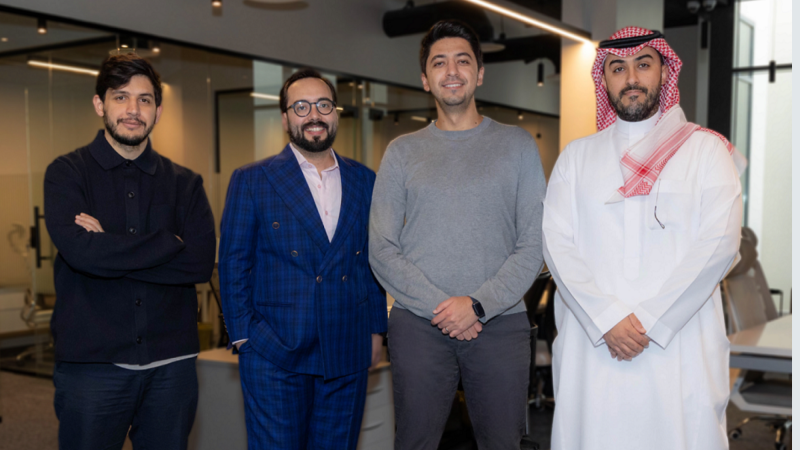
Image source: erad
You're reading Entrepreneur Middle East, an international franchise of Entrepreneur Media.
erad, a Saudi Arabia-based alternative financing platform for small and medium enterprises (SMEs), has raised US$16 million in a pre-Series A round. The round was backed by a plethora of well-known global and regional venture capital (VC) funds and investment firms, including US-headquartered YCombinator, UAE-based VentureSouq, Nuwa Capital and Oraseya Capital, Saudi-based Khwarizmi Ventures and Aljazira Capital, and Joa Capital.
Launched in 2022 by Salem Abu-Hammour, Faris Yaghmour, Abdulmalik Almeheini, and Youssef Said, erad is a financing platform that helps SMEs access Shariah-compliant working capital solutions. By offering data and technology-driven, quick and flexible financing solutions to businesses in Saudi Arabia and the UAE, erad has already supported businesses in both nations with over SAR100 million ($26.6 million) in funding. “erad stands out in the SME financing space by offering Shariah-compliant, data-driven financing solutions tailored specifically to revenue-generating SMEs,” co-founder Abu-Hammour tells Entrepreneur Middle East. “Unlike traditional lenders, our approval process is fast -typically within 48 hours- and doesn’t require collateral or extensive paperwork. We rely on real-time business data from payment processors, e-commerce platforms, and bank accounts to assess eligibility, enabling us to serve businesses often overlooked by conventional institutions.”
erad’s operations hold added significance in the race towards financial inclusion for SMEs- a group that has repeatedly received little to no help from banks and other traditional financial institutions. Indeed, multiple reports have shown that SMEs receive only 7% of total bank lending in MENA -the lowest globally- with the figure dropping to 2% in the GCC countries specifically. What this lack of access to funding has inevitably led to is a financing gap among MENA-based SMES, that, as per a September 2023 report by Mastercard, is somewhere between $210 billion to $240 billion, with 63% lacking access to formal credit.
The need for better SME financing is perhaps best reflected in erad’s current demand: the platform has garnered a whopping SAR2+ billion ($532 million) in funding requests since its launch. “SMEs in the region still face regulatory and structural hurdles, such as high collateral demands, lack of credit history, and slow approval cycles,” Abu-Hammour laments. “By leveraging alternative data and operating within the regulatory frameworks of Saudi Arabia and the UAE, erad is able to provide access to financing even for first-time borrowers, effectively helping them overcome these longstanding challenges.”
Catering to customers across retail, F&B, e-commerce, and healthcare, among others, erad has also supported recognised regional businesses such as UAE-based sustainable children’s lifestyle brand Citron, Saudi-based medical, cosmetic, and smart home devices brand Wixsana, and UAE-grown plant-based fruit pops brand House of Pops. With this fresh influx of capital, erad plans to deepen its market presence and expand its product offerings.
As the company continues to remain committed to enhancing financial accessibility for SMEs and contributing to Saudi Vision 2030’s objective of increasing SME participation in the national economy, the erad team assures small and medium business owners that stepping away from traditional routes could open up previously unopenable doors to success. “To SME owners who may be hesitant about alternative financing, we would emphasize that timely and flexible capital can be a turning point for business growth,” Abu-Hammour adds. “Many of our customers have experienced significant increases in revenue after securing financing through erad. Our repayment model is designed to ease the pressure on founders, with payments aligned to the business’s actual cash flow. We also prioritize data protection and responsible lending practices, ensuring that our partners can trust us not only with their funding needs but also with their business data. For SMEs that are ready to grow but constrained by limited access to traditional capital, our alternative financing offers a competitive edge.”
Related: Saudi Arabia’s AI Moment Driving a Regional Tech Revolutionerad, a Saudi Arabia-based alternative financing platform for small and medium enterprises (SMEs), has raised US$16 million in a pre-Series A round. The round was backed by a plethora of well-known global and regional venture capital (VC) funds and investment firms, including US-headquartered YCombinator, UAE-based VentureSouq, Nuwa Capital and Oraseya Capital, Saudi-based Khwarizmi Ventures and Aljazira Capital, and Joa Capital.
Launched in 2022 by Salem Abu-Hammour, Faris Yaghmour, Abdulmalik Almeheini, and Youssef Said, erad is a financing platform that helps SMEs access Shariah-compliant working capital solutions. By offering data and technology-driven, quick and flexible financing solutions to businesses in Saudi Arabia and the UAE, erad has already supported businesses in both nations with over SAR100 million ($26.6 million) in funding. “erad stands out in the SME financing space by offering Shariah-compliant, data-driven financing solutions tailored specifically to revenue-generating SMEs,” co-founder Abu-Hammour tells Entrepreneur Middle East. “Unlike traditional lenders, our approval process is fast -typically within 48 hours- and doesn’t require collateral or extensive paperwork. We rely on real-time business data from payment processors, e-commerce platforms, and bank accounts to assess eligibility, enabling us to serve businesses often overlooked by conventional institutions.”
erad’s operations hold added significance in the race towards financial inclusion for SMEs- a group that has repeatedly received little to no help from banks and other traditional financial institutions. Indeed, multiple reports have shown that SMEs receive only 7% of total bank lending in MENA -the lowest globally- with the figure dropping to 2% in the GCC countries specifically. What this lack of access to funding has inevitably led to is a financing gap among MENA-based SMES, that, as per a September 2023 report by Mastercard, is somewhere between $210 billion to $240 billion, with 63% lacking access to formal credit.

Aalia Mehreen Ahmed • Senior Features Editor, Entrepreneur Middle East
Entrepreneur Staff
Senior Features Editor at Entrepreneur Middle East and host of Anchored Echoes, with nearly seven... Read more