Developing Crowdfunding Ecosystems In The Middle East

Shutterstock
Opinions expressed by Entrepreneur contributors are their own.
You're reading Entrepreneur Middle East, an international franchise of Entrepreneur Media.
For most founders and CEOs, raising money for their startups is never fun. “Fundraising is hard,” notes Paul Graham, cofounder of Y Combinator. “Hard like lifting a heavy weight, and hard like solving a puzzle. It’s hard like lifting a weight because it’s intrinsically hard to convince people to part with large sums of money. [And] fundraising only seems a puzzle because it’s an alien world to most founders.”
In the Middle East, the fundraising challenge is even greater. Startups have very few sources of financing with most being dependent on personal resources, family and friends. They face immense difficulties in obtaining bank financing in addition to bearing the burden of debt repayment in the initial stages of development. This is evident from the fact that bank lending to SMEs in the Middle East and North Africa (MENA) region is, on an average, only 8% of the total bank lending. The limited sources of financing gives rise to an estimated funding gap of about US$360 billion in the region.
When Dubai-based self storage company, The Box, needed funds to expand further, it found that obtaining a bank loan was not only time consuming and cumbersome, involving a lot of paperwork, but for small firms, it also meant unreasonably high rates and a high chance of being rejected. To overcome these difficulties, it chose to use a crowdfunding site, Beehive, where it raised AED400,000 within an hour of going online. Crowdfunding is an internet-enabled collaborative activity that allows organizations to raise funds by collecting a small amount of money from multiple individuals, and it is changing the way startups raise money by helping fill this “funding gap.” SMEs like The Box are no longer dependent on banks only, and have alternative means of fulfilling their capital needs.
Related: The Luxury Closet Is Dressed To Impress With US$1 Million Raise From Wamda Capital
Benefits of crowdfunding
Crowdfunding has led to a fundamental shift in how entrepreneurs raise funding and develop their businesses. Some of the key benefits of crowdfunding include:
- Makes the funding process faster and more efficient since the entire process is online, with global reach.
- Increased transparency due to “crowd vetting” which ensures genuineness of a project and company.
- Improves the visibility for companies by providing investors with a centralized database of projects.
- Allows entrepreneurs to determine the possible demand and viability of their products without having to invest huge amounts in manufacturing and distribution by gauging the crowd’s response to their funding appeal.
Types of crowdfunding
Crowdfunding platforms in the Middle East are relatively young, but already there is a diverse range:
- Donation-based crowdfunding Such campaigns or projects collect finances usually for social causes and do not provide anything in return to the funders. Example: Zoomaal, Lebanon.
- Rewards-based crowdfunding Such projects lay out varying levels of rewards depending on the amount of funds contributed. Example: Afkarmena, Jordan.
- Equity crowdfunding These projects provide the funders with equity shares in return for their contribution. Example: Eureeca, UAE.
- Debt-based crowdfunding Contributions towards a project are treated as loans. Example: Beehive, UAE.
Related: Surging Ahead: Fintech Startups In The Middle East
Global trends in the adoption of crowdfunding
Crowdfunding has seen phenomenal growth globally with the total funds raised increasing from $2.4 billion in 2012 to $34.4 billion in 2015, amounting to a CAGR of 88.93%.
The most popular crowdfunding markets are the United States and Europe, with 69% of the total funding volume being raised in these two regions. United States’ crowdfunding platforms raised $17.25 billion in 2015, while European platforms raised $6.48 billion. The United Kingdom has the most well developed crowdfunding ecosystem with clear regulations on transparency and consumer protection, including setting minimum capital standards and requiring firms to have resolution plans in place, ensuring that loans continued to be repaid even if the platform collapses. While crowdfunding is slowly gaining popularity in the MENA region, it is still in the early stages, with only $23.1 million being raised via crowdfunding in 2015.
Building crowdfunding ecosystems in the Middle East
Burgeoning youth unemployment is one of the biggest challenges facing the Middle East. The good news is that the region has a rich tradition of entrepreneurship, and nowhere is that more apparent than in the fast growing startup scene. But creating vibrant crowdfunding ecosystems requires more than entrepreneurs and investors, with a number of important factors involved:
- Regulation and transparency Develop a clear regulatory framework that supports transparency and allows market development and innovation.
- Education Increase awareness about crowdfunding by organising regular educational programs.
- Networks Crowdfunding platforms must collaborate with universities, industry, incubators and accelerators, building a network that supports firms from concept stage to becoming commercially viable.
- Technology Effective crowdfunding environments enable entrepreneurs to easily share their ideas through social media and the internet.
- Friends and family For most startups, friends and family provide the initial support.
The success of crowdfunding platforms depends on their ability to tap into this network. While the contribution of crowdfunding in the Middle East remains relatively small, the potential is enormous. With increasing government engagement and investor appetite, the region’s crowdfunding platforms are primed for takeoff.
Check out IslamicBanker.com’s February 2015 report on Creating Vibrant Entrepreneurial Ecosystems in OIC Markets by clicking here.
Related: We Got Funded: Jordan Based Liwwa On Their Latest Successful Raise
For most founders and CEOs, raising money for their startups is never fun. “Fundraising is hard,” notes Paul Graham, cofounder of Y Combinator. “Hard like lifting a heavy weight, and hard like solving a puzzle. It’s hard like lifting a weight because it’s intrinsically hard to convince people to part with large sums of money. [And] fundraising only seems a puzzle because it’s an alien world to most founders.”
In the Middle East, the fundraising challenge is even greater. Startups have very few sources of financing with most being dependent on personal resources, family and friends. They face immense difficulties in obtaining bank financing in addition to bearing the burden of debt repayment in the initial stages of development. This is evident from the fact that bank lending to SMEs in the Middle East and North Africa (MENA) region is, on an average, only 8% of the total bank lending. The limited sources of financing gives rise to an estimated funding gap of about US$360 billion in the region.
When Dubai-based self storage company, The Box, needed funds to expand further, it found that obtaining a bank loan was not only time consuming and cumbersome, involving a lot of paperwork, but for small firms, it also meant unreasonably high rates and a high chance of being rejected. To overcome these difficulties, it chose to use a crowdfunding site, Beehive, where it raised AED400,000 within an hour of going online. Crowdfunding is an internet-enabled collaborative activity that allows organizations to raise funds by collecting a small amount of money from multiple individuals, and it is changing the way startups raise money by helping fill this “funding gap.” SMEs like The Box are no longer dependent on banks only, and have alternative means of fulfilling their capital needs.

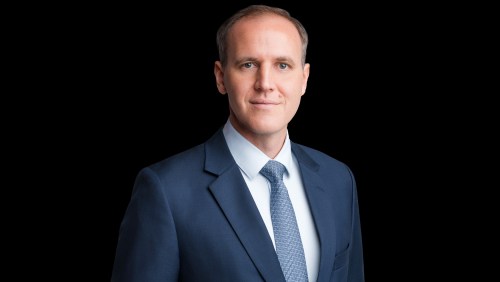
Shakeeb Saqlain • CEO, IslamicMarkets.com
Shakeeb Saqlain is the CEO of IslamicMarkets.com, a platform for the global Islamic economy. Shakeeb... Read more