The End of the Transaction: Lukas Kerrebijn, Co-Founder of RD Dubai, on What Investors Now Demand From Dubai Operators
Capital underwrites operators the way it underwrites assets, on fundamentals rather than on marketing, as it becomes more institutional.
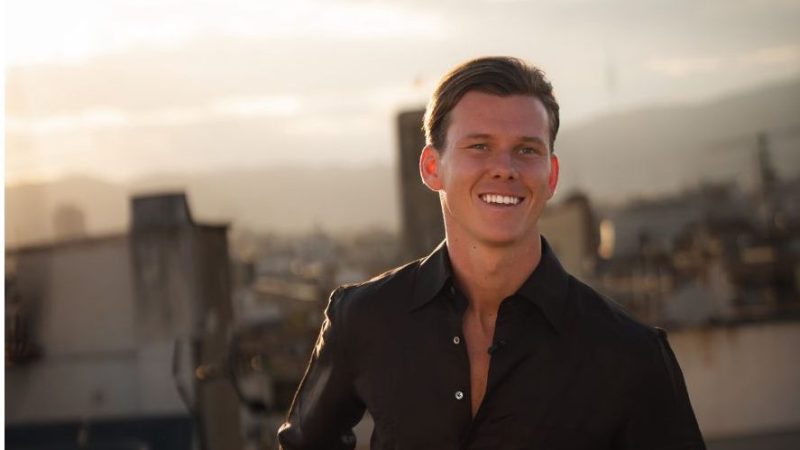
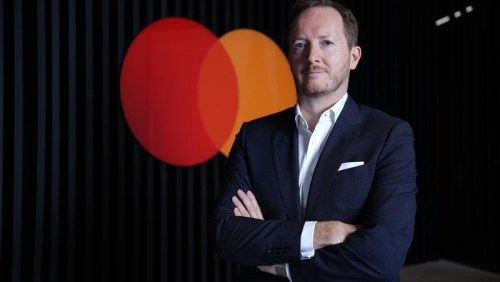
Lukas Kerrebijn, Co-Founder of RD Dubai
You're reading Entrepreneur Middle East, an international franchise of Entrepreneur Media.
As institutional money increases its presence in Dubai, the standard that is expected of advisory firms is rising with it. Family offices and structured funds now sit alongside the private buyers who once dominated demand. Simply put, they bring a different set of expectations: alignment, accountability, and a relationship that survives the closing of a deal. The era in which a signature marked the end of the engagement is closing.
Lukas Kerrebijn, Co-Founder of RD Dubai, has watched the divide widen.
“A lot of firms just want people to buy, for the sake of the commission,” he says. “There are a thousand projects we could sell tomorrow.”
RD appears to have chosen the harder posture, to the point of accepting idle periods.
“We have gone two months without a project we considered good enough,” Kerrebijn says. “We would rather wait for the right ones.”
The selectivity is deliberate. Securing quality assets at the right prices and payment plans, in addition to persuading developers to accept the firm’s terms, takes time that a volume-driven broker has no incentive to spend. Kerrebijn, however, treats that patience as the differentiator.
The second difference becomes relevant post-purchase.
“Many firms only care about the signature on the purchase agreement,” he says. “After that, they stop caring. For us the relationship runs from the moment you buy, through handover, and well beyond, into finding tenants and managing the asset.”
That orientation has changed what RD Dubai is. Kerrebijn co-founded the firm as an off-plan advisor, guiding clients toward projects. Today, RD Dubai is a principal as much as an advisor.
“Now we are a strategic partner,” Kerrebijn says. “We take stakes in projects and resell part of them. That shows our commitment, and it helps us secure better pricing.”
Kerrebijn intends to bring the firm’s closest partners into a fund and into the redevelopment projects RD runs. This is intended for return generation rather than for ownership held in an investor’s own name.
“Those projects are for people who want returns, not a property in their name,” he says. “We buy, redevelop and sell. For purely financial investors, they are very interesting.”
Capital underwrites operators the way it underwrites assets, on fundamentals rather than on marketing, as it becomes more institutional. If brand and momentum carried the previous cycle, Kerrebijn believes alignment and execution will carry the next.
That means the transaction is no longer the product. The relationship is.
As institutional money increases its presence in Dubai, the standard that is expected of advisory firms is rising with it. Family offices and structured funds now sit alongside the private buyers who once dominated demand. Simply put, they bring a different set of expectations: alignment, accountability, and a relationship that survives the closing of a deal. The era in which a signature marked the end of the engagement is closing.
Lukas Kerrebijn, Co-Founder of RD Dubai, has watched the divide widen.
“A lot of firms just want people to buy, for the sake of the commission,” he says. “There are a thousand projects we could sell tomorrow.”

Entrepreneur Middle East Staff
Entrepreneur Staff