MENA’s Design Industry Faces A Nine-Fold Increase In Demand For Design Graduates
Opinions expressed by Entrepreneur contributors are their own.
You're reading Entrepreneur Middle East, an international franchise of Entrepreneur Media.
Going by the results of a study undertaken by Dubai Design and Fashion Council (DDFC) and Dubai Design District (d3), the MENA region’s design industry is poised for a booming growth- if equipped with the necessary human and material resources. The MENA Design Education Outlook study estimates that “at least 30,000 design graduates” are needed in MENA (a nine-fold increase) by 2019, in order to support the growth projected for the sector. The study reveals that the region’s design industry is expected to grow at 6% over the next five years, and creative industries, emerging as a promising sector, account for almost 1.5% of the region’s GDP.
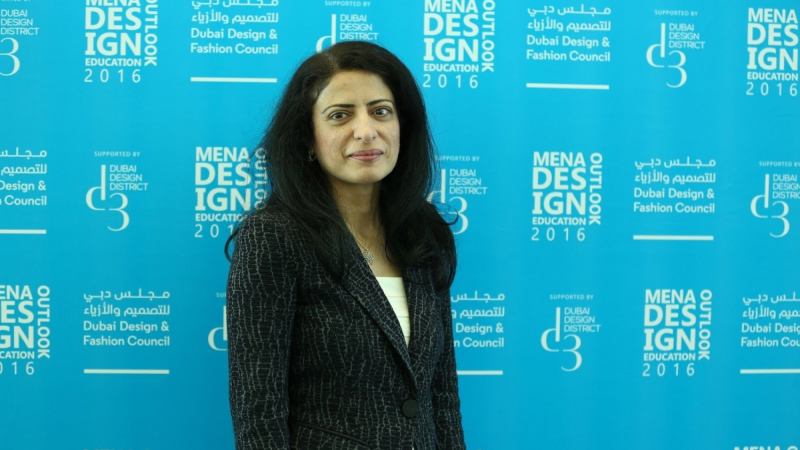
Commenting on the study, Dr. Amina Al Rustamani, Chairperson of DDFC, says that the purpose of the study was to help educators and policymakers identify key industry trends, which can guide in developing curriculums and policies to “nurture the talent pool in the region.” DDFC also says that it will host workshops with design students and professionals and build conversation around initiatives that can better support the region’s design industry with relevant talent. Considering the scope for innovation in design, the report notes that the sector can be a key catalyst to Dubai’s Smart city ambitions.
In terms of specific roles, the study notes architecture, fashion and interior design to be professions that will emerge as sought after and will require professionals. While the lack of dedicated design education facilities and courses are identified to be key barriers to growth, structured workforce planning and collaborations among the region’s universities have been cited as solutions that could help manage demand. To address this, the report calls on policymakers to restructure design education in a manner more aligned with industry needs. The study also touches upon the need to learn from and adopt global best practices of international design education hubs such as the USA, U.K., Singapore and The Netherlands.
Related: HH Sheikha Latifa Bint Mohammed Al Maktoum: Dubai Culture Wants Creative Entrepreneurs To Go Global
Going by the results of a study undertaken by Dubai Design and Fashion Council (DDFC) and Dubai Design District (d3), the MENA region’s design industry is poised for a booming growth- if equipped with the necessary human and material resources. The MENA Design Education Outlook study estimates that “at least 30,000 design graduates” are needed in MENA (a nine-fold increase) by 2019, in order to support the growth projected for the sector. The study reveals that the region’s design industry is expected to grow at 6% over the next five years, and creative industries, emerging as a promising sector, account for almost 1.5% of the region’s GDP.
Commenting on the study, Dr. Amina Al Rustamani, Chairperson of DDFC, says that the purpose of the study was to help educators and policymakers identify key industry trends, which can guide in developing curriculums and policies to “nurture the talent pool in the region.” DDFC also says that it will host workshops with design students and professionals and build conversation around initiatives that can better support the region’s design industry with relevant talent. Considering the scope for innovation in design, the report notes that the sector can be a key catalyst to Dubai’s Smart city ambitions.
In terms of specific roles, the study notes architecture, fashion and interior design to be professions that will emerge as sought after and will require professionals. While the lack of dedicated design education facilities and courses are identified to be key barriers to growth, structured workforce planning and collaborations among the region’s universities have been cited as solutions that could help manage demand. To address this, the report calls on policymakers to restructure design education in a manner more aligned with industry needs. The study also touches upon the need to learn from and adopt global best practices of international design education hubs such as the USA, U.K., Singapore and The Netherlands.