Rebuilding A More Sustainable Fashion Industry After COVID-19
While COVID-19 has caused all industries to suffer losses, the beauty and art of the fashion industry have the potential to push through.
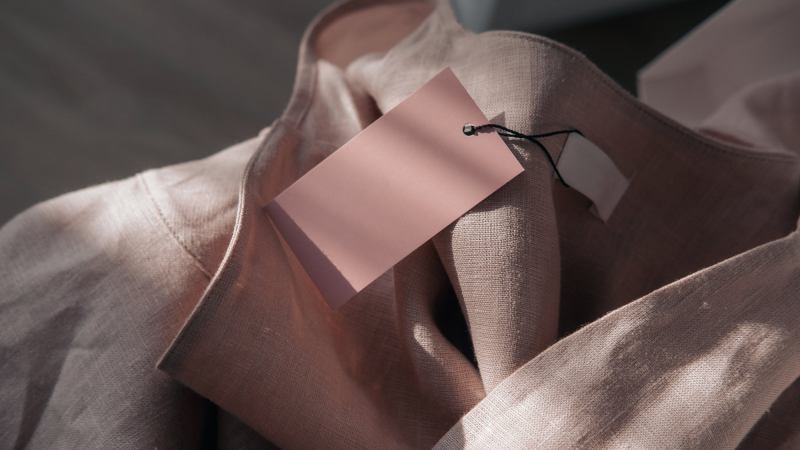
Shutterstock
Opinions expressed by Entrepreneur contributors are their own.
You're reading Entrepreneur Middle East, an international franchise of Entrepreneur Media.
The COVID-19 crisis has uprooted life for almost every individual over the course of 2020, and there are very few businesses that haven’t been affected. The magnitude for many industries has resulted in devastated losses, and this is felt keenly in the fashion industry for small businesses.
With forced closures of factories, stores, and locations disrupting plans and supply, as well as consumers’ disposable incomes decreasing or disappearing, it has meant less spending, and small businesses in particular are in a position to be hit the hardest.
But there is hope, even as we may enter another wave, there are steps that we can all take to help rebuild a stronger, more resilient, and sustainable fashion industry, as well as survive through one of the most unprecedented times in modern history.
1. Start by refocusing and listening to your consumers Outside of the fiscal challenges, there’s never been a trickier time to market online, because of the fear, anxiety, and uncertainty of this current time. But, it’s not time to retreat! Everyone is on social media right now, so the important part for fashion brands is to not shy away from interacting. Instead, it’s time to reframe and refocus. Social media has become a more useful and powerful tool than ever before. Not only are individuals using it for escapism, but it’s also a great way to reach out to consumers and stay in touch.
2. Adjust your messaging The typical concept of an image with a bright cheery caption and a carefully taken picture of a product isn’t enough. In fact, in times when everyone is struggling, it could easily come off as tone-deaf or facetious. Now is the time to be focusing on building a connection. Instead of posting a picture of a piece of apparel or jewelry, consider showing one of your designers or employees working from home, spending time with their pets, and other genuinely down-to-earth messages. It can also help to demonstrate a piece alongside the artist. Show that these items are pieces of art and the people behind their creation, which can further inspire a connection with the brand and build loyalty.
3. Look at timeless ranges I’ve always said that you should have timeless pieces in a range. The ones you can wear with anything, jewelry that you’ll wear again and again, and this increases in value in a time of such uncertainty. No one can say when we will go back to normal, so adding or investing in timeless pieces will help consumers make the decision to purchase now because it’s something they can wear in any season, or at any time.
4. Improve your offering Now’s the time to be asking your customers and audience what they want to see, and at The House of Biori, we pay attention to the responses we receive and look at how we can integrate these into meeting our customer’s desires. You might find that this is the inspiration to add pieces that will sell even during the time of crisis because it’s a must-have. If anything can make you feel good in the face of adversity, fashion can.
5. Think about bespoke and custom options long-term The best part for small businesses is how nimble they can be to pivot their offering. I’m seeing opportunities right now for specialty and custom gifts that shift the focus from the generic day-to-day towards customization. This could be upcycling with your own resources to create a sense of newness, or communicating directly with consumers to offer bespoke services.
6. Take the time to give back There’s nothing that people are readier to support in hard times than a company that supports its community. While it can pose a challenge to small businesses with limited resources, supporting the local community brings back a social currency to a business that’s invaluable. For example, take the time to align yourself with a charity that directly helps in your local community, and set up a long-term partnership with them. Ultimately, compassion for your consumers, their struggles, and trying to actively help them will be rewarding in many ways.
7. How consumers can help There has never been such a time where businesses need to lean on the support of others, and that doesn’t always have to mean with spending. If you can purchase, that’s fantastic, but if not, consumers who want their local brands to succeed should be doing all they can in other ways. For example, share the artists’ or designers’ work, show love and share what you love by leaving reviews or recommending your local fashion brands by word of mouth. Show off pieces you’ve previously bought and engage with the brand online which helps build their authority with other potential customers.
All in all, we all have our role to play in rebuilding a sustainable fashion industry and tackling what lies ahead. But ultimately, the fashion industry needs to continue to keep moving, keep working, and to keep pushing forward. While COVID-19 has caused all industries to suffer losses, the beauty and art of the fashion industry have the potential to push through.
Related: Fashion Tech: How Saudi Arabia Could Take The Lead In This Untapped Sector
The COVID-19 crisis has uprooted life for almost every individual over the course of 2020, and there are very few businesses that haven’t been affected. The magnitude for many industries has resulted in devastated losses, and this is felt keenly in the fashion industry for small businesses.
With forced closures of factories, stores, and locations disrupting plans and supply, as well as consumers’ disposable incomes decreasing or disappearing, it has meant less spending, and small businesses in particular are in a position to be hit the hardest.
But there is hope, even as we may enter another wave, there are steps that we can all take to help rebuild a stronger, more resilient, and sustainable fashion industry, as well as survive through one of the most unprecedented times in modern history.

Priyanka Sarkar • Chief Executive and Designer, House of Biori
Priyanka is a designer by heart (and training), retailer by mind and omnipreneur by choice!An... Read more