The Silent Power of Luxury: Why the Most Premium Brands Build Desire by Saying Less
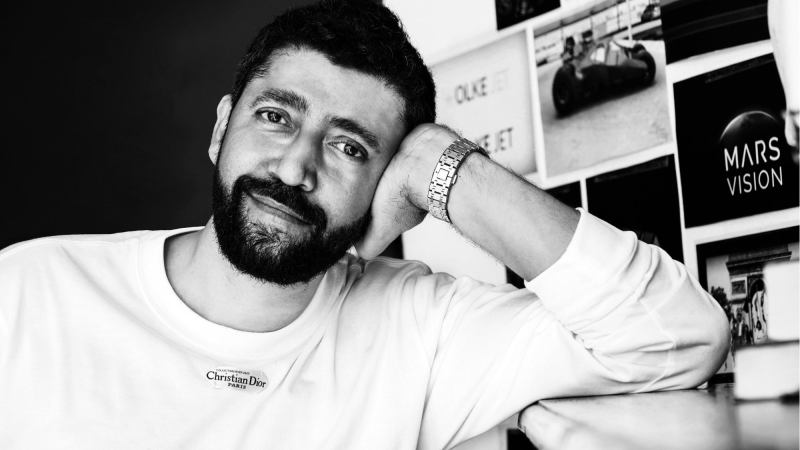
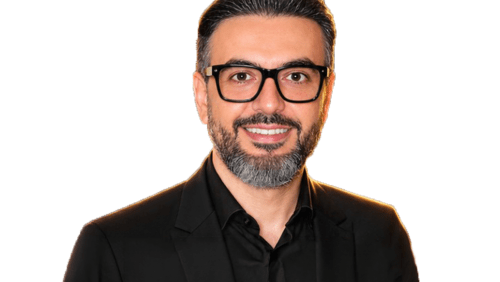
Wael Mckee
Opinions expressed by Entrepreneur contributors are their own.
You're reading Entrepreneur Middle East, an international franchise of Entrepreneur Media.
Luxury has never been about being seen everywhere. It has always been about being remembered.
I have spent years inside rooms where brands debate what to show the world, what to post, what to announce, what to push next. The conversation is almost always framed as addition: more content, more campaigns, more touchpoints, more visibility. Yet the most important part of luxury branding is subtraction. It’s the discipline of deciding what not to show, what not to say, and what not to make available, because that restraint is not absence, it’s identity.
In my work, I often explain branding as architecture. You don’t judge a building by how many windows it has; you judge it by proportion, rhythm, and the choices that create emotion. In luxury, those choices are even more consequential because the brand is not only selling an object. It’s selling a feeling: belonging, taste, confidence, legacy. And feelings don’t respond well to noise.
There’s a moment I see again and again: a brand reaches a certain level of success, then panics that it isn’t growing fast enough. A new executive arrives, or a new agency promises bigger numbers, and suddenly the brand starts behaving like an entirely different category, one built for frequency, not reverence. It begins to over-communicate, filling inboxes and flooding timelines with campaign after campaign simply because it can. And without realizing it, the brand trades away the one asset luxury can never replace, and that is mystique.
I’m not against communication. I’m against desperation disguised as marketing. Luxury brands need discipline and clear boundaries, and one of the most important is simple: don’t over-communicate. When brands ignore that rule, they don’t just risk annoying customers. They collapse the distance between wanting and owning, the emotional gravity that makes luxury feel special in the first place.
This is not just a philosophical argument. Consumers are telling us, clearly and repeatedly, that they are overwhelmed. A recent report found that 69% of people feel overloaded by brand emails and 61% experience the same fatigue on social media. It’s a market signal, telling us that the digital world is saturated, and that attention is no longer earned through volume, but through restraint.
So what does a luxury brand do in a world that’s addicted to noise? It builds authority without spectacle.
Look at the brands that endure. Hermès doesn’t chase you or beg to be noticed. Instead, it withholds, delays, and allows desire to grow in the space between wanting and owning. That space is not accidental; it’s a strategy. The product may be exceptional, but the experience of access becomes part of the product itself, turning restraint into a message of quiet confidence rather than persuasion.
Or consider Patek Philippe. Their storytelling rarely feels like selling; instead, it communicates continuity, time, legacy, and permanence. The watch is present, but the feeling becomes the hero, which is exactly what I mean when I say marketing speaks in features while luxury branding whispers in identity. Marketing tells you what something does, while branding makes you feel why it matters.
When brands lose that distinction, they begin acting like performance marketers with a luxury price tag, promoting benefits too loudly, publishing endlessly, and announcing obsessively. In the process, they confuse visibility with value and abundance with importance, even though abundance is the fastest route to dilution.
I have seen this play out in the most ordinary place, and that’s what makes it so revealing: the newsletter. When a brand emails every few days, attention doesn’t deepen; it erodes. Eventually, you stop reading because it has trained you to expect that nothing is rare, nothing is considered, and nothing is worth pausing for. Luxury can’t afford that kind of conditioning. A premium brand should feel like a deliberate interruption, not background noise.
This is also why limited editions work when they are done authentically. They aren’t gimmicks; they are boundaries, intentional limits not only on supply, but on exposure. That boundary signals exclusivity and scarcity, reminding customers that access is selective and availability is never guaranteed. In doing so, it creates oxygen around the brand, gives the story room to travel, and allows conversation to grow naturally.
And here’s the part that many founders and executives struggle with: restraint is emotionally difficult because it looks like inaction. Branding is a long-term strategy. Marketing can report ROI quickly, quarter by quarter. That difference creates a temptation to over-campaign, especially for newer luxury brands trying to arrive overnight. But luxury is not a sprint you can buy your way through. Even with the biggest budgets, you don’t become Tiffany & Co. by the end of the year. You become iconic by building trust over time, through discipline, consistency, and cultural intelligence.
Trust is the currency behind all of this. In a world where consumers are increasingly cautious about how brands use their data, permission matters. PwC reported that 83% of consumers say protection of their personal data is crucial to earning their trust. That’s not only about cybersecurity policies. It’s also about behavior, about not abusing access, not crossing lines, and not turning every customer relationship into an endless stream of messages.
I can already anticipate the objection that relevance requires constant visibility. It doesn’t. Relevance is not the same as volume. A luxury brand earns presence by choosing the right places, the right pace, and, just as importantly, the right silence.
This is where I return to the idea of brand architects. The best luxury strategists are not the people who can produce the most content. They are the people who can protect identity. They know when to say “no” to a campaign that’s too frequent, a partnership that’s too accessible, a product that’s too ordinary, a message that’s too eager. They understand that premium is not only what you create; it’s what you refuse.
And when brands refuse well, something powerful happens: customers don’t feel marketed to. They feel invited. They don’t feel chased. They feel chosen. That emotional shift is the difference between a purchase and a story someone repeats.
The luxury industry is thriving in many segments, and the stakes are high. When an industry carries that scale, the temptation to maximize short-term demand is constant. But the brands that win long-term will be the ones that protect the intangible, the feeling, because that’s what competitors can’t copy.
In a world addicted to noise, restraint has become the new status symbol. The brands that endure won’t be the ones shouting the most. They will be the ones confident enough to say less, and deliberate enough to make every word, every image, and every moment of access mean something.
About the Author:
Wael Mckee is a branding strategist and transformation consultant who works with organizations and leadership teams to clarify identity and strengthen market positioning. With more than a decade of experience in luxury branding, he helps brands build long-term trust and coherence by aligning strategy, perception, and purpose, enabling companies to translate vision into lasting influence.
Luxury has never been about being seen everywhere. It has always been about being remembered.
I have spent years inside rooms where brands debate what to show the world, what to post, what to announce, what to push next. The conversation is almost always framed as addition: more content, more campaigns, more touchpoints, more visibility. Yet the most important part of luxury branding is subtraction. It’s the discipline of deciding what not to show, what not to say, and what not to make available, because that restraint is not absence, it’s identity.
In my work, I often explain branding as architecture. You don’t judge a building by how many windows it has; you judge it by proportion, rhythm, and the choices that create emotion. In luxury, those choices are even more consequential because the brand is not only selling an object. It’s selling a feeling: belonging, taste, confidence, legacy. And feelings don’t respond well to noise.

Wael Mckee is a branding strategist and transformation consultant who works with organizations and leadership... Read more