Fixing Greece’s Economy Might Prove To Be A Herculean Task
Opinions expressed by Entrepreneur contributors are their own.
You're reading Entrepreneur Middle East, an international franchise of Entrepreneur Media.
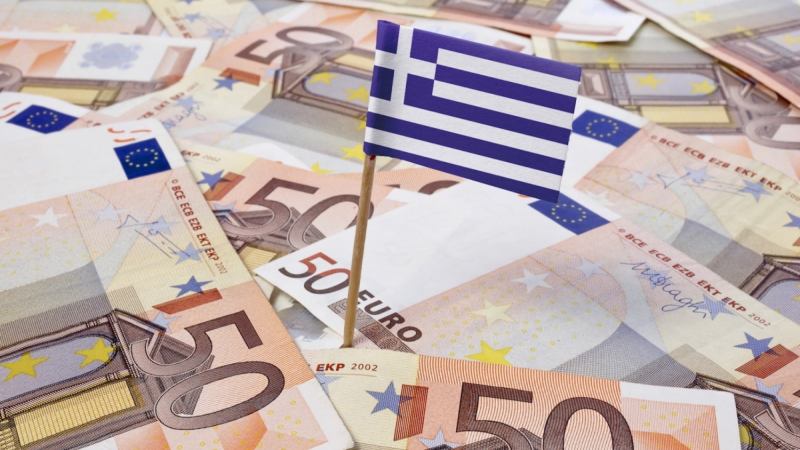
Syriza’s election victory in late January looked like a new turning point for Greece. The left-wing political party won support from many of the country’s citizens by focusing their campaign on austerity relief, which has been a source of concern for many Greeks worried about their nation’s handling of its debt crises. The new leading party, which formed an interesting coalition with the right-wing Independent Greeks, hoped to change EU measures, especially with the appointment of new Finance Minister Yanis Varoufakis. Those who were in doubt of the new approach saw this as a potential Greek exit from the Eurozone, many referring to it as a “Grexit.”
But did they ever sort out an agreement to change things for Greece? As many expected, it was a much tougher task than what one thought, perhaps Herculean. Syriza reassured the press that they had no intention on leaving the Eurozone, but wouldn’t settle for a deal that they found too much of a compromise on their part. German Chancellor Angela Merkel was unrelenting to say the least, not willing to provide any debt relief without additional austerity measures. French President François Hollande was in the picture too, but while he seemed to be slightly more sympathetic to Varoufakis and co., Merkel had the final word on the EU’s part. Greece caved in to some of Germany’s demands, notably agreeing to privatize its only licensed horse racing gambling company.
There was what many expected to be a turning point in the negotiations deadlock. On June 27, Prime Minister Alexis Tsipras announced in a speech to the public that a referendum would take place to decide whether the Greek government should agree to the bailout conditions by the IMF, European Central Bank (ECB), and the European Commission (EC). Should the majority of votes be a “yes”, the Syriza-led government was expected to step down.
The “No” vote received a little over 61% of the votes, and many speculated a potential Greek exit from the Eurozone; several banks even closed down. But what happened just after 24 hours shocked many. Finance Minister Yanis Varoufakis resigned, after “other European participants” told Prime Minister Tsipras that they preferred having Varoufakis out of the picture. Tsipras eventually agreed to a new bailout deal, causing rifts among his own supporters and even fellow MPs and ministers. That being said, views are mixed on the matter. Many economists, even those who lean towards similar politics as Syriza’s, see this a deal that can lead to sustainable relief. Others see this as a betrayal to the referendum, with many citing Germany’s lack of empathy, because they were once relieved of their debt in 1953.
We don’t know how things will go with this deal just yet; however, there have been some voices of concern coming from unexpected sources. The IMF immediately refused to endorse the deal, saying it was simply not viable and unsustainable, and that in order for a sustainable recovery, Greece needs much more debt-relief than offered by Europe, with even British Prime Minister David Cameron agreeing that more debt-relief is required.
Syriza’s election victory in late January looked like a new turning point for Greece. The left-wing political party won support from many of the country’s citizens by focusing their campaign on austerity relief, which has been a source of concern for many Greeks worried about their nation’s handling of its debt crises. The new leading party, which formed an interesting coalition with the right-wing Independent Greeks, hoped to change EU measures, especially with the appointment of new Finance Minister Yanis Varoufakis. Those who were in doubt of the new approach saw this as a potential Greek exit from the Eurozone, many referring to it as a “Grexit.”
But did they ever sort out an agreement to change things for Greece? As many expected, it was a much tougher task than what one thought, perhaps Herculean. Syriza reassured the press that they had no intention on leaving the Eurozone, but wouldn’t settle for a deal that they found too much of a compromise on their part. German Chancellor Angela Merkel was unrelenting to say the least, not willing to provide any debt relief without additional austerity measures. French President François Hollande was in the picture too, but while he seemed to be slightly more sympathetic to Varoufakis and co., Merkel had the final word on the EU’s part. Greece caved in to some of Germany’s demands, notably agreeing to privatize its only licensed horse racing gambling company.
There was what many expected to be a turning point in the negotiations deadlock. On June 27, Prime Minister Alexis Tsipras announced in a speech to the public that a referendum would take place to decide whether the Greek government should agree to the bailout conditions by the IMF, European Central Bank (ECB), and the European Commission (EC). Should the majority of votes be a “yes”, the Syriza-led government was expected to step down.