Laying Out ArabNet’s Innovation Report: A Look At Saudi Arabia’s Tech Startup Scene
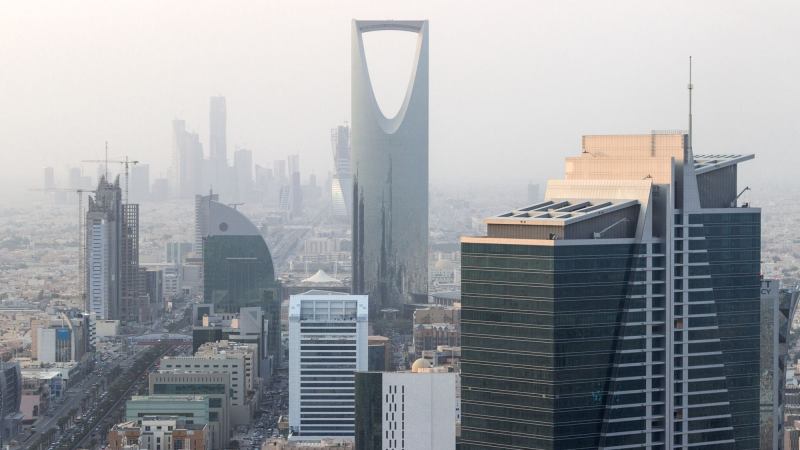
The Saudi Arabian tech startup scene is continuously on the rise compared to other ecosystems in the MENA region.
Shutterstock
You're reading Entrepreneur Middle East, an international franchise of Entrepreneur Media.
The Saudi Arabian tech startup scene is continuously on the rise compared to other ecosystems in the MENA region. A year ago, ArabNet dove into the Kingdom’s ecosystem and launched a detailed report, titled KSA Innovation Economy: Tech Startup 2017. Its aims were to highlight the gaps and strengths of the ecosystem in order to provide anyone interested in investing or launching incubators, accelerators, and mentorship programs with a clear database.
In order to do so, founders, partners, and employees with equity of technology and digital startups based in the Kingdom were surveyed and analyzed through various pillars, inspired by Babson Global Domains of the Entrepreneurship Ecosystem:
The funding process
Tech startups in the Kingdom appeared to be mainly dependent on non-equity funding. More than half of the surveyed startups (56%) relied on their personal savings while approximately 1 out of every 10 startups relied on competitions (11%) and bank loans (11%).
However, equity funding in the Saudi market ranked lower with angel networks being the most sought-after source (24%) followed by accelerators (11%) and venture capitals (9%).
A possible reason for the above may be because of the Kingdom’s unfamiliarity with equity sources making it a clear market to target for implementing more accelerators and venture capitals.
One person can’t do it
The Saudi ecosystem does not lack the essential services such as business skills mentorship (33%) and available workspaces (31%). However, the surveyed startups agreed that they had difficulties receiving mentorship support in terms of legal and accounting advice (36%), networking with potential clients (35%), and go-to-market strategies (29%).
Similar results were shown regarding the availability of talent and tech skills. The traditional business skills like marketing, media, and communication seemed to be prevalent among more than half the startups. However, the more technical the services are, the less available they became such as development and coding (11%), product design (7%), as well as data and analytics (2%).
Getting the word out
The findings in this section revealed that most Saudi startups struggled to acquire new business due to the lack of support received in pull marketing and financial considerations. For example, surveyed startups confirmed the need for influencer reviews (47%), referral communication or word-of-mouth (34%), as well as marketing and sales budgets (43%).
In a nutshell
After this in-depth research, it’s fair to say that the two biggest challenges the Saudi ecosystem faced were access to funding and locating local Saudi Arabian talent. But on a brighter note, half of the surveyed startups claimed that the technological infrastructure is very solid, and a quarter of them said that attracting new business is a strong suit.
This year, ArabNet will be diving deeper into the Kingdom’s ecosystem with the 7th edition of ArabNet Riyadh which falls under the theme of “Rise of the Innovation Kingdom” taking place on Dec 12-13. Thousands of digital business leaders, entrepreneurs and investors will gather in Riyadh where two events will be taking place simultaneously: ArabNet Riyadh for 1,000+ corporate executives and senior government leaders, and the Monsha’at Startup Saudi, powered by ArabNet, for 3,000+ entrepreneurs, youth and students. For more information, check out the website.
The Saudi Arabian tech startup scene is continuously on the rise compared to other ecosystems in the MENA region. A year ago, ArabNet dove into the Kingdom’s ecosystem and launched a detailed report, titled KSA Innovation Economy: Tech Startup 2017. Its aims were to highlight the gaps and strengths of the ecosystem in order to provide anyone interested in investing or launching incubators, accelerators, and mentorship programs with a clear database.
In order to do so, founders, partners, and employees with equity of technology and digital startups based in the Kingdom were surveyed and analyzed through various pillars, inspired by Babson Global Domains of the Entrepreneurship Ecosystem:
The funding process

Entrepreneur Middle East Staff
Entrepreneur Staff