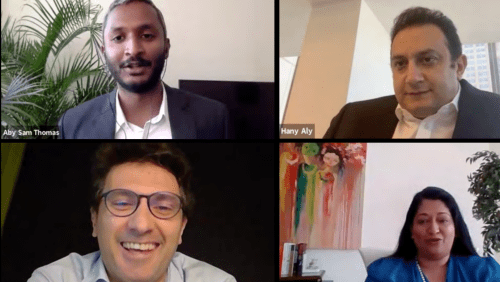
The latest edition of the Entrepreneur Middle East Round Table presented by du emphasized the importance of pivoting business models through the course of the COVID-19 crisis.
Catalyzed by the ongoing COVID-19 pandemic, something more radical than even the unprecedented consumer uptake of financial technologies is taking place in the GCC fintech space.
The funding round boasts an impressive global investor base, ranging with participants from the US, China, Japan, Australia, Malaysia, Canada and Jordan.
15 promising scaleups from India have been shortlisted from a pool of 200 founders who applied to take part in Dubai Startup Hub's first ever Dubai Tech Tour.
The virtual trade mission, scheduled for the second week of September, will familiarize delegates with Dubai's economy and business environment, as well as the competitive advantages that the Emirate offers startups and scaleups specializing in advanced technologies.
Investment in Middle Eastern fintech companies is expected to grow to around US$2 billion in venture capital by 2022, which will fund 465 fintech companies, an increase from $80 million that was raised by 30 fintech companies in 2017.
Improving financial inclusion for SMEs could boost annual economic growth by 1% per year, and also lead to a potential 16 million jobs by 2025 in the Middle East and Central Asia regions.
Promised to be as easy as sending a text message, the social P2P payment solution allows UAE bank account holders can use to send and receive money with just a phone number- no IBAN or SWIFT code required.
While some might view regulations as a hindrance to innovation and creativity, in many cases, it actually supports entrepreneurs and startups to be able to innovate, create, and market their products and solutions in a legally and regulatory supportive environment.
At the end of the day, much of this is out of our control, and out of the control of our portfolio companies. What we can do is start stress testing- turn this into a new variable.
Our challenges here relate largely to the barriers created by existing banking systems, which will take time to overcome, and regulatory challenges that regulators across the region are already working hard to rectify.
By giving people access to their earned income (both salary and commissions), and potentially giving them access to pensions or end of service funds whenever needed, we could create a knock-on effect that could transform the local and global economy.
Founded in 2017 by co-founders Talal Al Yaseen and Ali Taqi, YallaBit is a cryptocurrency broker that allows users to instantly buy and sell various cryptocurrencies.
The future of payments and digital innovation depends on the ability to collaborate with traditional and new players in the banking and payments sector to solve real consumer and merchant needs.
Today's tech-savvy millennials, who have information at their fingertips, have underlined the need for a new business model that the property sector cannot ignore.
Entrepreneurs in the UAE highlight banking services, and in particular the obstacles to opening a bank account, as their number 1 challenge according to entrepreneurship advocacy white paper released by Dubai Chamber and Roland Berger in 2018.
We have entered a period of unprecedented industry disruption as digital transformation sweeps across just about every sector, changing the rules on how businesses engage with their customers and on what services they deliver.
While total investment in fintech companies worldwide in H1 2018 hit US$57.9 billion across 875 deals, the $2 billion fintech market in the MENA region has only seen $150 million in investments in the last couple of years.