Startup Spotlight: How Medy Navani is Making Personal Safety Part of Everyday Life with INSTINKT
“Everything around us has evolved except the tools we rely on to protect ourselves in an emergency. That felt like a problem worth solving.”
You're reading Entrepreneur Middle East, an international franchise of Entrepreneur Media.
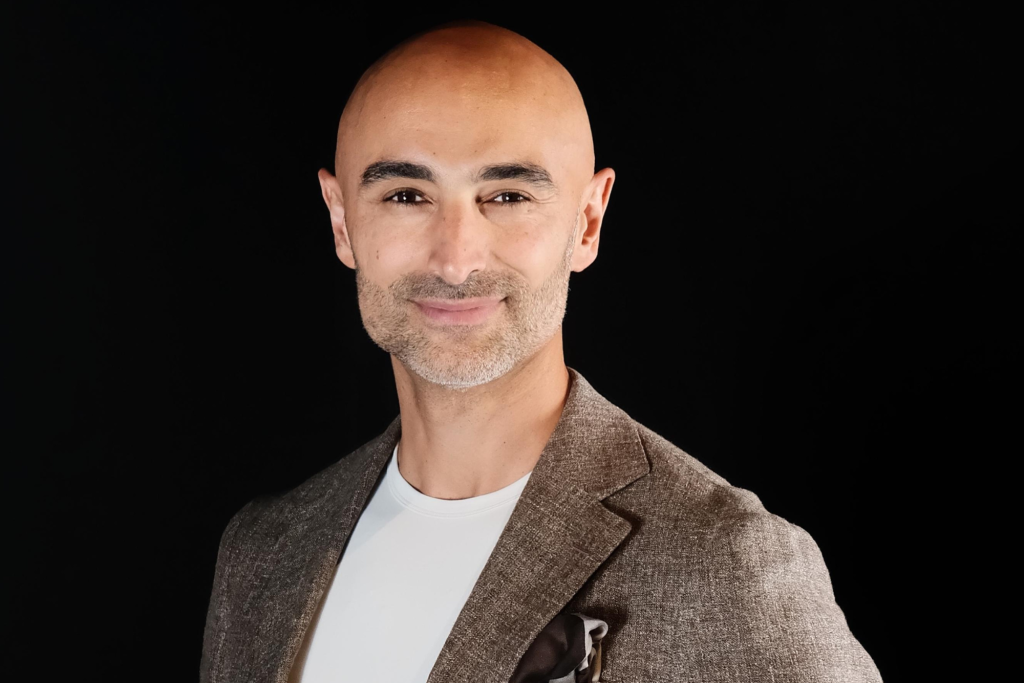
For more than two decades, Medy Navani has built a career designing spaces that shape how people live, work, and interact with their surroundings. As the Founder and CEO of Dubai-based architecture and interior design practice Design Haus Medy, established in 2006, Navani has long approached the built environment through the lens of functionality, aesthetics, and human experience.
Yet through years of working on projects across the region, he began to notice a recurring gap in how safety is addressed within physical spaces which led him to launch his first product innovation venture, INSTINKT.
Founded in the UAE, INSTINKT is a UAE-based personal safety brand that creates a new category of everyday safety tools designed to integrate into modern living and working environments. “The timing felt right because of a disconnect I kept noticing. The way we live has transformed dramatically, how we build, how we power our homes, how we move through cities,” Navani says. “Lithium-ion batteries are now everywhere, in EVs, e-scooters, energy storage systems, personal devices, and they carry fire hazards that simply didn’t exist a decade ago. Cities are denser, buildings are taller, and the way people live day-to-day looks nothing like it did even thinking back to ten years ago.
“Yet if you look at how personal safety is approached, almost nothing has changed. The model is still a fire extinguisher on a wall. Everything around us has evolved except the tools we rely on to protect ourselves in an emergency. That felt like a problem worth solving.”
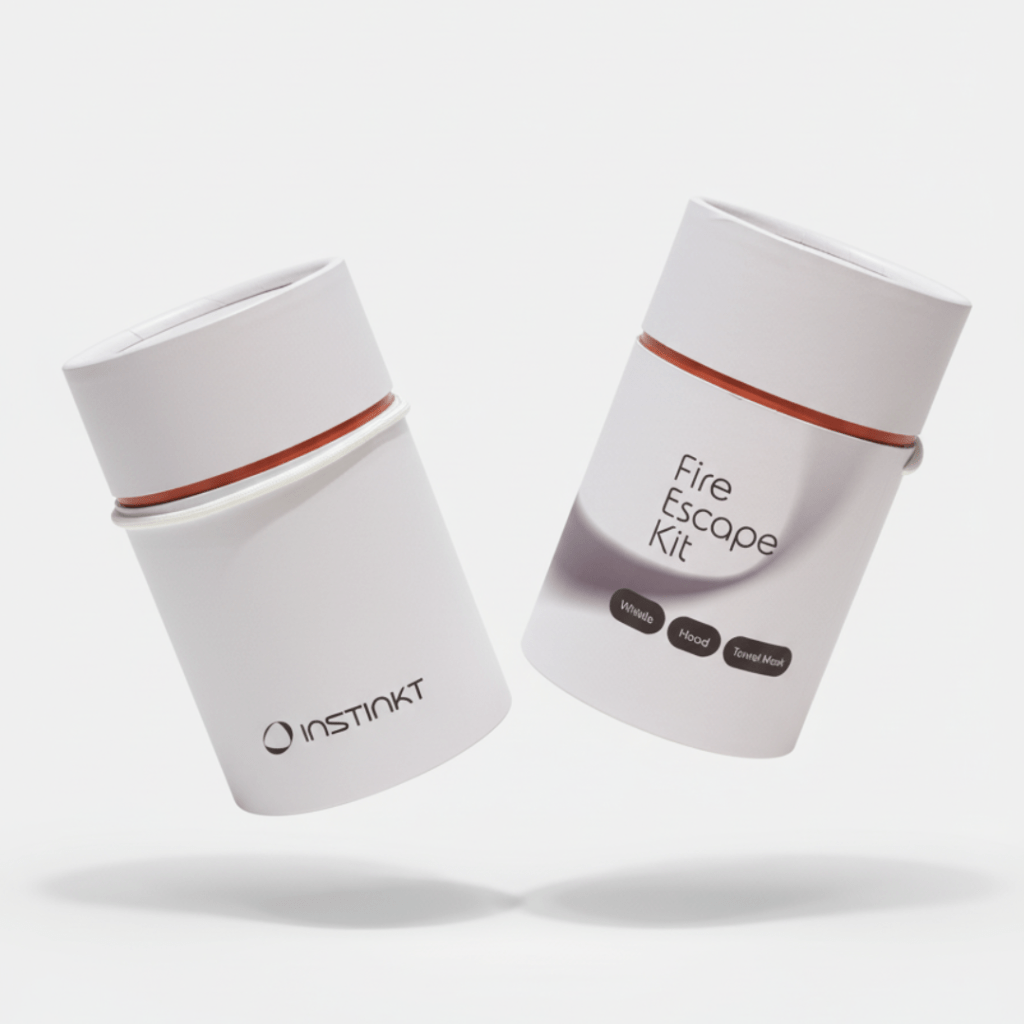
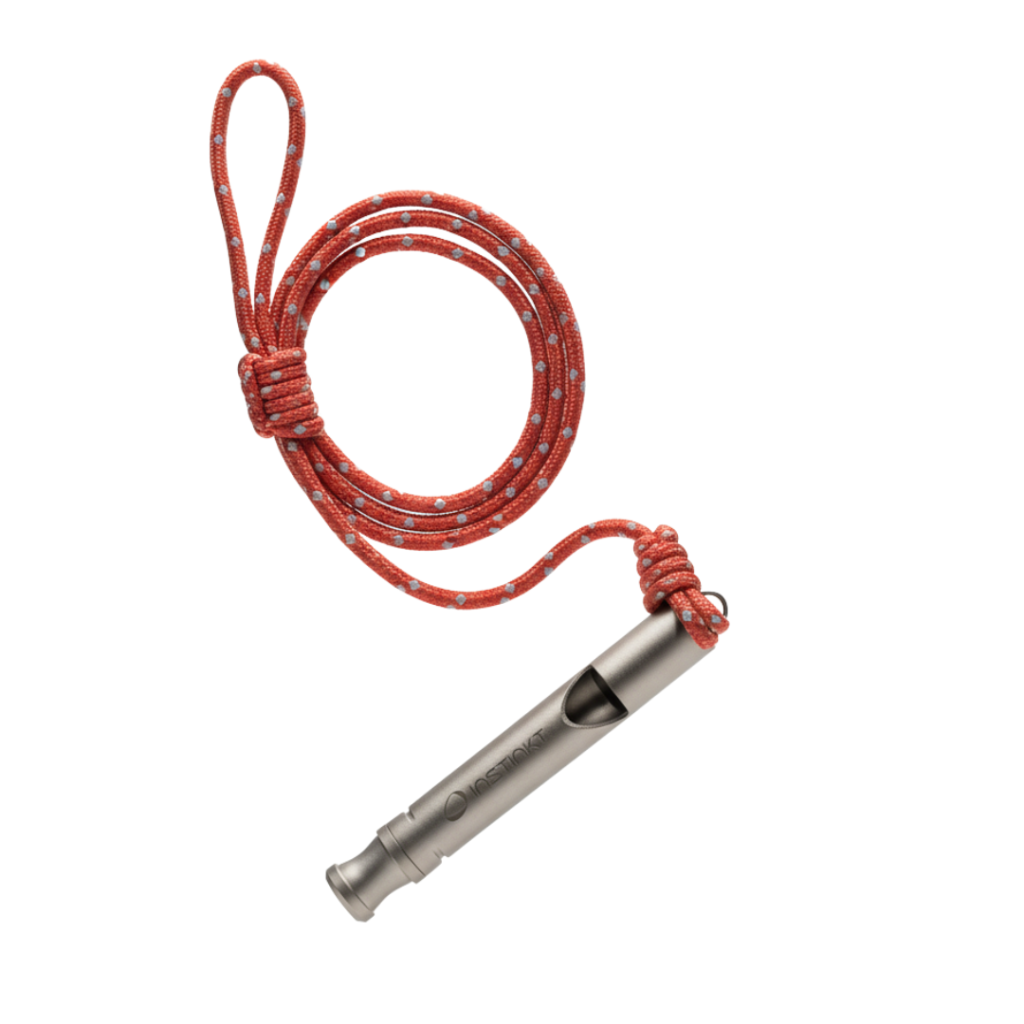
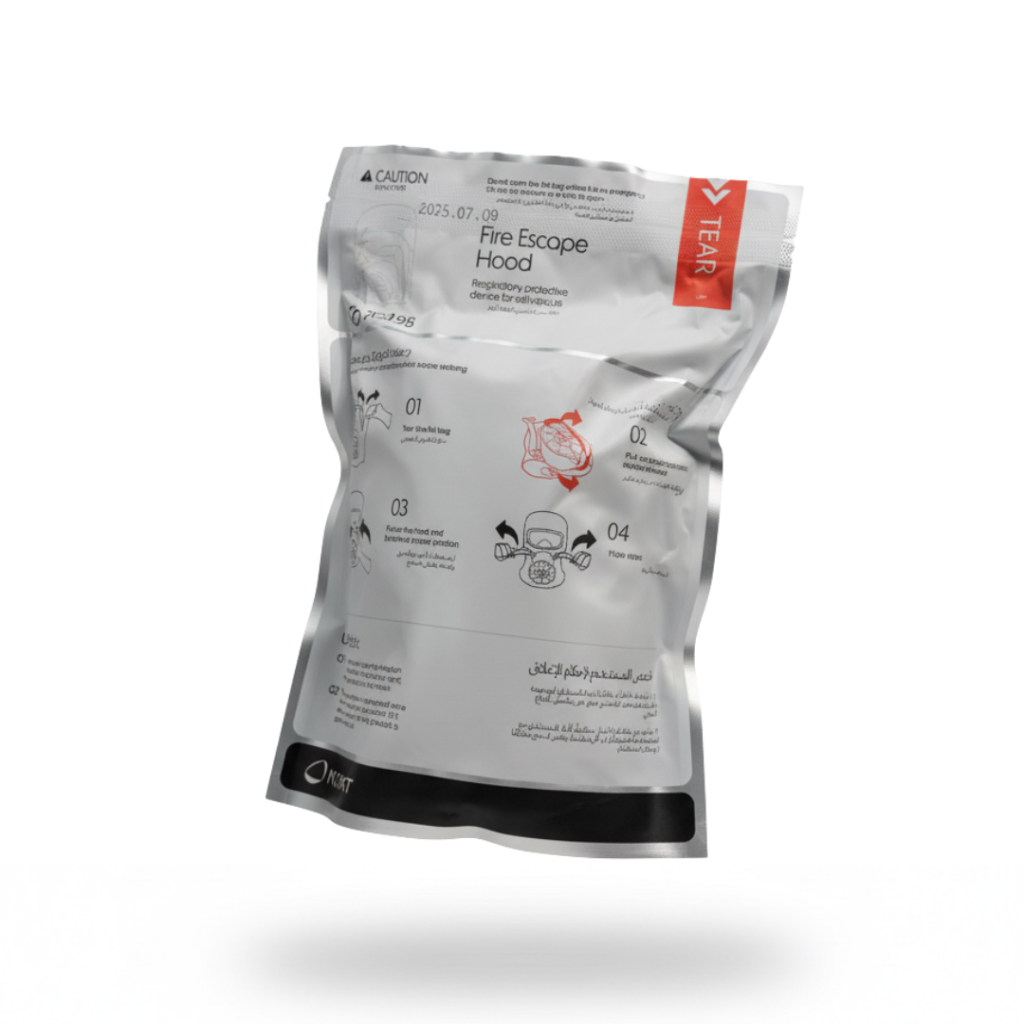
INSTINKT’s debut product is the EV1 Fire Escape Kit that contains a Fire Escape Hood Mask certified to EN 403 standards, providing up to 15 minutes of breathable air in thick smoke and up to 30 minutes in light smoke, an Emergency Whistle for use in low-visibility conditions, and Fire Escape Towels for immediate protection against smoke and fumes.
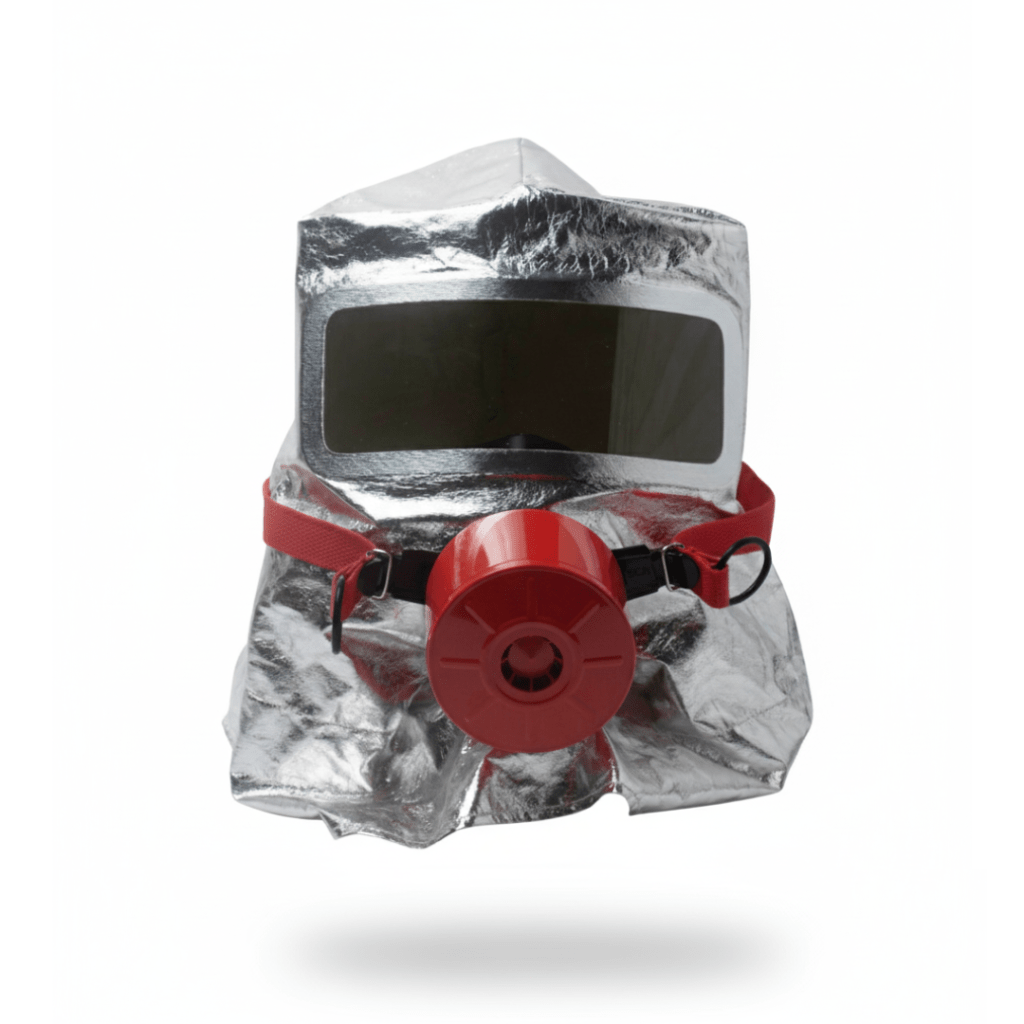
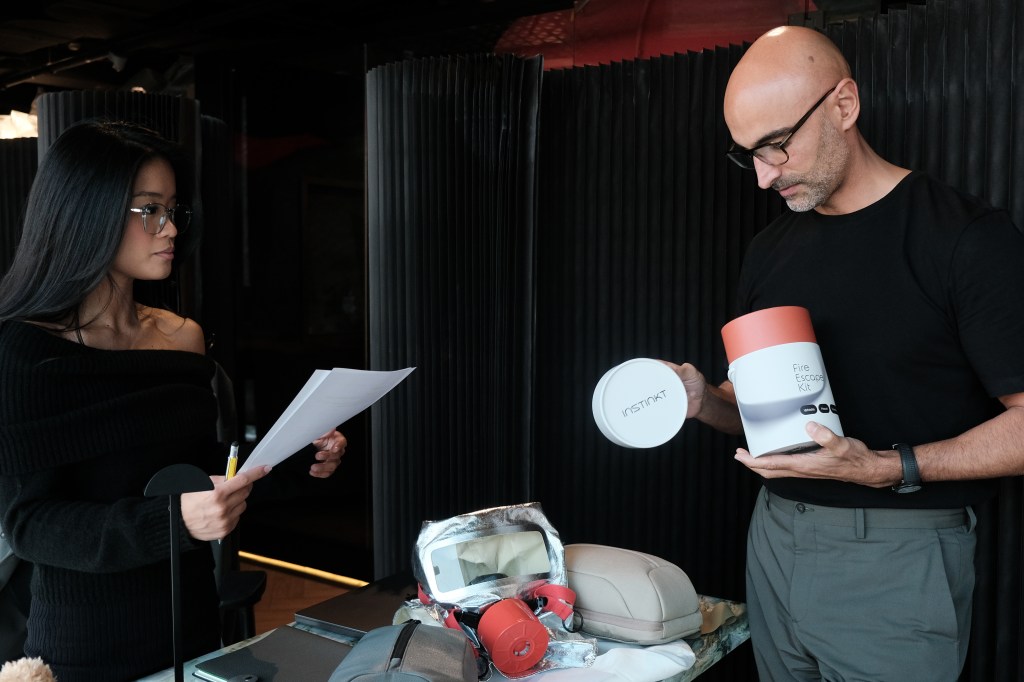
The kit is designed to sit in a bedroom, a hotel room drawer or a desk rather than mounted on a wall, reflecting the brand’s belief that the instinct to reach for protection begins with making it something you would naturally keep close. The kit is priced at AED510, and INSTINKT will donate US$1 for every product sold during its first year to organizations working to create safer environments for those most at risk.
Educating the market has been one of the central challenges of launching INSTINKT, Navani admits, particularly when introducing an entirely new product category. “The biggest shift we had to make early on was in how we framed the conversation,” he explains. “If you walk up to someone and say “buy this emergency kit,” their instinct is to think “that’s not for me, I live in a safe building.” And they’re right, we are in one of the safest places in the world.
“But that does not take away from each of us being prepared and accountable for our own lives. In the case of a fire emergency, the sprinklers, the alarms, the fireproofing, all of that buys you time, but what we’re addressing is what you do with that time. How do you actually get yourself and your family out safely when a corridor is filled with smoke?
“Once you reframe it that way, it stops being difficult for people to understand, that assurance wear is an essential category we need as we move through life. The awareness clicks almost immediately.”
In a highly competitive and brand-conscious market like the UAE, Navani chose not to rely on fear-based messaging to promote the product, instead focusing on patiently building trust and credibility with consumers. “In practical terms, credibility for us has been about showing, not telling,” he explains. “We let people handle the product, see how it works, and understand the quality of what’s inside the kit. We were also fortunate to be named Intersec Innovation Champion 2025 [one of the world’s largest trade exhibitions focused on security, safety, and fire protection technologies, held annually at the Dubai World Trade Centre, Dubai] before we even launched commercially, which gave us third-party validation from the industry’s most respected platform. That kind of recognition carries weight that no marketing campaign can replicate. We’re still in the early stages, but the foundation is genuine, the product born out of care, and I think people can feel that.”
In addition, Navani adds, launching a personal safety brand in the UAE required careful attention to regulatory and operational details. “When you’re importing specialized safety equipment, there’s a layer of due diligence that goes beyond a standard consumer product,” he says. “Making sure certifications are recognized, that documentation is in order, that your supply chain meets the right standards, all of that takes time and attention.
Navani also says that building a reliable supply chain proved to be one of the biggest challenges when launching the brand. “As a new brand in a niche space, you don’t have leverage with manufacturers yet,” he explains. “We had to build relationships from scratch, vet partners carefully and prove that we were serious before the right suppliers were willing to work with us. It took longer than expected, but we made the decision early on not to launch until the supply chain was strong. When you’re building a safety product, you can’t afford to improvise on that.”
Going forward, Navani says ensuring product availability will be a key operational priority. “We stock locally to make sure we can deliver quickly, because the nature of this product means demand can be unpredictable,” he says. “If there’s a fire incident in the news, or a conflict, people want access immediately, not in two weeks. Getting that logistics aspect right was a constant focus for us.”
While traditional safety manufacturers have long focused on supplying institutions, Navani sees a shift underway toward individual preparedness. “What we didn’t see, regionally or globally, was anyone approaching personal safety as a consumer responsibility,” he says. “No one was asking how you make a fire escape kit, something a person actually keeps in their bedroom rather than something a compliance officer orders in bulk. That’s a design problem as much as a safety problem, and it’s a part of the gap we’re focused on.”
In conclusion, Navani notes that the conversation around safety must also be linked to a broader discussion about resilience, explaining that “a truly sustainable society is also a resilient one.” He adds, “Personal and community safety, the ability to act and survive in all types of situations, is the missing piece of that conversation. With the world evolving so much, we wanted to be a part of shaping how we protect ourselves.”
‘TREP TALK: Medy Navani’s Tips on Launching a Personal Safety Brand
Prioritize quality above everything. “When you’re dealing with products that could save someone’s life, there is no room for compromise. Standards, certifications and material integrity are the foundation of your credibility.”
Define your message before you go to market. “People need to clearly understand why your product matters before they care about what it does. Lead with the problem you’re solving.”
Use e-commerce strategically. “It gives you fast market access, a direct line to your customers and real-time feedback. For a new category, that speed and control are invaluable.”
Think beyond the business. “In the safety space, your mission has to be about creating real value for society. If the purpose doesn’t drive the decisions, people will see through it.”
Lead with trust, not fear. “Education and empowerment will always be more powerful than fear-based messaging. You want people to feel capable and prepared, and assured, not anxious.”
Related: Create Apps Success Stories: How QAi is Personalizing Learning, One Quiz at a Time
For more than two decades, Medy Navani has built a career designing spaces that shape how people live, work, and interact with their surroundings. As the Founder and CEO of Dubai-based architecture and interior design practice Design Haus Medy, established in 2006, Navani has long approached the built environment through the lens of functionality, aesthetics, and human experience.
Yet through years of working on projects across the region, he began to notice a recurring gap in how safety is addressed within physical spaces which led him to launch his first product innovation venture, INSTINKT.
Founded in the UAE, INSTINKT is a UAE-based personal safety brand that creates a new category of everyday safety tools designed to integrate into modern living and working environments. “The timing felt right because of a disconnect I kept noticing. The way we live has transformed dramatically, how we build, how we power our homes, how we move through cities,” Navani says. “Lithium-ion batteries are now everywhere, in EVs, e-scooters, energy storage systems, personal devices, and they carry fire hazards that simply didn’t exist a decade ago. Cities are denser, buildings are taller, and the way people live day-to-day looks nothing like it did even thinking back to ten years ago.

Tamara Pupic • Editor in Chief, Entrepreneur Middle East
Entrepreneur Staff
Tamara Pupic is the Editor in Chief of Entrepreneur Middle East.