The Human Capital Question: Can Businesses Achieve Sustainability Goals Without Investing In People?
Insights from the Sustainability Innovation Forum 2026.
You're reading Entrepreneur Middle East, an international franchise of Entrepreneur Media.
As sustainability becomes embedded deeper into business strategy, the skills needed to deliver it are moving well beyond dedicated environmental, social, and governance (ESG) teams. LinkedIn’s Global Green Skills Report 2025 found that, for the first time, people with green skills working in non-green job titles accounted for 53% of all green hires. It is a shift that reflects a wider rethink of the relationship between sustainability and human capital, with a 2023 report by Deloitte describing human capital as “a central determinant of both productivity and sustainability.” The report further argued that human awareness, creativity and social innovation ultimately determine how other forms of capital are used, linking a successful human-enabled sustainability transition with competitive advantage, stronger corporate reputation and lower systemic risk.
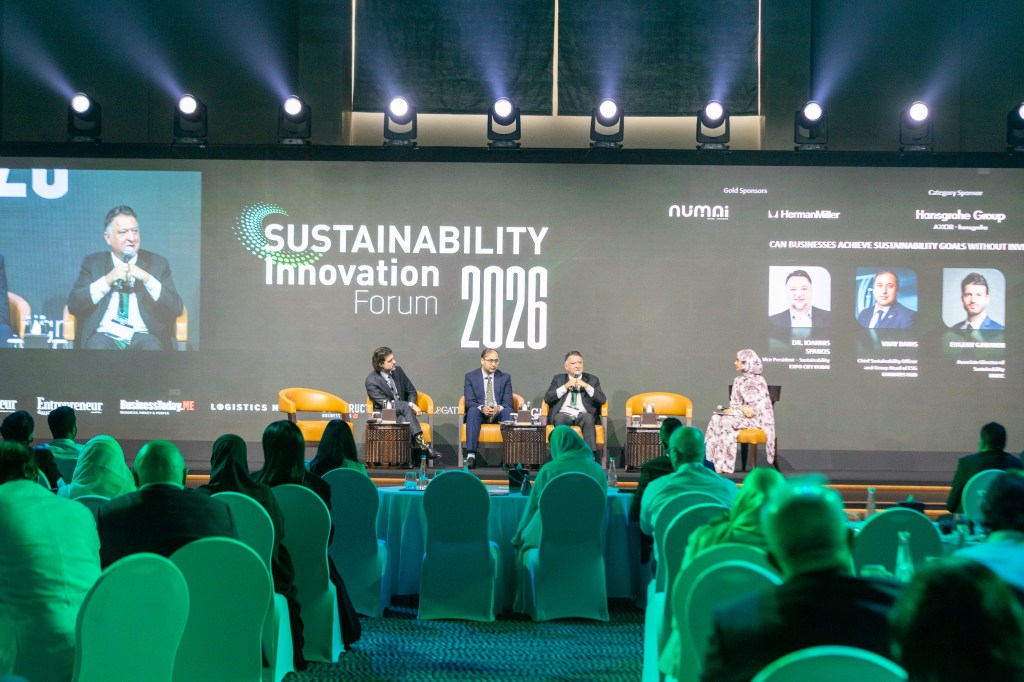
As such, at the fifth edition of the annual Sustainability Innovation Forum by BNC Publishing [the media house behind Entrepreneur Middle East], held on September 1, 2026 at Sofitel Dubai The Palm, one of the panels (moderated by the author of this piece) raised a simple yet profound question: Can Businesses Achieve Sustainability Goals Without Investing In People?
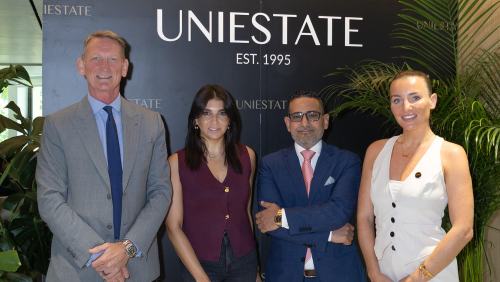
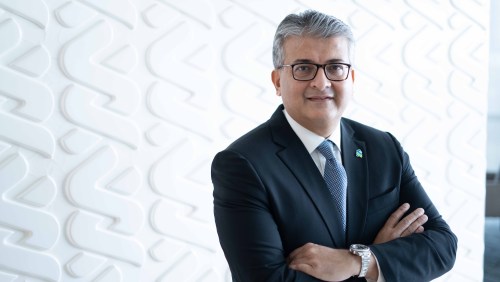
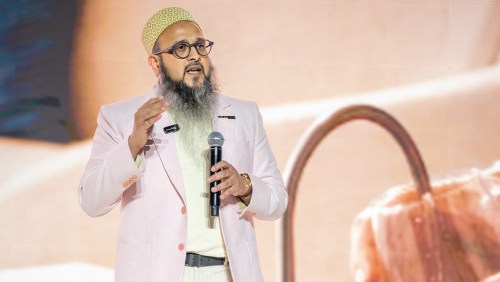
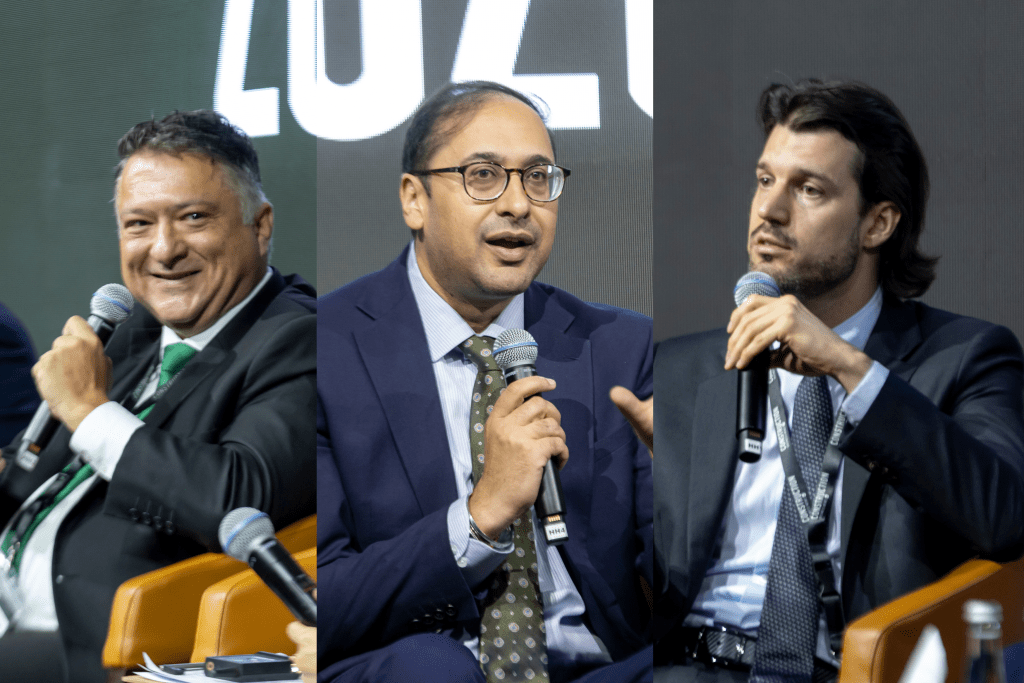
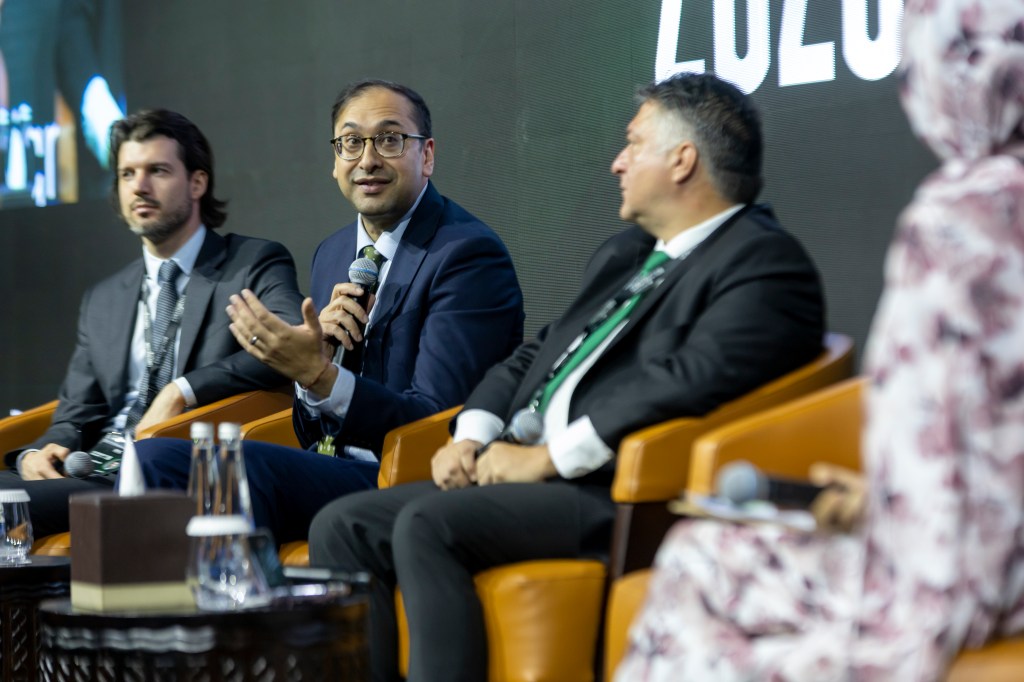
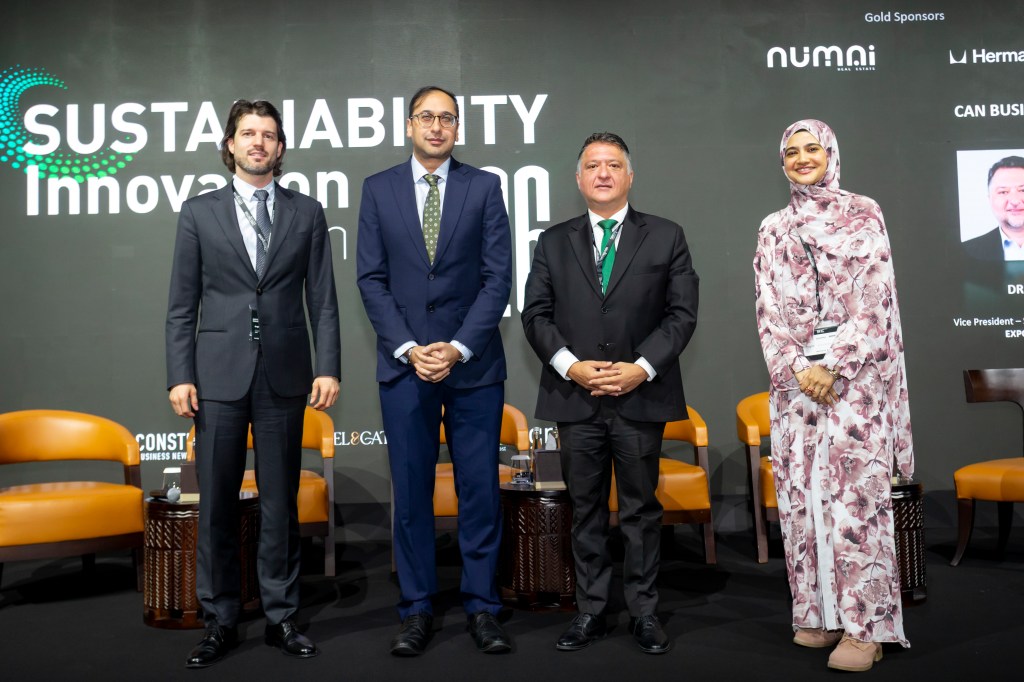
Sharing their insights on the topic were three industry experts, namely Dr. Ioannis Spanos, Vice President – Sustainability at Expo City Dubai; Vijay Bains, Chief Sustainability Officer and Group Head of ESG at Emirates NBD; and Evgeny Garanin, Associate Director of Sustainability at DMCC.
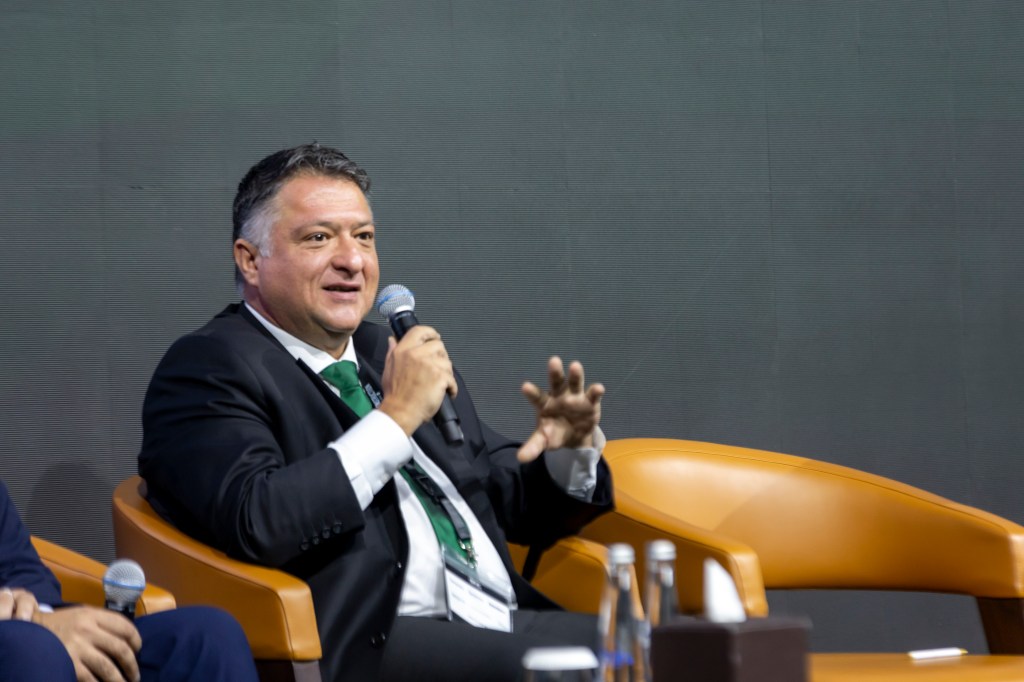
Opening the conversation, Dr. Spanos noted that sustainability must combine environmental, social and economic value; otherwise, it risks becoming just another concept or strategy on paper. “A strategy is developed, but [if] the strategy is not implemented within the whole organization, the stakeholders, it’s just paper,” Dr. Spanos said. “How [can] a strategy be implemented unless the people understand what they have to do? And that’s why we’re thinking that training and information exchange and knowledge sharing must be not only within the organization, but upstream and downstream.”
That emphasis on people is already visible in Expo City Dubai’s own sustainability efforts. According to its Sustainability Report 2025, the organization delivered more than 1,600 hours of environmental and social sustainability training during the year, while recording a 32.4% year-on-year reduction in operational emissions. Its efforts have since expanded further through initiatives such as the Green Innovation District, launched with the UAE Ministry of Economy and Tourism in October 2025 as a hub for clean-tech innovation, circular economy solutions and decarbonization, as well as the UAE’s first Green License, launched earlier this year.
But for Dr. Spanos, embedding sustainability also means ensuring that learning extends beyond Expo City’s own workforce and into its wider ecosystem. “We’re targeting about 75% of our people to be retrained every year, on aspects related to what they’re doing,” he said. “At the same time, we’re looking at the upstream, our supply chain.”
Dr. Spanos then pointed to Expo City’s work with its events supply chain, F&B operators and commercial tenants as examples of this approach, adding that F&B businesses, for instance, received dedicated training on waste and the circular economy, as well as energy and water, while commercial tenants were provided with a learning management suite to better understand Expo City’s sustainability objectives.
That idea of taking sustainability beyond a dedicated department was echoed by Bains, who argued that making it an organization-wide responsibility also requires embedding it into the structures through which employees are trained, evaluated and ultimately progress within a business. “It’s not just in the sustainability department, it’s a responsibility of everyone,” he said. “All of our staff need to do their mandatory training, which includes sustainability, climate risk, transition risk, financing, and they need to understand as well how it affects their job roles.”
At Emirates NBD, that approach extends beyond mandatory training, Bains shared, with sustainability having been incorporated into bonus structures and leadership KPIs, while executives are required to attend at least one sustainability training session each year. Bains also revealed that 25% of leadership role responsibilities are now dedicated to sustainability, connecting sustainability performance with career progression. And while the bank’s dedicated sustainability department comprises around 40 people, he estimated that approximately 2,500 employees across Emirates NBD are involved in sustainability-related projects. “The second part is our staff see a career path for themselves in sustainability,” Bains said. “So, also my role is building it out into our leadership KPIs, not just the bonuses, but also for promotions.”
The need to develop such capabilities is only becoming more pronounced as the green transition reshapes both businesses and the jobs within them. The World Economic Forum’s Future of Jobs Report 2025 identified the green transition as one of five major forces expected to shape and transform the global labor market by 2030.
For Emirates NBD, those workforce capabilities also intersect with the bank’s expanding sustainable and transition finance activities. In August 2026, the bank launched the UAE’s first dedicated Transition Finance Framework, designed to direct financing towards credible decarbonization efforts in high-emitting and hard-to-abate sectors. Beyond helping businesses move towards lower-carbon models, the framework also creates a need for employees to develop increasingly specialized knowledge—moving beyond an understanding of the basic principles of climate change to being able to understand individual businesses and support clients through their respective transition journeys.
“The training that we had a few years ago was on principles of climate change, principles of transition,” Bains added. “Actually, that’s quite well understood by, I think, everyone in the global markets. Now, it’s how do you help the client who is as skilled, if not, no doubt, more skilled than you as well? How do you understand their business requirements?”
But as sustainability capabilities become relevant to an ever-wider range of business functions, the question becomes not simply whether organizations need more green skills, but what the apparent “skills gap” actually represents. Indeed, Garanin raised the idea that the sustainability skills problem cannot simply be described as a “gap” to be filled by hiring, training or certifying more specialists. For him, the more consequential divide is between knowing about sustainability, understanding what it means for a particular business function, and translating that understanding into action.
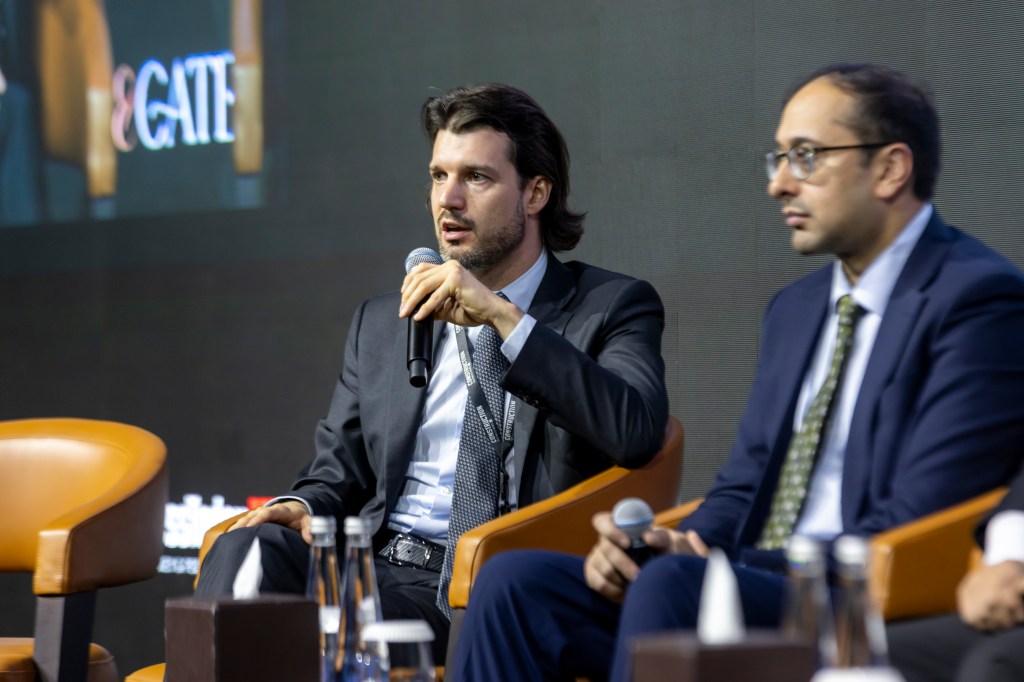
“The difference is not between knowing and not knowing. It is between understanding and knowing, and between understanding and acting,” Garanin said.
That distinction becomes particularly significant when sustainability decisions increasingly sit outside dedicated ESG teams. At DMCC, for example, more than 70% of the emissions identified through its carbon footprint assessment fell within Scope 3 Category 2, predominantly linked to building and infrastructure activities. As Garanin pointed out, this means many of the organization’s most consequential climate decisions are made by departments outside the sustainability function.
It also brings the conversation back to the aforementioned LinkedIn finding. For Garanin, rather than simply being an interesting labor-market statistic, the figure reflects a more fundamental shift in how sustainability is becoming embedded into ordinary business roles.
“This is the labor market identifying what any honest Scope 3 carbon emission assessment already knows—that sustainability has spread into the ordinary roles,” he said.
RELATED: Follow The Leader: How Kibsons CEO Halima Jumani is Redefining Success by Putting People First
DMCC has sought to respond to this internally through measures including the establishment of a top-level leadership sustainability committee in 2019 and a greenhouse gas management system designed to ensure that relevant roles across the organization are involved in implementing its sustainability strategy.
But Garanin argued that organizations should be careful about how they respond to this shift. Rather than trying to turn sustainability specialists into experts in every other business discipline, companies can equip people who already understand functions such as procurement or finance with the sustainability knowledge needed to make better decisions within those roles.
And that, he suggested, requires organizations to look beyond a conventional skills audit. “The idea here to address that gap would be not to run a skills audit; it would be to run a decisions audit,” Garanin said. “Ask one question: when last year your Scope 3 number changed, did anyone outside of the ESG team notice? If not, that’s not a reporting problem, that’s the understanding problem—and that’s basically your gap.”
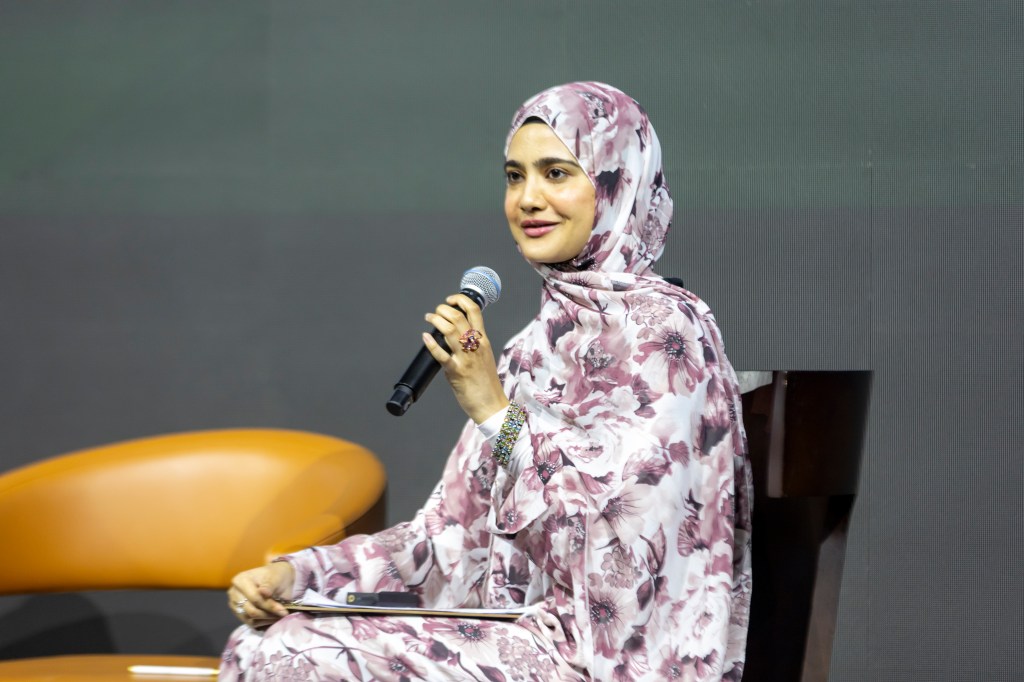
As the conversation then moved towards what building that internal capability looks like in practice, each speaker offered examples from within their respective organizations.
At Expo City Dubai, Dr. Spanos pointed to the use of “transformation agents” across departments—employees who are encouraged not simply to follow its sustainability strategy, but to challenge and improve it. One example came from the security team itself. “Our security people came within one of the meetings and they told us, ‘We have produced a ten-slide presentation to tell you how all staff in security now will become environmental auditors outside because they have free time,’” Dr. Spanos recalled. “That will not come out unless we let them know what their needs are and let them innovate based on what they’re doing.”
At Emirates NBD, Bains highlighted how sustainability knowledge can help employees identify commercial value within their existing areas of expertise. “When they looked at green buildings, they realized certain green buildings are 15% more efficient than others,” he said. “What that then means is the asset value goes up because actually, if you’re selling a hotel or resort and it’s more efficient to run, that’s more cost effective [and] your return income is far better.” Bains also pointed to the bank’s economists incorporating climate risks into economic analysis, demonstrating how existing expertise can be strengthened through a sustainability lens.
Garanin, meanwhile, warned against “rented understanding”, which, in simple terms, adheres to outsourcing sustainability work without developing the knowledge internally. “It is when a company develops a strategy and only a third party knows it; when it’s calculated at Scope 3 and only the platform really produces these numbers,” he explained. “This is not an argument against advisors or AI. It is about what to buy from them, which should be investing into capability and capacity.”
He recalled how one company within DMCC’s ecosystem restructured a consultancy engagement so its employees did the work themselves, with the consultant providing advisory support. “In two years, that company has a team with knowledge and resources, and they became the supplier to two large European corporations,” Garanin said.
Together, the examples underscored the central premise of the discussion: building sustainable businesses ultimately requires building the capabilities of the people behind them.
Looking Ahead: What Sustainable Businesses Need Next
Dr. Ioannis Spanos On Why Curiosity Drives Innovation
“In order to progress and innovate, you must include curiosity and inclusivity within your decisions. From where you’re expecting to have a backlash, actually you have the greatest ideas—and curiosity, in a professional manner, can be very innovation-driven.”
Vijay Bains On The Skill Businesses Will Need For The Next Decade
“Be curious and always challenge yourself. Sustainability is always evolving, so be open, engage with your counterparts across the business, and always tie it to the value of your business.”
Evgeny Garanin On The Skill That Comes Before Green Skills
“The real skill before any green skill is teaching your employees—and ourselves—before we make a decision, when we see any data, to think for 30 seconds and ask ourselves: ‘What caused it?’”
As sustainability becomes embedded deeper into business strategy, the skills needed to deliver it are moving well beyond dedicated environmental, social, and governance (ESG) teams. LinkedIn’s Global Green Skills Report 2025 found that, for the first time, people with green skills working in non-green job titles accounted for 53% of all green hires. It is a shift that reflects a wider rethink of the relationship between sustainability and human capital, with a 2023 report by Deloitte describing human capital as “a central determinant of both productivity and sustainability.” The report further argued that human awareness, creativity and social innovation ultimately determine how other forms of capital are used, linking a successful human-enabled sustainability transition with competitive advantage, stronger corporate reputation and lower systemic risk.
As such, at the fifth edition of the annual Sustainability Innovation Forum by BNC Publishing [the media house behind Entrepreneur Middle East], held on September 1, 2026 at Sofitel Dubai The Palm, one of the panels (moderated by the author of this piece) raised a simple yet profound question: Can Businesses Achieve Sustainability Goals Without Investing In People?
Sharing their insights on the topic were three industry experts, namely Dr. Ioannis Spanos, Vice President – Sustainability at Expo City Dubai; Vijay Bains, Chief Sustainability Officer and Group Head of ESG at Emirates NBD; and Evgeny Garanin, Associate Director of Sustainability at DMCC.

Aalia Mehreen Ahmed • Senior Features Editor, Entrepreneur Middle East
Entrepreneur Staff
Aalia Mehreen Ahmed is the Senior Features Editor at Entrepreneur Middle East. She is an... Read more