Basket Case: How ETFs Won Over the GCC Investor
With global ETF assets past US$23 trillion, we speak to five experts on why owning a slice of the world’s growth is better than chasing a single winning stock.
You're reading Entrepreneur Middle East, an international franchise of Entrepreneur Media.

At Entrepreneur Middle East, we champion entrepreneurship in all its forms, but building a company from scratch isn’t for everyone. Fortunately, there’s another way to own a piece of the action: owning a slice of thousands of companies at once, and riding their collective highs and lows as a shareholder.
Exchange-traded funds (ETFs), one of modern finance’s most elegant inventions, represent a single basket of stocks, or bonds, or commodities, that delivers low-cost diversification, easy trading, and true set-it-and-forget-it investing.
Since the Toronto Stock Exchange launched the world’s first ETF in 1990, the asset class has snowballed into a global phenomenon: global ETF industry assets reached a record US$23.11 trillion by the end of July 2026 (ETFGI), while J.P. Morgan reports that there are nearly 17,000 ETFs now listed worldwide.
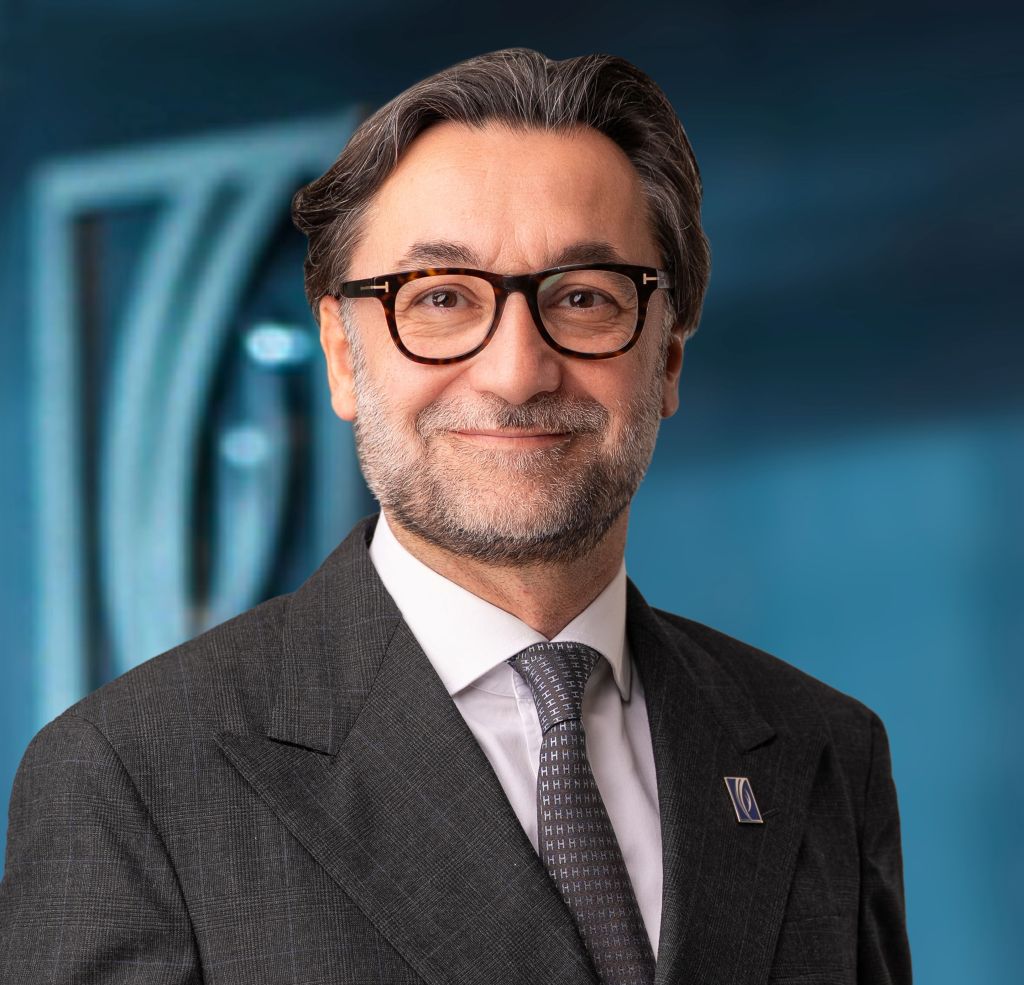
“From a generational point of view, the massive change with ETFs is the ability to build a globally diversified portfolio with any amount, even very modest, which was much more difficult in the past. This is great for financial democratization and even literacy,” says Maurice Gravier, Group Chief Investment Officer, EmiratesNBD.
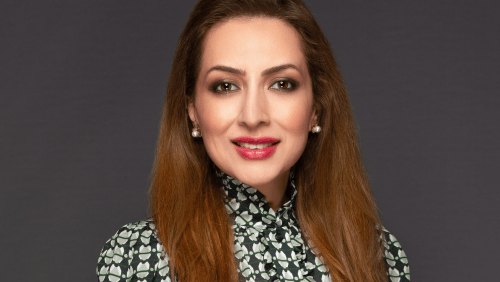
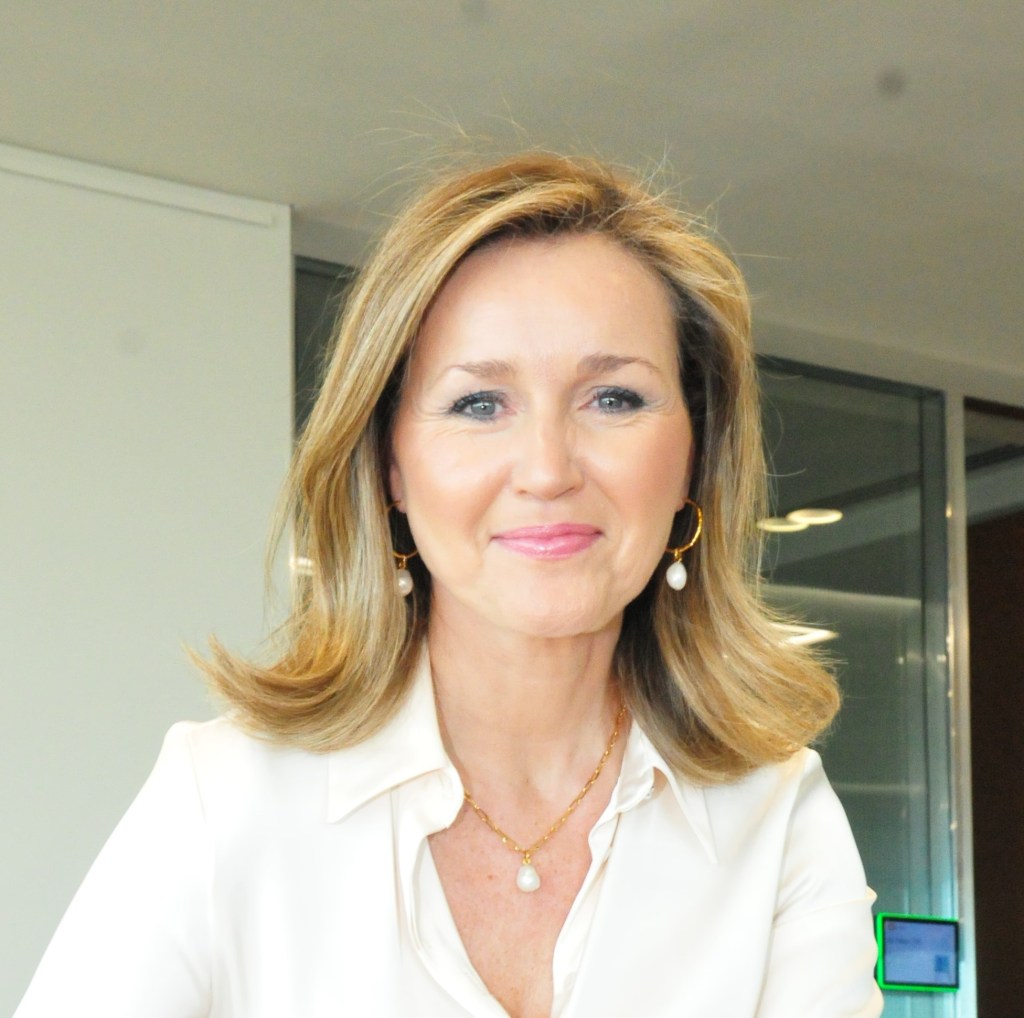
In the UAE, investors are undergoing a meaningful shift in mindset as ETFs move from niche to mainstream, explains Olga de Tapia, Managing Director, Global Head of ETF and Indexing Sales at HSBC Asset Management. “Where local investors once favored active risk-taking and paying for managers to chase outperformance or income, there is growing recognition, echoing a realization European investors reached earlier, that active funds have not always justified their fees,” de Tapia explains.
“As a result, passive products are no longer just a ‘passive plus add-on’ for tactical positioning; investors increasingly see them as core portfolio building blocks. That shift changes the conversation entirely: from asking whether a fund can beat the market to asking what role a given exposure should play in the broader portfolio.”
This shift is being powered by new access points, such as the global robo-advisory market that is set to grow from US$14.25 billion in 2025 to US$18.7 billion in 2026, with ETFs and index funds making up roughly 65% of robo-advisory portfolios as per Fortune Business Insights.
Locally, as digital banks and robo-advisors lower the barrier to entry, they are steering the increasing number of investors — just in 2024 alone, the Dubai Financial Market onboarded 138,262 new investors, a 120.5% jump from 2023 — toward exactly the kind of transparent, diversified, low-cost building blocks that ETFs were built to be.
Akshay Iyer, Senior Wealth Advisor at Dubai-based digital wealth platform Sarwa, says the growth has played out clearly in-house. “When we first launched, explaining what an ETF even was took up much of every client conversation, and that conversation looks completely different today,” he says.
Sarwa has since crossed US$1 billion in assets under management, with a meaningful share sitting in ETFs.
“Now I’m seeing real portfolio thinking: country-specific ETFs, sector plays, bond and income strategies,” Iyer adds.
“The one that genuinely surprised me was commodities. When gold and silver were running, their respective ETFs became our top traded assets for a few consecutive months, and this is something that had never happened before; individual stocks always dominated.
“What made it interesting is that UAE investors historically love physical hard assets. Gold jewelry, physical bullion because it’s deeply embedded here. Watching that demand shift to commodity ETFs instead just shows you how investor behavior is changing.”
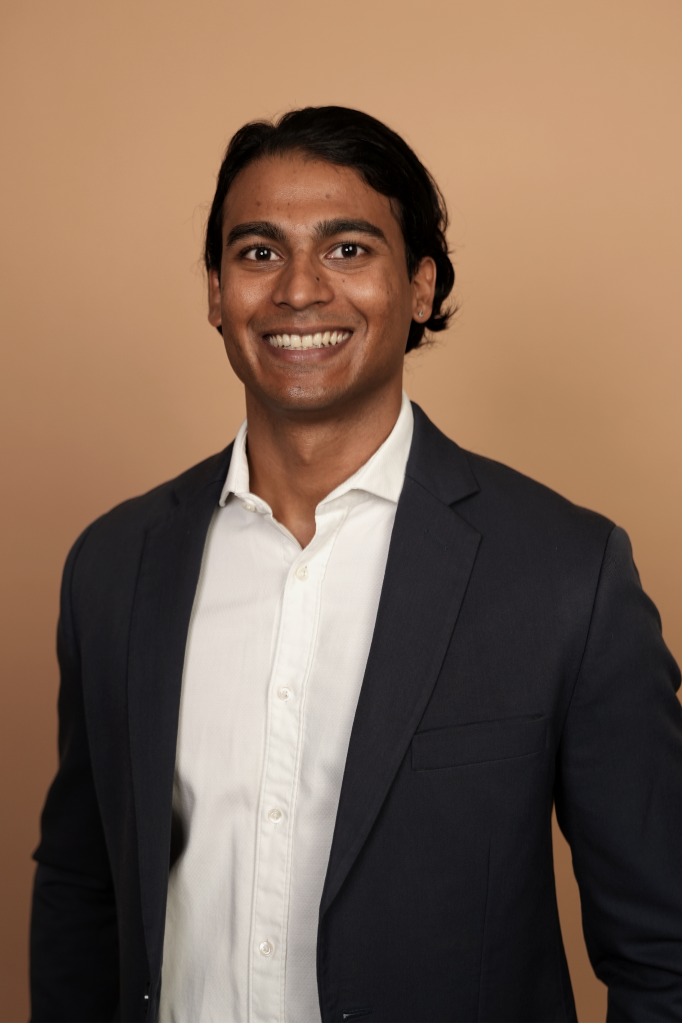
Iyer also points out that younger investors have taken to ETFs naturally: they want things simple, transparent, and accessible, and ETFs fit that bill. “But what I find more interesting is how behavior has evolved across the board,” he says. “It used to be ETFs as a passive default. Now clients are using them deliberately: thematic strategies, active ETFs. That’s a very different investor than who we were seeing a few years ago, and it’s happened faster than I expected. I think access played a big role- once the friction of investing was removed, more people became comfortable going beyond the basics.”
Gravier echoes that sentiment, noting that the typical UAE investor is open, global, and unafraid of taking risks with an eye on future trends, which is a mindset that maps naturally onto how ETFs get used. “ETFs are mostly used for volatile assets, from stocks to commodities, while direct holdings and active managers are preferred for fixed income,” he says. “Equity sectors and themes, as well as some systematic strategies, are currently in favor, with very smart moves across the AI value chain, from nuclear energy to robotics, and of course semiconductors.”
Blair Hoover, founder of Choose Your Own Finance and a board member of SimplyFI, a 42,000-member volunteer community serving as the UAE’s official Bogleheads and ChooseFI chapter, has a front-row seat to how the UAE’s retail investors actually behave.
Guided by an 18-person steering committee, SimplyFI teaches passive index investing and financial independence (FIRE) to a varied demographic: from “those just starting out in their 20s to others already in retirement, executives alongside service workers, all of whom want to improve their financial lives.”
Drawing on this cross-section of local retail investors, Hoover starts by explaining that, in the region, financial literacy is at an all-time high, “but that’s not saying much given how bad it used to be.” She traces some of this back to generational gaps: index funds only gained real traction in the late 1990s, decades after they first appeared, meaning “our parents and grandparents mostly didn’t have access to them, so they couldn’t teach us. That’s part of why so many expats still default to property — it’s what their parents knew.”
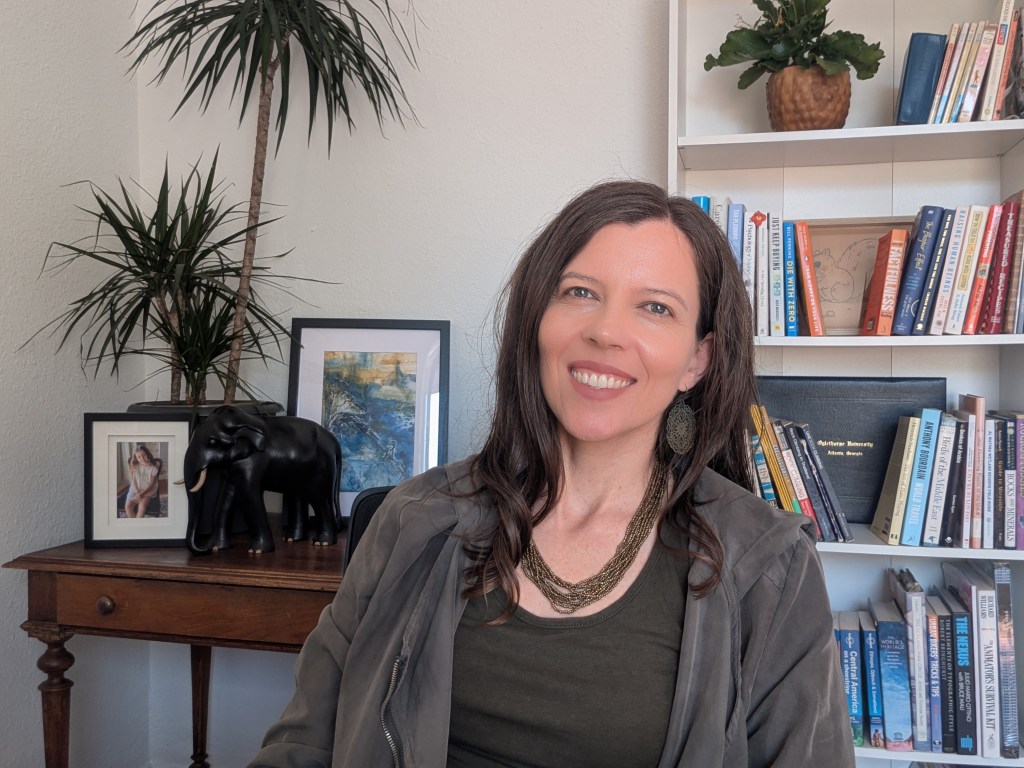
So before asking about ETFs specifically, I start by asking how everyday people take their first steps into investing. “Getting started is by far the hardest part, most people are scared to even look at their finances, let alone invest,” Hoover explains. “Our getting-started guide walks beginners through the jargon and the groundwork, like building an emergency fund and clearing credit card debt, before they put money in. We also have Facebook guides on the basics: opening a brokerage account, converting currency, placing trades.
“Once people do start, the most common mistake is tinkering, adding ETFs, trying to time the market, when the whole point is to stay hands-off. The more active you are, the worse your returns tend to be. Keep it simple and stick to the plan.
“A successful first year just means having an emergency fund, making your first trade, and setting up a system to keep investing without getting rattled by the market. What your portfolio is worth in six months doesn’t matter. What it’s worth in 10, 20, or 30 years, when you’re living off it, does.”
DeadSimpleSaving.com founder and also a SimplyFI Board Member Steve Cronin adds that SimplyFI was founded to give people an alternative to commission-based financial advice or high-fee products. He explains, “The whole market is offering long-term savings plans, offshore bonds and whole life insurance, then stuffing them with actively-managed funds and structured notes.
“Once you realize there is an alternative, where you can invest cheaply by yourself, you can’t stop talking about it and wanting to help others.”
He opines that individual stocks carry a volatility, such as Apple falling 83% in 2000-2023, or Meta falling 77% in 2022, that most people cannot handle psychologically. “Many stocks don’t bounce back after a fall either, so you’re stuck with a loss,” he says. “ETF investing is different and much less volatile. Indices like the S&P 500 and the FTSE All-World Index always recover eventually.
“For the same transaction cost and same few minutes it takes to buy a stock on a brokerage, you can buy a globally-diversified stock ETF containing 4,000 stocks across 50 countries. If you stay in the market for the long term, you’re going to get your 7%-10% annual return, which means you’re likely to double your money in under 10 years.”
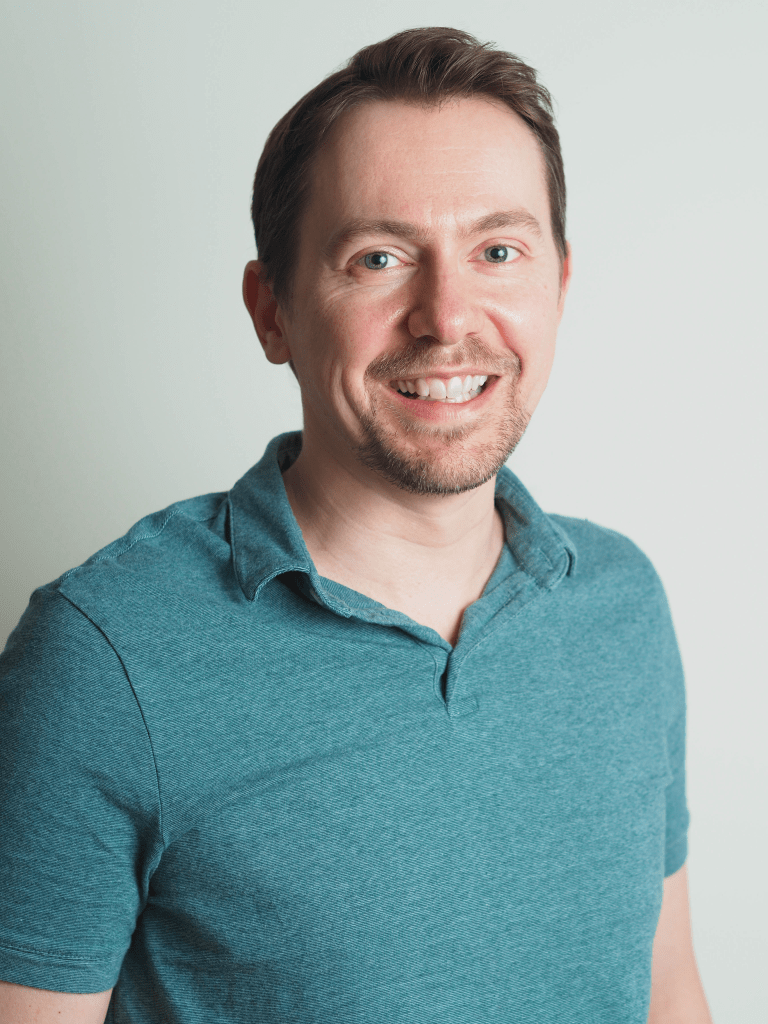
His experience suggests that many people arrive at SimplyFI having already dabbled in a random assortment of individual stocks, picked up from friends’ recommendations, influencers, or articles. They often spend a disproportionate amount of time tracking and second-guessing these picks, only to find overall performance flat or down which, as Cronin explains, is often enough to put them off investing altogether.
“It’s not possible to successfully pick stocks over the long term. Even the professionals can’t do it reliably, with all their access to CEOs and infinite computing power, so why should we be able to at home?” Cronin says.
“I worry that individual stocks take up space in your brain when you should be thinking about other things. I don’t want pilots and surgeons worrying about stock prices when they should be concentrating.”
RELATED: From Wall Street Discipline to Digital Asset Innovation – UEB3 Ventures CEO Viktor Uzunov
Drawing on real-life examples, Cronin adds that building up large positions in an employer’s stock also carries risks, as he has seen people lose their job and a significant chunk of their investment portfolio when their company hit financial trouble. Another example is people holding onto underperforming company stock for years out of loyalty. He himself has gone through a similar experience: while working for an S&P 500 company, its share price fell 52% in three days and took a decade to recover which was a relatively fortunate outcome, Cronin says, since many stocks never regain their peak.
That is why Cronin sees having an international brokerage account and investing in ETFs as the secret sauce of expat investing.
“ETFs have weathered the [financial] crashes of 2001, 2008 and 2020 without problems,” Cronin says. “They work as well for stocks as for bonds. Unlike mutual funds, you can access them easily as an expat (via a brokerage) and get a price at any time when the market is open.
“So ETFs aren’t going anywhere. There are a dizzying number of different ETFs and most you should just ignore. The future of sensible, globally-diversified ETFs will evolve slowly and incrementally. New ETFs might appear that have lower fees or greater diversification, but that’s about it.
“This is why I believe learning ETF investing gives you a skill for life, that will be as useful when you are 80 as now. There will always be market crashes, complicated products and people trying to rip you off.”
The UAE now has a firmly established locally listed ETF market, although still relatively small and less liquid than its global counterparts- as of August 2026, 24 ETFs are listed on the Abu Dhabi Securities Exchange (ADX), alongside two ETF share classes on the Dubai Financial Market (DFM). ADX has also become the first exchange in the Arab world to cross-list two NYSE-domiciled ETFs, together representing approximately US$10 billion in assets under management.
Beginner’s Playbook: SimplyFI Board Member Steve Cronin on How to Start Investing
“For someone starting out with investing, SimplyFI is a great place to begin. There’s lots of information and a supportive community to stop you from feeling alone and, most importantly, to stop you from panic-selling during a crash.
“Learn the basics of stocks, bonds, passive investing, ETFs and brokerages. It doesn’t take long. Open an international brokerage account and practice buying one ETF share per day for two weeks until making a trade becomes easy. Then, you’ll feel more comfortable investing larger sums every month.
“Sensible investing really does take just five minutes per month. It’s incredibly easy, and I’d take it over being a landlord any day.”
And as investor interest in ETFs continues to grow across the region, so too do the questions surrounding them. We examine some of the most common misconceptions about ETF investing.
“The most common one is still conflating ETFs with mutual funds; both are pooled vehicles, but they’re structurally different in cost, liquidity and how they actually trade,” says Iyer. “A related confusion is between the index and the instrument; you can access the same index through an ETF or a mutual fund and end up with a meaningfully different experience.”
For de Tapia, the deeper misconception is treating passive and active investing as opposites. “ETFs can be extremely dynamic tools for asset allocation,” she says. “An investor can express a view on a geography, sector, factor or theme without making an individual security-selection decision. I don’t see passive and active as mutually exclusive, they’re complementary.” That distinction matters particularly in the UAE, she notes, “where investors have traditionally placed a relatively high value on active management and manager relationships.”
RELATED: From Apple to SpaceX: 18 Tech IPOs That Reshaped Industries
A newer frontier, she adds, is the rise of active ETFs as vehicles that “retain many of the structural advantages of an ETF while allowing the portfolio manager to take active positions,” offering a potential middle ground between high-conviction active management and pure indexing.
Islamic ETFs, de Tapia continues, are shedding their niche status too. “The ETF proposition fits naturally with what many Shariah-compliant investors are looking for: transparent rules, clear screening methodologies, diversification and efficient access to global markets.” HSBC’s own Islamic Global Equity Index Fund has operated since 2001 and held roughly US$2.9 billion in assets as of June 2026, part of a broader toolkit spanning equity ETFs, Sukuk and multi-asset solutions. “The evolution isn’t simply about more money going into Islamic ETFs, but it’s about a broader acceptance of indexing as an investment architecture,” she says.
Looking ahead five years, the consensus among our interviewees is that the role of ETFs in everyday portfolios is only set to deepen. “ETFs have already reached maturity and taken the lion’s share of global wealth management assets in public markets over the last two decades,” says Gravier. “The next massive evolution in terms of vehicle is probably tokenization rather than the ETF structure itself.” That said, he is watching some newer innovations warily.”We’re a bit concerned when ETFs promise liquid exposure to illiquid underlying assets, or embed excessive leverage,” he says. “They’re so easy to trade that some investors may not fully understand the risks they’re taking. Advisors are here to help.”
Iyer expects ETFs to simply become the default. “What I’d like to see is traditional providers -legacy banks and insurance companies- move in this direction. A lot of what’s still distributed through those channels can be more expensive and less flexible than an equivalent ETF solution. As the next generation of UAE investors becomes more cost- and access-conscious, I expect ETFs to be a bigger part of what they look for.”
De Tapia identifies five trends likely to shape the next phase of ETF investing. “First, ETFs will increasingly become portfolio building blocks,” she says, as the UAE moves towards more sophisticated asset allocation, with investors combining passive exposures, active strategies and alternatives for diversification, liquidity management and tactical positioning.
Second, she expects Shariah-compliant investing to expand well beyond equity ETFs into Sukuk, commodities, real estate, private equity, hedge-fund strategies and private credit. “The opportunity is therefore not simply to create ‘more Islamic ETFs’; it is to create a much broader Shariah-compliant investment toolkit.”
Third, the distinction between active and passive investing will continue to blur as active, factor, thematic and systematic ETFs gain ground. “Investors increasingly care less about the label and more about the outcome: what exposure am I getting, what risk am I taking and what am I paying for it?” Fourth, digital distribution will accelerate adoption, particularly in a market such as the UAE, and fifth – de Tapia expects investors to demand increasingly precise and personalized exposures. “
That means more thematic, factor, income, sustainability and outcome-oriented strategies, alongside increasingly sophisticated asset-allocation solutions, all in a Shariah compliant format,” she says.
“For Shariah investors specifically, I think this is particularly exciting because the market is moving from a relatively narrow question, ‘Which investments are permissible?’ towards a much broader one, ‘How do I construct an efficient, diversified, globally invested portfolio that is Shariah compliant?’ That is a much bigger opportunity.”
Ultimately, the experts agree that ETFs have evolved from standalone investment products into the infrastructure upon which portfolios are built.
Beginner’s Playbook: SimplyFI Board Member Blair Hoover on How to Start Investing
“False belief: I need to wait for a dip to invest–Time in the market beats timing the market. When you show me the crystal ball that can predict the future, then it will make sense to wait until the market drops before investing, or to keep cash on the side for a buying opportunity, or to stop investing because we’re at an all time high and a crash is coming. These are all examples of trying to time the market, and it’s a futile exercise. Instead of trying to find the perfect time to invest, just start today and keep investing as often as you can while you’re still earning money.
“False belief: It’s too late to start investing–Your investing horizon doesn’t stop the day you retire, it stops the day you die. Yes, investing is a long term game. The stock market is volatile over the short term, but there’s never been a 20 year time period in history that resulted at a loss. So if you’re 60 and you want to retire in 5 years, you still have 15-30+ years of investing ahead of you. You never sell your entire portfolio to cash and then just keep the cash in a bank account. You live off of a small percentage of your assets each year, typically around 4%.
“False belief: Investing is risky like gambling–ACTIVE investing is very much like gambling. If you’re trying to predict the future of which stock will go up and which will go down, it’s basically roulette. But if you’re a long term buy and hold passive investor like we are, that’s not gambling. That’s simply riding the wave of the entire world’s economy over time. It’s much safer, more ethical (since active trading is a zero-sum game where your gain requires someone else’s loss), and more profitable over the long term. It’s also far easier than active investing.”
RELATED: Anthropic IPO Could Come as Early as September as AI Firm Prepares Public Filing
At Entrepreneur Middle East, we champion entrepreneurship in all its forms, but building a company from scratch isn’t for everyone. Fortunately, there’s another way to own a piece of the action: owning a slice of thousands of companies at once, and riding their collective highs and lows as a shareholder.
Exchange-traded funds (ETFs), one of modern finance’s most elegant inventions, represent a single basket of stocks, or bonds, or commodities, that delivers low-cost diversification, easy trading, and true set-it-and-forget-it investing.
Since the Toronto Stock Exchange launched the world’s first ETF in 1990, the asset class has snowballed into a global phenomenon: global ETF industry assets reached a record US$23.11 trillion by the end of July 2026 (ETFGI), while J.P. Morgan reports that there are nearly 17,000 ETFs now listed worldwide.

Tamara Pupic • Editor in Chief, Entrepreneur Middle East
Entrepreneur Staff
Tamara Pupic is the Editor in Chief of Entrepreneur Middle East.