Building Dubai for the Long Term: Faruh Kurbanov, Co-Founder of DIA Holding
“I have always viewed development as more than construction.”
You're reading Entrepreneur Middle East, an international franchise of Entrepreneur Media.
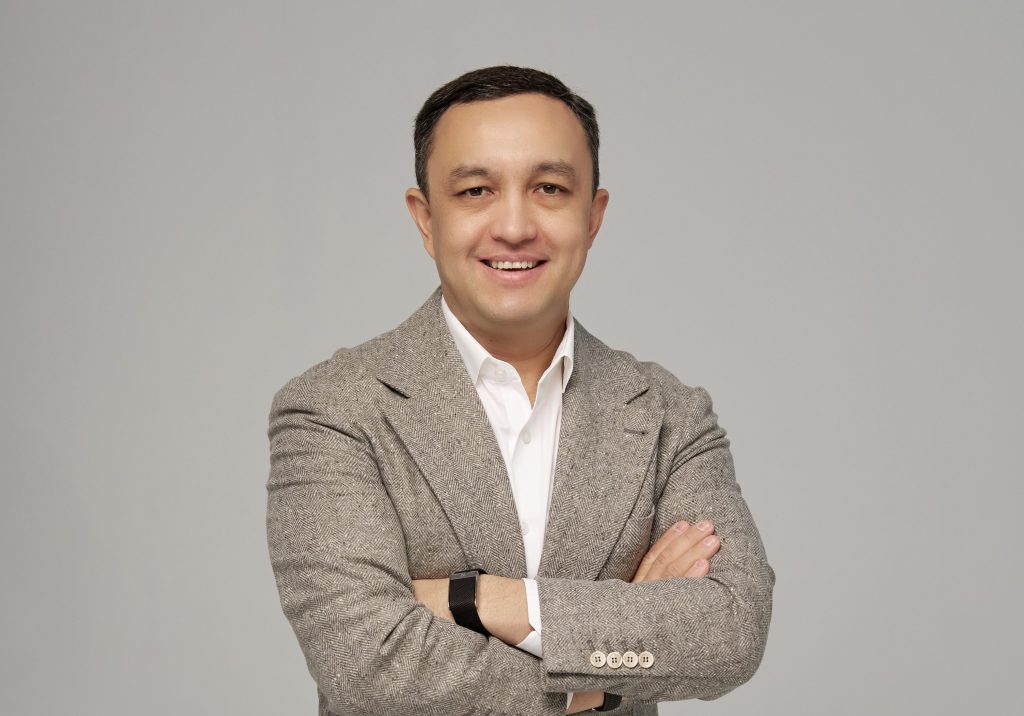
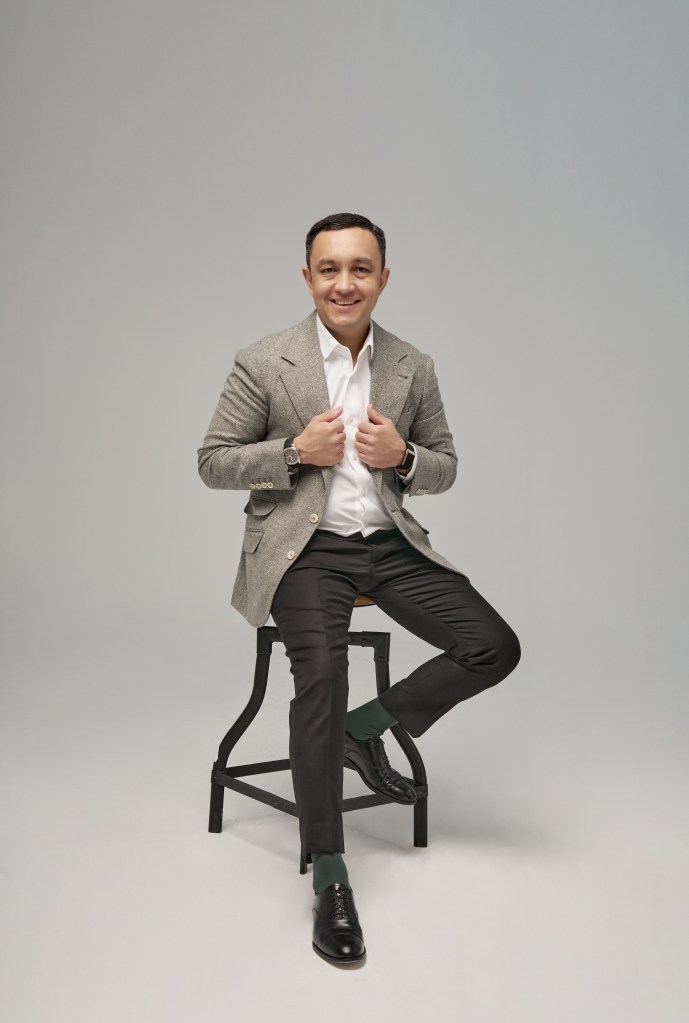
In one of the world’s most competitive real estate markets, Faruh Kurbanov, Founder of DIA Developments, is redefining what long-term value means in Dubai. With a strategist’s mindset shaped by finance and more than two decades in construction, he is building developments designed to endure – starting with the flagship project LuzOra on Dubai Islands.
Dubai has never lacked ambition. What it lacks and increasingly rewards are developers who look beyond momentum and focus instead on durability. For Faruh Kurbanov, real estate has never been about chasing cycles or headlines. It has always been about time.

“In real estate, long-term strategy matters more than short-term market momentum,” he says. “At its core, development is the management of capital, risk, and time.”
With more than 20 years of experience in construction, Kurbanov approaches development through the lens of a financial strategist. He views every project not simply as a building, but as a long-term capital decision – one that must remain relevant five, ten, or even twenty years into the future.
“I have always viewed development as more than construction,” he explains. “A financial mindset helps you resist chasing every opportunity and instead ask a more important question: is this decision sustainable five or ten years from now?”
This philosophy became the foundation of DIA Developments, a company created not in reaction to market cycles, but as a platform for disciplined, long-term decision-making. Rather than chasing trends, the company focuses on fundamentals – location logic, end-user demand, operational efficiency, and adaptability over time.
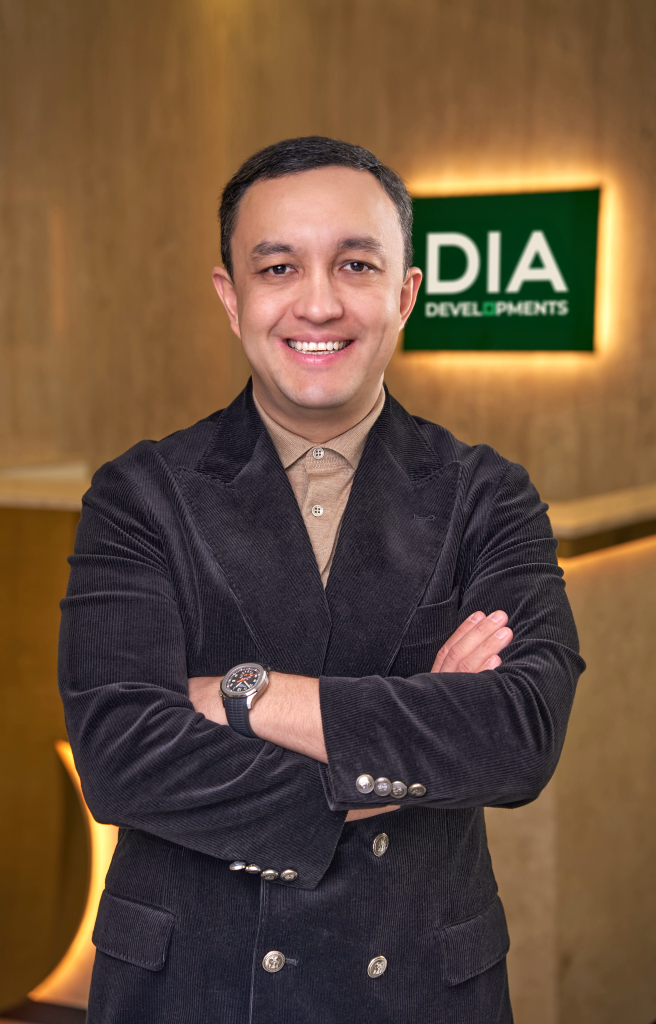
“It was not a single moment, but a gradual realization,” Kurbanov says of his shift from delivering individual projects to building a long-term brand. “Projects end, but reputation does not.”
For Kurbanov, influence in real estate comes not from volume alone, but from consistency. A brand, he believes, creates continuity and accountability that extends far beyond any single development.
“To influence market standards and the quality of the built environment, you need more than successful developments,” he says. “You need a brand with clear values, systems, and responsibility.”
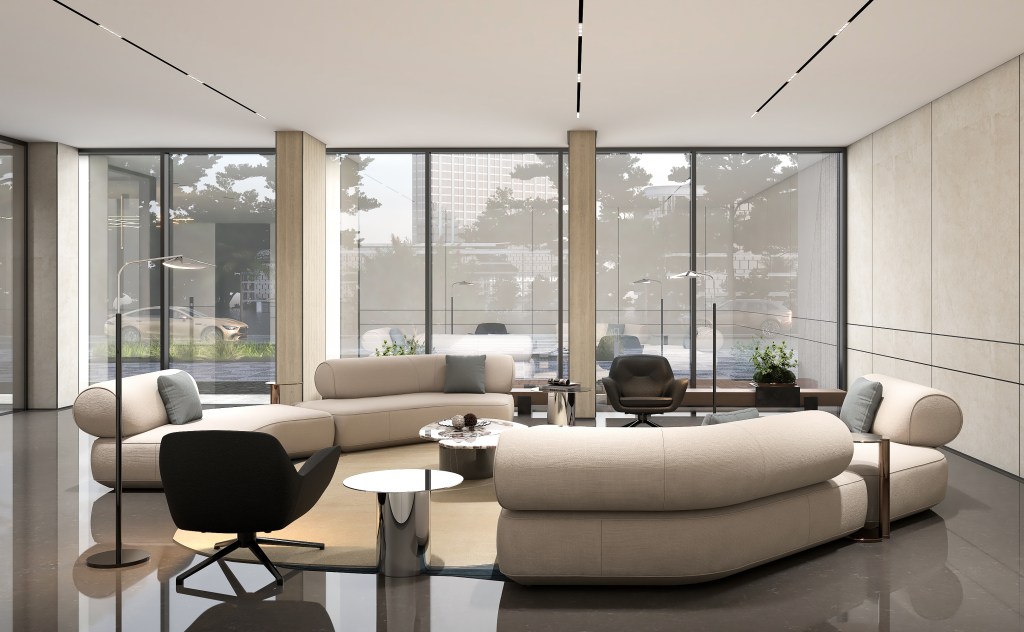
Despite its maturity and intense global competition, Kurbanov believes Dubai’s real estate market still presents enormous opportunity, particularly for developers willing to rethink conventional approaches.
“Some developers continue to prioritize speed of sales and visual impact,” he notes. “While this may work in the short term, it often lacks depth.”
Instead, DIA Developments begins with the end user, designing projects around how people actually live rather than how quickly units can be sold.
“We approached the market differently by starting with the end user,” Kurbanov explains. “Who will live here, how will they live, and why would they stay?”
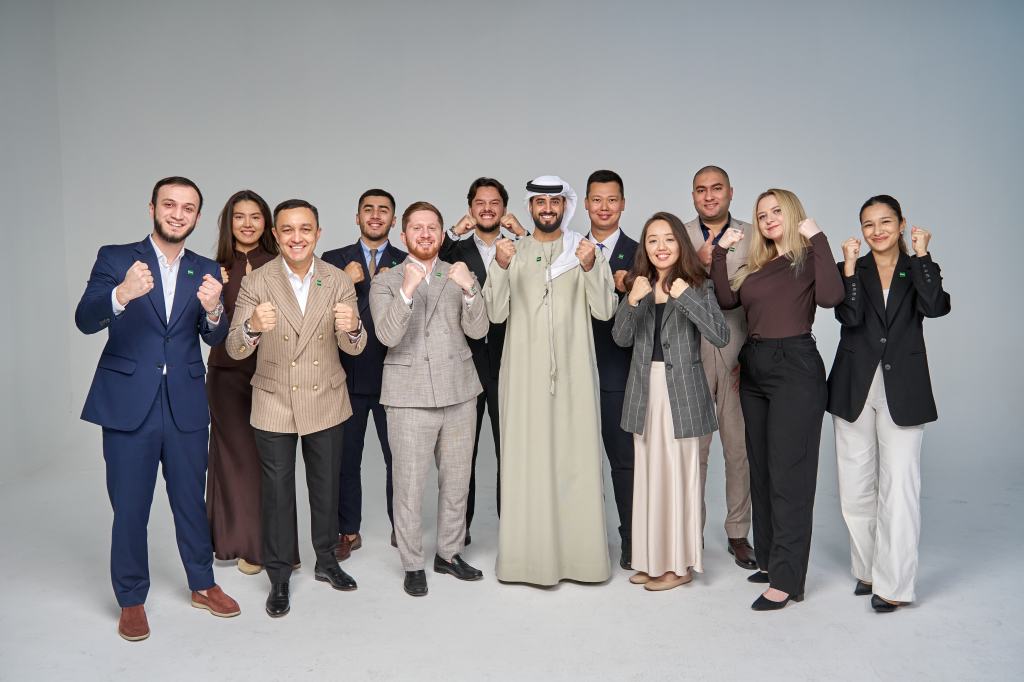
This human-centered approach is closely tied to Kurbanov’s guiding principle: “Live and benefit others.” It is not a slogan, he says, but a filter for decision-making, particularly when commercial pressure collides with long-term responsibility.
“For me, it is not a slogan. It is a decision-making filter,” he explains. “Sometimes it means sacrificing short-term profit to preserve trust and sustainability.”
In a city defined by ambition and scale, Kurbanov believes trust remains one of the most undervalued assets in real estate.
“Value created for people tends to return over time,” he says. “In real estate, trust is one of the most valuable assets a company can build.”
This perspective also shapes how DIA Developments engages with investors. While the company acknowledges the potential for strong returns, it prioritizes transparency, credibility, and long-term relationships over aggressive promises.
“High returns are possible, but only with proper management and realistic expectations,” Kurbanov says. “A returning investor is a stronger indicator of success than a single high-performing transaction.”
DIA Developments often speaks about creating ecosystems rather than standalone buildings – a distinction that reflects Kurbanov’s belief that true livability lies in the details.
“Livability is about eliminating constant compromise,” he explains. “It comes down to functional layouts, efficient logistics, and coherence between infrastructure, lifestyle, and daily movement.”
Many developments, he believes, fail not because of concept, but because of execution.
“An ecosystem works when every element supports the other, rather than simply coexisting.”
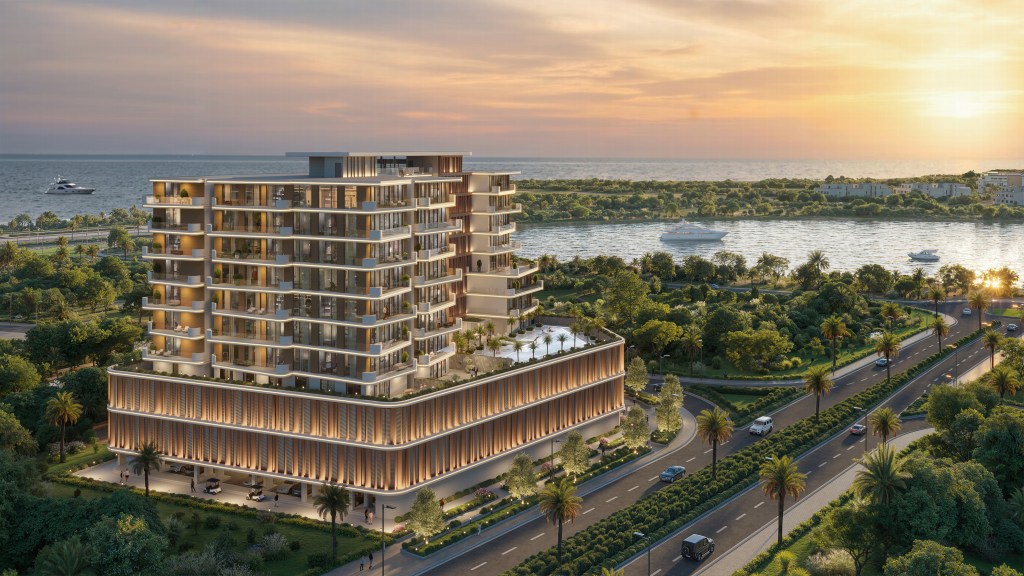
This philosophy is most clearly expressed in LuzOra, DIA Developments’ flagship project on the Dubai Islands. Before architecture or branding were introduced, the project began with a single insight: modern buyers no longer want to choose between lifestyle and investment.
“People no longer want to choose between lifestyle and investment,” Kurbanov says. “They expect both.”
Rather than forcing design to dictate behavior, the project was shaped around how residents actually live – how they work, host guests, and generate income. Architecture followed that logic, rather than leading it.
One of LuzOra’s most distinctive features is its flexible two-bedroom layout, which can be divided into two independent units, a response to changing lifestyles and evolving investment strategies.
“It came from observing real behavior,” Kurbanov explains. “Modern residents and investors value flexibility.”
This adaptability allows owners to adjust the space for different life stages, rental models, and income strategies, including short-term leasing, which can deliver yields of up to 14% when professionally managed.
“Functional adaptability has become more valuable than fixed layouts,” he adds.
LuzOra also reflects Kurbanov’s view of what “future living” truly means – not novelty, but resilience.
“Future living is adaptability,” he says. “Flexible spaces, energy efficiency, and technologies that remain relevant over time.”
While DIA Developments integrates smart systems, automation, and AI into planning and construction, Kurbanov remains pragmatic about technology’s role.
“Technology delivers value only when it solves concrete problems,” he says. “Timeline control, quality assurance, and risk forecasting. Everything else is largely marketing language.”
This disciplined approach enables the company to scale without compromising standards – a challenge many fast-growing developers face.
“Systems and discipline are what allow growth,” Kurbanov says. “If growth requires sacrificing quality, the pace is simply wrong. Scaling should reinforce a company’s DNA, not dilute it.”
Looking ten to twenty years ahead, Kurbanov’s ambitions remain grounded. He is less focused on volume and more concerned with responsibility, both as a developer and as a leader.
“I would like DIA Developments to be remembered as a company that built responsibly, thoughtfully, and with respect for people,” he says.
And personally, he hopes his legacy will be defined not only by what he built, but by how people lived within it.
“As someone who focused not just on delivering projects,” he reflects, “but on creating environments where people genuinely want to live, work, and grow.”
In one of the world’s most competitive real estate markets, Faruh Kurbanov, Founder of DIA Developments, is redefining what long-term value means in Dubai. With a strategist’s mindset shaped by finance and more than two decades in construction, he is building developments designed to endure – starting with the flagship project LuzOra on Dubai Islands.
Dubai has never lacked ambition. What it lacks and increasingly rewards are developers who look beyond momentum and focus instead on durability. For Faruh Kurbanov, real estate has never been about chasing cycles or headlines. It has always been about time.
“In real estate, long-term strategy matters more than short-term market momentum,” he says. “At its core, development is the management of capital, risk, and time.”

Entrepreneur Middle East Staff
Entrepreneur Staff