The Blue Frontier: How Dubai’s 2026 Waterfront Masterplans are Rewriting the Rules of Marine Luxury and Environmental Resilience
Today, the true mark of prestige in Dubai’s real estate market is the health of the water that laps against those private shores. The “Waterfront 2.0” movement is not merely a construction trend; it is a profound shift in how the emirate views its greatest natural asset: the Arabian Gulf.
You're reading Entrepreneur Middle East, an international franchise of Entrepreneur Media.
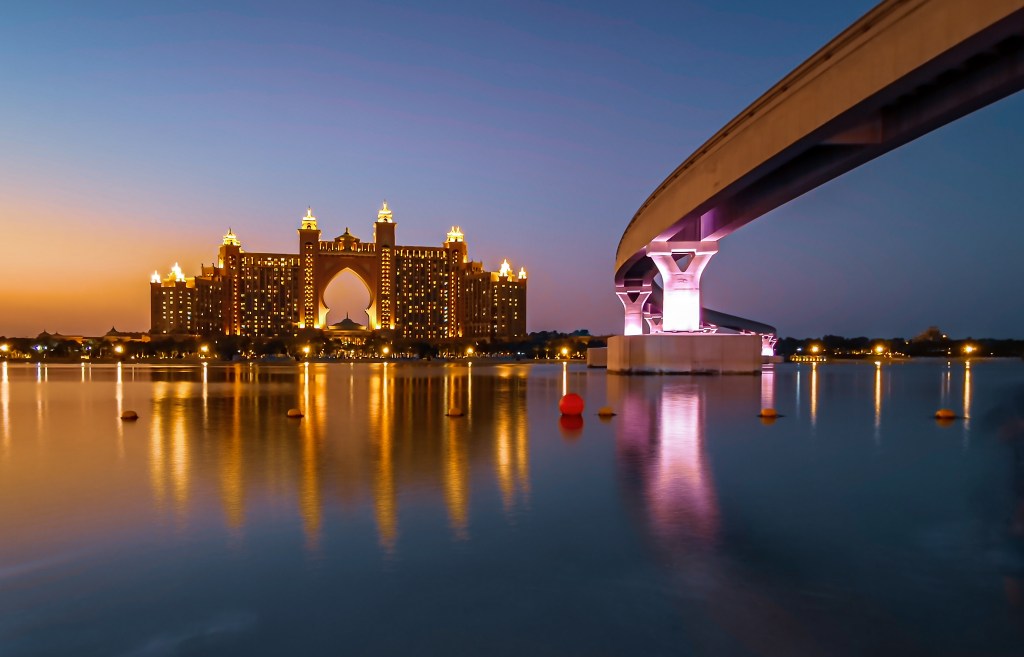
In a city defined by its relationship with the horizon, the next evolution of Dubai’s coastline is moving beyond the simple reclamation of land to a sophisticated era of ecological restoration, where projects like the Dubai Reefs and the revitalized Palm Jebel Ali are proving that ultra-high-net worth investment and marine biodiversity are no longer mutually exclusive.
The salt-scented air along the Dubai coastline in 2026 carries a different weight than it did a decade ago. It is no longer just the scent of ambition and imported sand; it is the smell of a living, breathing ecosystem that is being meticulously engineered to survive and thrive. As the city matures, its definition of luxury has undergone a radical transformation. We have moved past the era where a private beach was the ultimate status symbol. Today, the true mark of prestige in Dubai’s real estate market is the health of the water that laps against those private shores. The “Waterfront 2.0” movement is not merely a construction trend; it is a profound shift in how the emirate views its greatest natural asset: the Arabian Gulf. At the heart of this shift lies a bold realization that for coastal real estate to maintain its astronomical value in a changing global climate, it must become a participant in the environment rather than an intruder upon it. This is most evident in the sprawling, ambitious vision of the Dubai Reefs project and the ecological frameworks now underpinning the massive relaunch of Palm Jebel Ali and the Dubai Islands.
To understand the scale of this change, one must look beneath the surface of the turquoise water. For years, the narrative of Dubai’s coastal development was one of displacement—moving earth to create iconic shapes. However, the projects coming to fruition in 2026 are focused on replacement and enhancement. The Dubai Reefs initiative, now a global benchmark for marine architecture, has successfully integrated millions of cubic meters of artificial reef structures into the foundations of new residential clusters.
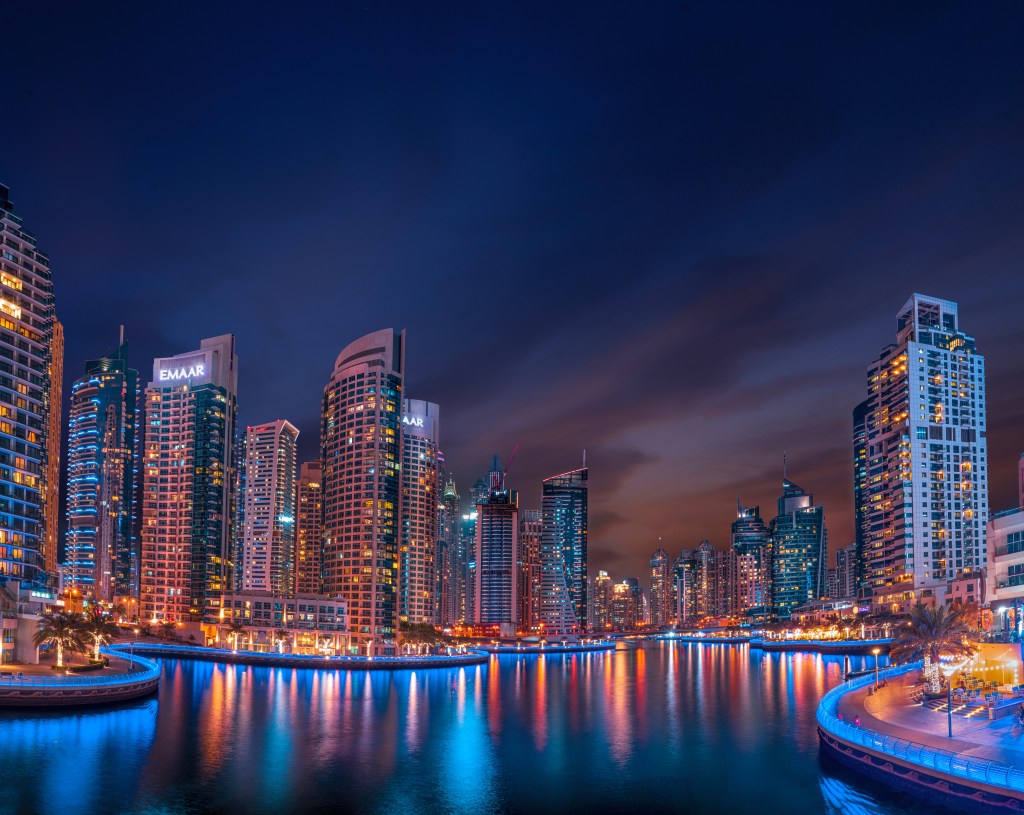
These are not merely concrete blocks dropped into the sea; they are 3D-printed, chemically optimized habitats designed to mimic the natural calcification of coral. For the investor purchasing a villa on the newly shaped fronds of the Dubai Islands, the “amenity” isn’t just a infinity pool—it is a thriving underwater forest that acts as a natural carbon sink and a nursery for local marine life. This biophilic approach to the ocean provides a dual benefit: it creates a world-class diving and snorkeling environment for residents while simultaneously providing a massive, natural wave-breaker that protects the shoreline from erosion and rising sea levels.
The economic logic driving this ecological pivot is as clear as the water in a controlled lagoon. Global capital is increasingly tied to ESG (Environmental, Social, and Governance) criteria, and Dubai’s developers have recognized that the next generation of billionaire buyers is looking for more than gold-plated faucets. They are looking for legacy. They want to know that their home contributes to the planetary good. This has led to a surge in “Blue PropTech,” where real-time sensors are embedded in the seabed of residential canals to monitor water quality, salinity, and biodiversity. These metrics are then displayed on home management systems, allowing residents to see the tangible impact of their community’s conservation efforts. It is a far cry from the passive luxury of the past. Now, the value of a property is intrinsically linked to the “Bio-Score” of its surrounding waters. High-end developments are now competing on their ability to attract whale sharks or regenerate seagrass meadows, turning the coastline into a series of interconnected marine sanctuaries that double as the world’s most exclusive neighborhoods.
Nowhere is this more visible than on the resurrected Palm Jebel Ali. Long a symbol of a previous era’s paused dreams, its 2026 incarnation is a masterpiece of sustainable engineering. The fronds are no longer just platforms for mansions; they are designed with “smart flushing” technology, utilizing the natural tides and sophisticated underwater gates to ensure constant water circulation, preventing the stagnation that plagued earlier reclamation projects. The landscaping on these islands has moved away from water-intensive exotic plants toward halophytic (salttolerant) vegetation that can be irrigated with recycled greywater. This creates a unique aesthetic—a lush, rugged, and authentically Arabian coastal fringe that feels more integrated into the Gulf’s natural beauty than the manicured lawns of yesteryear. It is a “wild luxury” that resonates with a global clientele tired of the cookie-cutter opulence found in Mediterranean or Caribbean hubs.
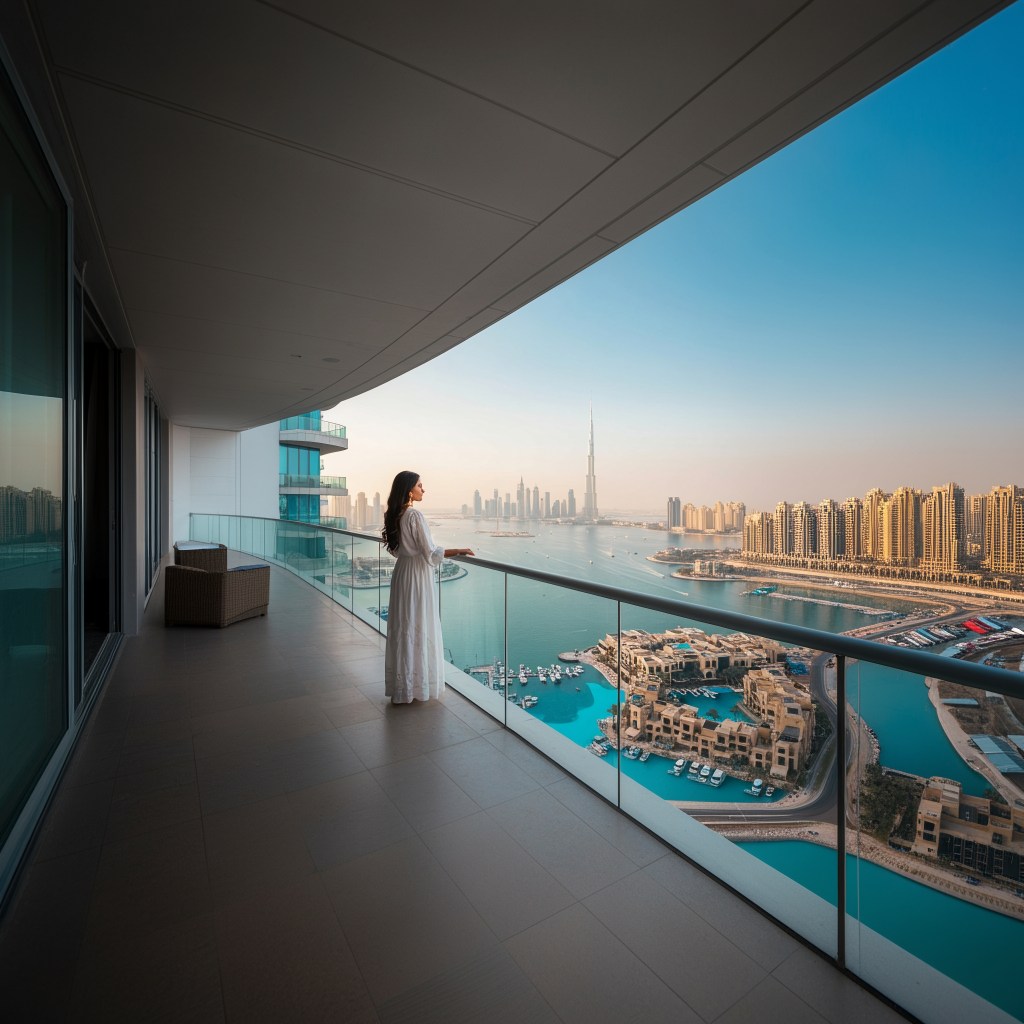
The social implications of this new waterfront are equally significant. As Dubai continues to position itself as a hub for the “People of Downtown” and the creative class, the coastline is becoming a laboratory for sustainable living. The integration of solar-powered water taxis and hydrogen-fueled marina shuttles has reduced the carbon footprint of coastal transport to near zero. Floating villas, once a futuristic concept, are now a permanent fixture of the Dubai Islands, equipped with self-contained waste-to-energy systems and cooling loops that use the deep, cold water of the Gulf to regulate indoor temperatures. These structures do not just sit on the water; they interact with it, utilizing the thermal mass of the ocean to achieve energy efficiency levels that were previously thought impossible in the heat of the Middle East. It is a testament to the city’s ability to turn environmental challenges into architectural breakthroughs.
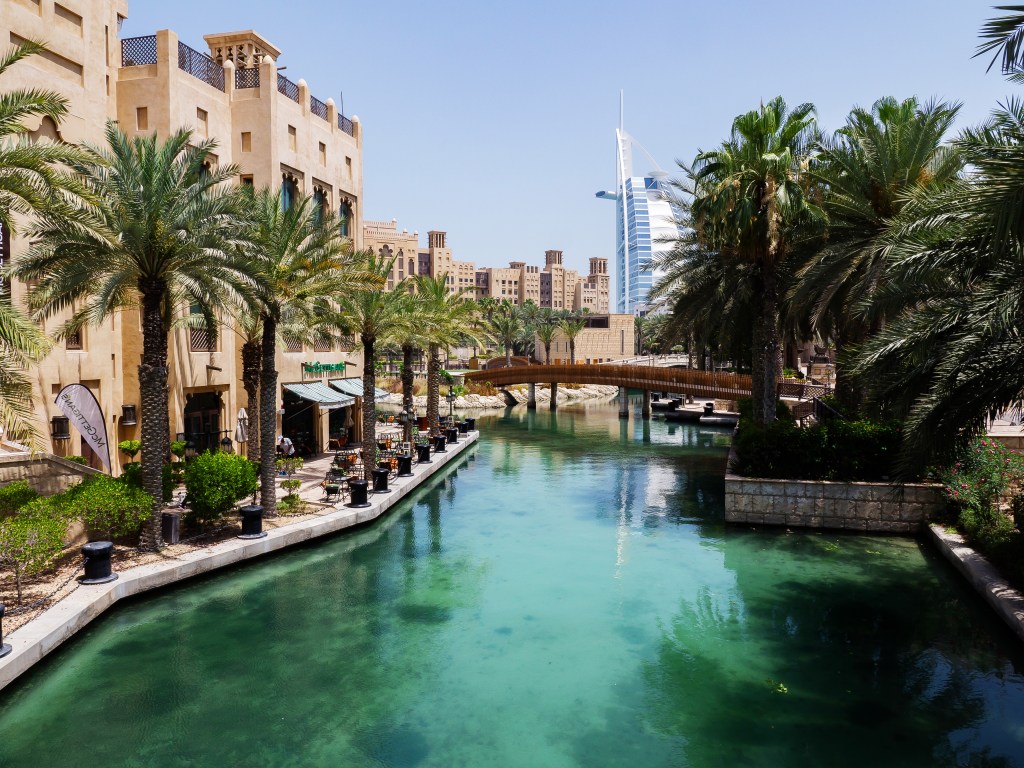
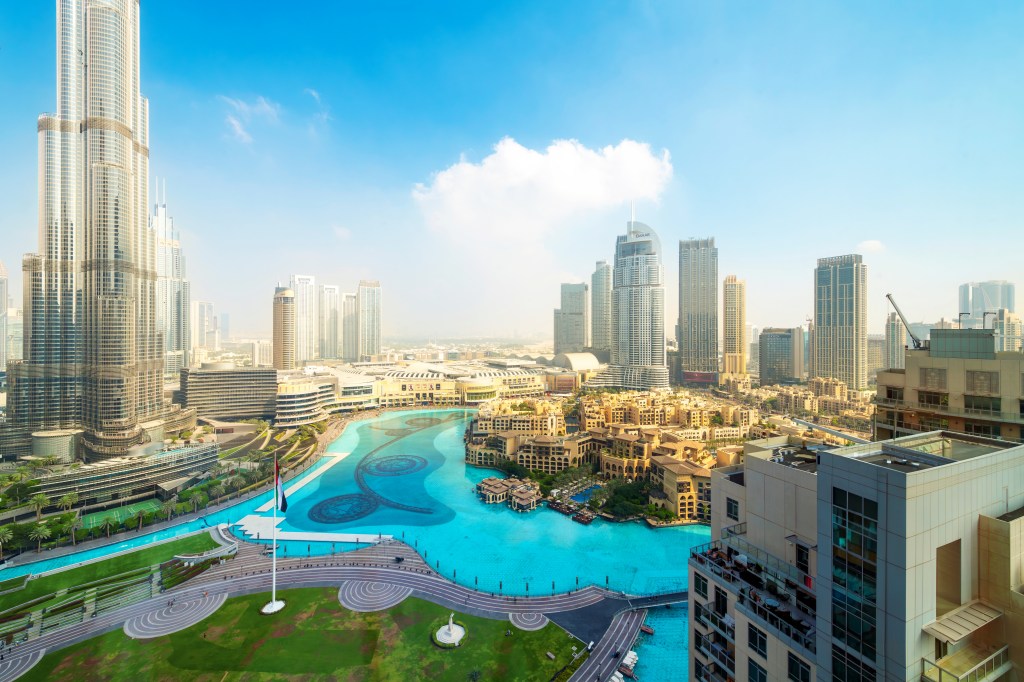
As we look toward the end of the decade, the success of Dubai’s “Marine Regeneration” will likely be measured by more than just square footage or sales figures. It will be measured by the return of the hawksbill turtle to the beaches of the Palm and the clarity of the water in the Dubai Canal. For the news platforms and magazines documenting this transition, the story is no longer about how much sand was moved, but about how much life was invited back. The real estate market has realized that in a desert climate, water is the ultimate luxury, and protecting that water is the ultimate investment. The 2026 waterfront is a vibrant, living shield for the city—a place where the line between the built environment and the natural world has finally, elegantly, begun to blur. By prioritizing the “Blue Economy,” Dubai is not just building homes; it is securing its future as the world’s premier coastal sanctuary, proving that the most sustainable way to build on the water is to build for the water.
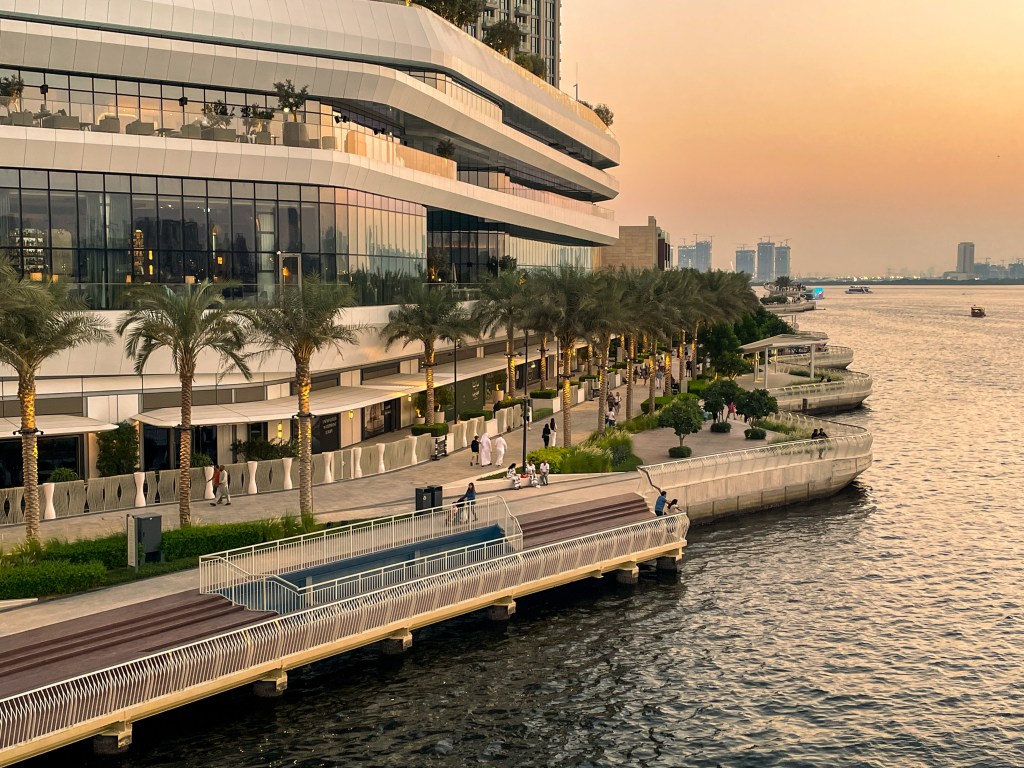
This evolution also impacts the cultural identity of the city. For the “Brits in Dubai” and the international community that calls this coastline home, the focus on marine health has fostered a new sense of stewardship. Community-led reef monitoring programs and beach restoration galas have replaced standard social mixers. There is a collective pride in the fact that the view from a balcony in Downtown or on the Palm is looking out over a success story of human ingenuity and environmental respect. The real estate of 2026 is a statement of intent—it says that Dubai is ready to lead the world in coastal resilience. As the sun sets over the Dubai Reefs, reflecting off the glass of a zero-carbon tower, it is clear that the city has found its true North. It is a future that is deep, sustainable, and undeniably blue, where the value of a home is measured by the life it sustains beneath the waves as much as the life it hosts above them.
In a city defined by its relationship with the horizon, the next evolution of Dubai’s coastline is moving beyond the simple reclamation of land to a sophisticated era of ecological restoration, where projects like the Dubai Reefs and the revitalized Palm Jebel Ali are proving that ultra-high-net worth investment and marine biodiversity are no longer mutually exclusive.
The salt-scented air along the Dubai coastline in 2026 carries a different weight than it did a decade ago. It is no longer just the scent of ambition and imported sand; it is the smell of a living, breathing ecosystem that is being meticulously engineered to survive and thrive. As the city matures, its definition of luxury has undergone a radical transformation. We have moved past the era where a private beach was the ultimate status symbol. Today, the true mark of prestige in Dubai’s real estate market is the health of the water that laps against those private shores. The “Waterfront 2.0” movement is not merely a construction trend; it is a profound shift in how the emirate views its greatest natural asset: the Arabian Gulf. At the heart of this shift lies a bold realization that for coastal real estate to maintain its astronomical value in a changing global climate, it must become a participant in the environment rather than an intruder upon it. This is most evident in the sprawling, ambitious vision of the Dubai Reefs project and the ecological frameworks now underpinning the massive relaunch of Palm Jebel Ali and the Dubai Islands.
To understand the scale of this change, one must look beneath the surface of the turquoise water. For years, the narrative of Dubai’s coastal development was one of displacement—moving earth to create iconic shapes. However, the projects coming to fruition in 2026 are focused on replacement and enhancement. The Dubai Reefs initiative, now a global benchmark for marine architecture, has successfully integrated millions of cubic meters of artificial reef structures into the foundations of new residential clusters.

Entrepreneur Middle East Staff
Entrepreneur Staff