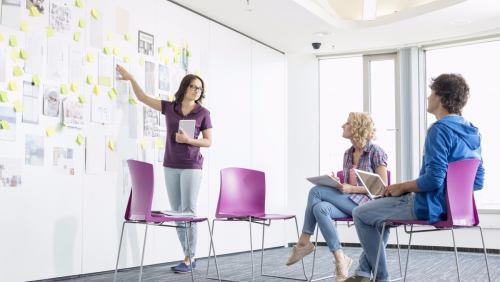
There's a reason why there has been a trend of more companies referring to themselves as teams, as opposed to differentiating employees from executives or the founders.
Most employees want and need is a "feel good" space, conducive to focus, self-expression, privacy, collaboration, productivity, good health, and lifestyle convenience.
From a design perspective, we know as designers and architects that there are indeed many aesthetic and practical elements that have a direct impact on the mood, mindset and wellbeing of an individual or team.
There has been a monumental shift towards nurturing this thing called culture, but what is it, why is it important, and what are some of the ways you can work towards it?
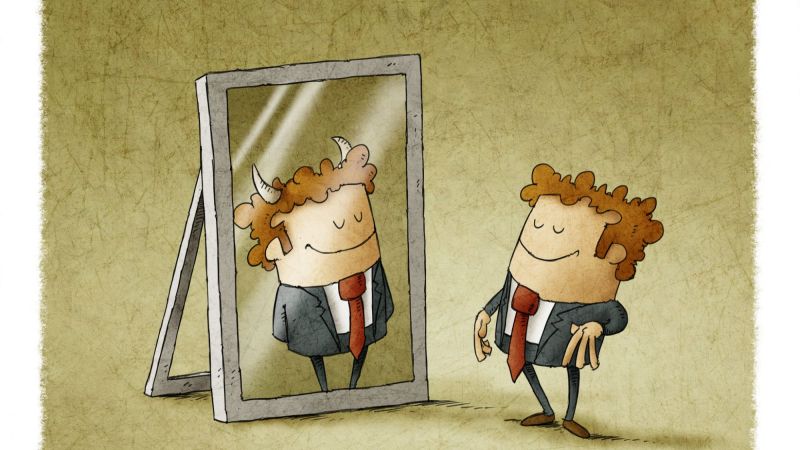
Executives' emerging ideas are self-stimulating and often "fall between two stools": should such ideas be shared with colleagues in the interest of better progress or should they be kept secret to enhance personal glory?
Goals such as increasing sales, reducing staff turnover, or cutting costs should always be underpinned by the driving purpose of your business– which management should take the time to properly define.
Paying attention to others will not only help you understand their point of view, but it also the key to developing relationships that are based on trust.
In an increasingly globalized environment with companies wondering how to make diversity work and redefining its actual meaning on a yearly basis, creating a setting that encompasses diversity and harmony is far from easy.