Why Madrid Is the New Crown Jewel of Global Real Estate
As international capital pivots away from traditional hubs, the Spanish capital is stepping into a transformative era of prestige.
You're reading Entrepreneur Middle East, an international franchise of Entrepreneur Media.
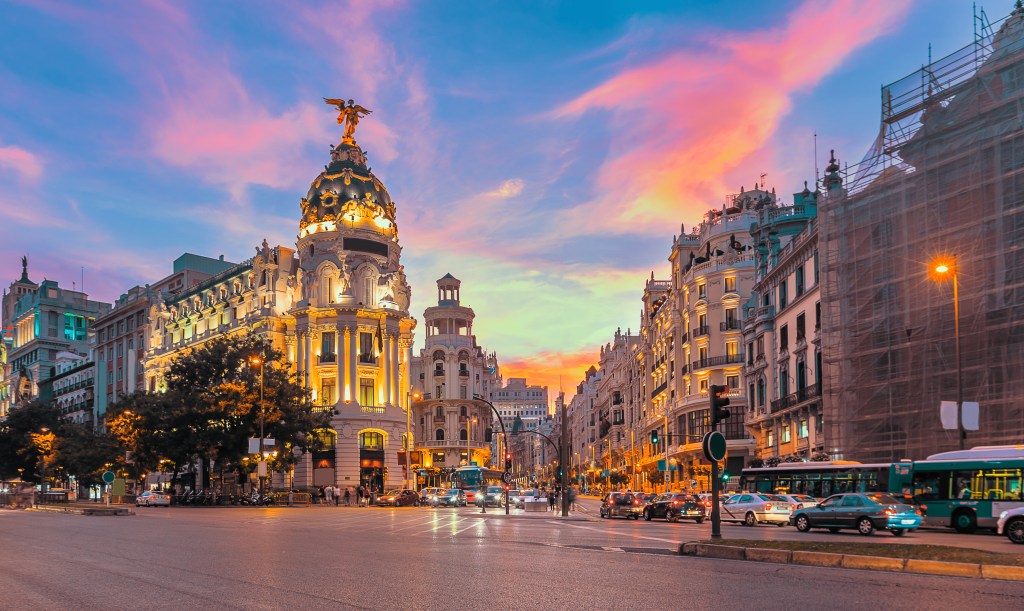
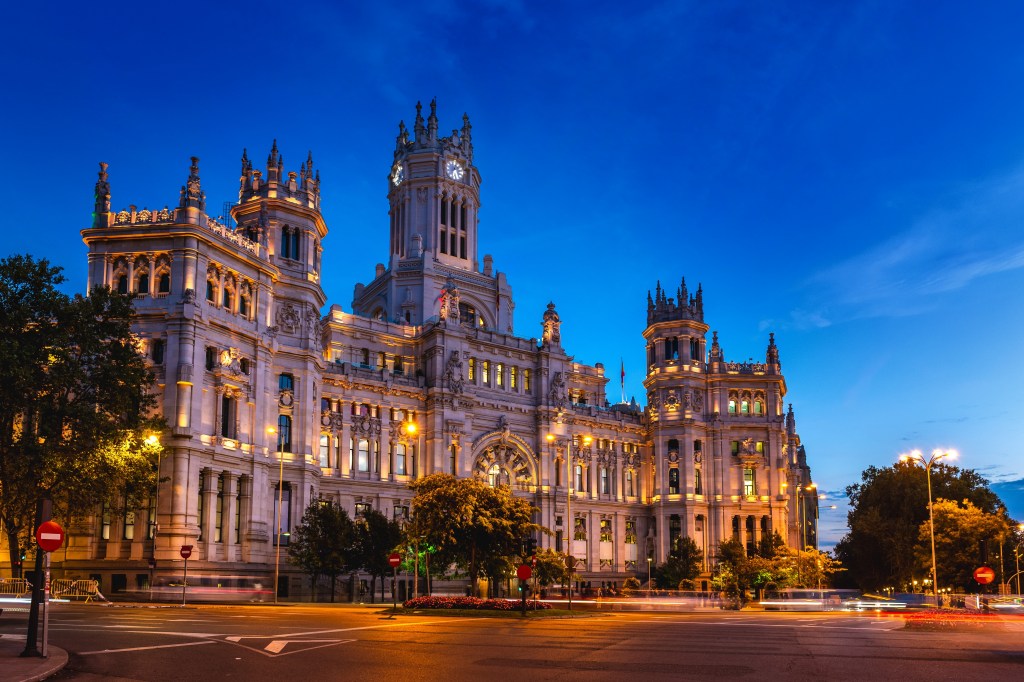
The rise of the Madrid real estate market is not merely a localized phenomenon or a post-pandemic recovery story; it is the unfolding of a new chapter in European urban history, one where the Spanish capital is finally stepping into its role as a global titan of lifestyle and investment. For decades, Madrid was the sophisticated, slightly reserved cousin to the more flamboyant Barcelona or the hyper-financialized hubs of London and Paris. It was a city of deep history, quiet wealth, and an almost defiant commitment to a specific pace of life. However, over the last few years, a transformative energy has taken hold of the city, turning its golden-hued streets into some of the most sought after residential and commercial terrain on the planet. This surge is fueled by a perfect storm of factors: a massive influx of international capital, a revolutionary urban expansion project in the north, and a lifestyle “premium” that few other cities can replicate. As we look at the skyline today, dotted with cranes and modern glass structures that sit harmoniously alongside nineteenth century balconies, it is clear that Madrid is experiencing a renaissance that is as much about modern ambition as it is about historic preservation.
The catalyst for this shift can be traced to a fundamental change in how global investors perceive value. In an era of high inflation and volatile markets, the tangible security of brick and mortar in a stable, pro-business European capital has become the ultimate safe haven. Madrid offers a unique proposition: a luxury discount compared to other tier-one cities, paired with an infrastructure that is arguably superior to many of its peers. The city’s Metro system is world-class, its Barajas Airport is a major gateway to both the Americas and the rest of Europe, and its high-speed rail network makes the entire Iberian Peninsula accessible in a matter of hours. When you combine this connectivity with a legal framework that encourages foreign investment, it is no surprise that the world’s ultra-high-net-worth individuals are shifting their portfolios toward the prestigious 28001 zip code. This isn’t just a trend of the wealthy buying second homes; it is a structural migration of capital that is redefining the city’s economic DNA.
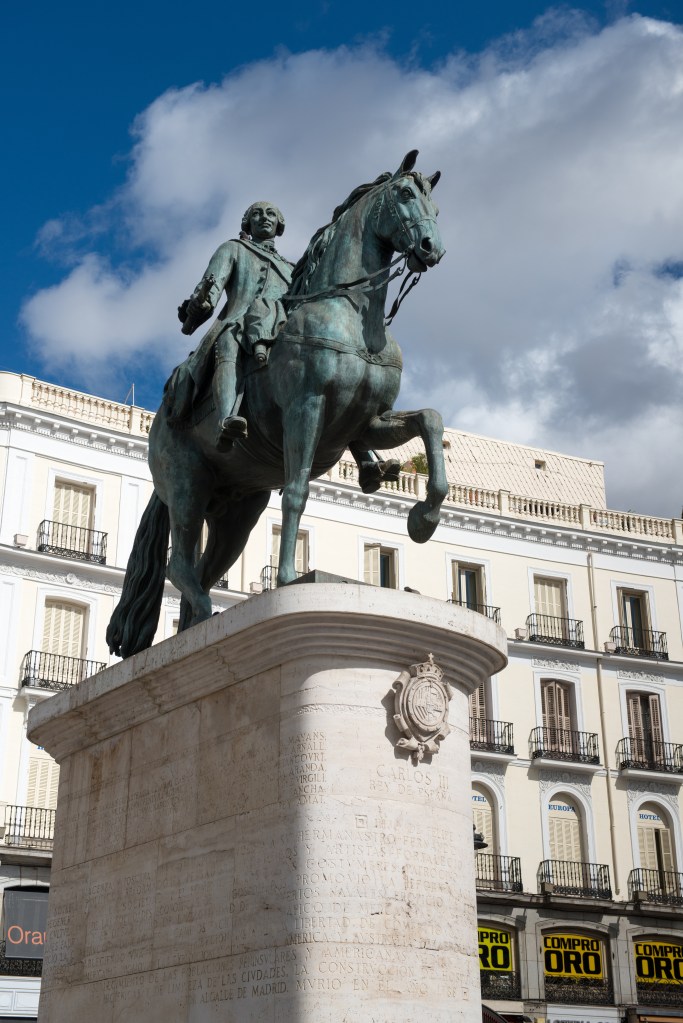
Central to this narrative is the “Miami of Europe” phenomenon. Madrid has become the primary destination for the Latin American elite, who see the city not just as a financial refuge but as a cultural home. From Mexico to Venezuela and Colombia, investors are pouring billions into the Salamanca and Jerónimos districts. These buyers have brought with them a demand for a level of service and amenity that was previously rare in the Spanish capital. We are seeing a surge in branded residences—apartments associated with luxury hotel chains that offer 24-hour concierge services, rooftop infinity pools, and private gyms. The opening of the Four Seasons Private Residences near Puerta del Sol was a watershed moment, setting a new price ceiling for the city and signaling to other luxury brands that Madrid was ready for the pinnacle of the market. This has sparked a halo effect across the surrounding neighborhoods, where derelict historic buildings are being meticulously restored to their former glory, fitted with state-of-the-art sustainable technology, and sold to a global audience before the scaffolding even comes down.
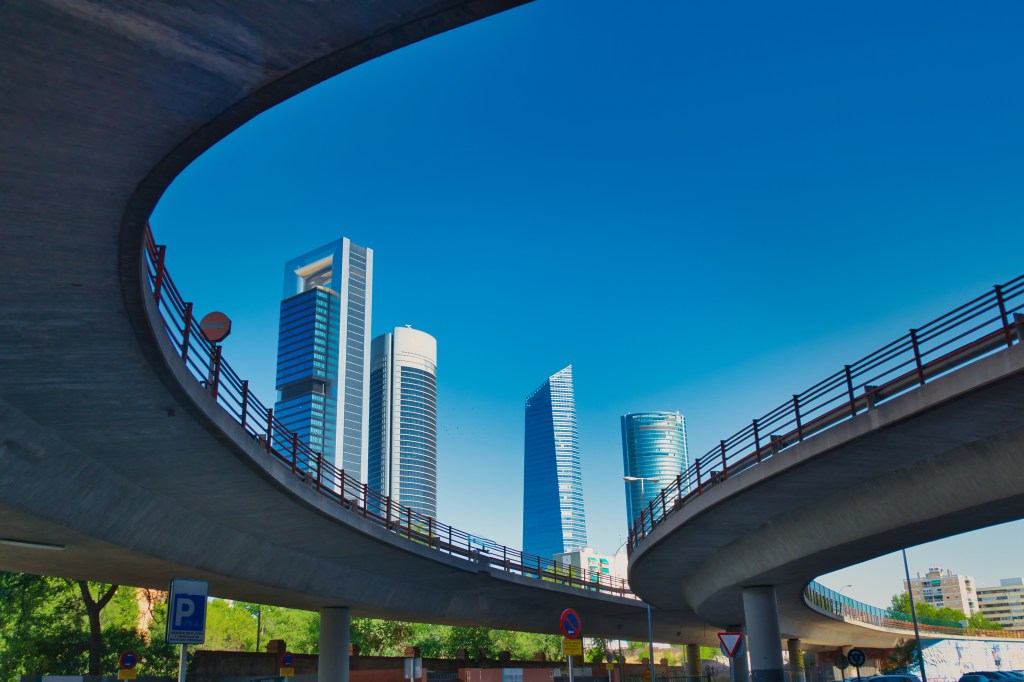
However, the rise of Madrid is not limited to the polished cobblestones of the city center. To understand the true scale of Madrid’s ambition, one must look toward the north, where Madrid Nuevo Norte is currently reshaping the city’s future. This is the largest urban regeneration project in Europe, a colossal undertaking that will transform over two million square meters of land. It is a visionary city within a city that aims to solve the perennial urban challenge of balancing growth with sustainability. By extending the Castellana—Madrid’s main north-south artery—the project will create a hyper-modern business district designed to compete with London’s Canary Wharf or Paris’s La Défense. With hundreds of thousands of square meters dedicated to green space and a brand-new high-speed rail hub at Chamartín, Madrid Nuevo Norte is the engine that will drive the city’s economy for the next thirty years. It represents a shift from a service-based economy to one centered on innovation, tech, and international finance, ensuring that the demand for high-quality housing will only continue to grow.
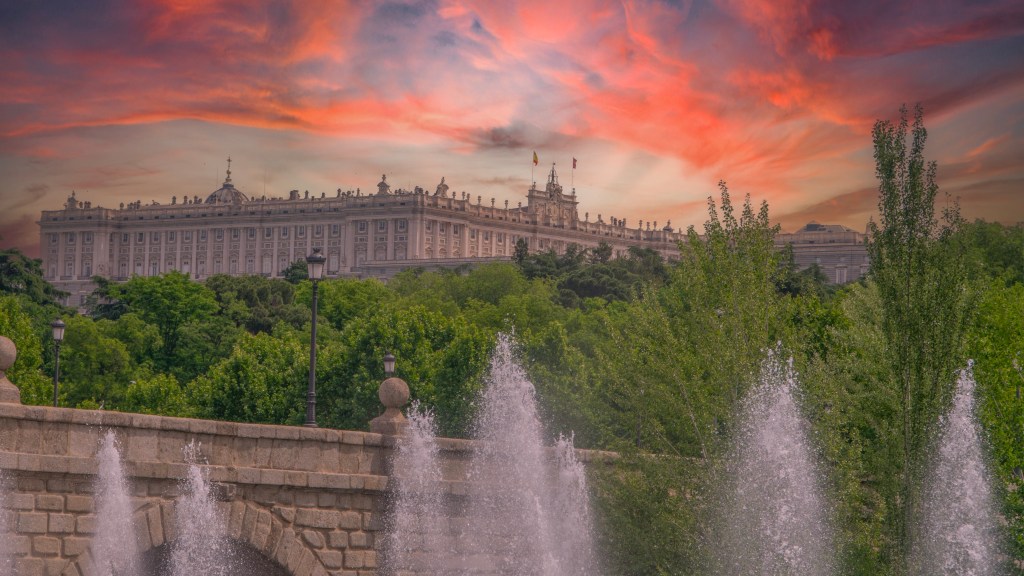
What truly cements Madrid’s position as a rising star is the lifestyle dividend. In a world where the lines between work and leisure have blurred, Madrid offers a quality of life that is increasingly difficult to find in other global capitals. The city is a masterpiece of 15-minute urbanism, where world-class dining, elite shopping, and iconic parks like El Retiro are all within walking distance. The culinary scene is currently enjoying a golden age, with a new generation of chefs reinventing Spanish tradition and attracting foodies from every corner of the globe. This cultural vibrancy creates a stickiness for residents; people come for the investment, but they stay for the spirit of the city.
There is a palpable sense of safety and community in Madrid that is rare for a city of its size. Parents feel comfortable with their children in the parks until late in the evening, and the social life of the city— revolving around the eternal terrazas—provides a social fabric that is both welcoming and energizing.
From an environmental perspective, Madrid is also positioning itself as a leader in green urbanism. The Bosque Metropolitano (Metropolitan Forest) project, a 75-kilometer green belt consisting of nearly half a million trees, is designed to encircle the city, mitigating the heat-island effect and improving air quality. Developers are following suit, with new residential projects prioritizing LEED and BREEAM certifications, floor-to-ceiling windows for natural light, and vertical gardens. This commitment to sustainability is not just a moral choice; it is a savvy business move. Modern investors, particularly the younger generation, are looking for assets that align with their values, and Madrid is delivering a green luxury that is both aesthetically stunning and environmentally responsible. This focus on the “well-building” standard is attracting a new demographic of health-conscious, affluent residents who view their home as a sanctuary of wellness.
Furthermore, the regional government’s fiscal policies have played a crucial role in this ascent. With significant tax reductions for new residents and a focus on cutting red tape for property development, Madrid has created an environment where capital feels welcomed rather than penalized. This pro-growth stance has attracted not only individual investors but also major multinational corporations, who are relocating their headquarters to the Spanish capital to take advantage of the lower cost of living for their employees and the high-quality talent pool produced by Spain’s elite business schools. This influx of corporate talent creates a robust rental market, providing investors with reliable yields in addition to capital appreciation. The synergy between government policy and private enterprise has created a cycle of reinvestment that is visible in every newly paved street and refurbished facade.
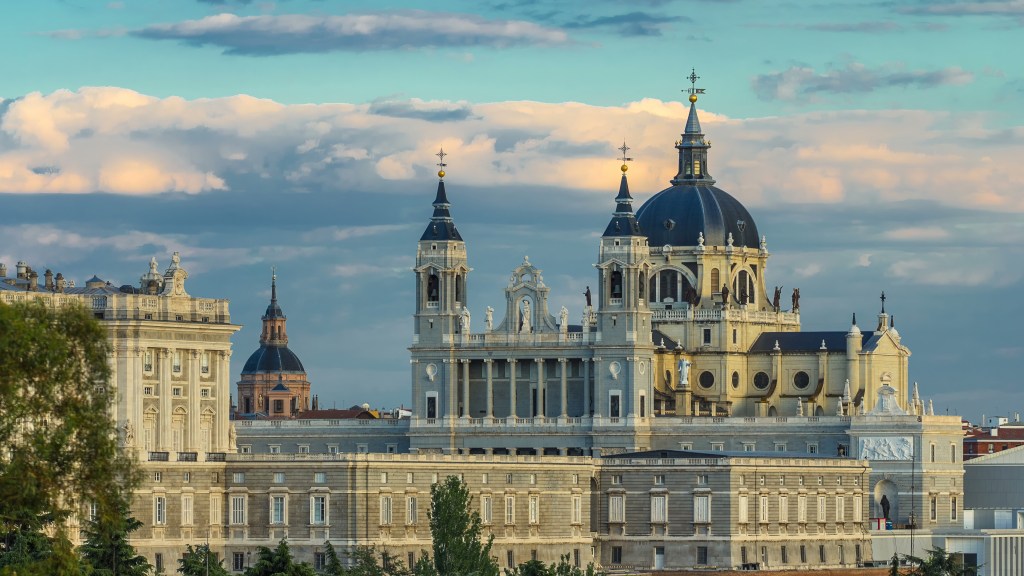
As we look toward the future, the momentum appears unstoppable. The Madrid brand is stronger than it has ever been. It is a city that has managed to modernize without losing its soul, a place where you can find a cutting-edge tech startup operating out of a 200-year-old building. The rise of real estate in Madrid is a testament to the city’s resilience, its openness to the world, and its unwavering belief in its own potential. For those who have already invested, the rewards are visible in the shifting skyline and the bustling plazas. For those still watching from the sidelines, the message is clear: the sun is rising on a new era for Madrid, and the opportunities are as vast and bright as a Castilian summer day. This is no longer a hidden gem; it is the new crown jewel of the European property market, a city that has mastered the art of living well and investing wisely. With its unique ability to fuse the grandeur of the past with the innovation of the future, Madrid isn’t just growing—it’s arriving.
The rise of the Madrid real estate market is not merely a localized phenomenon or a post-pandemic recovery story; it is the unfolding of a new chapter in European urban history, one where the Spanish capital is finally stepping into its role as a global titan of lifestyle and investment. For decades, Madrid was the sophisticated, slightly reserved cousin to the more flamboyant Barcelona or the hyper-financialized hubs of London and Paris. It was a city of deep history, quiet wealth, and an almost defiant commitment to a specific pace of life. However, over the last few years, a transformative energy has taken hold of the city, turning its golden-hued streets into some of the most sought after residential and commercial terrain on the planet. This surge is fueled by a perfect storm of factors: a massive influx of international capital, a revolutionary urban expansion project in the north, and a lifestyle “premium” that few other cities can replicate. As we look at the skyline today, dotted with cranes and modern glass structures that sit harmoniously alongside nineteenth century balconies, it is clear that Madrid is experiencing a renaissance that is as much about modern ambition as it is about historic preservation.
The catalyst for this shift can be traced to a fundamental change in how global investors perceive value. In an era of high inflation and volatile markets, the tangible security of brick and mortar in a stable, pro-business European capital has become the ultimate safe haven. Madrid offers a unique proposition: a luxury discount compared to other tier-one cities, paired with an infrastructure that is arguably superior to many of its peers. The city’s Metro system is world-class, its Barajas Airport is a major gateway to both the Americas and the rest of Europe, and its high-speed rail network makes the entire Iberian Peninsula accessible in a matter of hours. When you combine this connectivity with a legal framework that encourages foreign investment, it is no surprise that the world’s ultra-high-net-worth individuals are shifting their portfolios toward the prestigious 28001 zip code. This isn’t just a trend of the wealthy buying second homes; it is a structural migration of capital that is redefining the city’s economic DNA.
Central to this narrative is the “Miami of Europe” phenomenon. Madrid has become the primary destination for the Latin American elite, who see the city not just as a financial refuge but as a cultural home. From Mexico to Venezuela and Colombia, investors are pouring billions into the Salamanca and Jerónimos districts. These buyers have brought with them a demand for a level of service and amenity that was previously rare in the Spanish capital. We are seeing a surge in branded residences—apartments associated with luxury hotel chains that offer 24-hour concierge services, rooftop infinity pools, and private gyms. The opening of the Four Seasons Private Residences near Puerta del Sol was a watershed moment, setting a new price ceiling for the city and signaling to other luxury brands that Madrid was ready for the pinnacle of the market. This has sparked a halo effect across the surrounding neighborhoods, where derelict historic buildings are being meticulously restored to their former glory, fitted with state-of-the-art sustainable technology, and sold to a global audience before the scaffolding even comes down.

Entrepreneur Middle East Staff
Entrepreneur Staff