Beyond the Quota: The Next Chapter in the Emiratization Journey (and and What It Means for UAE Business Leaders)
As Emiratization requirements become more stringent, how can employers balance compliance with meaningful talent development, fair hiring practices, and inclusive workplaces? Six UAE-based industry leaders and HR experts share their insights.
You're reading Entrepreneur Middle East, an international franchise of Entrepreneur Media.

The term ‘Emiratization’ may have become commonplace in the UAE’s business vernacular over the past half decade—particularly after the national workforce policy was made mandatory in 2022—but not everyone might know that the concept itself was introduced back in the 1990s, when the country saw a rising influx of expatriate workers. Today, with the non-Emirati population in the UAE accounting for approximately 88.5% of the nation (as per multiple 2026 studies), the Emiratization movement holds added gravitas. But for a country that has placed skilled workforces at the heart of its innovation and growth policies, Emiratization deserves to be viewed as more than just a regulatory quota to be ticked off on paper.
In early May 2026, the UAE’s Ministry of Human Resources and Emiratization (MoHRE) announced that private sector companies with 50 or more employees must meet their first-half 2026 Emiratization target by June 30, 2026. This required a 1% increase in the number of Emiratis in skilled roles by mid-year, with another 1% increase to be achieved by December 2026 – a move that aims to bring the overall Emiratization growth rate to 2% by the end of the year.
One company that has aligned its operations to look beyond these numbers is TASC Outsourcing, a UAE-based staffing and recruitment agency that has been operational for nearly two decades. In May 2025, TASC Outsourcing partnered with MoHRE to publish the third edition of its Making Emiratization a Success guidebook, providing data-driven insights to help businesses strengthen Emirati talent retention and workforce planning.
“When we published the guidebook last year, 131,833 UAE Nationals were employed in the private sector,” says Mahesh Shahdadpuri, Group Chairman at TASC Outsourcing. “That number told us the policy was working. What the number didn’t tell us was whether those people were thriving, growing, and staying. That question has occupied my thinking ever since. Successful Emiratization, as I see it today, is measured in retention and progression. Any organization can hire to meet a deadline. The harder and more meaningful work is building an environment where an Emirati employee looks up two years later and sees a future worth staying for.”

Shahdadpuri adds that a number of non-tangible factors too have to be addressed when measuring the success of Emiratization. “Our 2025 data showed that satisfaction levels among UAE nationals had declined year on year,” he reveals. “That was a signal the market needed to take seriously, and I believe the organizations paying attention to that signal are the ones quietly pulling ahead. The businesses getting this right are treating their Emirati workforce the way they treat their highest-potential talent globally.”
Mirroring Shahdadpuri’s sentiments is Khadija Alhirey, Human Resources (HR) Director at UAE-based integrated facilities management provider Emrill. Having taken on the role in April 2026, with a key focus on advancing Emiratization across the business and strengthening local talent development, Alhirey is widely aware of the repercussions of approaching Emiratization as merely a regulatory requirement.
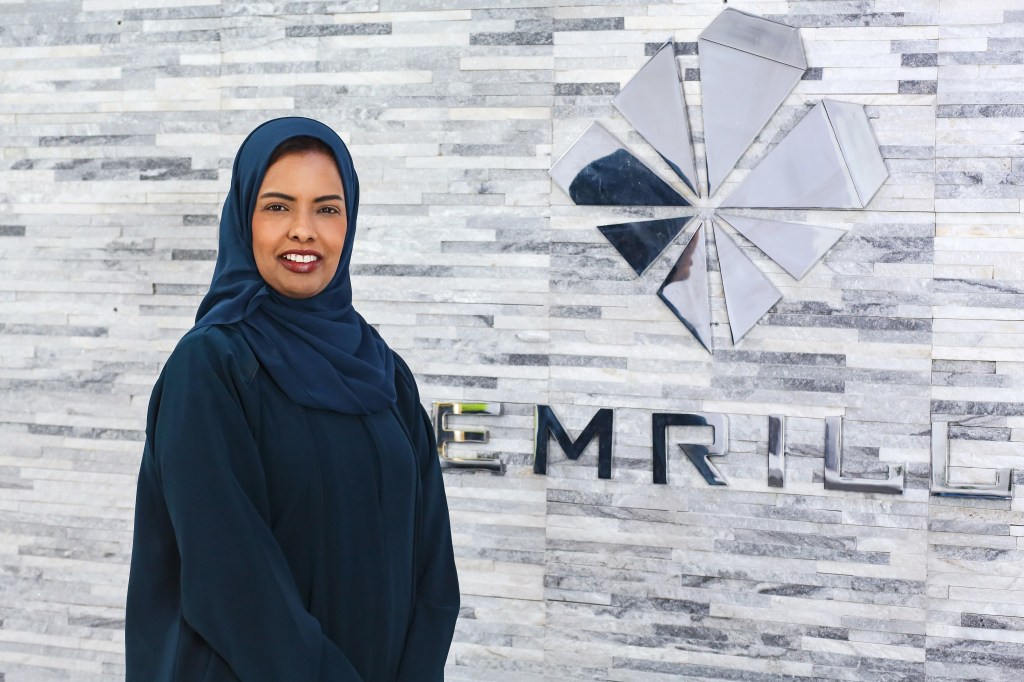
“A common mistake is treating Emiratization as an HR compliance task rather than a business responsibility,” Alhirey, who has over 15 years of industry experience, notes. “If organizations focus only on hiring numbers, they may meet the targets in the short term but struggle with engagement, retention and performance over time. Successful Emiratization requires organisations to move from a numbers mindset to a capability mindset. Another risk is recruiting Emirati employees without a clearly defined role, development plan or career path. This can create frustration for both the employee and the business. At Emrill, our Emiratization strategy therefore focuses on ensuring roles are clearly defined, expectations are set and managers are equipped to coach and develop national talent.”
One company that has adopted a similar approach in creating a successful Emiratization plan is Al Ansari Financial Services, a Dubai-headquartered non-banking financial services provider that is operational across the GCC. In June 2026, the company announced that it had reached 1,000 UAE national employees across its businesses. A key figure in achieving this milestone has been Georgette Yousef, Al Ansari Financial Services’ Group Chief HR Officer, who shares that education, training, and mentorship have been at the core of the company’s strategy.

“Our Learning Academy, established this year, is fully dedicated to the development of UAE National talent,” Yousef explains. “Rather than taking a one-size-fits-all approach, the academy is designed to integrate Emirati professionals into areas of genuine interest within the financial sector, offering tailored learning pathways and opportunities that align with their ambitions and strengths. This focus ensures that our Emirati colleagues are not only occupying roles but thriving in positions that fit their skills and future aspirations. Complementing the academy, our Mehnati (مهنتي)— meaning ‘my profession’ in Arabic— program ensures each participant is paired with a mentor who is a UAE National themselves, someone who has already navigated the organization successfully and can offer guidance through the onboarding process and beyond, supporting their development at every stage of their career. This program has already demonstrated great success among our talent, offering a sense of belonging and targeted support that helps them flourish.”
“The benefits of this approach are tangible,” Yousef adds. “When our team members are engaged and see clear opportunities for growth, we notice significant improvements in retention rates, productivity, and sustainable performance.”
Beyond the performance metrics, all of the strategies mentioned so far also align with the broader goals of Emiratization, often supported and implemented by Nafis, the Emirati Talent Competitiveness Council, whose initiatives support Emirati talent in the private sector and enhance their global competitiveness. When this federal program was officially extended to operate until 2040 in April this year, officials stated that “long-term certainty to employees, employers and the wider economy” was the underlying goal.
Khadija Alhirey, Human Resources Director at Emrill, on How to Hire for Long-Term Success
- Use skills-based hiring that considers capability, attitude, learning agility and future potential, not only years of experience.
- Build early talent pipelines by working with universities, internships, graduate programmes and practical work placements linked to real business needs.
- Connect Emiratisation recruitment to workforce and succession planning, so hiring supports future capability rather than short-term target achievement.
- Maintain consistent selection standards for all candidates while strengthening onboarding, mentoring and manager support to improve retention and performance.
Mahesh Shahdadpuri, Group Chairman at TASC Outsourcing, on Hiring Beyond the Quota
- Hire for ambition and learning ability alongside technical skills. Industries evolve quickly, and the strongest employees are those who continue to grow with the business.
- Embed Emiratisation into long-term workforce planning so every hire supports future leadership pipelines.
- Give every employee a clear growth journey through mentoring, structured development, and meaningful opportunities to take ownership early in their careers.
- Build relationships with universities, government initiatives, and emerging talent communities to engage future leaders before they enter the workforce.
Dalal Saleh Salem Al Yafei, Vice President – Human Capital at Tabreed, on Building Diverse Teams While Advancing Emiratization
- Recruit against the capabilities the business will need in the future, ensuring hiring decisions support workforce planning as well as immediate operational needs.
- Build sustained partnerships with universities, NAFIS and other national talent initiatives to strengthen the pipeline of Emirati professionals entering technical, operational and business roles.
- Assess potential alongside experience, recognising that capability can be developed through structured learning, mentoring and on-the-job exposure.
- Measure success through retention, internal progression, leadership readiness and employee development, rather than recruitment outcomes alone.
One UAE-grown company that has recognized the longevity of the Emiratization mission is Tabreed, a district cooling company that was founded in Abu Dhabi in 1998 and recorded an impressive 44% Emiratization across its corporate operations in 2025. “The real measure of success is whether Emirati professionals are building careers that deepen their expertise, broaden their responsibilities and prepare them for future leadership,” notes Tabreed’s Vice President – Human Capital, Dalal Saleh Salem Al Yafei.
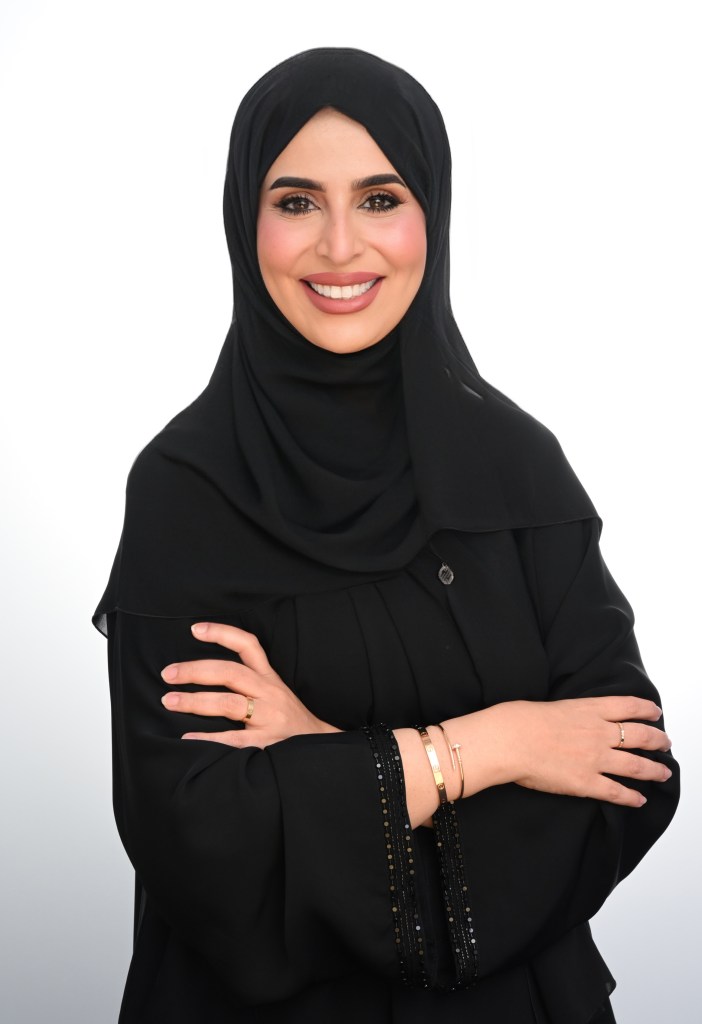
To ensure sustainable economic growth through Emiratization, Al Yafei notes that it is important to match individuals to the right roles starting with understanding where they can create the greatest long-term value. “That means looking beyond qualifications to consider strengths, aspirations and potential, while providing cross-functional exposure, technical development and regular career conversations as those aspirations evolve,” she adds. “In specialist industries, career paths are rarely linear. Some employees develop deep technical expertise, while others progress into operational, commercial or leadership roles. Recognizing those different pathways helps organizations build deeper organizational capability while giving employees greater clarity about their future. Supporting that long-term perspective, Tabreed continues to invest in professional development, leadership capability and technical excellence.”
Another UAE-based firm that has committed itself towards enabling better local skills development and long-term Emiratization strategies is PeopleStrong, a human capital management (HCM) SaaS provider which currently has over two million users across 500+ enterprises in the GCC. In June 2026, PeopleStrong launched FutureOfTalent.ai, a new workforce artificial intelligence (AI) platform designed to help organizations better understand existing workforce capabilities, identify emerging skills gaps and strengthen national talent pipelines.

“As Emiratization mandates shift toward more specialized and higher-skilled roles, organizations need to move beyond reactive hiring to long-term workforce planning,” says Tayfun Topkoc, PeopleStrong’s Senior Vice President – International. “Sustainable talent pipelines can no longer be built through job titles or annual workforce reports alone. We’re already seeing this shift across the GCC. As per our research, 31.6% of organizations identified reskilling and upskilling as their primary response to national workforce mandates, while 29.5% prioritised building local talent pipelines. This signals a clear move towards capability-building as the foundation for long-term compliance and competitiveness. The practical step is skills-based workforce planning, understanding the skills you have today, identifying future gaps, and acting before they become hiring challenges.”
Now, while much of the discussion around Emiratization has shifted toward retention and career progression, Zakaria Doleh, co-founder of Dawlati [meaning “My Nation” in Arabic], a UAE-based AI-powered platform that connects Emirati talent with private-sector employers, believes another equally important question remains: how Emirati talent is woven into the day-to-day fabric of an organization.
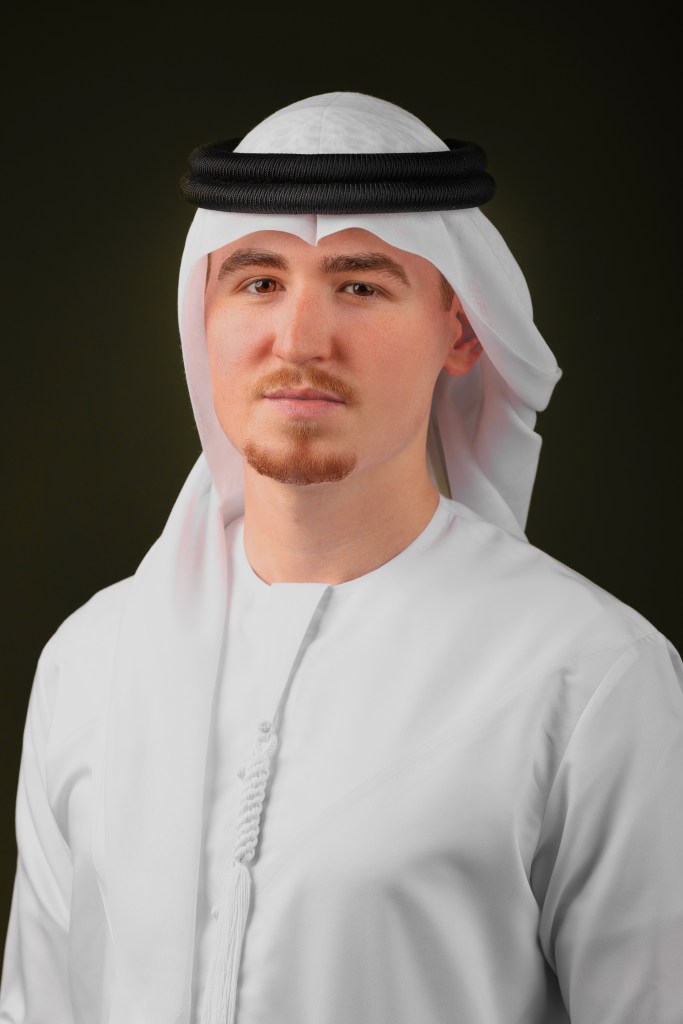
“The real value comes when national talent is integrated into business-critical functions, not treated as a separate compliance category,” he says. “From a workforce perspective, success looks like better talent planning: hiring earlier, matching candidates more accurately to roles, reducing last-minute recruitment pressure, and building a sustainable pipeline of Emirati professionals who can progress with the company over time.”
Tayfun Topkoc – Senior Vice President – International at PeopleStrong, on Building Stronger Teams Through Smarter Hiring
- Move from vacancy-led to workforce-led hiring. Recruit against future capability needs, not just immediate vacancies, to build a stronger long-term workforce.
- Assess for skills, potential and learning agility. Prioritise capability and growth potential alongside experience to build a more resilient and future-ready workforce.
- Use AI to improve decision-making, not replace it. AI can improve hiring quality by identifying skills, reducing bias and matching talent more effectively, while keeping people at the centre of decisions.
- Measure recruitment by long-term outcomes. Success should be measured by retention, career progression and leadership development not simply the number of hires.
Zakaria Doleh, co-founder of Dawlati, on Building Better Emiratization Strategies
- Employers need to move from reactive hiring to proactive Emirati talent pipeline building. This is exactly the gap we are trying to solve at Dawlati: giving companies earlier access to verified Emirati talent, helping them understand candidate skills and aspirations, and allowing them to match people to the right opportunities before hiring becomes urgent.
- The strongest strategies combine technology with human intent. At Dawlati, we use AI to help employers identify relevant Emirati candidates faster, but technology is only the starting point. Long-term success still depends on strong onboarding, manager readiness, mentorship, and clear career development pathways.
- Emiratisation works best when it is embedded into the wider talent strategy, not treated as a separate HR or compliance exercise. Our belief at Dawlati is that when businesses approach Emiratisation through the lens of growth, productivity, and succession planning, it becomes a competitive advantage rather than an obligation.
Doleh’s insights bring up a topic that has lingered silently across this piece so far: the role of leaders in ensuring Emiratization is seamlessly embedded into a business’ operations rather than existing as a standalone initiative.
“Leadership sets the culture of an organisation,” Emrill’s Alhirey asserts. “If leaders present Emiratization only as a government requirement, employees will see it as a compliance exercise. If leaders connect it to business continuity, capability, customer confidence and national development, it becomes part of the organisation’s long-term strategy. When Emirati employees are fully integrated into the wider workforce, Emiratization becomes a driver of capability and team strength rather than a source of division.”
Al Ansari Financial Services’ Yousef adds that the right leadership will help “everyone to embrace the initiative with enthusiasm.” “Effective communication ensures that the goals, benefits, and expectations of Emiratization are clearly articulated, helping employees understand its importance and how they fit into a diverse multicultural environment of over 34 nationalities,” she adds. “A positive workplace culture that values inclusivity, collaboration, and respect makes it easier for Emiratization to become a collective goal.”
Dawlati’s Doleh adds that to build truly inclusive workplaces employers must avoid treating Emirati talent as a single profile. “Emiratis differ by experience, education, ambition, location, salary expectations, and career goals, so a successful strategy requires proper matching, clear communication, and meaningful career pathways,” he adds. “Hiring numbers will always matter, but they should be seen as the starting point, not the final measure of success. As the market matures, the stronger question becomes: are Emiratis staying, progressing, leading, and creating measurable value within the organisation. The next stage of Emiratization should therefore focus on depth as much as volume.”
To ensure this, Tabreed’s Al Yafei says leaders need to start focusing on building sustainable strategies beyond the recruitment point. “Genuine integration is shaped by what happens after someone joins the organisation,” she says. “Employees build careers when they are trusted with meaningful work, exposed to different parts of the business and supported by managers who create opportunities, provide constructive feedback and help them prepare for future roles.”
However, PeopleStrong’s Topkoc emphasizes that matching talent to vacancies, instead of capabilities, remains one of the biggest hiring bottlenecks business leaders currently face. “Organizations need a clear view of workforce capabilities and use that intelligence to match people to roles where they can grow, not just where there is an immediate opening,” he says. “This is the thinking behind FutureOfTalent.ai. But technology is only an enabler. Sustainable Emiratization is built when organizations combine workforce intelligence with continuous learning, internal mobility and clear career progression.”
Ultimately, however, TASC Outsourcing’s Shahdadpuri says intention and trust are paramount if leaders are to build efficient and inclusive workforces through Emiratization. “Our 2025 research made it very clear that purpose matters enormously to UAE National employees, with over 71% of those surveyed actively looking for roles with greater meaning and alignment to their values,” he says. “This tells you that Emiratis entering the private sector are looking for work that connects to something larger. Employers who understand this design their roles, onboarding, and conversations differently. Alignment therefore starts with honesty on both sides. Employers need to be transparent about what a role actually involves, what the growth trajectory looks like, and what support will be provided. The future of Emiratization depends on opportunities that match the aspirations of the people they’re designed to support.”
The term ‘Emiratization’ may have become commonplace in the UAE’s business vernacular over the past half decade—particularly after the national workforce policy was made mandatory in 2022—but not everyone might know that the concept itself was introduced back in the 1990s, when the country saw a rising influx of expatriate workers. Today, with the non-Emirati population in the UAE accounting for approximately 88.5% of the nation (as per multiple 2026 studies), the Emiratization movement holds added gravitas. But for a country that has placed skilled workforces at the heart of its innovation and growth policies, Emiratization deserves to be viewed as more than just a regulatory quota to be ticked off on paper.
In early May 2026, the UAE’s Ministry of Human Resources and Emiratization (MoHRE) announced that private sector companies with 50 or more employees must meet their first-half 2026 Emiratization target by June 30, 2026. This required a 1% increase in the number of Emiratis in skilled roles by mid-year, with another 1% increase to be achieved by December 2026 – a move that aims to bring the overall Emiratization growth rate to 2% by the end of the year.
One company that has aligned its operations to look beyond these numbers is TASC Outsourcing, a UAE-based staffing and recruitment agency that has been operational for nearly two decades. In May 2025, TASC Outsourcing partnered with MoHRE to publish the third edition of its Making Emiratization a Success guidebook, providing data-driven insights to help businesses strengthen Emirati talent retention and workforce planning.

Aalia Mehreen Ahmed • Senior Features Editor, Entrepreneur Middle East
Entrepreneur Staff
Senior Features Editor at Entrepreneur Middle East and host of Anchored Echoes, with nearly seven... Read more