Zein Zone and GAIA Culture Introduce Tokenized Artist Financing Model in the UAE
Zein Zone’s Zaina Kourki and GAIA Culture’s Patricia Paulina Karrer are reshaping artist financing with an art–tech–finance model that enables emerging regional talent to build long-term brand value.
You're reading Entrepreneur Middle East, an international franchise of Entrepreneur Media.

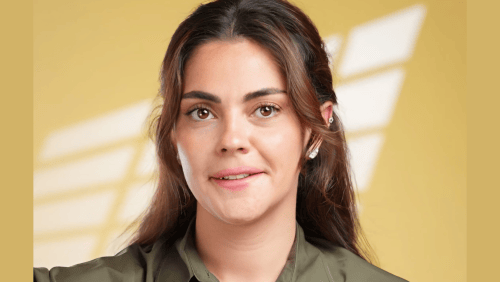
The 2026 edition of the Art Basel and UBS Global Art Market Report, an annual industry benchmark publication by renowned cultural economist Dr. Clare McAndrew, shows that global art market sales rose 4% to US$59.6 billion in 2025 — a welcome uptick after the sector had shown signs of stagnation in the years prior. But while this growth signals some market optimism, there is a deeper issue that plagues the art industry: the lack of sustained, long-term value for small and emerging artists. As the founder of Zein Zone, a UAE-based creative consultancy bridging art, culture, and tourism in the Middle East, Zaina Kourki has been all too familiar with this reality. “In the Middle East, we are not lacking talent; the region is rich with artists and cultural entrepreneurs, but what we lack is a sustainable ecosystem that supports their long-term development,” Kourki laments. “Many creatives still depend on sporadic exhibitions, one-off sales, or institutional backing. There is visibility, but not always continuity. Another bottleneck I have observed is positioning. Large corporations invest heavily in brand strategy, communication, and investor relations. Artists, on the other hand, are often expected to let the work “speak for itself,” without receiving the same strategic support. Yet in today’s economy, narrative, access, and network are as critical as talent.”
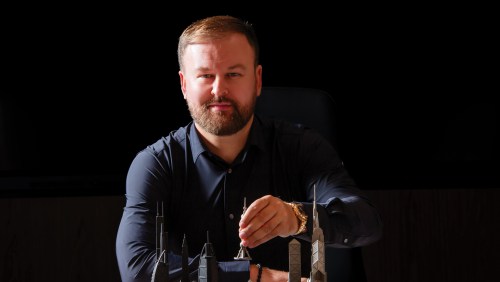
Kourki realized there was a way to address this issue when she met Patricia Paulina Karrer, who founded GAIA Culture as a global cultural-technology company that leverages blockchain and artificial intelligence (AI) technologies to tokenize the long-term brand value of artists and unlock new financing models. “The idea immediately resonated with me — not as a Web3 trend, but as structural innovation,” Kourki says. “Through Zein Zone, I work closely with creatives and cultural institutions on positioning and ecosystem-building. When I encountered GAIA Culture’s infrastructure, I saw the missing financial layer — a model that allows audiences and investors to participate in an artist’s future growth, not just consume it.”
Karrer offers a deeper understanding of how the blockchain-driven model aids artists in their financial journeys. “Think of it as a digital infrastructure for ownership, trust, and direct value exchange, without needing a gatekeeper,” she says. “With models like GAIA Culture’s Artist Equity Tokens, you can tokenize a portion of your brand and future upside (think: a structured, transparent way for supporters to participate in your journey), while you keep creative control and define the rules. It’s a shift from one-off sales to longer-term, portfolio-like income—linked to your broader artistic trajectory (exhibitions, collaborations, licensing, community access), not just a single canvas. Blockchain gives you a tamper-resistant record that can help with authenticity and provenance (what is original, who owned it, when it changed hands), clear rights logic (who gets what, under which conditions), and automatic split payments (e.g., you + gallery + collaborators), reducing friction and disputes. In short: fewer “trust me” situations, more verifiable facts—which is valuable in an art market that still relies heavily on informal processes. Tokens can turn passive audiences into active communities. Instead of only “liking” or “following,” supporters can participate in a structured way through access, experiences, governance elements, or long-term alignment. For artists, that means closer relationships with collectors and fans, global distribution from day one (digital-native infrastructure), and a community that is incentivized to amplify and sustain your work over time.”
“Having issued more than EUR 3.8 million in brand equity globally, GAIA Culture’s long-term vision is to integrate artist equity tokens into online banking and wealth platforms as a credible alternative asset class,” Karrer adds.
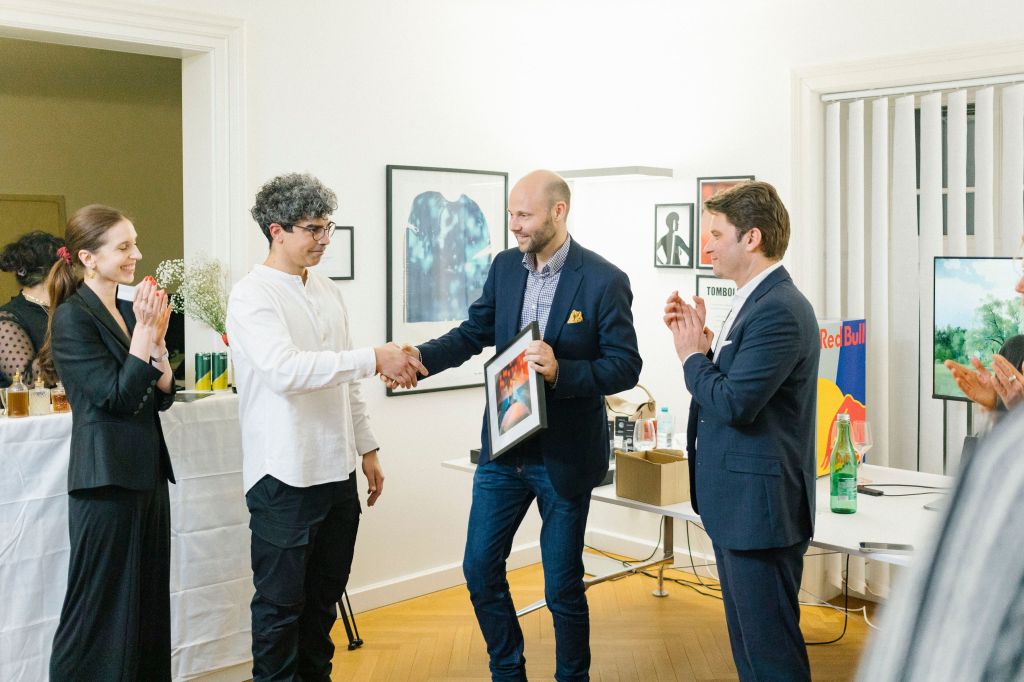
The collaboration between both entities comes at a particularly volatile time for artists. While structural challenges like unstable income and limited access to funding persist, there is also the issue of trademarks, IP rights, and digital ownership structures becoming increasingly complex – particularly in the age of AI and unregulated content replication. As such, Karrer notes that, if structured correctly, such models can also strengthen artists’ control over their work. “The key is that the token is designed to represent participation in an artist’s broader brand value under clearly defined terms, not a transfer of authorship or copyright,” she explains. “That distinction matters even more in an age where AI can replicate content endlessly: scarcity is no longer about the file itself, but about verified attribution, provenance, and legitimate access. By anchoring participation to a transparent, auditable structure, the artist can define the rules upfront e.g what is licensed, what isn’t, how collaborations are handled, and how revenues are shared, reducing the grey zones that typically lead to disputes or dilution.”
But beyond the challenges that come with increasingly digitized creative spaces, the inherently challenging aspects of being an artist still remain unanswered – much to Kourki’s dismay. “One of the biggest misconceptions about early-stage artists is that what they need most is exposure – in reality, what they need is stability and strategic support,” Kourki says. “For lesser-known artists, barriers to entry are not only about access; they are financial and structural. Many creatives operate project to project, with limited runway to experiment, refine their voice, or invest in their own development. This often forces compromises — taking commercial work that dilutes their positioning or adapting to trends rather than building a coherent body of work.”
The GAIA x Zein Zone platform can address these issues head-on, says Kourki. “What makes this model different is that it shifts the dynamic from gatekeeping to participation. Instead of relying solely on institutions or a handful of collectors, artists can activate their broader community. Supporters are not just buyers of a single artwork, they become stakeholders in the artist’s long-term journey. The artist retains ownership of their work and intellectual property.”
“The tokenization is not about selling control; it is about monetizing brand equity — the cultural value they are already generating,” Kourki adds. “This creates access to early-stage funding without forcing artists to surrender creative direction.”
In this model, therefore, these “supporters” effectively take on the role of investors—participating in an artist’s long-term growth through a more structured and transparent framework. “This initiative bridges the gap by translating an artist’s career into something investors can understand and evaluate: a transparent, structured participation in brand growth, rather than an informal bet on taste or hype,” Karrer adds. “Instead of relying on opaque networks, tokenization creates a clear framework for what the investor is backing, what rights they do (and don’t) receive, and how value is measured and shared over time.”
Looking ahead, Karrer and Kourki say they’re creating a model that “doesn’t just deliver projects, but builds long-term relationships between artists, institutions, investors, brands, and audiences.” As such, the duo believe it is an initiative that also aligns neatly with the UAE and wider region’s creative ambitions. “The next decade in the Middle East will be defined by the transition from consuming culture to exporting it,” Kourki declares.
“As countries across the region accelerate their creative economy strategies, there is a growing need for models that can manage cultural assets in ways that are globally informed yet deeply rooted in local context. Partnerships like GAIA Culture and Zein Zone can play an active role in shaping that evolution. As institutions invest in culture at an unprecedented scale, what becomes essential is the connective tissue — the people and platforms capable of translating national ambition into meaningful cultural activation. Our collaboration is built on that premise.”
The 2026 edition of the Art Basel and UBS Global Art Market Report, an annual industry benchmark publication by renowned cultural economist Dr. Clare McAndrew, shows that global art market sales rose 4% to US$59.6 billion in 2025 — a welcome uptick after the sector had shown signs of stagnation in the years prior. But while this growth signals some market optimism, there is a deeper issue that plagues the art industry: the lack of sustained, long-term value for small and emerging artists. As the founder of Zein Zone, a UAE-based creative consultancy bridging art, culture, and tourism in the Middle East, Zaina Kourki has been all too familiar with this reality. “In the Middle East, we are not lacking talent; the region is rich with artists and cultural entrepreneurs, but what we lack is a sustainable ecosystem that supports their long-term development,” Kourki laments. “Many creatives still depend on sporadic exhibitions, one-off sales, or institutional backing. There is visibility, but not always continuity. Another bottleneck I have observed is positioning. Large corporations invest heavily in brand strategy, communication, and investor relations. Artists, on the other hand, are often expected to let the work “speak for itself,” without receiving the same strategic support. Yet in today’s economy, narrative, access, and network are as critical as talent.”
Kourki realized there was a way to address this issue when she met Patricia Paulina Karrer, who founded GAIA Culture as a global cultural-technology company that leverages blockchain and artificial intelligence (AI) technologies to tokenize the long-term brand value of artists and unlock new financing models. “The idea immediately resonated with me — not as a Web3 trend, but as structural innovation,” Kourki says. “Through Zein Zone, I work closely with creatives and cultural institutions on positioning and ecosystem-building. When I encountered GAIA Culture’s infrastructure, I saw the missing financial layer — a model that allows audiences and investors to participate in an artist’s future growth, not just consume it.”
Karrer offers a deeper understanding of how the blockchain-driven model aids artists in their financial journeys. “Think of it as a digital infrastructure for ownership, trust, and direct value exchange, without needing a gatekeeper,” she says. “With models like GAIA Culture’s Artist Equity Tokens, you can tokenize a portion of your brand and future upside (think: a structured, transparent way for supporters to participate in your journey), while you keep creative control and define the rules. It’s a shift from one-off sales to longer-term, portfolio-like income—linked to your broader artistic trajectory (exhibitions, collaborations, licensing, community access), not just a single canvas. Blockchain gives you a tamper-resistant record that can help with authenticity and provenance (what is original, who owned it, when it changed hands), clear rights logic (who gets what, under which conditions), and automatic split payments (e.g., you + gallery + collaborators), reducing friction and disputes. In short: fewer “trust me” situations, more verifiable facts—which is valuable in an art market that still relies heavily on informal processes. Tokens can turn passive audiences into active communities. Instead of only “liking” or “following,” supporters can participate in a structured way through access, experiences, governance elements, or long-term alignment. For artists, that means closer relationships with collectors and fans, global distribution from day one (digital-native infrastructure), and a community that is incentivized to amplify and sustain your work over time.”

Aalia Mehreen Ahmed • Senior Features Editor, Entrepreneur Middle East
Entrepreneur Staff
Senior Features Editor at Entrepreneur Middle East and host of Anchored Echoes, with nearly seven... Read more