Emirati Women’s Day 2026: How the UAE Is Reframing the Gender Equality Debate Beyond The ‘Men vs. Women’ Discourse
For the first time in the 11 years since Emirati Women’s Day was first celebrated, the annual event will span an entire month in 2026. This year’s theme —“Together, We Rise Stronger and Better”— puts the spotlight on the lasting partnerships and workplace policies that support and empower women in both their personal and professional lives. Four Emirati business leaders unpack how these elements go beyond the annual event to create a gender equity blueprint that has bolstered the UAE’s growth and innovation.
You're reading Entrepreneur Middle East, an international franchise of Entrepreneur Media.
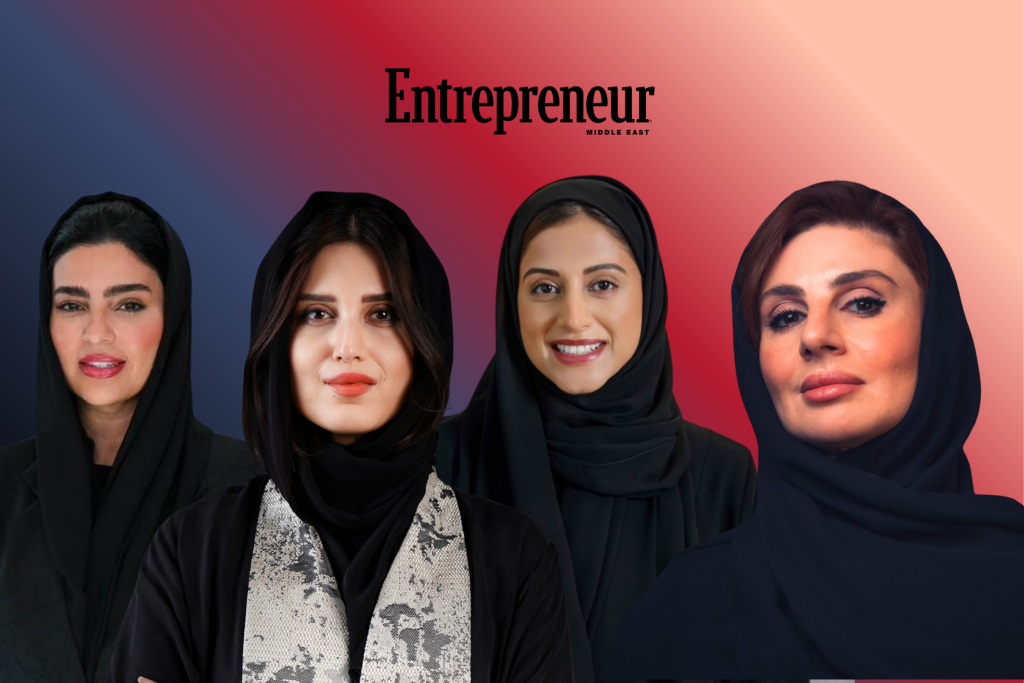
In early 2026, when the UAE population was gripped by anxiety and fear as unexpected geopolitical shifts unfolded, an Emirati female minister emerged as a voice of calm and reassurance not just for people within the country, but also for their families back in their homelands. “We are confident that we will be able to continue to support our infrastructure and protect the people who live here,” H.E. Reem bint Ebrahim Al Hashimy, UAE Minister of State for International Cooperation, had said during an interview with CNN’s Becky Anderson. Across the nation and beyond, Al Hashimy’s trademark gentle voice and precise replies led to many praising the Minister for her grace and assertiveness. But equally discussed was another topic — during one of its most difficult moments, the UAE leadership was represented on a global scale by an Emirati woman. While the implications of this move can be discussed in the context of dispelling many cultural and social narratives, this particular feature uses it as a prime example of what those residing within the Emirates known to be true: that the UAE’s growth has been inextricably linked to the achievements and contributions of its female population.
That sentiment is perhaps best encapsulated in this year’s Emirati Women’s Day (EWD) theme: “Together, We Rise Stronger and Better.” The 2026 edition will mark a first month-long celebration of the event, with EWD 2026 set to run from August 28, 2026 (the annually ascribed date) until September 28, 2026. During the announcement last month, H.H. Sheikha Fatima bint Mubarak, “Mother of the Nation,” Chairwoman of the General Women’s Union, President of the Supreme Council for Motherhood and Childhood, and Supreme Chairwoman of the Family Development Foundation, noted that the success of Emirati women has not happened in isolation, but has been supported by families, institutions, communities, and men who recognize that women’s progress contributes to the progress of the country as a whole. This year’s program, therefore, will celebrate not only the achievements of Emirati and resident women, but also the men who have supported them, reinforcing the idea that stronger societies are built through partnership rather than competition.
For Fatmah Rashed Alkaabi, Advisor at the Director General’s Office of the Abu Dhabi Early Childhood Authority (a government entity established to support optimal early childhood development in the nation’s capital), this thought process is one she’s been familiar with much longer that her 15-year-long career across the UAE’s government, semi-government, and private sectors. “This year’s EWD theme reflects a deeply rooted national belief that progress is never achieved in isolation,” she iterates. “The UAE’s development has always been shaped by partnership, shared responsibility, and a strong commitment to family and community cohesion. Meaningful advancement happens when organizations, leaders, and families move forward together with a shared sense of purpose.”
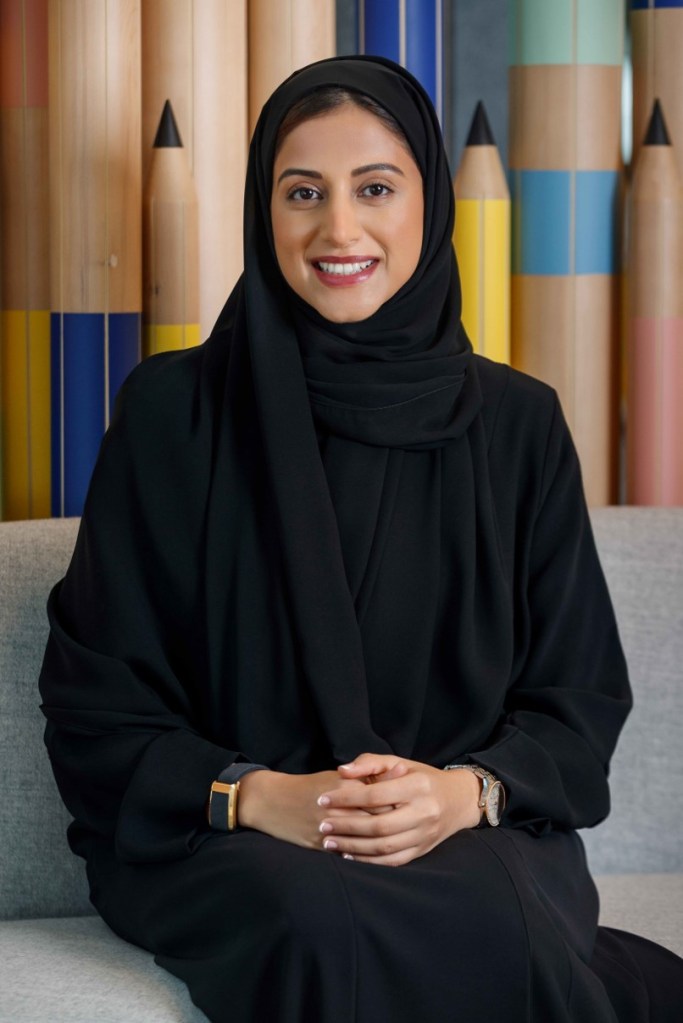
Alkaabi is able to best propagate this notion through her work as Program Manager at the Parent-friendly Label™ (PFL), a UAE-wide voluntary workplace award program led by the Abu Dhabi Early Childhood Authority (ECA). The program, open to organizations operating across the UAE within the semi-government, private, and third sectors, aims to shift workplace culture across the UAE toward more parent-friendly practices, recognizing the connection between supportive workplaces, stronger families, and children’s well-being. “As an Emirati woman working at the intersection of policy, leadership, and family wellbeing, my work continuously reminds me that sustainable progress begins with understanding people’s real lives,” Alkaabi says. “Supporting families through the workplace is not simply an organizational objective; it is an investment in human potential and in the long-term resilience of the nation. H.H. Sheikha Fatima bint Mubarak has long emphasized that ‘Emirati women represent the heartbeat of society and the foundation of its unity and sustainable progress.’ This vision offers a powerful reference point for how organizations should approach support for working mothers and caregivers. In practice, this requires moving beyond the existence of policies and focusing on how they are experienced day to day. Flexible work arrangements, maternity support, return-to-work pathways, and caregiving accommodations are essential foundations. Their true value, however, emerges only when they are embedded within a culture of trust, consistency, and leadership commitment. Women thrive when caregiving responsibilities are recognized as a natural part of life, not as a barrier to ambition or leadership.”
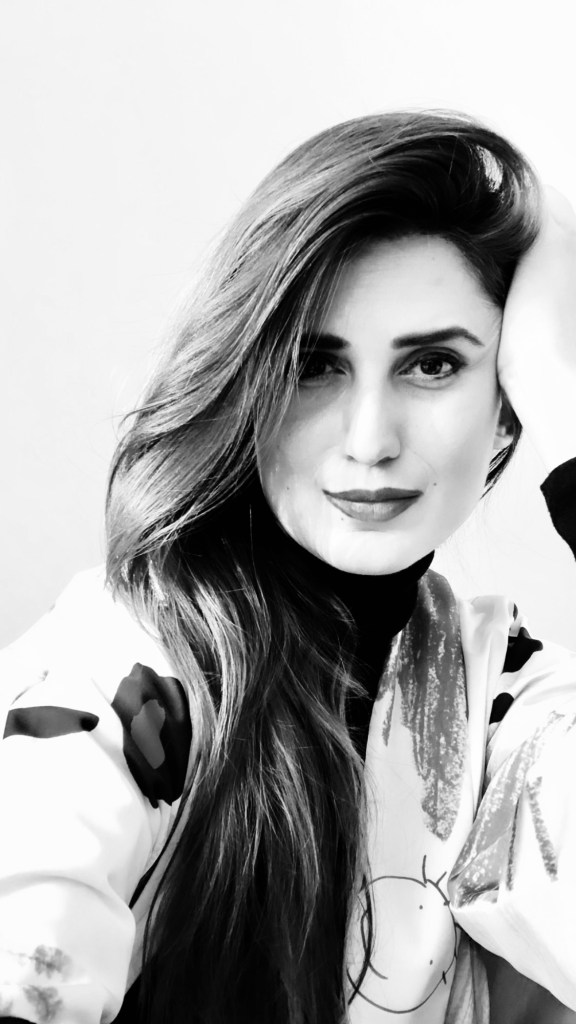
Alkaabi’s, and indeed the ECA’s endeavors, however, are not an arbitrary example of how the UAE government’s efforts have transcended theoretical women empowerment goals and created real impact. “I believe the secret to that is that UAE has approached gender balance less as a competition between men and women and more as a conversation about creating fairness, opportunity and shared progress,” says Arshia Alam, founder and Creative Director of ARSHYS, an Emirati contemporary luxury womenswear label that blends fashion, art, cultural heritage, sustainability, and social impact. “I recently attended a session with the UAE Gender Balance Council, where representatives from the public and private sectors came together to openly discuss issues ranging from family priorities and workplace culture to skills development. What stood out to me was the focus on practical solutions and collaboration. For me, that is what makes the UAE’s approach effective: creating spaces where both men and women can contribute to the conversation. Gender balance is ultimately not about one gender succeeding at the expense of another; it is about creating an environment where everyone has the opportunity to contribute and thrive.”
Abu Dhabi Early Childhood Authority’s Fatmah Rashed Alkaabi on why a month-long Emirati Women’s Day celebration sends a powerful message beyond the UAE.
“Extending Emirati Women’s Day across an entire month reinforces that the contributions of Emirati women are not defined by a single moment of recognition, but by sustained and evolving impact. Within the UAE, it reflects deep appreciation for the role women play across families, communities, government, business, education, and many other sectors. It also signals a long-term commitment to creating environments that enable Emirati women to continue contributing and leading at every stage of life. Internationally, it demonstrates that investing in women is not symbolic, but a national priority grounded in trust, shared responsibility, and collective progress. It presents a model in which empowering women goes hand in hand with supporting families and strengthening the social fabric of the nation.”
ARSHYS’ Arshia Alam on what meaningful partnership between men and women looks like at home, at work, and in business.
“To me, a successful partnership between men and women begins with mutual respect and equal opportunity—not necessarily doing the same things, but having equal freedom to pursue what matters to each person. Whether at home or in business, we need to move beyond stereotypes and recognise that people have different ambitions, strengths and priorities. One quality that is often overlooked is the ability to genuinely listen. A partnership becomes stronger when both perspectives are valued, even when they are different. I also believe that success should not be defined by choosing between personal and professional aspirations. The strongest partnerships are those where both people support each other’s growth and are willing to adapt as their circumstances evolve. Ultimately, it is about building each other up rather than competing with each other.”
Indeed, the UAE Gender Balance Council Alam refers to has been one of the foundational entities in formulating the nation’s gender equity infrastructure. The federal entity’s approach combines legislation, policy reform, public-private collaboration, workplace initiatives, and international partnerships to embed gender balance institutionally. The Council’s results speak for themselves. The UAE ranked first in the MENA region for gender balance in the World Economic Forum’s Global Gender Gap Report 2025; more than 20 national reforms have been enacted to advance gender balance, including paid paternity leave, equal-pay provisions, and workplace protections; and women currently hold approximately 63% of leadership positions in the UAE federal government, while the Council states that 70% of Emiratis working in the private sector are women.
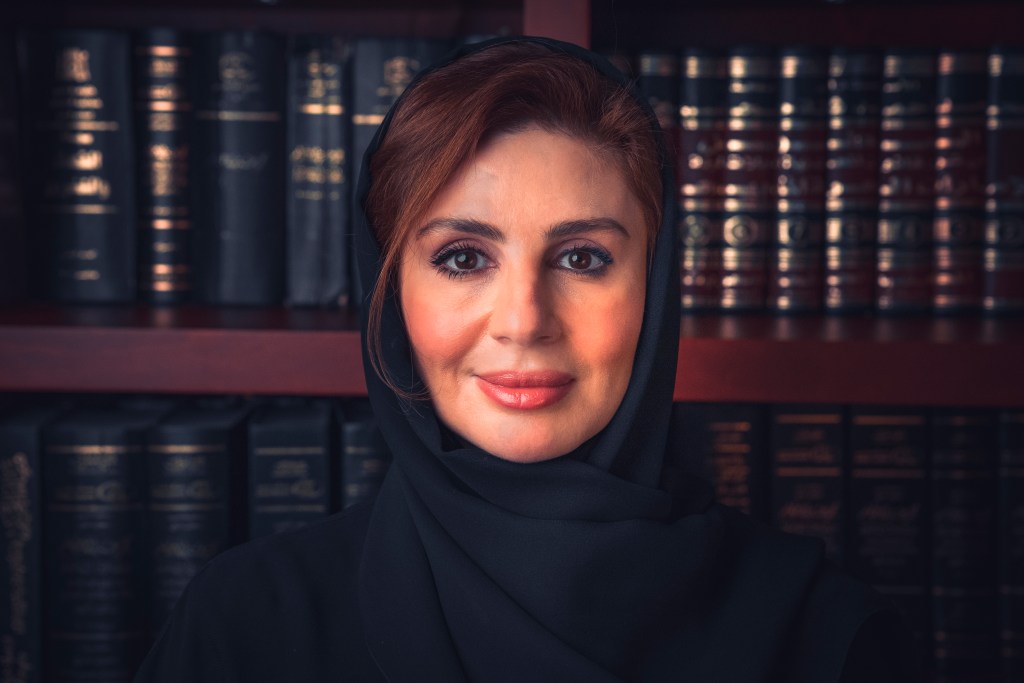
One Emirati female leader who has been able to witness this progress from close quarters is Jouslin Khairalla, an Emirati lawyer who founded KH Legal, a UAE-based multidisciplinary legal practice, in 2008. She is also a founding member of Legaline Platform, a UAE-based LegalTech platform focused on claims, contract intelligence, and AI-driven legal services. With more than 20 years of legal experience so far, Khairalla offers a deeper insight that supports Alam’s observations. “The UAE has approached women’s empowerment as a shared national priority rather than a competition between men and women – and progress is strongest when women and men are viewed as partners in building society, the economy and the nation,” Khairalla observes. “The UAE has supported this through leadership, legislation, education and institutional initiatives that enable women to participate meaningfully across government, business, law, science and entrepreneurship. If you ask me, equality is fundamentally about opportunity—ensuring that talent, ambition and capability have the space to succeed. When that principle guides the conversation, the focus shifts from who gains more to what we can achieve together.”
The UAE’s strides in female empowerment and gender equity come together to form an impressive standalone tale. But its progress becomes even more awe-worthy when compared with global statistics. Take, for example, some of the jarring results that came out of Ipsos’ International Women’s Day 2026 survey, which was conducted in collaboration with the Global Institute for Women’s Leadership at King’s College London. Across the 29 countries surveyed, 52% of respondents believe efforts to give women equal rights with men have already gone far enough, with this sentiment increasing in 23 of the 24 countries also surveyed in 2019. The findings also point to a notable gender divide: 54% of men feel they are already doing too much to support equality, compared with 38% of women, while 52% of men believe efforts to advance women’s equality have reached a point where they discriminate against men, versus 36% of women. At the same time, there remains broad support for greater female leadership, with 60% saying governments and companies would work better if more women held positions of responsibility, including 68% of women and 53% of men.
While much of the global discourse appears to still be navigating the ‘men-versus-women’ maze, the UAE, like Khairalla and Alam have already pointed out, seems to be on a different trajectory. Agreeing with this is Muneera Al Marzooqi, Vice President of Smart Mobility at UAE-based AI-powered space technology company Space42, who notes that partnership-based outcomes go beyond gender-centric quotas and actually contribute to the economy. “Within the technology and mobility field, in particular, diversity of thought is essential to innovation,” Al Marzooqi notes. “The UAE has embedded inclusive participation into its institutions and the opportunities they extend, making it part of the country’s broader development journey rather than a standalone conversation. Success is far more than an individual achievement. At every stage of my career, I’ve been shaped by people who challenged, trusted, and believed in me—from my family, who gave me the confidence to be ambitious while staying grounded in my values, to the leaders, mentors, and colleagues, both women and men, who saw my potential and pushed me beyond my comfort zone. No meaningful transformation happens alone. The best outcomes are achieved when different perspectives come together around a shared ambition. This reflects the UAE’s approach to diversity where Emirati women are growing from strength to strength within an ecosystem that believes in our potential. My achievements may carry my name, but the journey behind them has always been collective.”
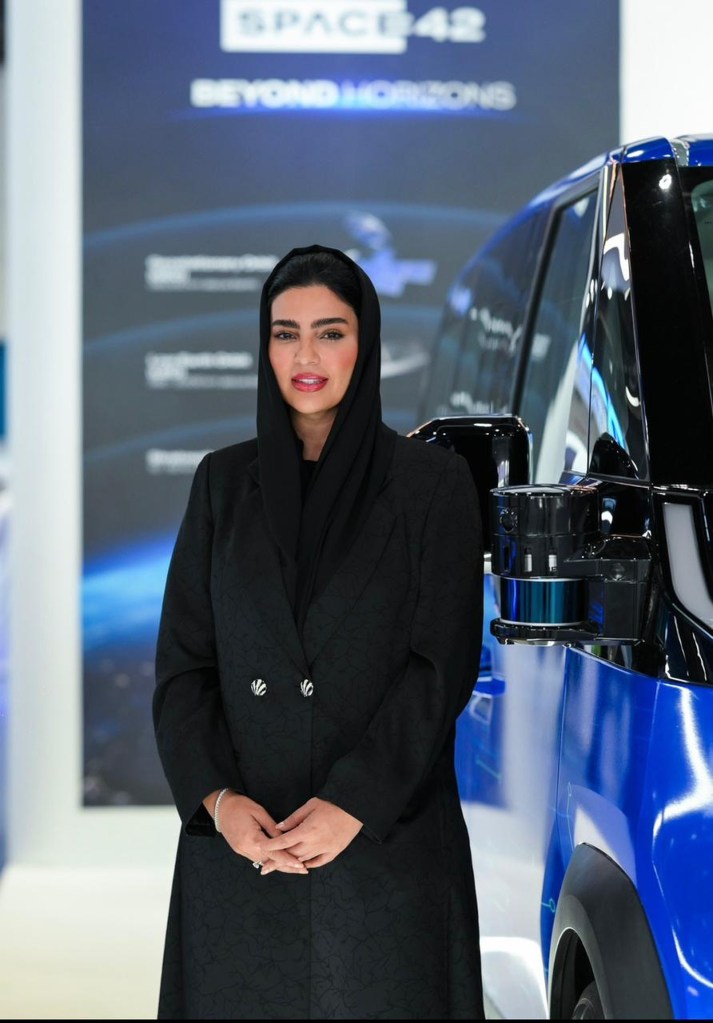
Al Marzooqi’s observations are backed by the company she represents. At Space42, women in senior management have increased from 8% to 15% in 2025, and women now chair 50% of its board committees. And according to ECA’s Alkaabi, such results across the UAE’s business ecosystem and government entities have been made possible due to a core Emirati belief that “families, communities, and organizations are strongest when each member contributes according to their role and responsibility.”
“Through initiatives such as the Parent-friendly Label, organizations are increasingly recognizing that when caregiving is valued and fathers are supported in fulfilling their responsibilities, women are better enabled to pursue professional growth with confidence,” Alkaabi adds. “By prioritizing partnership rather than division, gender equality in the UAE is positioned as a social and economic enabler. This approach reflects core Emirati values of cohesion, responsibility, and collective effort, strengthening families, workplaces, and society as a whole.”
KH Legal and Legaline Platform’s Jouslin Khairallah on what truly supportive workplaces for women should look like
“Workplaces need to understand that flexibility and excellence are not mutually exclusive. Supporting working mothers and caregivers does not mean lowering professional expectations. It means creating an environment in which talented people can continue to perform, develop and lead through different stages of life. Flexible working arrangements, effective return-to-work support and access to childcare are important, but workplace culture matters just as much. Women should be able to use supportive policies without fearing that doing so will affect how their commitment or leadership potential is perceived. The goal should be to ensure women have a genuine pathway to grow, lead and succeed.”
Space42’s Muneera Al Marzooqi on why healthy partnerships require both speaking up and listening
“Constructive disagreement is a key contributor to a strong team. I believe in expressing my perspective clearly, with the humility to listen and recognize that I may not have all the answers. In business transformation and strategic partnerships, progress comes from understanding different perspectives and finding common ground. It is important to separate the idea from the individual, so that we may challenge each other while remaining focused on the desired outcome.”
ARSHYS’s Alam offers an extended take on Alkaabi’s words when she adds that beyond government policies, the onus lies on business leaders themselves to create environments conducive to upholding such values. “Policies are only as effective as the culture in which they are implemented,” Alam says. “Workplaces need to create an environment where women feel comfortable having open conversations about their realities, responsibilities and challenges without feeling that doing so will limit their professional opportunities. Leadership plays an important role in listening to that feedback and being willing to adapt. Flexibility should not be viewed as a concession, but as a way of creating a more productive and sustainable workplace. When organisations trust their people and focus on outcomes rather than rigid expectations, women are better positioned to grow, lead and contribute fully.”
As celebrations for Emirati Women’s Day 2026 gear up to last an entire month this year, all of the female leaders in this story acquiesce on one point: this extension is not about symbolism but rather an opportunity to highlight inspiring stories of Emirati women’s milestones. “It gives us space to celebrate achievements, while taking the time to reflect on the people and partnerships behind them,” says Space42’s Al Marzooqi. “Today, Emirati women are shaping the future across business, technology, science, and multiple emerging sectors. I hope this inspires the next generation to see even greater possibilities ahead, as one generation’s progress should become the next generation’s starting point.”
KH Legal’s Khairallah offers a similar sentiment, adding: “For younger women especially, visibility is key. When they see women leading businesses, practising law, serving in government, advancing science and building companies, they can more easily see those possibilities for themselves. Emirati Women’s Day should therefore celebrate achievement, but also inspire what comes next. The greatest tribute to the women who helped shape the UAE is to ensure that the next generation has even greater opportunities to contribute, lead and succeed.”
In early 2026, when the UAE population was gripped by anxiety and fear as unexpected geopolitical shifts unfolded, an Emirati female minister emerged as a voice of calm and reassurance not just for people within the country, but also for their families back in their homelands. “We are confident that we will be able to continue to support our infrastructure and protect the people who live here,” H.E. Reem bint Ebrahim Al Hashimy, UAE Minister of State for International Cooperation, had said during an interview with CNN’s Becky Anderson. Across the nation and beyond, Al Hashimy’s trademark gentle voice and precise replies led to many praising the Minister for her grace and assertiveness. But equally discussed was another topic — during one of its most difficult moments, the UAE leadership was represented on a global scale by an Emirati woman. While the implications of this move can be discussed in the context of dispelling many cultural and social narratives, this particular feature uses it as a prime example of what those residing within the Emirates known to be true: that the UAE’s growth has been inextricably linked to the achievements and contributions of its female population.
That sentiment is perhaps best encapsulated in this year’s Emirati Women’s Day (EWD) theme: “Together, We Rise Stronger and Better.” The 2026 edition will mark a first month-long celebration of the event, with EWD 2026 set to run from August 28, 2026 (the annually ascribed date) until September 28, 2026. During the announcement last month, H.H. Sheikha Fatima bint Mubarak, “Mother of the Nation,” Chairwoman of the General Women’s Union, President of the Supreme Council for Motherhood and Childhood, and Supreme Chairwoman of the Family Development Foundation, noted that the success of Emirati women has not happened in isolation, but has been supported by families, institutions, communities, and men who recognize that women’s progress contributes to the progress of the country as a whole. This year’s program, therefore, will celebrate not only the achievements of Emirati and resident women, but also the men who have supported them, reinforcing the idea that stronger societies are built through partnership rather than competition.
For Fatmah Rashed Alkaabi, Advisor at the Director General’s Office of the Abu Dhabi Early Childhood Authority (a government entity established to support optimal early childhood development in the nation’s capital), this thought process is one she’s been familiar with much longer that her 15-year-long career across the UAE’s government, semi-government, and private sectors. “This year’s EWD theme reflects a deeply rooted national belief that progress is never achieved in isolation,” she iterates. “The UAE’s development has always been shaped by partnership, shared responsibility, and a strong commitment to family and community cohesion. Meaningful advancement happens when organizations, leaders, and families move forward together with a shared sense of purpose.”

Aalia Mehreen Ahmed • Senior Features Editor, Entrepreneur Middle East
Entrepreneur Staff
Senior Features Editor at Entrepreneur Middle East and host of Anchored Echoes, with nearly seven... Read more