The UAE Has Built Its Healthcare System. Now It Needs to Connect It
The UAE has spent years expanding hospitals, clinics and digital health infrastructure. The next test is whether those parts can work together as one system, for doctors as well as patients.
Opinions expressed by Entrepreneur contributors are their own.
You're reading Entrepreneur Middle East, an international franchise of Entrepreneur Media.
Dubai had roughly 5, 800 licensed healthcare facilities in 2025, up from 5,340 the year before. Abu Dhabi has taken its primary care a step further with more than 818 registered family physicians now working across 237 facilities. By almost any measure, the country is successfully building towards the capacity a modern health system needs.
But there is still a gap between having that capacity and making it work as a single system, and that is where the next real test of UAE healthcare will play out.
A patient can see a doctor in the morning, get a blood test at another facility, collect a prescription from a pharmacy down the road, and be referred to a specialist, all for the same problem. But having access to all these services is not the same as having them work as one system.
The country has invested in the infrastructure meant to close that gap. Riayati, the National Unified Medical Record, brings together medical records from more than 3,000 healthcare facilities across the UAE and is integrated with Dubai’s NABIDH and Abu Dhabi’s Malaffi health information exchanges. At the time of the integration, the system covered 9.5 million patients and 1.9 billion medical records, according to the UAE’s health authorities.
Abu Dhabi has continued to build on this infrastructure. Its 2026 Health Information Exchange standards set requirements for the standardized capture and exchange of patient information across electronic medical records.
A systematic review published in Health Policy in August 2026 reviewed 49 studies of healthcare reforms in the UAE between 2017 and 2024. It found that the country has made substantial progress in healthcare access, quality, electronic medical records and new models of care. But the same review also identified ongoing challenges with digital systems, staff capacity and differences between emirates. That matters because the existence of national and emirate-level digital infrastructure does not by itself guarantee seamless interoperability across providers or consistent integration into clinical workflows.
When a country does not have enough hospitals, the priority is to build hospitals; when people cannot reach doctors, the priority is to expand access; and when medical information is trapped in separate records, the priority is to connect those records. The UAE has made progress on all three. The next problem is what happens between those connected points and whether they work together to give a seamless healthcare experience.
Consider the role of primary care. Abu Dhabi’s Department of Health describes family doctors as the first point of contact for individuals and families and gives them responsibility for prevention, chronic disease management and coordinating referrals. In April 2026, the department also announced that 24-hour services would be available in 12 primary-care centers. The aim was to improve access and reduce pressure on hospital emergency departments.
The more responsibility primary care assumes, the more important the infrastructure around the doctor becomes. A family doctor can’t work in isolation. A patient with a chronic condition may need laboratory testing, medication, a specialist consultation and repeated follow-up. The quality of each service matters, but so does what happens when a patient moves from one to another.
The distinction between interoperability and integration is important here: interoperability allows information to move between two systems; integration on the other hand allows care to move across the healthcare value chain.
Dubai’s experience with NABIDH illustrates how difficult this can be even after a health information exchange has been established. A 2025 paper examining the implementation of NABIDH found that 1,527 of 2,572 healthcare facilities in the study population had been integrated into the exchange by March 2025. The authors described problems including facilities without suitable electronic medical records, differences in technical standards, data-quality issues and the cost of implementation.
Findings like these show that connecting healthcare is harder than simply connecting computers. A hospital can be connected to an information exchange and a clinic can be connected to it. The patient can still experience the two organizations as separate worlds if referrals, appointments, diagnostics, prescriptions and follow-ups remain disconnected.
Large hospital groups can afford the administrative infrastructure required to manage separate processes, whereas an independent clinic often has a doctor, a few nurses and a receptionist doing much of that work alongside the medical care itself.
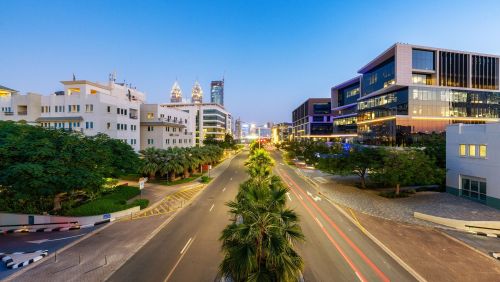
I have spent two decades observing healthcare companies build and operate in the UAE, and as part of the founding team at Dubai Science Park I have seen more than 500 companies across pharmaceuticals, medical devices, diagnostics and healthcare services establish themselves and grow. What has been evident in that journey is that the challenge now is less about adding capacity than making the capacity already in place work together more effectively. The next phase requires connective infrastructure and that entails thinking beyond the medical record and asking whether a clinic has the tools to coordinate care without building an administrative department of its own.
Can a primary-care doctor coordinate a referral without creating another administrative burden? Can a specialist understand what has already been done? Can pharmacies, laboratories, clinics, and hospitals participate in the same care pathway without each building a separate process around it?
The goal should not be a healthcare system in which every provider uses the same technology. Nor should it be a system in which every patient is funneled through one institution. It should be a system in which the different parts can work together without asking the patient or the doctor to become the intermediary.
That is particularly important as the UAE expands health insurance coverage. Since January 2025, the UAE’s basic health insurance scheme has extended mandatory coverage to private-sector employees and domestic workers in Sharjah, Ajman, Fujairah, Ras Al Khaimah and Umm Al Quwain. According to the Ministry of Human Resources and Emiratisation, employers are responsible for purchasing the policy when issuing or renewing residence permits.
Greater coverage can mean greater access but it can also mean more interactions across providers, insurers, clinics, pharmacies and hospitals. The more people use the healthcare system, the more important it becomes that the system works across institutional boundaries.
For years, progress here was measured by what got built: more hospitals, more clinics, more specialists, more technology. The next measure is harder to hit. It is not simply how much capacity the country has built. It is how much of that capacity works together.
Dubai had roughly 5, 800 licensed healthcare facilities in 2025, up from 5,340 the year before. Abu Dhabi has taken its primary care a step further with more than 818 registered family physicians now working across 237 facilities. By almost any measure, the country is successfully building towards the capacity a modern health system needs.
But there is still a gap between having that capacity and making it work as a single system, and that is where the next real test of UAE healthcare will play out.
A patient can see a doctor in the morning, get a blood test at another facility, collect a prescription from a pharmacy down the road, and be referred to a specialist, all for the same problem. But having access to all these services is not the same as having them work as one system.

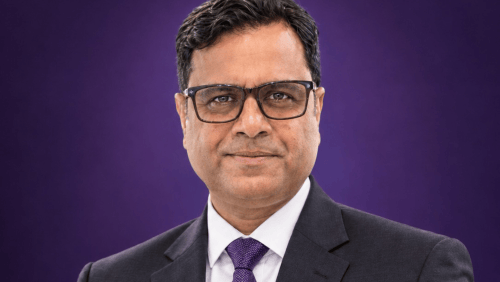
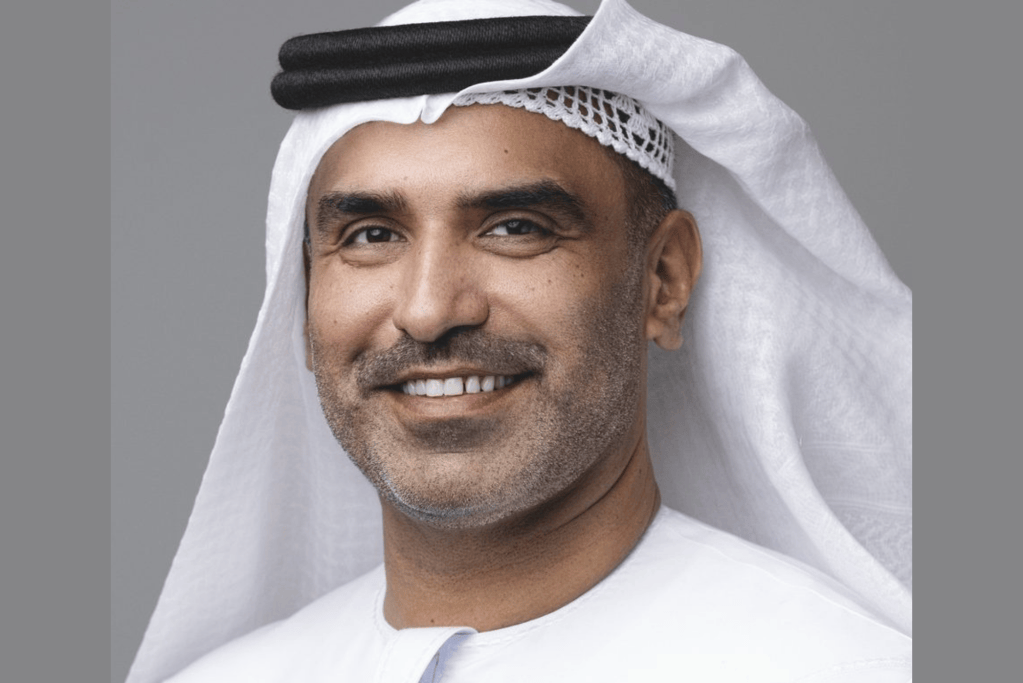
Marwan Abdulaziz Janahi • Senior Vice President, Dubai Science Park
Marwan Abdulaziz Janahi is the Senior Vice President of Dubai Science Park, part of TECOM... Read more