Investment Scams Using Deepfakes Could Spread to Gulf Markets, Cybersecurity Firm Warns
Group-IB also warned that requests for additional payments before withdrawals are released can be a sign of fraud, including purported taxes, insurance, or compliance charges.
You're reading Entrepreneur Middle East, an international franchise of Entrepreneur Media.
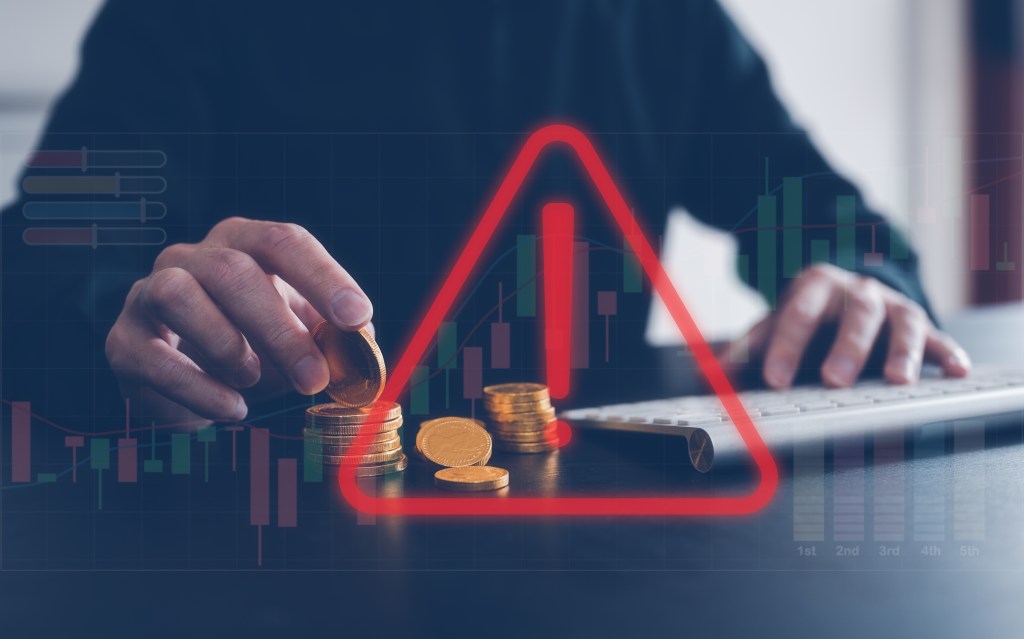
Cybersecurity firm Group-IB has warned investors and financial institutions across the GCC that investment scams using deepfake videos, WhatsApp groups, and fake cryptocurrency platforms could be adapted to target Gulf markets.
This follows investigations by the company’s regional team into two fraud operations identified in Australia and the United States. Group-IB said the schemes are not limited to those markets and their advertising, messaging, and platform infrastructure can be redirected to other countries within days.
One operation, which Group-IB tracks as GoldBull, uses paid Facebook and Instagram advertisements featuring deepfake videos that imitate financial professionals. Potential victims are then directed to private WhatsApp groups and encouraged to buy specific small-cap stocks traded on regulated exchanges.
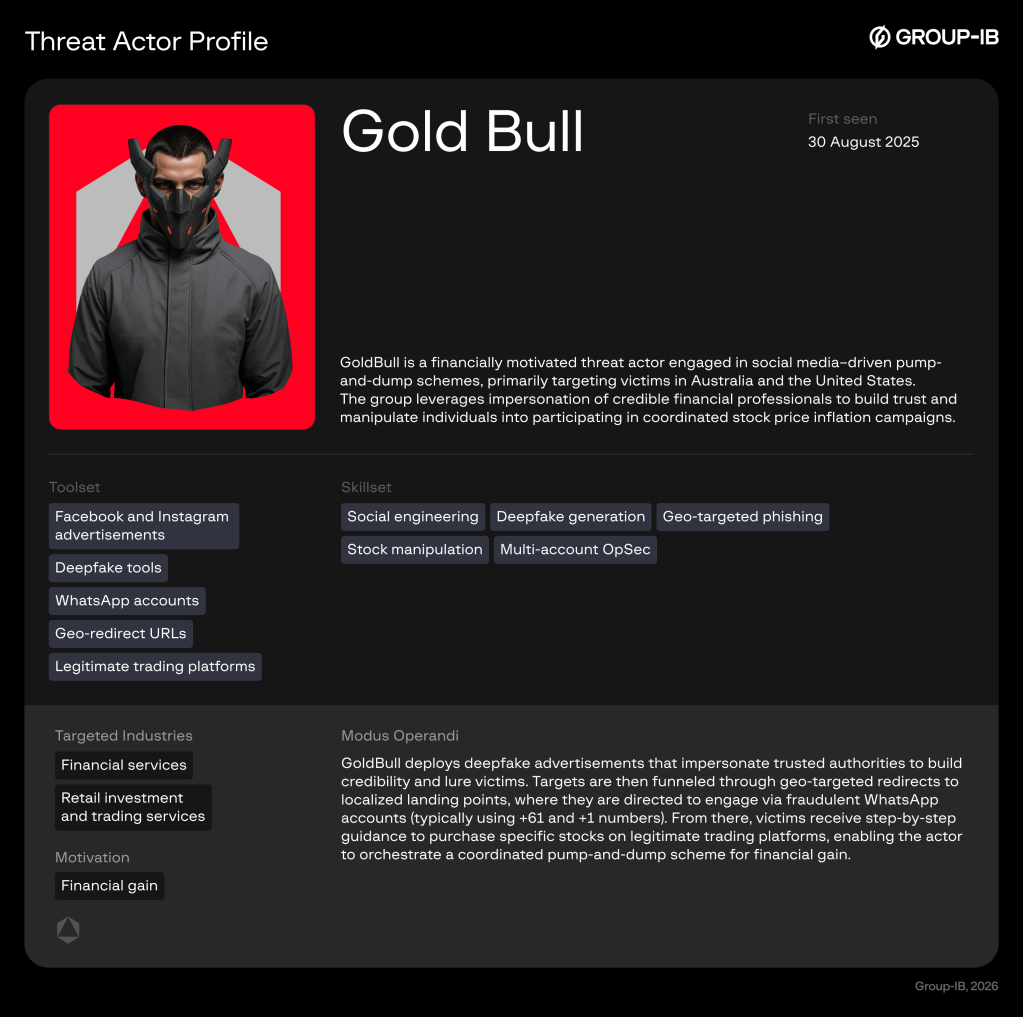
In one case documented by Group-IB, victims were instructed to buy shares at US$24.79. Coordinated purchases pushed the price up 12.4% to US$27.87 before it fell to US$14.27, leaving investors with a 42.4% loss from the stated entry price.
Group-IB estimated that US$1.5 million to US$3 million could have been used to drive the price movement, potentially involving between 500 and 3,000 participants across multiple WhatsApp groups.
The second, tracked as CoinLure, uses a network of more than 200 fake cryptocurrency investment platforms. Group-IB said the sites display fabricated returns and demand additional payments when victims attempt to withdraw funds, including purported taxes, compliance fees, and account upgrades.
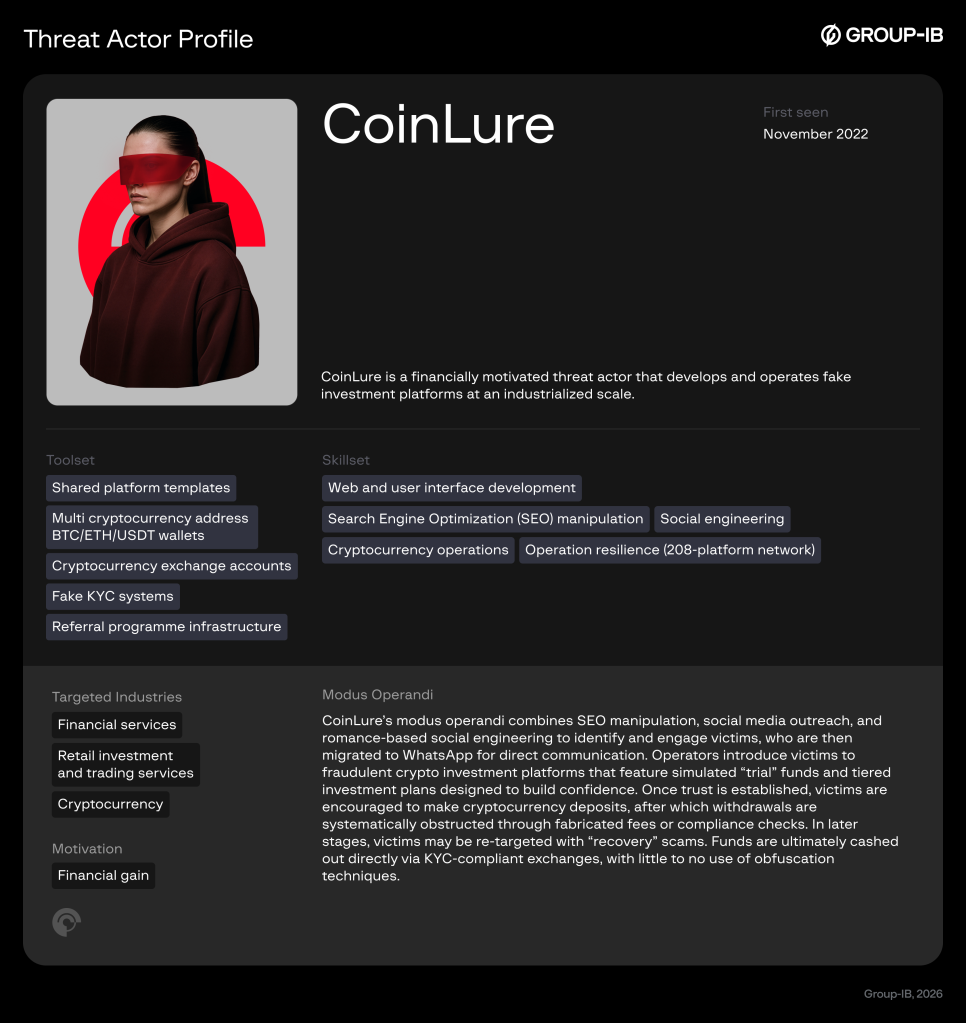
Analysis of one platform identified more than US$90,000 in cryptocurrency deposits to addresses active since 2022, according to the company.
Group-IB said Gulf markets could be targeted using similar methods because of widespread use of messaging apps for financial conversations, growing retail investment and cryptocurrency activity, and attempts by fraudsters to impersonate regulated financial firms.
The company advised investors to independently verify firms with national financial regulators before transferring money and to be cautious of investment opportunities promoted through private messaging groups, video endorsements or platforms that require cryptocurrency payments.
It also warned that requests for additional payments before withdrawals are released can be a sign of fraud, including purported taxes, insurance, or compliance charges.
The research was conducted by Group-IB’s Fraud Protection team alongside analysts from its Investigations, Threat Intelligence and CERT-GIB units. The teams analyzed advertising activity, digital infrastructure, and cryptocurrency transactions to identify links across the wider fraud networks.
RELATED: 85% of UAE Consumers Use AI for Online Shopping, Visa Study Finds
Cybersecurity firm Group-IB has warned investors and financial institutions across the GCC that investment scams using deepfake videos, WhatsApp groups, and fake cryptocurrency platforms could be adapted to target Gulf markets.
This follows investigations by the company’s regional team into two fraud operations identified in Australia and the United States. Group-IB said the schemes are not limited to those markets and their advertising, messaging, and platform infrastructure can be redirected to other countries within days.
One operation, which Group-IB tracks as GoldBull, uses paid Facebook and Instagram advertisements featuring deepfake videos that imitate financial professionals. Potential victims are then directed to private WhatsApp groups and encouraged to buy specific small-cap stocks traded on regulated exchanges.

Entrepreneur Middle East Staff
Entrepreneur Staff