Why Radisson Hotel Group Is Betting Big On AI-Powered Travel Discovery
Radisson Hotel Group’s Chief Commercial Officer, Gianni Di Fede, on the next era of travel search discovery, powered by AI.
You're reading Entrepreneur Middle East, an international franchise of Entrepreneur Media.
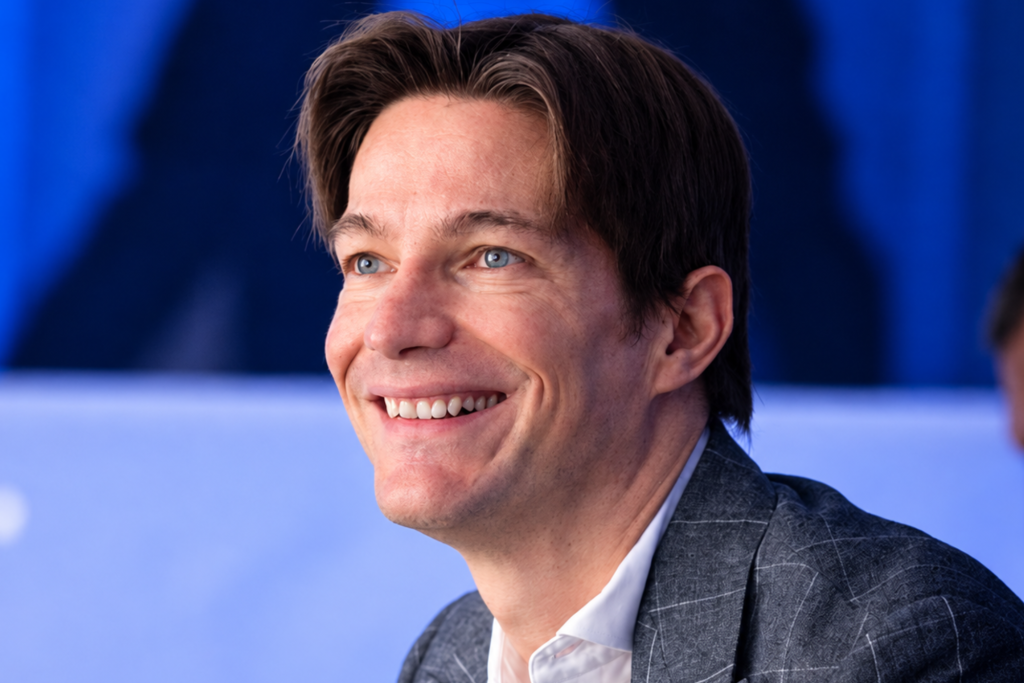
As Radisson Hotel Group becomes one of the first global hospitality brands to launch a branded experience on ChatGPT, its Chief Commercial Officer, Gianni Di Fede, tells us why now is the right moment to invest in AI-powered travel discovery, and what it means for the future of how guests search, plan, and book.
Radisson Hotel Group has become one of the first global hospitality brands to launch a branded experience on ChatGPT. What convinced you that now was the right time to invest in AI-powered travel discovery, and how do you see it reshaping the customer journey?
Travel planning is becoming increasingly conversational. Guests no longer want to navigate multiple websites, compare endless tabs, or refine search filters. They want trusted, relevant recommendations instantly. We saw an opportunity to meet travelers where they are already exploring ideas and making decisions.
For us, this is not simply about adopting a new technology; it’s about removing friction from the discovery journey. AI enables us to deliver inspiration, information, and eventually transactions in a way that feels far more natural. We believe conversational experiences will become an increasingly important gateway to travel, and we want Radisson Hotel Group to help define that future rather than react to it.
You’ve described this initiative as part of Radisson Hotel Group’s move toward “agentic commerce.” How do you define that concept, and why do you believe it represents the next evolution of hospitality commerce?
Agentic commerce is the evolution from search to intelligent assistance. Rather than asking customers to navigate digital channels themselves, AI agents increasingly help them discover options, compare alternatives, make decisions, and ultimately complete transactions.
For hospitality, this changes the relationship between brands and guests. Instead of competing purely on search rankings or advertising, we have an opportunity to compete on relevance, context, and the quality of the experience we provide. It also enables us to bring greater transparency and confidence into the booking journey.
Initiatives like our AI-powered Price Match capability are a good example. Helping ensure guests can access the best available rates directly with Radisson Hotel Group, without the uncertainty of comparing multiple channels. The brands that succeed will be those that combine intelligent assistance with trusted, personalized experiences and a seamless path from inspiration to booking and service.
RELATED: Dubai Chamber Offers SMEs Free Access to Canva’s AI-Powered Design Tools
The hospitality sector has traditionally relied on websites, mobile apps, and online travel agencies. How do you see conversational AI changing the competitive landscape for hotel brands over the next five years?
Traditional channels will remain important, but we believe conversational AI will become another major touchpoint within the customer journey. Travelers increasingly expect answers rather than search results, and that fundamentally changes how brands need to engage.
The competitive advantage will shift toward brands that can provide accurate information, personalized recommendations, and real-time availability across whichever interface guests choose to use. It is no longer just about having a great website; it is about ensuring your brand is discoverable, relevant, and trusted wherever travel decisions happen.
This platform allows travelers to search, compare, and receive live hotel information through natural conversation. What were the biggest commercial and operational challenges in bringing that vision to life?
The technology itself is only one part of the equation. Equally important is ensuring the experience reflects the quality and reliability guests expect from our brand.
That required close collaboration across commercial, digital, technology, data, legal, ecommerce, and operations teams, alongside our partners at Accenture. We needed to ensure information remains accurate, inventory reflects live availability, and recommendations align with guest intent while maintaining transparency. Delivering a conversational experience that is both intelligent and dependable required significant cross-functional collaboration.
As Chief Commercial Officer, how is AI changing the way you think about revenue generation, customer acquisition, and direct bookings compared to traditional digital marketing channels?
AI represents an opportunity to become more relevant at the very beginning of the customer journey. Instead of relying solely on customers finding us through traditional search or advertising, conversational AI enables us to engage travelers while they are still exploring possibilities.
That creates opportunities to strengthen direct relationships with guests through more personalized, contextual interactions. Ultimately, our objective remains the same: deliver exceptional experiences, build loyalty, and encourage guests to book directly with confidence. AI simply gives us new ways to achieve those goals.
The roadmap includes deeper personalization, loyalty recognition, in-chat booking, reservation management, and AI concierge services. Which of these capabilities do you believe will have the greatest impact on guest experience?
Personalization will have the greatest long-term impact because it connects every stage of the guest journey. When technology understands preferences, travel purpose, loyalty status, and previous experiences, it can deliver recommendations and services that genuinely feel relevant.
The real opportunity is creating continuity, from inspiration and booking through to the stay itself and beyond. Guests increasingly expect experiences that recognise them as individuals, and AI can help us deliver that consistently while still preserving the human hospitality that defines our industry.
Trust is essential when travelers are making booking decisions through AI. How is Radisson Hotel Group ensuring that guests receive accurate, transparent, and personalized recommendations while maintaining confidence in the brand?
Trust has to be built into every interaction. Guests need confidence that the information they receive is current, accurate, and reflects the same standards they would expect from any Radisson Hotel Group channel.
That means combining trusted brand content with live information where appropriate, maintaining transparency about recommendations, and continuously improving the experience through responsible governance. AI should simplify decision-making and reduce uncertainty. Protecting guest trust will always be more important than adopting technology quickly.
Accenture has been a key strategic partner in this initiative. Beyond the technology itself, what have been the most valuable lessons from collaborating on a project that is redefining digital hospitality?
One of the biggest lessons has been that meaningful innovation happens when technology expertise and industry expertise come together with a shared vision.
This initiative has reinforced the importance of moving quickly while remaining focused on practical business outcomes and guest value. It has also shown that successful AI transformation is not purely a technology project; it requires close collaboration across multiple disciplines, continuous learning, and a willingness to evolve as customer expectations continue to change.
The Middle East continues to lead in tourism investment, smart cities, and digital transformation. How important is the region in Radisson Hotel Group’s AI and commercial innovation strategy, and what opportunities do you see emerging here?
The Middle East is one of the world’s most dynamic hospitality markets, driven by ambitious tourism strategies, significant investment, and a strong appetite for innovation. Guests in the region are highly digitally engaged and expect seamless, technology-enabled experiences throughout their journey.
For Radisson Hotel Group, it represents an important market for growth as well as innovation. We see significant opportunities to combine world-class hospitality with emerging technologies that enhance personalization, simplify travel planning, and create more connected guest experiences.
Looking ahead, if we were having this conversation in 2030, what do you believe will have changed most dramatically about how people discover, choose, and book hotels, and how is Radisson Hotel Group preparing for that future today?
By 2030, I believe travelers will spend far less time searching and far more time interacting with intelligent assistants that understand their preferences, budgets, and travel objectives. Discovery, comparison, booking, and even elements of trip management will increasingly happen through conversational interfaces rather than traditional browsing.
Our role is to ensure Radisson Hotel Group is ready for that future. We are investing in the technology, partnerships, and data capabilities that will allow us to engage guests wherever they choose to interact, while continuing to deliver the trusted hospitality, meaningful experiences, and human connection that have always defined our brands.
RELATED: UAE Hotel Revenues Hit AED49.2 Billion; Guests Reach Record 32.3 Million in 2025
As Radisson Hotel Group becomes one of the first global hospitality brands to launch a branded experience on ChatGPT, its Chief Commercial Officer, Gianni Di Fede, tells us why now is the right moment to invest in AI-powered travel discovery, and what it means for the future of how guests search, plan, and book.
Radisson Hotel Group has become one of the first global hospitality brands to launch a branded experience on ChatGPT. What convinced you that now was the right time to invest in AI-powered travel discovery, and how do you see it reshaping the customer journey?
Travel planning is becoming increasingly conversational. Guests no longer want to navigate multiple websites, compare endless tabs, or refine search filters. They want trusted, relevant recommendations instantly. We saw an opportunity to meet travelers where they are already exploring ideas and making decisions.

Entrepreneur Middle East Staff
Entrepreneur Staff